Three months into what everyone called the “perfect” anti-inflammatory diet, I was still hitting that 2 PM wall. Hard.
The irony wasn’t lost on me. Here I was, meal-prepping organic vegetables, measuring turmeric, avoiding every processed food known to humanity, and still feeling like my energy was leaking out through invisible cracks. My inflammation markers had improved, sure. The joint stiffness was mostly gone. But that bone-deep exhaustion that sent me reaching for a third cup of coffee every afternoon? Still there, stubborn as ever.
That’s when I realized something most people don’t talk about: even the cleanest anti-inflammatory diet has limits.
There’s a gap between what food can deliver and what your cells actually need to produce sustainable energy. And for months, I was trying to bridge that gap with more kale.
The Energy Equation Nobody Mentions

Your mitochondria — those tiny powerhouses in every cell — don’t just need clean fuel. They need specific compounds to actually convert that fuel into usable energy. Think of it like having a perfectly tuned sports car but forgetting that high performance requires premium oil, clean filters, and the right grade of fuel additives. An anti-inflammatory diet gives you the clean fuel part. Wild-caught salmon, leafy greens, berries loaded with antioxidants. These foods reduce the inflammatory load that taxes your cellular machinery.
But here’s what I learned the hard way: reducing inflammation is only half the energy equation.
The other half is actively supporting the mitochondrial processes that turn nutrients into ATP — the molecule your body uses for energy. And this is where most anti-inflammatory approaches fall short. You can eat all the spinach in the world, but if your cellular energy production is still struggling, you’ll feel that familiar afternoon fade.
Ready to bridge the gap between clean eating and cellular energy?
Why Food Alone Hits a Wall

I used to think I could get everything from my plate. After all, our ancestors did, right? But here’s the reality: the nutritional density of our food has declined dramatically over the past century. The spinach you’re eating today contains roughly 40% less iron than the spinach your grandmother ate. Tomatoes have lost nearly 30% of their vitamin C content. Even when you’re eating organic, even when you’re shopping at farmers markets, even when you’re doing everything “right,” you’re working with ingredients that simply don’t pack the same nutritional punch they once did.
Your mitochondria are asking for specific compounds in therapeutic amounts, and food — even the best food — often can’t deliver.
This isn’t about giving up on whole foods or abandoning the anti-inflammatory approach. It’s about recognizing that in our current environment, with our current soil quality and food system, we need to be more strategic about filling the gaps.
Discover what your mitochondria have been missing all along.
The Cellular Energy Crisis Hidden in Plain Sight

Most people experiencing chronic fatigue don’t realize they’re dealing with mitochondrial dysfunction. The symptoms look like everything else: brain fog, afternoon crashes, that heavy feeling in your limbs, the sense that sleep never quite restores you. Standard blood work comes back normal. Your doctor suggests more sleep, less stress, maybe some B vitamins. But inside your cells, a different story is unfolding.
Your mitochondria are under constant oxidative stress from environmental toxins, processed foods, chronic inflammation. They’re working harder to produce less energy, like an engine that’s slowly losing compression. The anti-inflammatory diet helps reduce some of that stress, but it doesn’t actively repair the cellular machinery.
This is where I started looking beyond food. Not as a replacement for clean eating, but as a completion of it.
Time to give your cellular energy the tools it needs.
When I Started Thinking Like a Mechanic

The breakthrough came when I stopped thinking like a nutritionist and started thinking like a mechanic. If your car was running rough, you wouldn’t just switch to premium gas and hope for the best. You’d look under the hood. You’d check the engine components, replace worn parts, add the specific fluids and additives that optimize performance.
Your mitochondria work the same way. They need CoQ10 for electron transport. They need specific antioxidants to neutralize the free radicals produced during energy metabolism. They need compounds that support the delicate membrane structures where ATP synthesis actually happens. And they need these in amounts that would be nearly impossible to get from food alone.
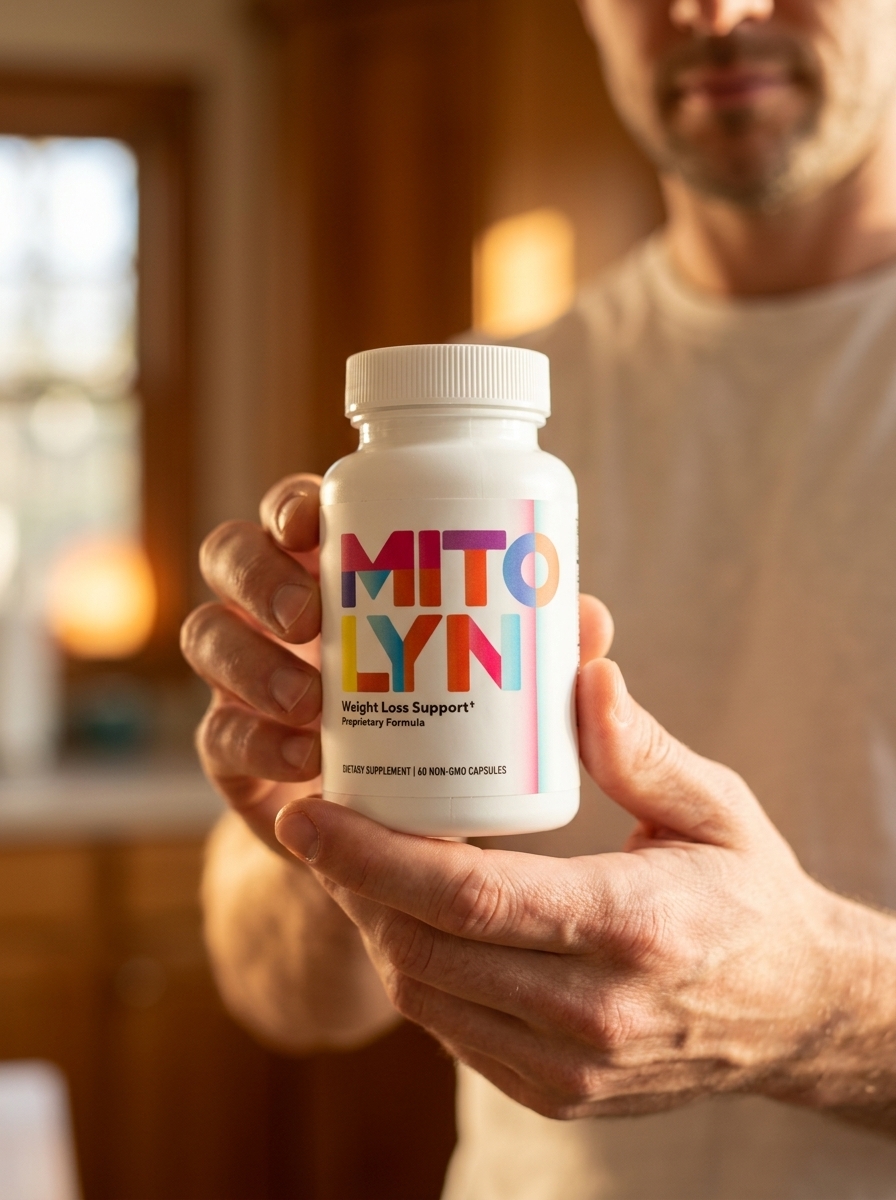
That’s when I found Mitolyn. Not as a magic bullet, but as the missing piece I’d been searching for. Here was a supplement designed specifically for mitochondrial support, delivering concentrated amounts of the exact compounds my cellular energy production had been lacking. The kind of therapeutic dosing that would require eating pounds of specific foods every single day.
Complete Your Energy Foundation
Bridge the gap between clean eating and cellular energy production.
Your anti-inflammatory diet reduces cellular stress, but your mitochondria need specific compounds to actually produce sustained energy. Mitolyn delivers concentrated antioxidants and cellular protective compounds in therapeutic amounts that food alone cannot provide. Finally complete what your clean nutrition started.
- ✓ Steady energy without afternoon crashes
- ✓ Mental clarity that lasts all day
- ✓ Cellular support your diet can’t deliver
What Actually Changed

The shift wasn’t dramatic at first. No lightning bolt of energy, no miraculous transformation overnight. But about two weeks into using Mitolyn alongside my anti-inflammatory diet, I noticed something: I wasn’t watching the clock anymore, waiting for that afternoon crash.
By week three, I was getting to 4 PM and realizing I still felt present, still felt mentally sharp. My workouts stopped feeling like I was pushing through quicksand. That heavy, sluggish feeling that used to settle over me like a blanket in the early afternoon simply… lifted.
The most telling change was how I woke up. Instead of that groggy, need-twenty-minutes-and-two-cups-of-coffee feeling, I was actually alert within minutes of opening my eyes. Like my cellular batteries had finally learned how to fully charge overnight.
Stop settling for afternoon crashes despite clean nutrition.
The Integration That Actually Works

Here’s what I wish someone had told me from the beginning: an anti-inflammatory diet and targeted mitochondrial support aren’t competing approaches. They’re complementary. The diet creates the foundation — reducing oxidative stress, providing clean nutrients, supporting overall cellular health. The mitochondrial support builds on that foundation, giving your energy production system the specific tools it needs to function optimally.
Think of it as renovation strategy. You wouldn’t start decorating before you fixed the foundation and plumbing. But you also wouldn’t stop at foundation repair and call the house finished.
The anti-inflammatory diet is your foundation work. Mitolyn is the systems upgrade that makes the whole structure actually livable. I still eat the same clean, anti-inflammatory foods. I still avoid processed junk, still prioritize organic when possible, still load up on colorful vegetables and omega-3 rich fish. But now that eating pattern is supported by cellular machinery that can actually convert those good choices into sustained energy.
Experience what happens when nutrition meets cellular support.
The Energy You’ve Been Missing

Six months later, I can’t imagine going back to the exhausting cycle of clean eating without cellular support. Not because Mitolyn replaced good nutrition, but because it completed what good nutrition started. My afternoon energy is steady. My morning workouts don’t require a 20-minute internal pep talk. When evening comes, I’m pleasantly tired instead of completely depleted.
This is what sustainable energy feels like: not the jittery rush of stimulants, not the temporary boost of sugar, but the quiet confidence that your body has what it needs to meet the day without borrowing from tomorrow.
Your cells are finally getting both sides of the equation — clean fuel and the machinery to use it efficiently. If you’ve been eating clean but still feeling tired, you’re not doing anything wrong. You’re just not doing everything possible.
The gap between good nutrition and optimal cellular function is real, and it’s bridgeable. You don’t have to accept running on empty as your normal.
Written by Elias Menden — for those who seek sustained vitality
Your cells are ready for the missing piece they’ve been waiting for.