The elevator ride to the fourth floor shouldn’t leave you breathless. Standing at your kitchen counter shouldn’t make your chest feel tight. These moments aren’t dramatic—no crushing pain, no emergency room visits—just your body whispering that something needs attention. Your cardiovascular system has been your faithful partner for decades, pumping life through every cell, but it’s starting to ask for help.
I’ve watched too many people ignore these gentle warnings until they become impossible to dismiss. The truth is, your heart speaks long before it shouts, and learning its language might be the most important conversation you’ll ever have with your body. When you start paying attention to what your cardiovascular system is telling you, everything changes—your energy, your sleep, your confidence in your own resilience.
Most of us have been taught to wait for obvious symptoms before we act. But your heart doesn’t work that way. It sends signals through fatigue that feels different from being tired, through blood pressure readings that inch higher each year, through that subtle awareness that climbing stairs used to be easier. These aren’t character flaws or inevitable signs of aging—they’re your body’s early warning system, perfectly calibrated and worth respecting.
When Your Heart Whispers Instead of Shouts

Your cardiovascular system is constantly adapting to the demands you place on it. Late nights, deadline stress, poor nutrition, and sedentary habits don’t break your heart overnight—they slowly increase the workload. Your heart muscle grows slightly thicker to pump against rising resistance. Your arteries become less flexible as they work harder to maintain pressure. Your blood vessels narrow incrementally as inflammation creeps in.
These adaptations happen so gradually that you normalize the fatigue, the occasional chest tightness, the way your heart pounds after minimal exertion. You tell yourself it’s stress or age or lack of exercise, and while those factors matter, they’re symptoms of a deeper truth: your cardiovascular system is working overtime to keep you functional, and it’s asking for support.
The most telling sign isn’t dramatic—it’s the slow erosion of your physical confidence.
You start avoiding the stairs, choosing the closer parking spot, feeling winded during activities that used to be effortless. Your heart isn’t failing; it’s compensating. And compensation, while remarkable, isn’t sustainable forever.
Your heart has been asking for help – are you ready to listen?
The Chemistry of Cardiovascular Stress
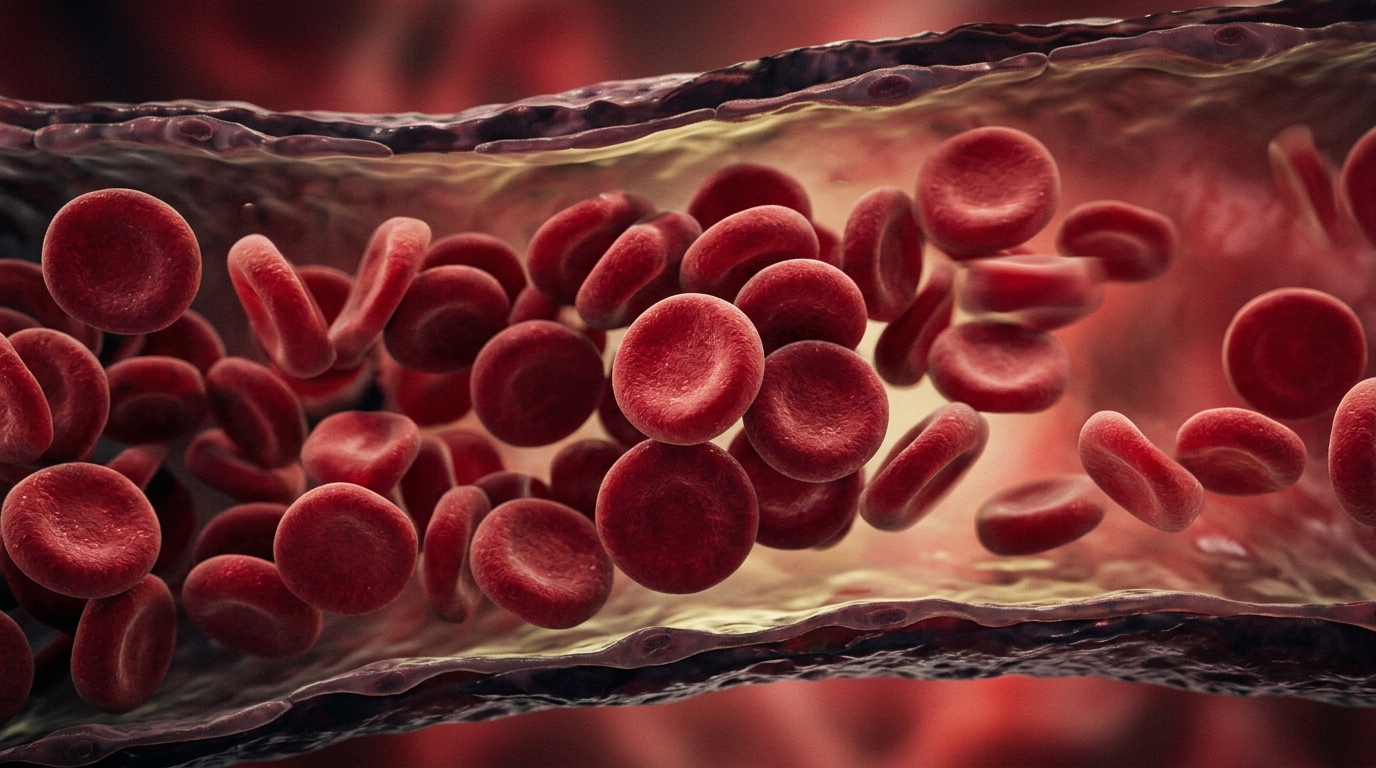
Inside your blood vessels, a complex dance of chemistry determines whether your cardiovascular system thrives or merely survives. When this balance tilts toward inflammation and oxidative stress, your arteries lose their suppleness, your blood becomes more viscous, and your heart works harder to push life through increasingly resistant pathways. Nitric oxide, your body’s natural vasodilator, becomes scarce when you need it most. Blood pressure climbs not because your heart is weak, but because your vessels have lost their ability to relax and expand.
Cholesterol particles become oxidized and sticky, adhering to artery walls not out of malice, but because your body’s antioxidant defenses are overwhelmed.
This isn’t a disease process—it’s a resource depletion. Your cardiovascular system needs specific nutrients to maintain the chemical balance that keeps blood flowing freely and vessels functioning optimally. When those nutrients are consistently absent, your body makes the best adaptations it can, but those adaptations come with a cost: reduced efficiency, increased effort, and the gradual symptoms you’ve learned to ignore.
Stop managing symptoms and start restoring cardiovascular function from within.
Why Traditional Approaches Fall Short

Most cardiovascular advice focuses on restrictions—less salt, less fat, less stress, less sitting. While these changes matter, they address only half the equation. Your heart doesn’t just need you to avoid harmful inputs; it needs you to provide beneficial ones. Telling someone with cardiovascular concerns to “exercise more and eat less” without addressing nutrient deficiencies is like asking a car to run better on an empty tank.
The standard approach treats symptoms after they’ve become measurable problems. Blood pressure medications lower the numbers without addressing why the pressure rose in the first place. Cholesterol-lowering drugs reduce one marker while potentially depleting nutrients your heart muscle needs to function. These interventions have their place, but they’re reactive, not restorative.
Your cardiovascular system thrives on a foundation of targeted nutrients that support cellular energy production, maintain vessel flexibility, and protect against oxidative damage.
Without this foundation, you’re managing symptoms rather than restoring function. It’s the difference between turning down the volume on an alarm and addressing the reason it’s ringing.
Give your cardiovascular system the complete toolkit it deserves.
The Nutrients Your Heart Actually Needs

Your cardiovascular system operates on specific nutrients that most people unknowingly neglect. Coenzyme Q10 powers the mitochondria in your heart muscle—the tiny engines that generate the energy for each contraction. As you age, CoQ10 production declines, leaving your heart working with less fuel. Magnesium regulates the electrical signals that coordinate your heartbeat while helping blood vessels relax and dilate properly. Omega-3 fatty acids keep cell membranes flexible and reduce inflammation throughout your vascular system.
Antioxidants like vitamin C and E protect cholesterol from oxidation, preventing the sticky, damaged particles that contribute to arterial buildup. These aren’t exotic compounds—they’re fundamental building blocks that your cardiovascular system requires for optimal function.
The challenge isn’t identifying these nutrients; it’s getting them in therapeutic amounts and in forms your body can actually use. Food alone, even excellent food, rarely provides the concentrations needed to restore depleted systems. This is where targeted supplementation becomes not a luxury, but a practical necessity for cardiovascular health.
Experience what happens when your heart has everything it needs to thrive.
The Moment Everything Changes

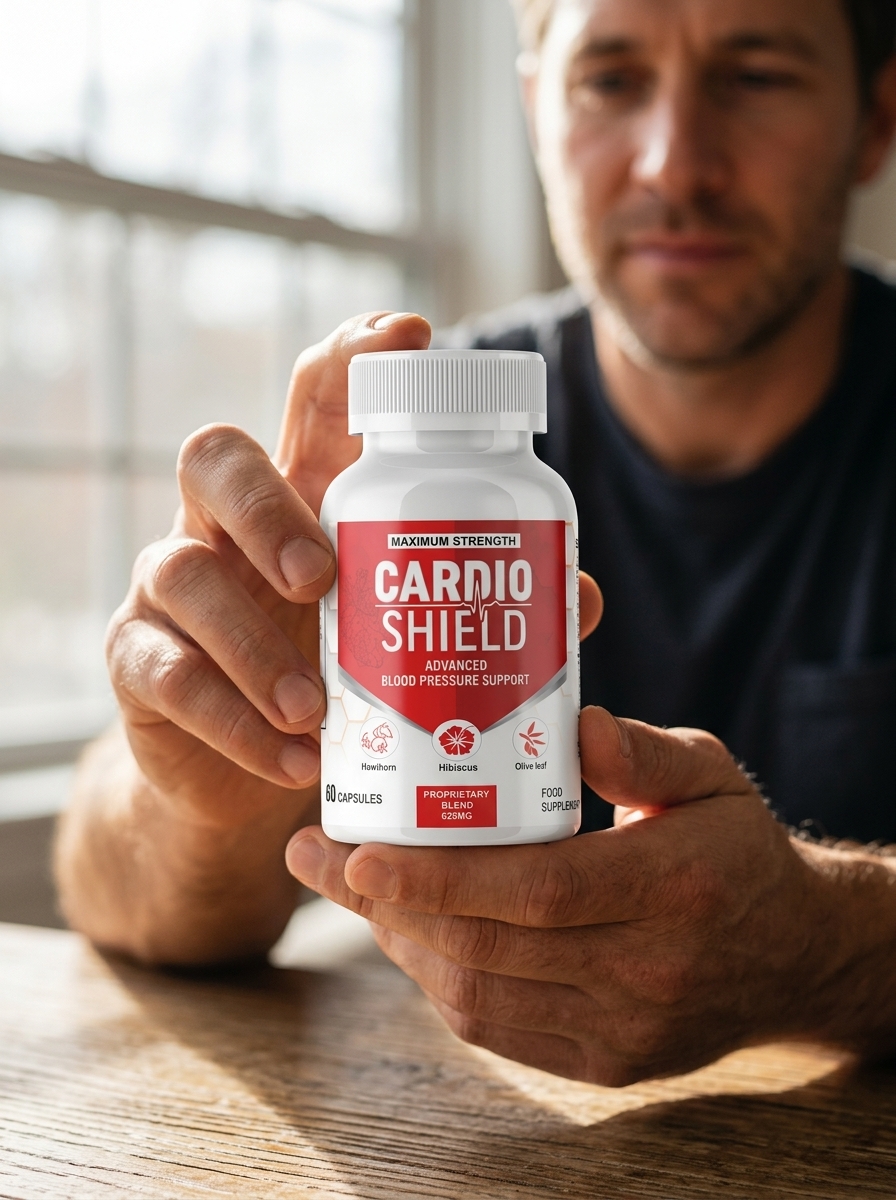
This is where I discovered something that shifted my entire understanding of cardiovascular support. After years of helping people piece together individual nutrients, I found Cardio Shield—a comprehensive formulation that addresses every major pathway your cardiovascular system needs for optimal function. Not another generic heart supplement, but a precision approach to cellular cardiovascular support.
Cardio Shield combines therapeutic levels of CoQ10, magnesium, omega-3s, and targeted antioxidants in forms your body recognizes and absorbs efficiently. What makes it different is the synergy—these nutrients work together, each one enhancing the others’ effectiveness. It’s like giving your cardiovascular system a complete tool kit instead of a single wrench.
I’ve watched people experience changes they hadn’t expected—not just in their cardiovascular markers, but in their energy, their sleep quality, their confidence in their physical capabilities. When you give your heart the resources it needs, it stops working so hard to maintain basic function and starts supporting the life you want to live.
Give Your Heart What It Needs
Comprehensive cardiovascular support that works with your body’s natural healing processes.
Cardio Shield combines therapeutic levels of CoQ10, magnesium, omega-3s, and targeted antioxidants in forms your body recognizes and absorbs efficiently. Not another generic heart supplement, but precision support for cellular cardiovascular function. These nutrients work together synergistically, each enhancing the others’ effectiveness for optimal results.
- ✓ Energy that sustains you through the day
- ✓ Confidence in your physical capabilities
- ✓ Cardiovascular system that supports your goals
What Your Mornings Look Like Now

The first thing people notice isn’t dramatic—it’s the absence of something they’d grown accustomed to. The elevator isn’t necessary anymore; the stairs feel manageable, even easy. Your morning energy doesn’t depend on caffeine to feel sustainable. That subtle chest tightness during routine activities simply disappears, so gradually you almost don’t notice until it’s gone.
Your blood pressure readings become something you look forward to rather than dread. The numbers move in the right direction not because you’re forcing them down, but because your cardiovascular system is functioning more efficiently. Your heart rate variability improves, meaning your nervous system feels safe enough to relax.
Sleep becomes deeper, more restorative, because your body isn’t working overtime to maintain basic circulation.
Physical activities you’d begun avoiding become appealing again. Not because you’ve transformed into an athlete, but because your cardiovascular system has the resources to support normal human movement without strain. You rediscover the pleasure of feeling strong in your body, confident in your heart’s ability to support whatever you ask of it.
Transform worry into confidence with targeted cardiovascular nutrition.
The Science of Cardiovascular Renewal
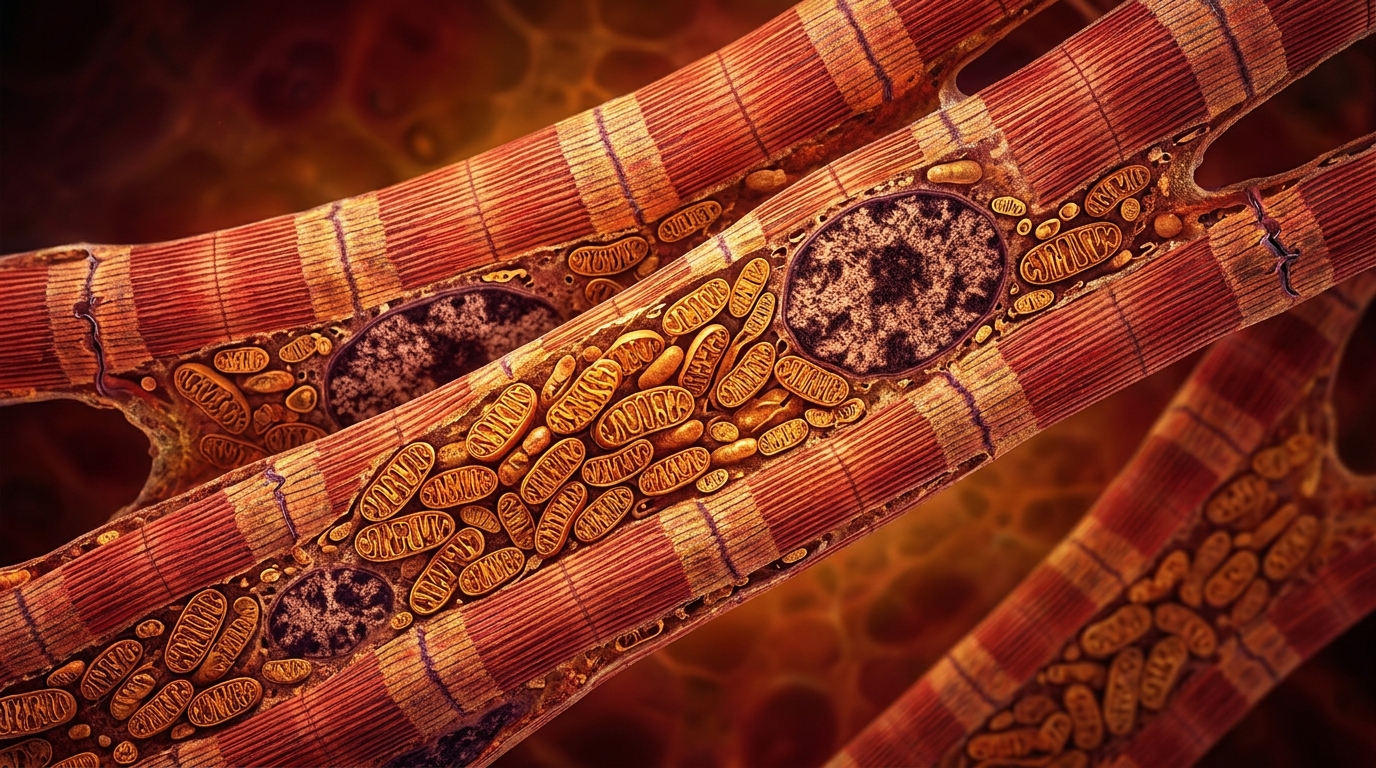
When you provide your cardiovascular system with comprehensive nutritional support, measurable changes happen at the cellular level. Your heart muscle cells produce more ATP, the energy currency that powers each contraction. Blood vessel walls become more flexible as magnesium helps smooth muscle relax and nitric oxide production increases. Inflammation markers drop as antioxidants neutralize free radicals before they can damage delicate vascular tissues.
These changes translate to improvements you can feel: better exercise tolerance, more stable energy throughout the day, improved sleep quality, and the subtle but profound sense that your body is working with you rather than against you. Your cardiovascular system stops compensating and starts thriving.
The timeline varies, but most people notice initial changes within the first few weeks—better energy, easier breathing during mild exertion, improved sleep. More significant changes—blood pressure improvements, enhanced exercise capacity, cardiovascular confidence—typically develop over two to three months as your system rebuilds its nutritional reserves and cellular function improves.
Your cardiovascular system is ready to support the life you want to live.
Your Heart’s New Story

Six months from now, you won’t think about your heart the way you do today. Instead of monitoring it for warning signs, you’ll trust it to support your life fully. That flutter in your chest will be a memory. The fatigue that once defined your afternoons will be replaced by steady energy that carries you through your day with reserves to spare.
Your cardiovascular system will feel like what it was always meant to be—a reliable partner in everything you want to accomplish. Climbing stairs, playing with children, traveling, pursuing physical activities you enjoy—all become expressions of cardiovascular health rather than tests of cardiovascular limits.
The most profound change isn’t physical—it’s psychological. When you stop worrying about your heart’s capacity and start trusting in its strength, you make different choices. You say yes to adventures, commitments, and experiences because you know your cardiovascular system can support them. This isn’t about living without limits; it’s about living without the constant background anxiety that your heart might not be up to the task.
Your heart has been working tirelessly to keep you alive. Now it’s time to give it the support it needs to help you truly live. The conversation between you and your cardiovascular system doesn’t have to be filled with worry and restriction. With the right approach, it becomes a dialogue of partnership, strength, and unwavering confidence in your body’s remarkable capacity for health.
Written by Elias Menden — for those who seek cardiovascular strength
Ready to feel the difference this formula makes?