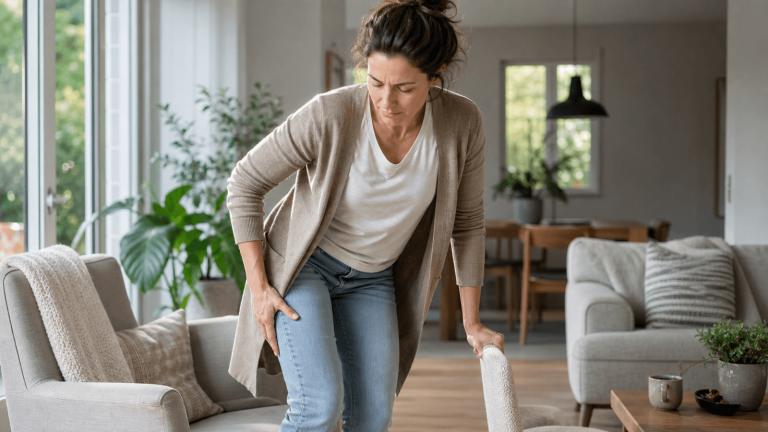
Some days have a strange moment where the rest of you still feels reasonably fine, but your hips act like they have been carrying a different schedule. You stand up after sitting too long, start walking, and notice that one part of the body feels heavier, older, or more guarded than the rest of the day seems to justify.
I started noticing that most after desk-heavy afternoons. It was not sharp pain. It was resistance. My hips felt like they wanted a warning before every transition, which made stairs, errands, and even simple standing tasks feel more negotiated than they should have.
Once I stopped filing that under generic aging, the pattern became useful. I could look at sitting time, circulation, walking breaks, hydration, warmth, and the kind of mobility support that fits a body spending too many hours compressed before it is asked to move naturally again.
Why Can Hips Feel So Old After a Mostly Ordinary Day?
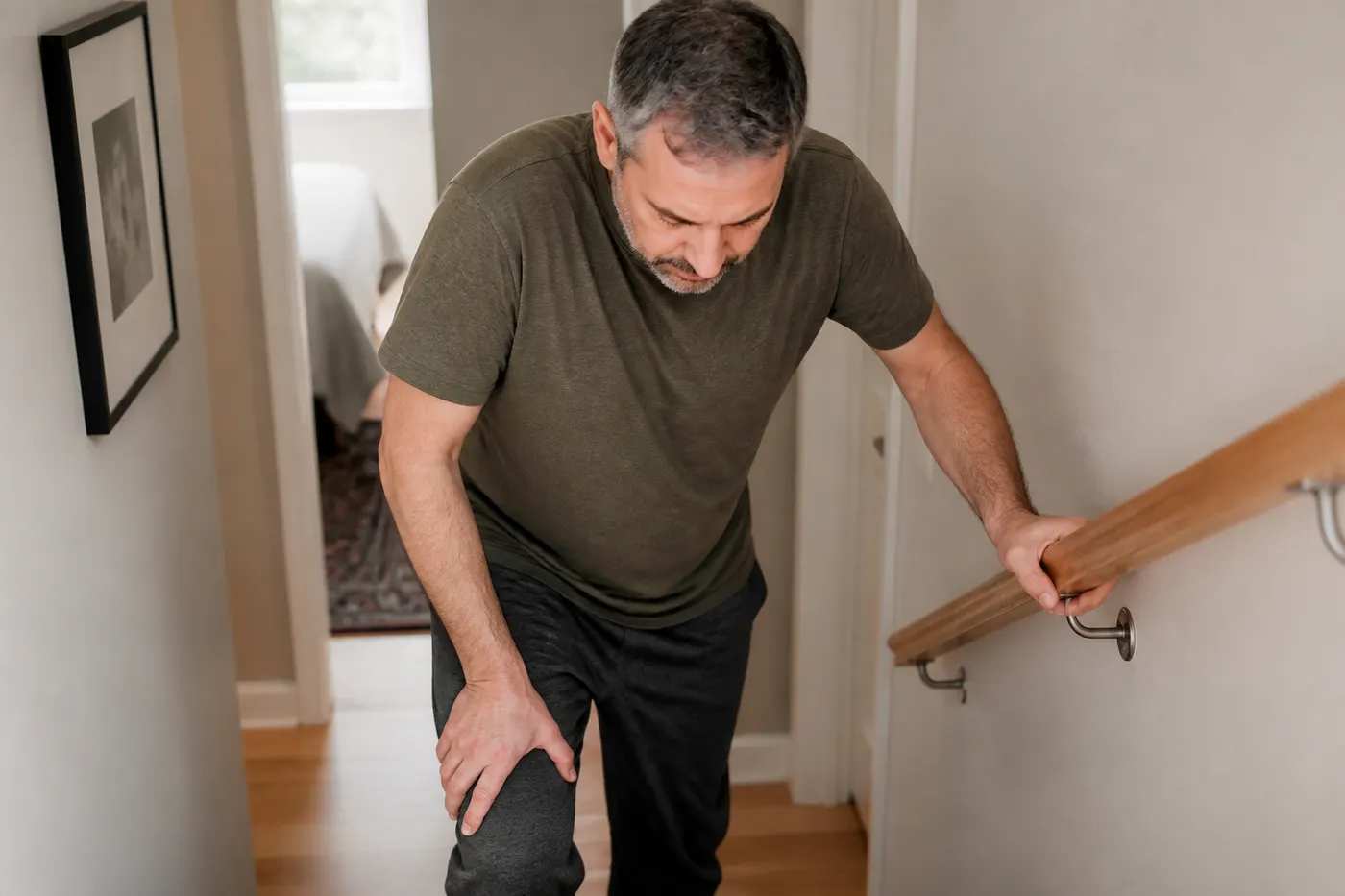
Hips tend to speak up when long stillness, repetitive posture, and too little recovery have had hours to stack together quietly in the background. The day may have looked ordinary, but the joints and surrounding muscles were still absorbing pressure, shortened positions, and limited circulation for much longer than the schedule made obvious.
The National Institute on Aging explains in its guidance on exercise and physical activity that strength, flexibility, balance, and endurance all shape everyday capability. In real life that means a desk-bound day can make the hips feel far older than the calendar suggests because the body has been underusing the exact qualities that keep movement easy.
That is why this pattern feels so personal. You are not necessarily injured. You are simply discovering which area of the body has been paying the quietest tax all day long.
What Daily Habits Usually Leave the Hips Feeling Guarded?
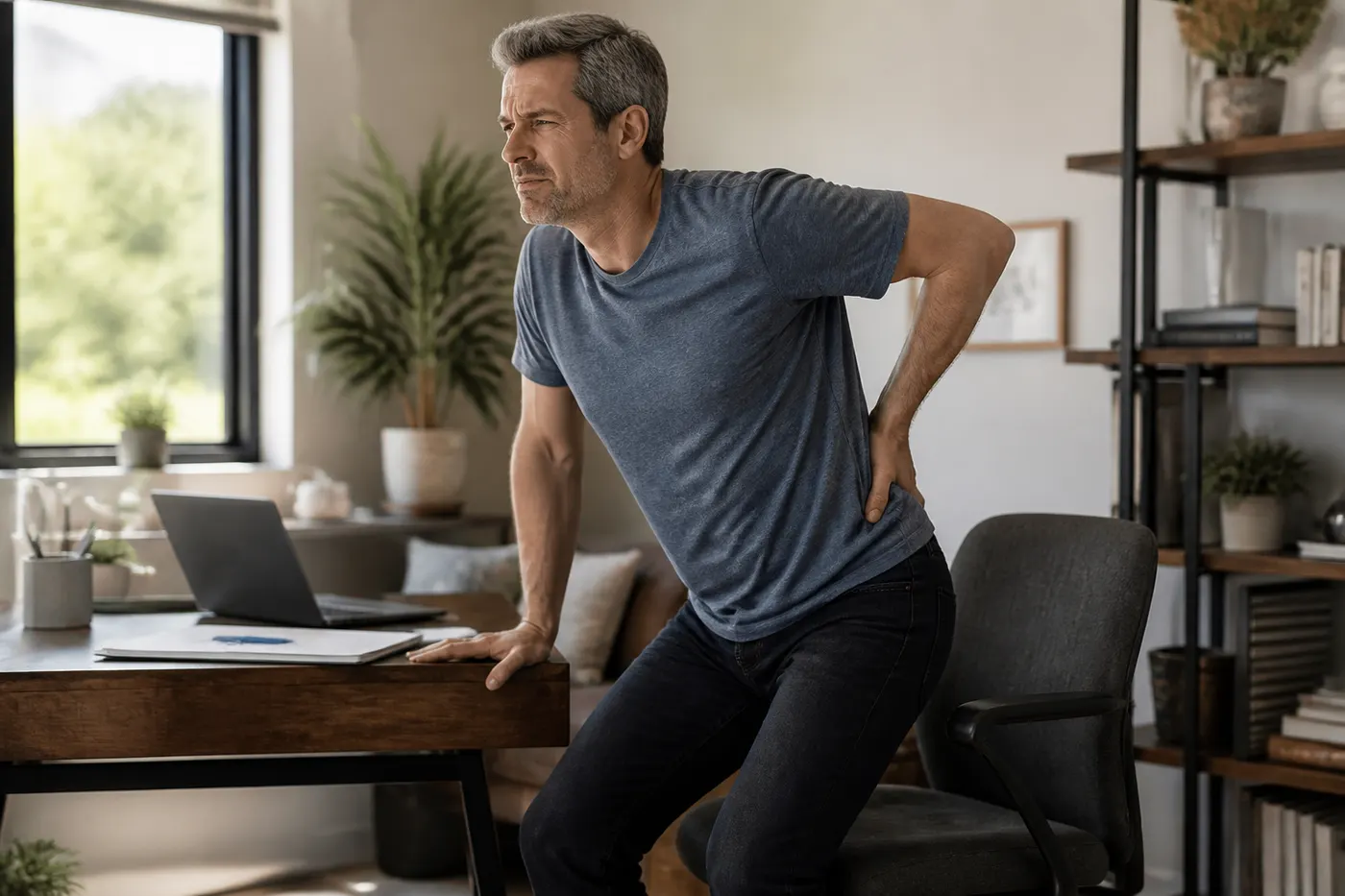
The usual inputs are not dramatic. Long seated stretches. Few walking breaks. Minimal warm-up before a commute or workout. Hydration that keeps getting delayed. A body that goes from stillness to demand without enough transition in between.
- long seated blocks that keep the hips compressed
- too few walking resets to restore circulation
- starting movement cold after hours of stillness
- pushing recovery and hydration later until they barely happen
What makes the hips tricky is that they often hide the issue until the day is already advanced. You can sit through most of the afternoon without thinking much about them, then stand up and realize they have been getting tighter and less cooperative the entire time.
That is when the problem starts sounding older than it is. The body is not always announcing decline. Sometimes it is just reporting neglected movement.
How Does Hip Stiffness Change the Feel of an Evening?
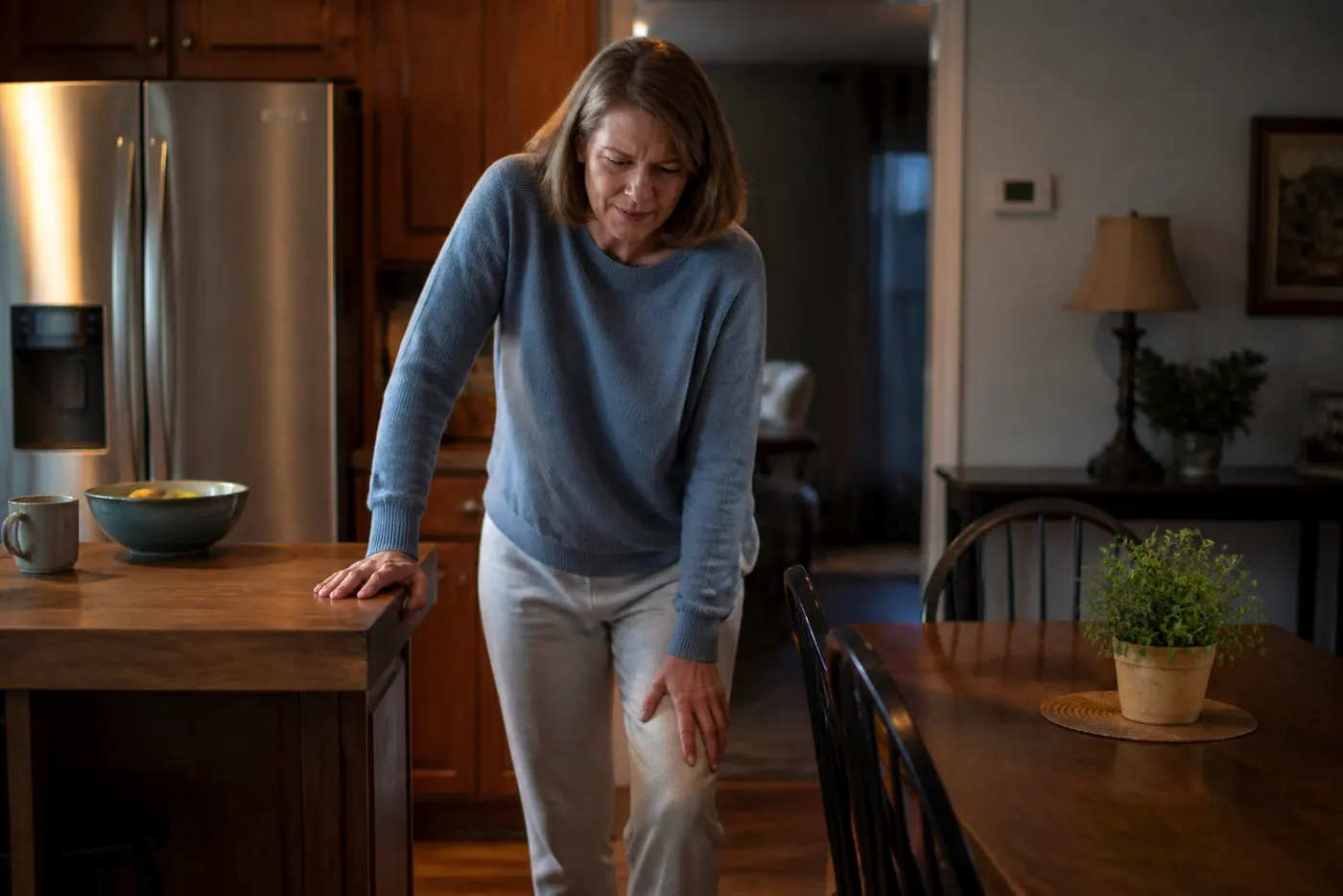
When your hips feel older than the rest of the day, normal transitions start costing more attention. You brace before getting up. You notice stairs sooner. Errands sound less casual. Even moving around your own home can begin to feel like something you have to manage instead of something you simply do.
That emotional shift matters because mobility confidence is built from ordinary moments. When those moments stop feeling automatic, the day feels narrower. The body starts asking for caution in places where you would rather feel freedom.
This is why joint-support content works best when it stays close to real life. Readers are not always looking for elite performance. Many of them want the hips, knees, and stairs of an average weekday to stop feeling like a quiet argument.
What Helps the Hips Feel More Willing Again?
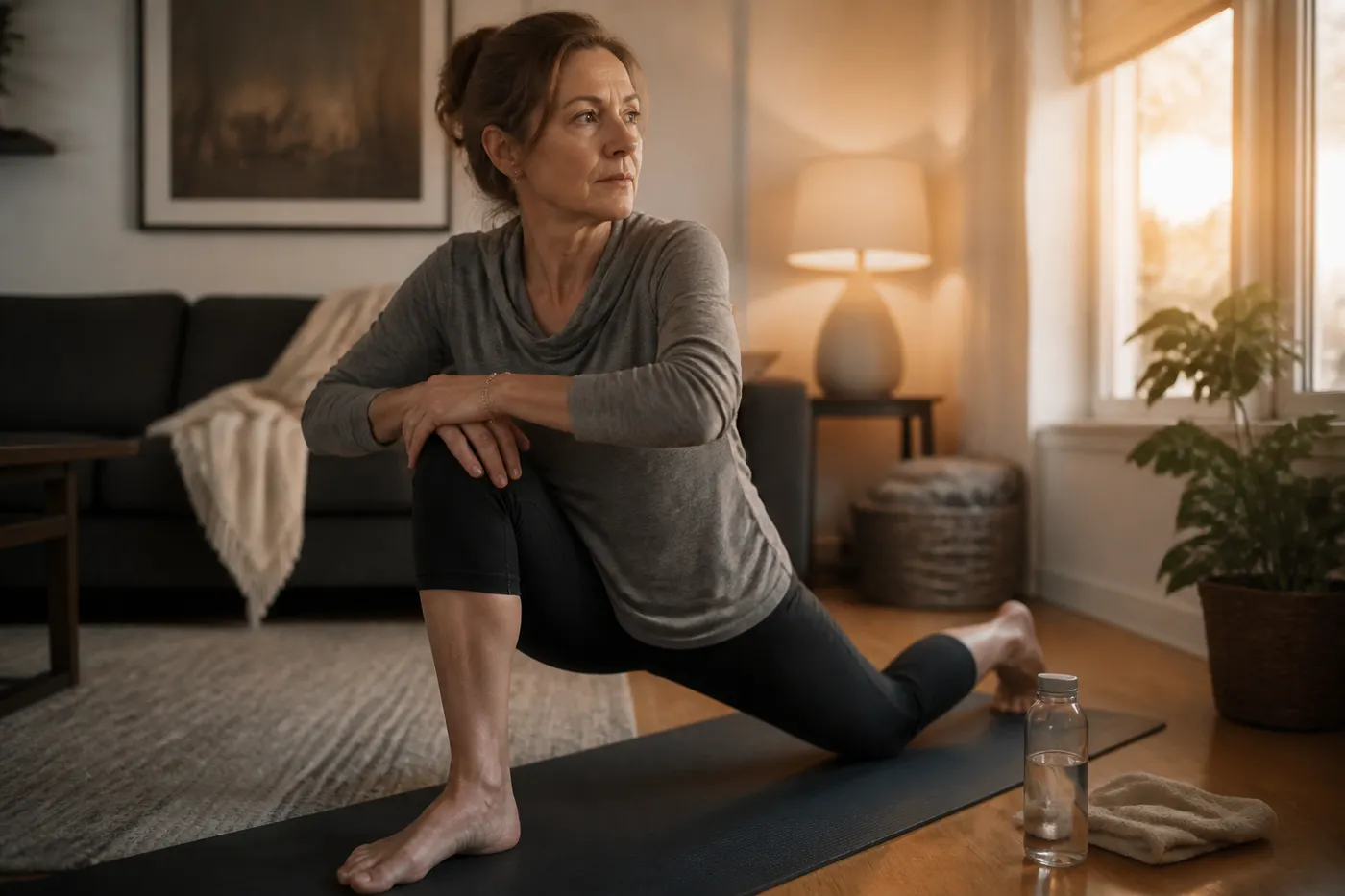
The most reliable changes for me were surprisingly unglamorous. More walking breaks. More heat when I could feel tightening begin. Easier movement earlier instead of heroic stretching after everything already felt stuck. I needed less punishment and more circulation.
Harvard Health points out in its overview of how to cope with stiff joints that staying active, moving regularly, and using warmth can help support joint comfort and function. That matched what I found in practice. Hips usually want steadier attention, not occasional rescue.
Once I respected that, the body stopped feeling so betrayed by afternoons. The goal became keeping the hips in the conversation all day instead of only noticing them once they had already shut down some of their willingness.
Where Does Joint Genesis Fit in a Better Hip Mobility Routine?
Joint Genesis made sense to me because it fit the reality of the pattern. I was not looking for a miracle. I wanted support that belonged beside movement breaks, hydration, warmth, and better late-day recovery. That made the recommendation feel honest.
That is the real bridge here. The article first explains why your hips can feel older than the rest of the day. Then Joint Genesis appears as one support step inside a broader routine that respects how hips get worn down by long stillness and repeated transition without enough recovery.

That ordering makes the product easier to trust. The reader feels seen first and sold second, which is the only sequence that consistently works for YMYL-adjacent wellness content.
Which Internal Links Strengthen This Mobility Cluster?
This post should feed IyoMend’s strongest mobility pages directly. The most useful next steps are best supplements for joint mobility, best supplements for joint pain, and when evening stiffness starts climbing the stairs with you.
Those links help readers move from symptom recognition into product comparison and cluster depth. One page answers the broader commercial query, one supports a joint-pain angle, and one stays close to the same lived late-day mobility pattern from a stair-based perspective.
That network also helps search and AI systems understand the site’s topical authority. IyoMend is building a practical mobility cluster around real transitions, not isolated pages with no shared structure.
The Goal Is Not Acting Younger. It Is Moving With Less Negotiation.
I do not want readers treating guarded hips like a verdict on age. I want them noticing the pattern clearly and reducing the friction that keeps collecting through the day. If your hips feel older than the rest of the day, the body may be telling the truth about sitting time, recovery, circulation, or mobility support.
The answer is often less about toughing it out and more about better conditions. Better movement rhythm. Better transitions. Better support. When those pieces line up, the evening feels more open and less managed.
That matters because mobility freedom is built from ordinary moments. A body that cooperates when you stand up, walk across the room, or take the stairs gives the rest of the day back its ease. That kind of ordinary trust is what readers are actually looking for.
For me, the win was not feeling invincible. It was reaching the end of the day without already planning around the hips. That quieter kind of reliability is what makes movement feel natural again instead of supervised.
Once that reliability returns, the whole routine softens. You move more spontaneously, recover more calmly, and stop treating every late-day stiffness signal like proof that something has gone irreversibly wrong. That is often the most useful kind of mobility relief there is.
It is also why this kind of mobility page can convert well without sounding aggressive. The reader can feel exactly when the problem shows up: after sitting, while standing, on the stairs, or during evening chores. That specificity makes the support path more honest. IyoMend can name the pattern, link it into the commercial mobility cluster, and recommend one product card without inflating the promise beyond what a real late-day stiffness routine should claim.
I also think readers underestimate how much late-day hip resistance changes their willingness to move at all. When standing up already feels negotiated, the body becomes easier to sideline and harder to trust. That is why even moderate improvements matter. A more cooperative hip does not just change one transition. It changes how likely the reader is to walk more, stretch more naturally, and stay engaged with everyday movement instead of quietly avoiding it.
That broader effect is what makes mobility support worth taking seriously. Better hip comfort can spill into mood, routine confidence, and how much energy still feels available after work ends. The body stops asking for caution in every small movement, and that restored willingness becomes one of the clearest signs that the routine is finally supporting real life instead of only reacting to discomfort after it has already taken over the evening.
Written by Elias Menden — for readers who want easier transitions after long desk-bound afternoons