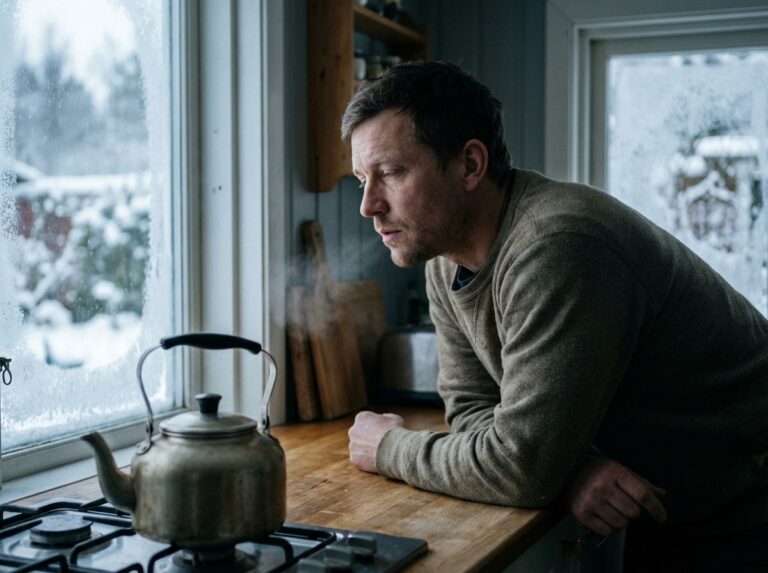
The banister was cold that morning. Sunlight hit the stairwell like a thin ribbon, and I was halfway up when my lungs said, “Nope.” Just a few steps and I was huffing, palms damp, chest a shade too tight. I’d always pictured my heart as a quiet machine—reliable, background. That day it moved to the front row.
I started thinking about early heart warning signs not as medical trivia, but as signals with my name on them. Subtle things I’d brushed off—random fatigue, lightheaded moments when I stood too fast, that small pressure over my breastbone after heavy meals. Individually, they felt like nothing. Together, they felt like a code I needed to crack.
Early heart warning signs, in real life
Shortness of breath doing ordinary things.
A tight, band-like squeeze across the chest that comes and goes.
A spin of dizziness when you stand.
A bone-deep tired that sleep doesn’t fix.
None of these are a diagnosis. They’re a nudge. For me, they were the pattern I could no longer ignore.
Why tiny signals matter

Your heart is a pump. Your vessels are the pipes. Pressure is the force inside those pipes. When the force stays high, the system strains. Over time, that strain shows up as breath that runs out early, workouts that feel heavier, and afternoons that fade into fog. The call isn’t dramatic. It’s consistent. And consistency is what re-builds you, too.
So I flipped the script.
The day-to-day shifts that steadied me
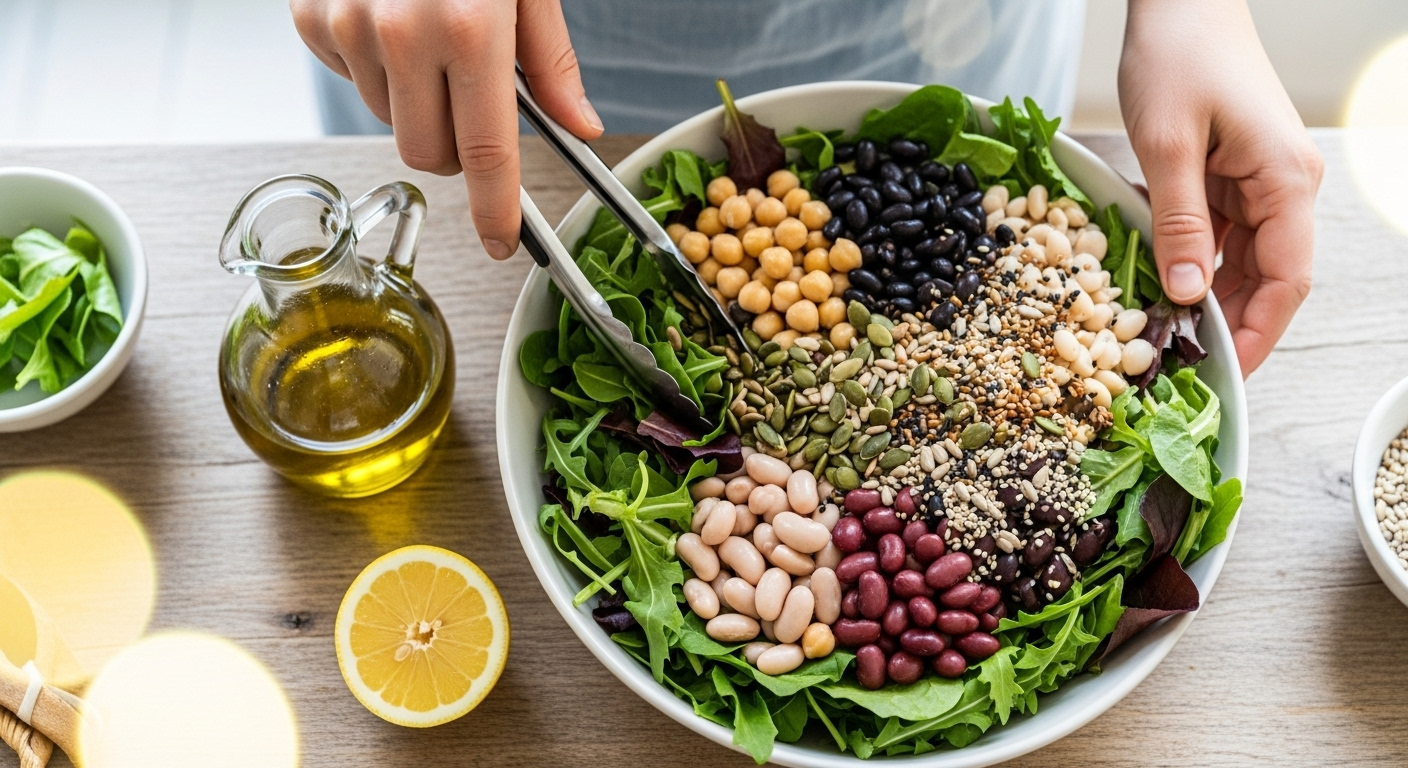
- Food with a pulse. I slid my plate toward Mediterranean-style basics: colorful plants, beans, olive oil, nuts, fish. Less factory, more kitchen.
- Move the needle, daily. I walk hard for 30 minutes, most days. Hills if I can. Stairs when I can’t.
- Sleep like it’s training. Seven hours, minimum. Same window, even on weekends.
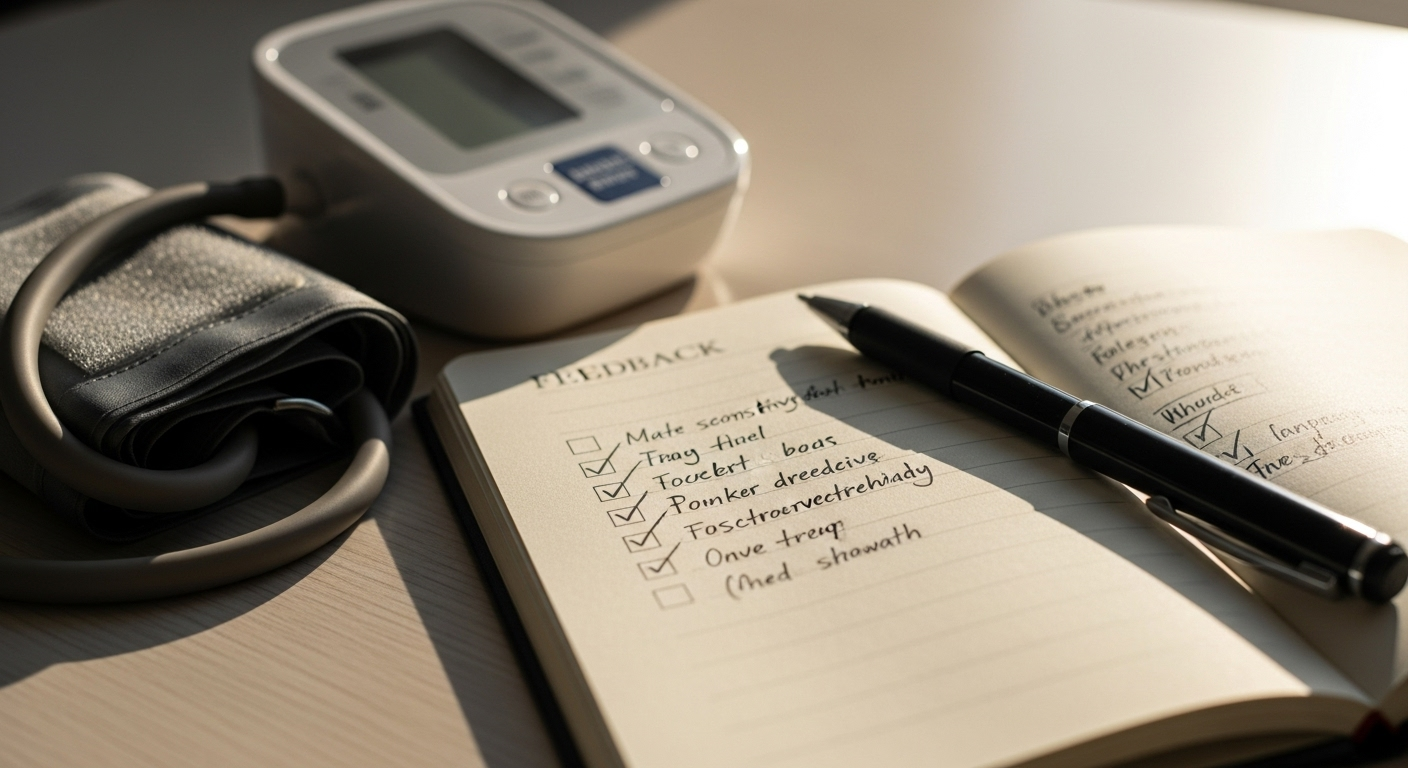
- Make pressure visible. A simple home cuff turned guessing into feedback. Numbers told the truth, and truth became momentum.
- Stress, out through the exhale. Two minutes of slow breathing between meetings. Shoulders drop. Pulse eases. Mind clears.
Early on, I also looked at heart health supplements as supports—not substitutes. After testing a few, I landed on a gentle blood pressure support formula built around plant polyphenols and classic heart-friendly botanicals. I take it with breakfast because that’s a rhythm I keep. Quiet habit, steady gain.
By week two, I noticed the stairs didn’t talk back as much. My hands felt warmer in the morning. Afternoon focus returned like a friend who’d been away.
The simple science that helped me trust the process
- Whole foods with fiber and healthy fats help your vessels stay more flexible. Flexible pipes, smoother flow.
- Regular movement trains your arteries to dilate and your heart to work efficiently. The same path every day gets easier—because your biology adapts.
- Quality sleep tamps down the stress chemistry that pushes pressure up. Think of sleep as the overnight reset on your system.
- Breathing slow nudges your nervous system toward calm. Calm lowers the “push” on those vessel walls.
- Certain botanicals—hawthorn, olive leaf, green tea—are known for vascular support. That’s the lane I chose for my supplement.
The support I kept (and how I use it)
I don’t collect bottles. I keep one I trust and let it earn its place.
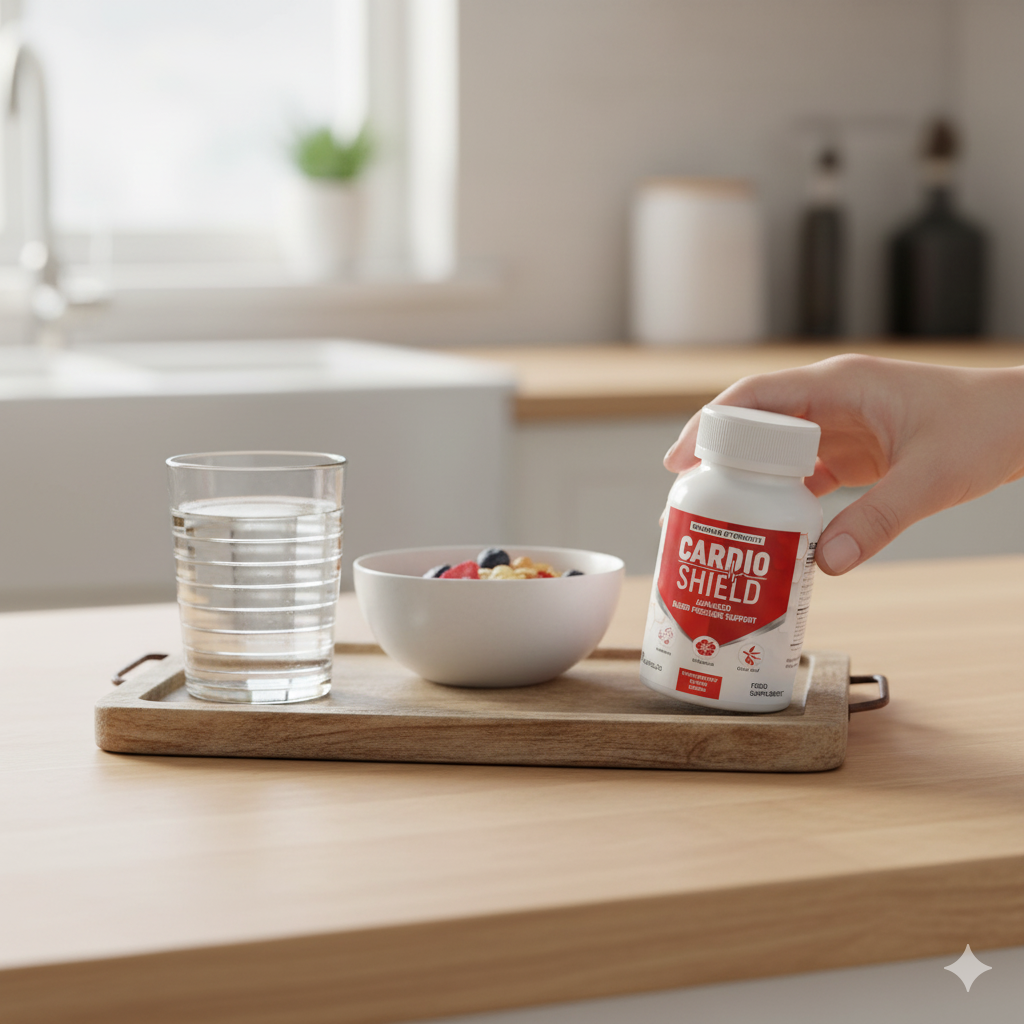
Steadier Mornings, Simpler Pace
A quiet assist you can feel on the stairs and during deep work
Built around plant polyphenols and time-trusted botanicals, Cardio Shield fits a real routine—breakfast, water, done. No hype. Just a small, steady habit alongside food, walks, sleep, and breath that helps your day move smoother.
-
Climb that feels smoother, not rushed
-
Calmer pulse during focus blocks
-
Less morning chill in hands and feet
What I feel with it—micro-wins:
- A steadier climb on stairs and hills.
- Less “rush” sensation after coffee.
- Calmer pulse during deep work.
- Hands and feet less chilly in the morning air.
How it fits my day:
- I take Cardio Shield once in the morning with water, alongside my first meal.
- On heavier training days, I hydrate more and keep salt reasonable.
- I pair it with the same walk route so I can feel progress in one familiar place.
It doesn’t carry the story. It supports it. Habits do the heavy lifting. The supplement keeps the edges smooth.
A plan you can actually live with
- Notice what repeats. Breath, pressure, dizziness—track when they show up. Patterns guide change.
- Make one meal a template. Mine is a big salad with olive oil, beans, seeds, and fish or eggs. Fast to build. Easy to repeat.
- Schedule your 30. If it’s not on the calendar, it’s a wish. Morning works for me; yours might be lunch.
- Guard your wind-down. Lights lower, screens off, quiet music. Your nervous system learns safety by repetition.
- Choose one ally. If a heart health supplement fits, pick one that aligns with your routine and stick with it long enough to notice real shifts.
The loop closes where it began
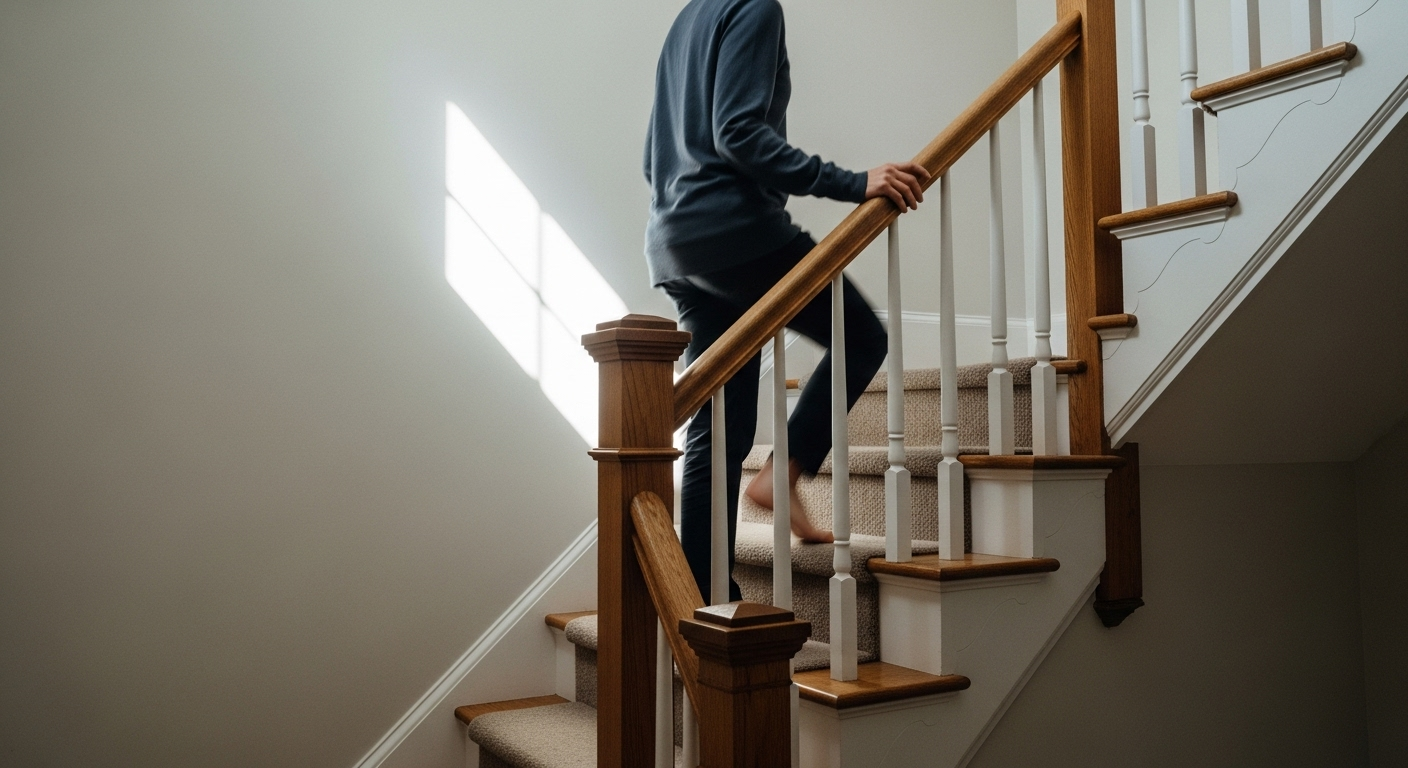
I still take those stairs every morning. Same banister. Same slice of light. Different feeling. Breath moves through without drama. The tightness is rare and brief. The numbers on my cuff trend in the right direction. The wins are small, but they stack.
If you’re sitting with similar symptoms of heart problems—the subtle, nagging kind—start small and start now. Make pressure visible. Feed your vessels. Walk. Protect sleep. And if you want the same quiet assist I used, Cardio Shield has been a steady part of my routine—support, not spotlight.
Here’s to noticing sooner, acting simpler, and feeling stronger. That’s how a wake-up call becomes a new rhythm.
—
Written by Elias Menden — for those who seek resilience.
t
a
k
e
n
i
n
e
t
y
s
e
c
o
n
d
s
e
v
e
r
y
m
o
r
n
i
n
g
t
o
d
o
n
o
t
h
i
n
g
b
u
t
f
e
e
l
m
y
p
u
l
s
e
a
t
m
y
w
r
i
s
t
a
n
d
c
o
u
n
t
.
N
o
t
a
s
a
t
e
s
t
.
A
s
a
c
h
e
c
k
–
i
n
.
I
f
t
h
e
n
u
m
b
e
r
c
l
i
m
b
e
d
o
v
e
r
n
i
g
h
t
w
i
t
h
o
u
t
r
e
a
s
o
n
,
I
l
o
o
k
f
o
r
t
h
e
r
e
a
s
o
n
—
p
o
o
r
s
l
e
e
p
,
a
l
c
o
h
o
l
,
t
h
e
w
r
o
n
g
k
i
n
d
o
f
s
t
r
e
s
s
.
T
h
e
h
e
a
r
t
i
s
a
c
o
n
v
e
r
s
a
t
i
o
n
p
a
r
t
n
e
r
,
n
o
t
a
p
e
r
f
o
r
m
a
n
c
e
m
e
t
r
i
c
.
O
n
c
e
I
s
t
a
r
t
e
d
l
i
s
t
e
n
i
n
g
t
h
a
t
w
a
y
,
i
t
s
t
a
r
t
e
d
a
n
s
w
e
r
i
n
g
.
What the morning actually taught me
The morning my heart tried to tell me something wasn’t dramatic. It was just a little too loud in my chest while I poured coffee. The body tends to whisper first and shout only if we refuse to listen. The warning signs I almost missed weren’t the obvious ones — they were the ones I’d rationalized for months: tired afternoons, short breath on easy stairs, a pulse that lingered long after I’d sat down. The bravest thing I did was stop explaining them away.