Brain fog is one of those symptoms that sounds vague until you are the one living inside it. Reading takes two passes. Names go missing. Work that should take fifteen minutes starts feeling strangely slippery. When people search for the best supplements for brain fog, they are rarely asking for stimulation alone. They are asking for steadier access to themselves.
That is why I prefer a simple shortlist over a maximalist stack. This page is about clarity, routine fit, and trust, not about pretending every distracted week is a medical mystery or every tired morning is solved by caffeine. I want the reader to understand what kind of support each supplement category offers, what evidence is actually relevant, and where one clean product path makes sense.
It also helps to say what this page is not. It is not a diagnosis for memory loss, depression, thyroid problems, or neurological symptoms. If brain fog arrives abruptly, worsens quickly, or shows up alongside weakness, speech trouble, chest symptoms, or severe sleep disruption, a clinician matters more than another bottle. Health-content trust starts with that boundary.
What usually sits underneath everyday brain fog?
Most non-emergency brain fog is not one dramatic failure. It is accumulated drag. Sleep gets thinner. Meals get more chaotic. Stress keeps the nervous system slightly overamped. Attention gets broken into too many fragments. By the time the reader searches for supplements, what they usually want is not a miracle. They want the day to feel less resistant.
I find it useful to explain the energy side of that drag in plain language. The National Institutes of Health notes that mitochondria make most of the energy cells need, and brain tissue is one of the places where energy demand is especially high. That does not prove any supplement treats brain fog, but it does help explain why low sleep, stress, and poor recovery can make thinking feel slower. See NIH on mitochondria and health.

The practical result is that the best supplement plan usually looks boring in the best possible way: steadier energy, calmer inflammation, and fewer spikes and crashes. That is also why this guide links naturally into our focus-support comparison and our focus-and-memory page instead of pretending brain fog sits in its own isolated category.
Which supplement categories are actually worth comparing?
The most useful comparisons usually fall into a few lanes. Omega-3s can make sense when inflammation and low mood keep muddying the day. Magnesium can matter when sleep quality and nervous-system tension seem to be part of the pattern. B-complex support may matter for readers who are depleted, under-eating, or working through obvious nutritional gaps. And some readers simply want a cleaner once-daily formula instead of building a stack from scratch.
- Energy-support blends: best for readers who feel mentally slow and physically underpowered together.
- Sleep-support habits and minerals: best when the fog looks worse after restless nights.
- Inflammation-support basics: best when stress, soreness, and mental drag keep clustering together.
- Nutrition-gap cleanup: best when meals and hydration have been inconsistent for too long.
The National Center for Complementary and Integrative Health also makes a broader point worth preserving here: supplements are not automatically safe just because they are common, and a simpler plan is usually easier to judge honestly than a large stack. See NCCIH on using supplements wisely.

Which brain fog patterns respond best to simple support?
The patterns that respond best are the ones shaped by rhythm more than crisis. The reader gets through the day, but gets through it with too much friction. Mornings take too long to sharpen. Afternoons feel mentally expensive. Sleep is not catastrophic, just unreliable enough to make everything fuzzier the next day. That is the kind of person who often benefits most from a realistic supplement routine because there is room for steadier energy to show up.
By contrast, if the fog arrives with major mood change, rapidly worsening memory, numbness, severe fatigue, or obvious neurological symptoms, the right next step is clinical evaluation. Saying that out loud is part of the E-E-A-T work on a page like this because it distinguishes a practical wellness article from a page that tries to own symptoms it cannot responsibly address.
How do I narrow the list without guessing?
I start by asking what the fog feels like. If it feels inflamed and puffy, omega-3s deserve more attention. If it feels like the brain wakes up late, the once-daily energy-support lane may matter more. If it feels like overwhelm after too little sleep, lifestyle cleanup may outperform any supplement choice for the first week or two.
That sorting step is what helps qualified traffic trust the page. The goal is not to impress the reader with the longest ingredient glossary. The goal is to help them choose the smallest intervention that still matches the real problem.
Readers who want a more symptom-specific follow-up can also branch into our brain fog and heart-health explainer or our vegan brain-health guide. Those internal paths matter because the fog query often leads into more specific sub-patterns.
What should I measure when testing a brain fog supplement?
I like simple measures more than elaborate scoring systems. How long did it take to feel fully online this morning? How often did you lose the thread of a conversation? Did reading feel easier by late afternoon or harder? Those are the details that tell the truth. A supplement earns its place when it changes lived friction, not when it simply sounds sophisticated on the label.
This is also where consistency matters more than intensity. A once-daily product that the reader actually takes for a few weeks is more useful than a high-concept stack that collapses by day four. Simplicity improves honesty, and honesty is what lets readers decide whether the support is worth keeping.
I also tell readers to watch for subtler gains that matter in real life: fewer false starts before focused work, less rereading, smoother word recall, and fewer moments where the mind feels present but not fully connected. Those are boring signals, but they are the ones that usually mean the routine is getting better instead of just feeling more stimulating.

Where does Neuro-Thrive fit best?
Neuro-Thrive fits the reader who wants one calm daily anchor instead of a noisy multi-product experiment. It works best for the person who is functioning, but functioning with drag: too many almost-clear mornings, too many afternoons where reading feels heavier than it should, and too much dependence on stimulation to get basic work started.
I like that framing because it is honest. The page keeps the broader comparison alive while still offering one revenue path that matches the search intent. The recommendation becomes a next step, not the whole argument.
That honesty is the reason I prefer one product card instead of a page full of aggressive prompts. If the person needs richer medical evaluation, the article should make room for that. If the person simply wants a cleaner daily support option, the recommendation should feel calm and proportionate to the problem they are trying to solve.
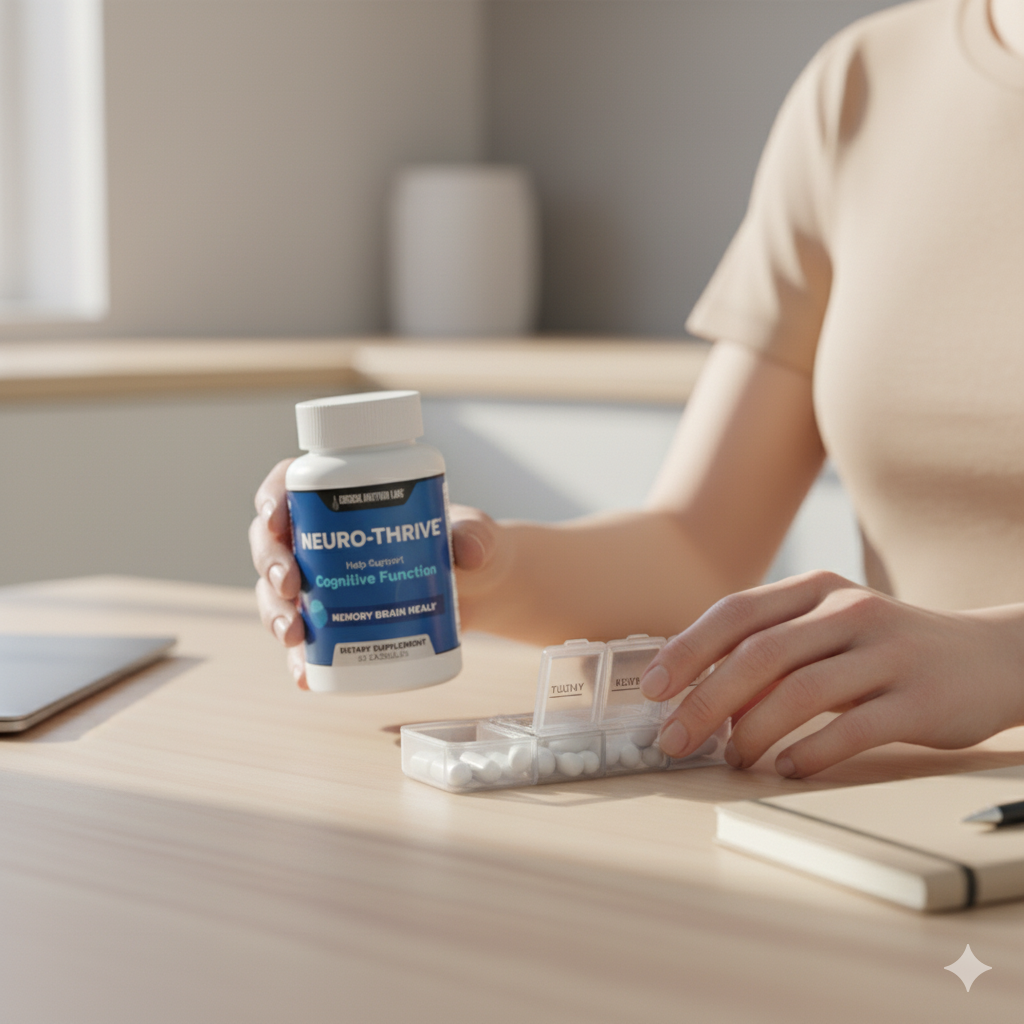
One product card is enough here too. If the article has done its job, the reader can make a decision without being asked six different times.
What else helps brain fog more than people expect?
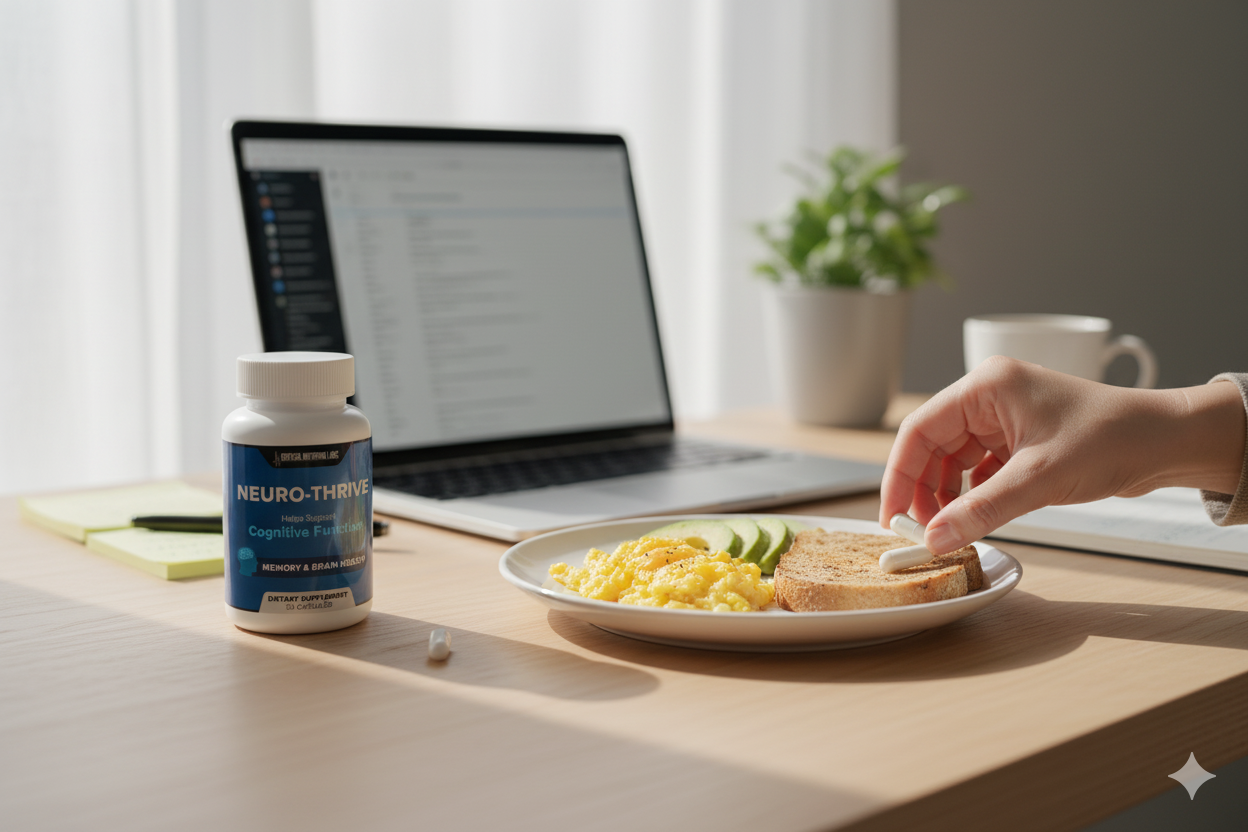
Light in the morning. Enough water before the second coffee. A breakfast with actual protein. Fewer late-night scrolling loops. Those changes do not look as exciting as a nootropic ad, but they are usually the reason a supplement can be judged fairly in the first place. Without them, even a decent product gets asked to compensate for a routine that keeps pulling in the other direction.
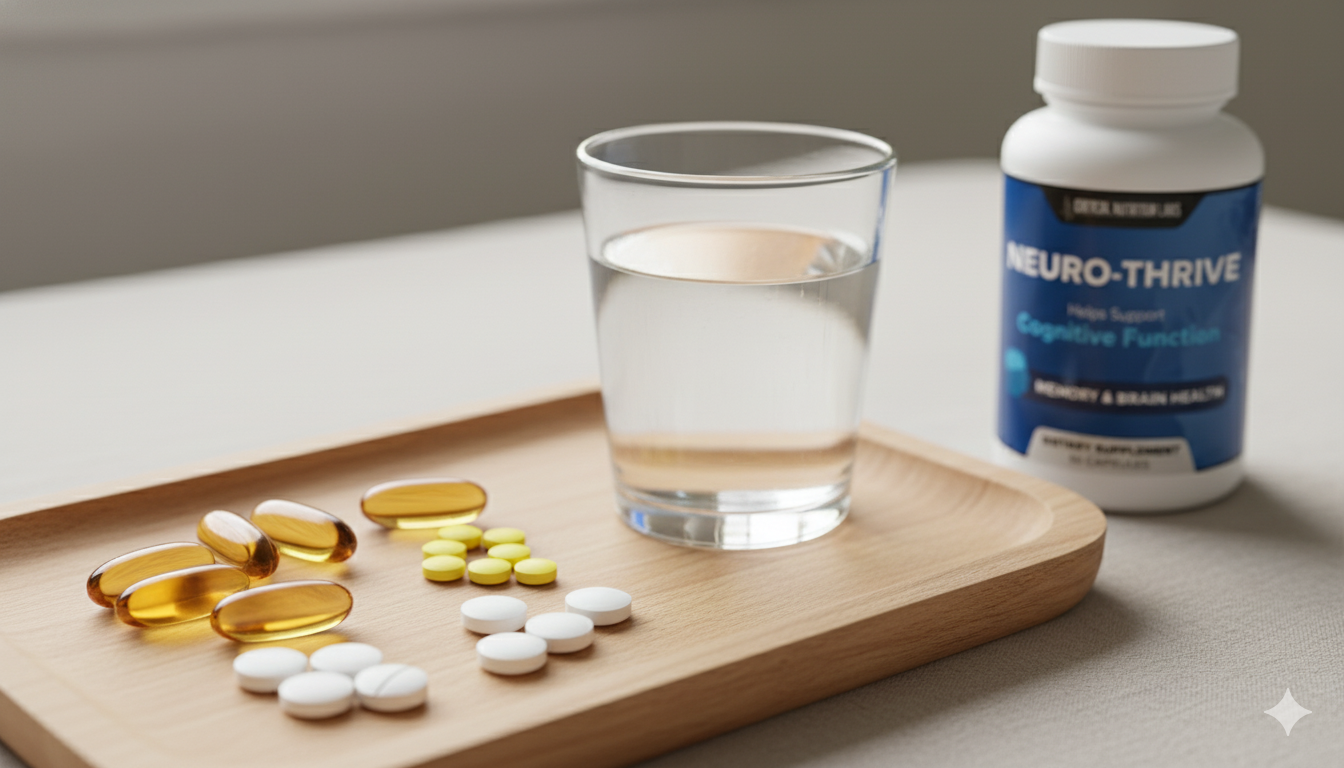
The page is stronger now because it says that plainly, adds visible authorship, expands the question-led sections, and ties the recommendation to a realistic support pattern instead of to marketing theatrics. That is the kind of refresh that improves both search quality and reader trust.
If the reader leaves with one clear idea, it should be that brain fog support works best when the routine gets simpler, not busier. That is the kind of message that helps qualified traffic trust the site, use the internal links, and choose the one next step that actually fits instead of reacting to the loudest promise on the page.
That calmer framing is also what makes the page more useful over time, because it helps readers build a repeatable clarity routine instead of chasing a fresh brain-fog fix every few weeks.
Written by Elias Menden for readers who want clearer thinking without turning the routine into a chemistry project.