You already know something’s off. You’ve known for a while.
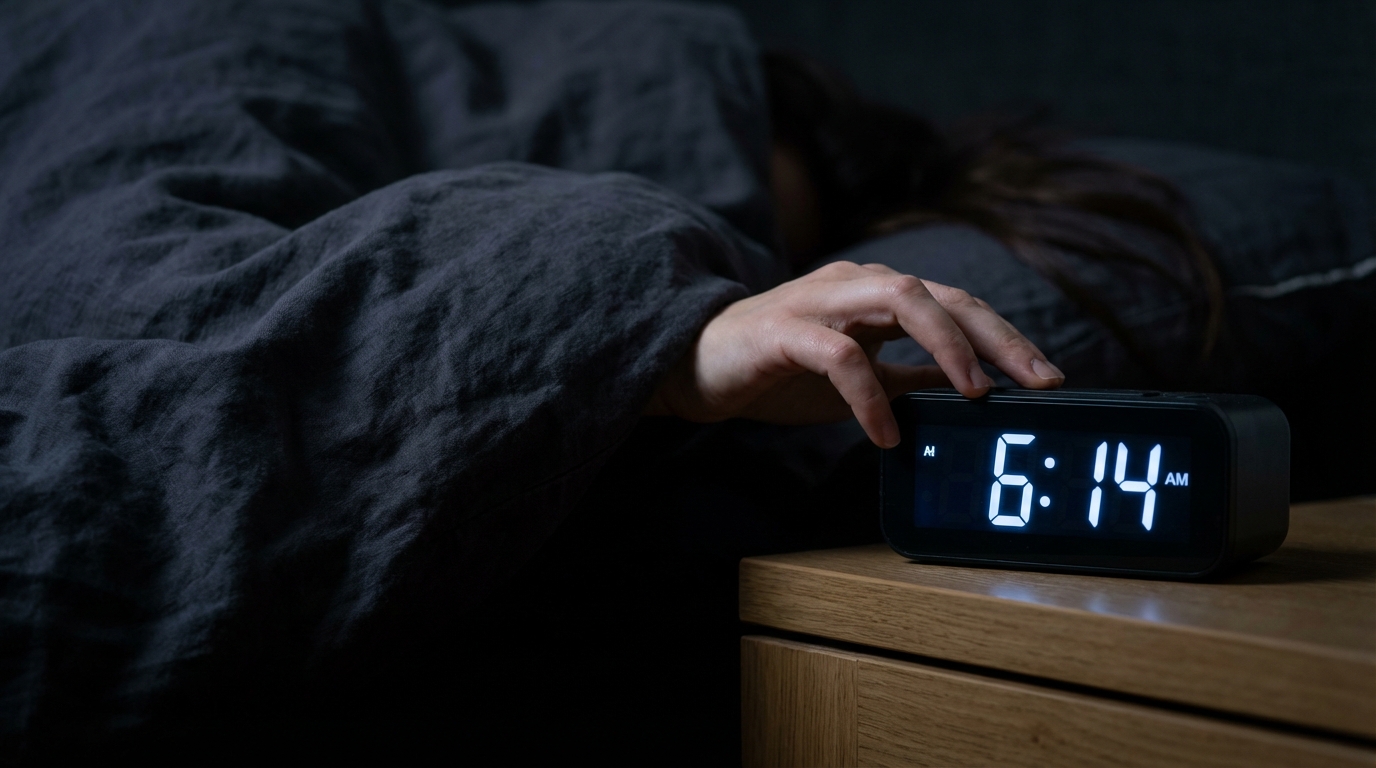
Maybe it started with the exhaustion — not the kind that makes sense after a long day, but the kind that’s already waiting when you open your eyes. The kind where eight hours of sleep feels like two, and your alarm goes off and your first conscious thought is: I can’t do this again today.
Or maybe it was the weight. Five pounds that showed up with no explanation and refused to leave, like an uninvited guest who moved into your midsection and unpacked. You didn’t change how you eat. You didn’t stop moving. But your jeans tell a different story now, and the story doesn’t make sense.
Or maybe — and this is the one that really got me — it was the moment you snapped at someone you love over absolutely nothing, felt the heat of it in your chest, and ten seconds later couldn’t explain why it happened. You stood there after, hands slightly shaking, thinking: That wasn’t me. What is happening to me?
If you’re here reading this, something brought you. A search bar. A quiet suspicion. A 3 a.m. spiral wondering if this is just how life feels now.
it’s not in your head. And it’s not just aging.
Your body is trying to tell you something specific — and once I finally learned to hear it, everything changed.
⸻
The Long List of Things I Blamed Instead
For almost a year before I started connecting the dots, I had a tidy excuse for every symptom.
- Work was intense.
- The kids needed more.
- I wasn’t exercising enough.
- I was eating too much sugar.
- I wasn’t sleeping well because of my phone.
- I was just getting older — and older meant harder, right?
The weight gain? Stress eating. The mood that swung from steady to brittle in the space of an afternoon? Just a rough patch. The hair I kept finding on my pillow, more than usual, enough to notice? Seasonal. The skin along my jawline that felt dry and papery, like it belonged to someone ten years older? Probably the weather.

Your Mornings Deserve Better
One capsule. No overhaul. Just the steady shift your body’s been asking for
CitrusBurn was built for the exact metabolic slowdown that shows up when hormones shift in midlife. It doesn’t replace what you’re already doing — it fills the gap underneath. Natural ingredients, one daily capsule, designed for women navigating the phase no one handed them a map for.
-
Supports the metabolism your body used to run on its own
-
Works alongside sleep, food, and movement — not instead of them
-
Built for the specific hormonal shift women feel after forty
I was so good at explaining things away that I almost missed the pattern underneath all of it. Because these weren’t random problems showing up one by one. They were the same message, arriving through different doors.
My hormones were shifting — and I had no idea how to hear what they were trying to say.
What Hormonal Imbalance Actually Feels Like (Not What the Textbooks Say)

Here’s what nobody tells you about signs of hormonal imbalance: they don’t arrive with a label.
They feel like you, just a worse version. A faded version. You wake up already behind. Your patience runs thinner. Your sleep fractures into strange pieces — two hours of deep rest, then a wide-eyed stretch at 3 a.m. where your mind races through things you can’t control. By morning you feel like you’ve run a marathon lying down.
Hormones are chemical signals. Tiny messengers traveling through your blood, telling your cells what to do and when. They manage your energy, your mood, your metabolism, your sleep cycles, your skin turnover, even the way your body holds or releases weight. When they’re balanced, you don’t think about them at all. When they’re not, everything feels slightly tilted — like walking on a floor that’s only a degree off-level, but enough to make your knees ache by evening.
For me, the tilt looked like this:
A body that wouldn’t stabilize. My weight shifted without any real change in how I ate. Up a few pounds, then stubbornly stuck, no matter what I did. This kind of unexplained fluctuation often traces back to estrogen, insulin, or thyroid hormones — the trio that governs how your body stores and burns fuel.
A tiredness that sleep couldn’t fix. Eight hours, nine hours — it didn’t matter. The fatigue sat in my bones, heavy and gray. Cortisol and thyroid hormones are closely tied to how your cells produce energy. When they’re off, rest doesn’t restore you the way it should.
Emotions without clear causes. I wasn’t sad, exactly. I wasn’t anxious in a way I could point to. But my emotional floor felt thinner, like I was standing on ice instead of solid ground. Estrogen and progesterone influence the brain chemicals that keep your mood stable. When those hormones fluctuate, your inner weather changes without warning.
Sleep that shattered easily. Falling asleep was fine. Staying asleep was the problem. I’d wake in the dark, alert and wired, heart doing that strange thudding thing. Cortisol is supposed to dip at night and rise in the morning. When that rhythm inverts — even slightly — your sleep architecture breaks apart.
Hair and skin that told the truth. My brush collected more hair than it used to. My skin felt thinner along my cheeks, drier at the temples. Androgens and estrogen affect hair growth cycles and skin cell renewal. These changes were subtle, but they were consistent — and they were the symptoms that finally made me stop blaming the weather.
⸻
The Grief Nobody Talks About

There’s a particular kind of sorrow that comes with hormonal imbalance, and it doesn’t get enough air. It’s not dramatic grief. It’s the quiet kind — the loss of the version of yourself who could power through a long day and still feel human at dinner. The version who slept through the night without trying. Who didn’t need to think about energy because it was just there.
I grieved that version of myself before I even understood what was happening. I thought she was gone because I’d done something wrong. Not enough discipline. Not enough willpower. Not enough green vegetables.
Relief That Doesn’t Require a Revolution
You don’t need to change everything. You need one thing that actually fits
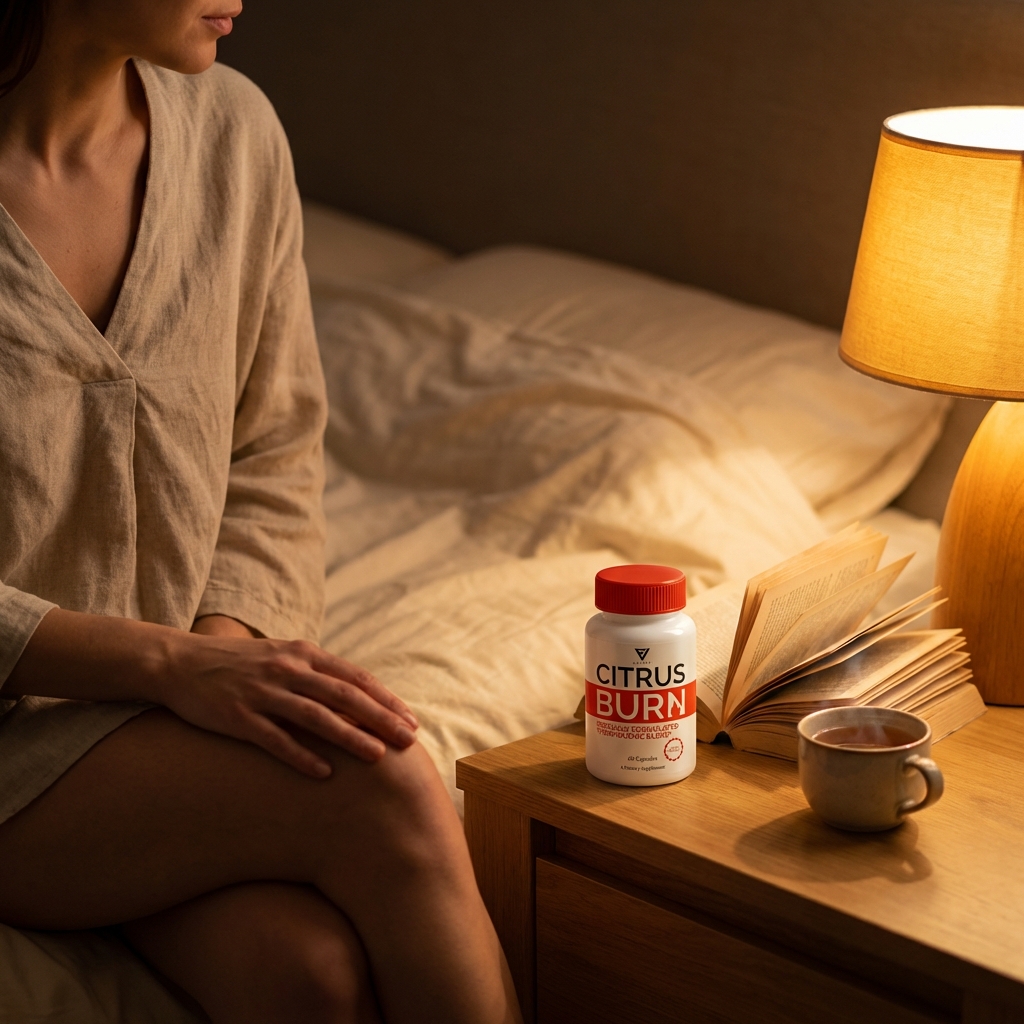
CitrusBurn meets you inside the life you’re already living. One capsule a day, formulated with natural ingredients that target the metabolic slowdown women experience during hormonal shifts. No dramatic overhaul. No complicated routine. Just steady, quiet support for a body that’s been asking for help.
-
Formulated for the hormonal transition women actually go through
-
Fits into the routine you already have — morning or evening
-
Designed to support energy, metabolism, and daily steadiness
But she wasn’t gone because of anything I’d failed to do. She was gone because my internal chemistry had shifted, and nobody had handed me a map for the new terrain.
it moved me from blame to curiosity.
Understanding that changed everything. Not because it fixed anything overnight — but because it moved me from blame to curiosity. And curiosity, it turns out, is the doorway to actually feeling better.
How to Balance Hormones Naturally: The First Things I Actually Did

I didn’t overhaul my life. I couldn’t have — I was too tired for a revolution. What I did was small, almost embarrassingly simple. But the simplicity is what made it stick.
I started paying attention to when things happened. Not just what I felt, but when. The fatigue hit hardest between 2 and 4 p.m. The mood dips came in waves, roughly every two weeks. The insomnia was worst in the days before my period shifted. I bought a small notebook — nothing fancy — and started tracking. Within three weeks, the patterns were impossible to ignore.
My body wasn’t random. It was rhythmic. And the rhythm was off.
I restructured my mornings around light and protein. I’d been starting the day with coffee on an empty stomach and a dark room. I switched to stepping outside for five minutes first — just standing on the porch, letting the early light reach my eyes. Then I ate something with protein and fat before caffeine. These two shifts sound almost too simple to matter. But morning light helps reset your cortisol curve, and protein early in the day stabilizes blood sugar, which keeps insulin from spiking and dragging your energy down with it.
I gave sleep a harder edge. Not just “trying to sleep more” — I made the bedroom cooler, darker, and I stopped eating three hours before bed. I dropped screens an hour before lights out and replaced them with ten minutes of slow breathing. Not meditation, exactly. Just long exhales. The kind that tell your nervous system, quietly but clearly, that nothing is chasing you.
I fed my body the building blocks it had been missing. I leaned into foods rich in omega-3 fatty acids:
- wild salmon
- sardines
- flaxseeds
- walnuts
These fats are raw material for hormone production. I added more cruciferous vegetables:
- broccoli
- cauliflower
- Brussels sprouts
because they support the liver’s ability to process and clear excess estrogen. I brought in magnesium-rich foods like dark leafy greens and pumpkin seeds, because magnesium supports over 300 enzymatic reactions in the body, including the ones that regulate stress hormones and sleep.
And then I added one thing that quietly changed the equation. I’d been skeptical of supplements for a long time — too many promises, too little substance. But after weeks of tracking my own patterns and reading about how metabolism shifts in women after forty, I kept circling back to the same gap: my body wasn’t burning fuel the way it used to, and no amount of broccoli was going to restart that engine on its own.
That’s when I found CitrusBurn — a once-a-day capsule built around the specific metabolic slowdown that happens when your hormones start shifting in midlife. What drew me to it wasn’t a flashy promise. It was the simplicity. One capsule. Natural ingredients. Designed for the exact phase of life I was standing in the middle of.
I didn’t feel anything dramatic the first week. But by week three, something shifted. Not a lightning bolt — more like the heaviness in my afternoons got lighter. Then lighter again. My energy stopped cratering at 2 p.m. I woke up one Saturday and made breakfast before coffee — just because I felt like it. That was the first moment I thought: Okay. Something is actually working.
⸻
What Shifted in the First Thirty Days

I want to be careful here, because I don’t believe in miracle timelines. What I experienced was gradual. It was layered. And it was built on everything working together — the food, the sleep habits, the morning light, the tracking, and CitrusBurn quietly doing its part underneath all of it.
But here’s what I noticed.
The fog lifted. Not all at once — in patches. I’d be in the middle of a conversation and realize I hadn’t lost the thread. I’d finish a paragraph of reading without re-reading it twice. My thoughts felt closer to the surface, easier to reach.
My mood found a floor again. The emotional brittleness softened. I still had hard days, but they didn’t knock me sideways the way they had before. There was a steadiness underneath — not happiness exactly, but stability. Ground beneath my feet.

Thirty Days Changed the Story
Not a lightning bolt. A steady clearing — and then one morning, you just feel like yourself again
The fog lifts in patches. Sleep stops fracturing. The weight stops its strange holding pattern. CitrusBurn supports what your body is already trying to do — restore a metabolism that shifted when your hormones did. One capsule a day, natural ingredients, designed for exactly this.
-
Supports clearer energy and steadier focus through the day
-
Helps ease the metabolic stall that comes with hormonal change
-
One simple addition — no overhaul, no complexity
The weight stopped its strange dance. I wasn’t dropping pounds dramatically, but the puffiness around my midsection eased. My clothes fit the way they had six months earlier. My body felt like it was holding onto less — less water, less tension, less of whatever it had been gripping.
And the sleep — the sleep was the gift I hadn’t expected. Full nights. Unbroken. I’d wake to the alarm instead of to my own racing heart at 2 a.m. That alone changed the texture of my days more than anything else.
The Thing That Surprised Me Most

It wasn’t any single symptom improving. It was how I felt about myself.
For months, I’d been carrying a low hum of failure. Like my body was betraying me and I was supposed to just push through. The exhaustion felt personal. The weight felt like a character flaw. The brain fog felt like I was losing something I’d never get back.
When I started to understand that hormonal imbalance symptoms aren’t failures — they’re signals — the shame loosened its grip. My body wasn’t broken. It was asking for help in the only language it had.
And when I finally answered — with rhythm, with nutrients, with rest, and with CitrusBurn supporting what my body was already trying to do — things steadied. Not with fireworks. With something better.
With steadiness.
The kind where you wake up and your first thought isn’t why am I so tired. The kind where you stand in your kitchen on a Tuesday morning, glass in hand, and know exactly why you’re there.
If you’re in the middle of that fog right now — the unexplained weight, the fractured sleep, the moods that swing without warning — I want you to know something. You’re not failing. Your body is talking. And sometimes, one simple daily thing is all it takes to start hearing it clearly again.
Written by Liora Menden — for those who are ready to stop explaining it away and start listening instead.
Related reading
- The Perimenopause Symptoms Guide I Needed When My Body Started Speaking a Language I Didn’t Understand
- When Your Energy Doesn’t Match Your Effort: Understanding Hormonal Imbalance Fatigue
- The Cellular Key That Unlocked My Hormonal Balance
- Fatty Acids and Hormonal Energy: What the Research Reveals (and the One Thing That Finally Made It Feel Real)