I used to wake up at 3:17 a.m. almost every night. Not gradually. Not peacefully. Like someone had pulled a fire alarm inside my chest.
I’d lie there in the dark, heart racing, skin damp, wondering if this was just my life now—this strange, wired exhaustion that made no sense. I wasn’t stressed. I was eating well. I was trying. And yet my body kept acting like it was running from something I couldn’t see.

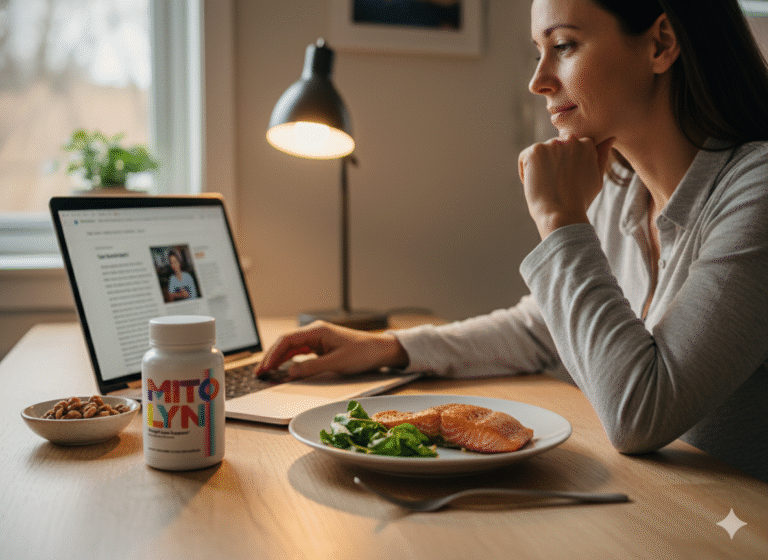
That’s when I started researching fatty acids for hormone balance—because everyone kept saying that’s where hormone support begins. So I did it. I swapped my oils. I ate more salmon. I added walnuts and flax like they were medicine.
And it helped. I won’t lie about that. But it didn’t touch the part that was stealing my life: the internal alarm system that wouldn’t shut off.
Like someone had pulled a fire alarm inside my chest.
Short answer: fatty acids can support cell membranes and steady daily nutrition, but they do not explain every hot flash, night sweat, or 3 a.m. adrenaline spike. If symptoms come with chest pain, heavy bleeding, fainting, or a sudden mental-health shift, that is a medical conversation, not a supplement problem.
| If nights feel like | Best first anchor | Where fatty acids fit |
|---|---|---|
| Restless but manageable | Sleep timing and evening routine cleanup | Healthy fats support the base, but timing and recovery often drive the symptom pattern. |
| Heat surges and racing heart | Track symptom timing and discuss red flags | Hormone shifts may need a wider review than a food change alone. |
| Daily chaos plus poor recovery | Build a calmer menopause plan | Fatty acids belong inside a bigger pattern, not as the whole answer. |
What “Fatty Acids for Hormone Balance” Actually Means (and Why It’s Not Enough)

Here’s what I learned about fatty acids that nobody really explains clearly: Your hormones don’t just exist in your bloodstream. They have to get into your cells to do anything useful. And the outer layer of every cell—the membrane—is made of fats.
When those membranes are flexible and strong, signals get through cleanly. Your body communicates better with itself. That’s why fatty acids for hormone balance became such a common phrase. It’s pointing at something real: when your cells are supported, your hormonal messages land more clearly.
During menopause—when estrogen and progesterone are swinging wildly—that clearer communication can mean less chaos. So yes, I felt steadier after I prioritized healthy fats.
But I was still waking up at 3 a.m. Still getting hit with waves of heat in the middle of a normal conversation. Still feeling like I was one minor inconvenience away from tears.
Because here’s what no one told me: Even the strongest cell foundation can’t calm a nervous system that’s stuck in emergency mode. And menopause has a sneaky way of making emergency mode your new default.
The Part of Menopause No One Warns You About

Menopause doesn’t feel like “getting older.” It feels like losing the plot of your own body. You used to know how you’d respond to things. You used to sleep when you were tired. You used to have patience, clarity, a sense of your own rhythm.
Then suddenly:
- You’re exhausted but can’t settle.
- You’re calm but your body acts wired.
- You’re rational but your mood has its own agenda.
I started to feel like I was failing at something I used to do without thinking. I tried all the right things—cut caffeine, walked daily, went to bed early. I did the work. And still, my system kept ringing the alarm.
That low-level inner tension became the soundtrack of my day. Like my body was always bracing for impact, even when nothing was happening.
It feels like losing the plot of your own body.
The Cortisol Piece Nobody Mentions When They Talk About Menopause
Here’s what changed everything for me: You can nail the nutrition and still feel miserable if your stress chemistry is constantly firing.
Menopause isn’t just estrogen and progesterone declining. It’s also about how your body manages cortisol—your primary stress hormone. And when cortisol is erratic or chronically elevated, it shows up as:
- Sleep that’s too light to restore you.
- A body that heats up faster.
- Emotions that feel closer to the surface.
- A mind that won’t stop spinning when you need it to rest.