The first sign wasn’t dramatic. It was Tuesday morning, and I stood in my kitchen holding a coffee mug, realizing I’d been standing there for three full minutes without moving. Not thinking deeply about anything. Not deciding anything. Just standing. The kind of pause that used to last ten seconds now stretched into these long, empty moments where my body needed permission to start.
I told myself it was a busy season. Work stress. Bad sleep the night before. But over the following weeks, I started noticing the pattern wasn’t breaking. The morning hesitation. The way my workout recovery stretched from overnight to two days. How my belt seemed to find new notches despite eating the same foods and moving the same amount. All these changes arriving quietly, without announcement, like house guests who forgot to mention they were staying.
What I didn’t realize then was that these weren’t separate issues requiring separate solutions. They were all symptoms of the same underlying shift—one that happens to virtually every man after 35, yet somehow remains the thing we’re least equipped to recognize or address.
The Mathematics of Metabolic Decline

After 35, testosterone production drops by roughly 1% per year. Not the dramatic cliff-fall that marketing campaigns would have you believe, but a steady, measurable decline that compounds over time. What makes this particularly insidious is how it affects everything metabolically—muscle maintenance, fat distribution, energy production, recovery mechanisms, even cognitive clarity—while feeling like nothing specific enough to pinpoint.
Your body becomes less efficient at using the fuel you give it. Calories that once automatically converted to energy start getting stored as fat, particularly around the midsection.
Muscle tissue that used to maintain itself with minimal effort begins requiring more protein, more stimulus, more recovery time. The metabolic flexibility you took for granted—the ability to skip meals, train hard, stay up late, and bounce back—starts demanding more careful management. This isn’t aging in the sense of inevitable decay. It’s a hormonal recalibration that requires a metabolic response.
Ready to support your metabolic foundation instead of fighting symptoms?
Why Traditional Approaches Miss the Mark

Most men approach declining energy and changing body composition with the same tools they’ve always used: more exercise, stricter dieting, better sleep hygiene, stress management. These aren’t wrong, exactly, but they’re addressing symptoms rather than the metabolic foundation that’s shifting underneath everything else. You can optimize your workout routine, dial in your macros, and get eight hours of sleep every night, but if your metabolic efficiency is declining, you’re essentially working harder to maintain what used to happen automatically.
It’s like trying to heat a house with better insulation while the furnace is slowly losing capacity. The improvements help, but they’re not addressing the core issue.
What compounds the problem is that metabolic decline happens gradually enough that you adapt without realizing it. You start accepting lower energy as normal. You rationalize the way your body composition changes despite consistent habits. You adjust your expectations downward instead of addressing what’s actually causing the change.
The solution isn’t working harder within the same framework. It’s supporting the metabolic processes that are naturally declining, creating the internal environment where energy production, muscle maintenance, and hormonal balance can function optimally again.
Stop accepting energy decline as inevitable aging process.
The Compound Effect of Metabolic Support

Real metabolic support works from the inside out, targeting the cellular mechanisms that produce energy and maintain lean tissue. When your metabolism functions efficiently, everything else becomes easier. Recovery happens faster. Energy feels more stable. Body composition responds to your efforts instead of resisting them. The morning hesitation disappears because your body has the fuel it needs to start moving immediately.
This is where I discovered something that changed how I think about addressing metabolic decline. Rather than trying to force my body to perform like it did at 25, I started supporting the metabolic processes that naturally want to function optimally.
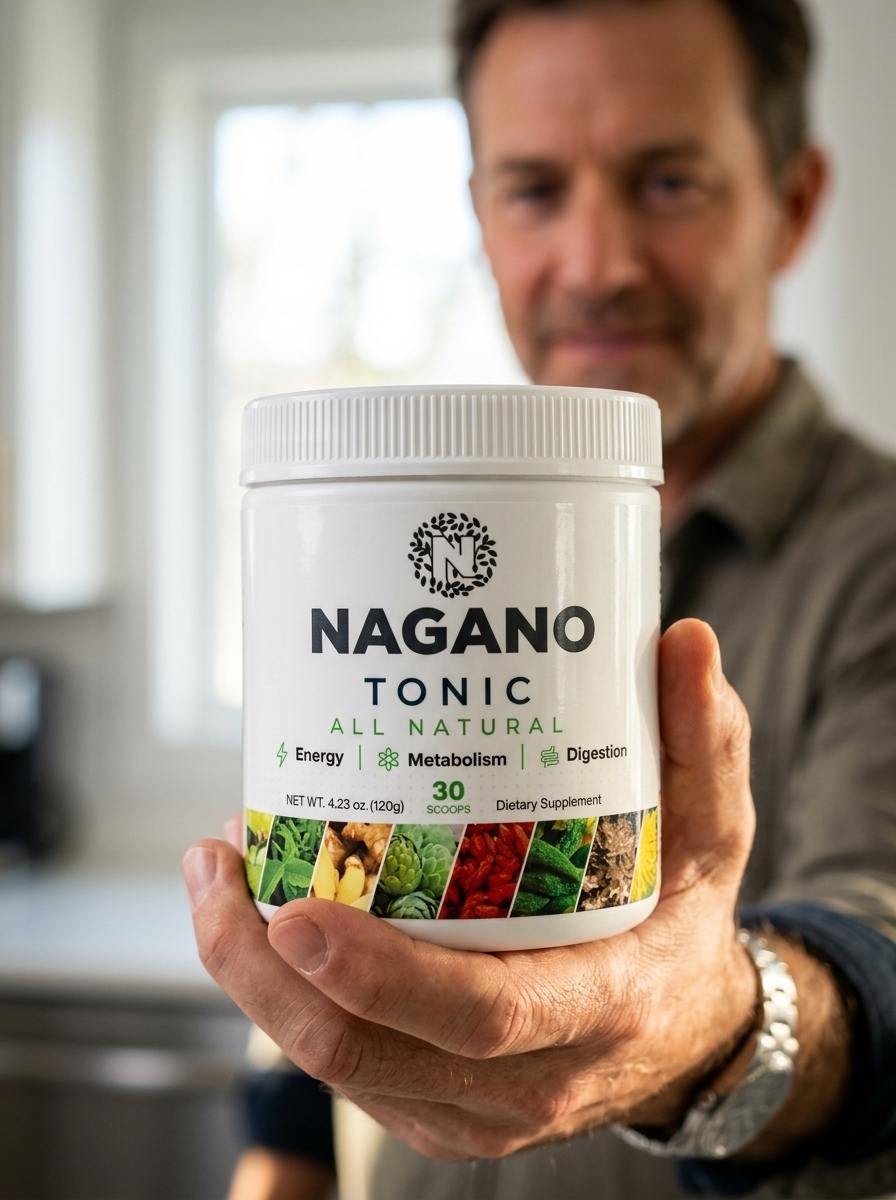
Nagano Tonic became the foundation of this approach—not as a quick fix, but as comprehensive metabolic support that addresses the cellular level where energy production actually happens. What impressed me about Nagano Tonic wasn’t any single dramatic change, but how it seemed to restore the metabolic flexibility I’d gradually lost.
The way my body started using food more efficiently. How my energy became more consistent throughout the day instead of requiring constant management. The feeling that my metabolism was working with me again instead of against me.
Experience what steady energy throughout the day feels like.
When the Shift Becomes Noticeable

The first change I noticed wasn’t more energy—it was steadier energy. Instead of the peaks and valleys that had become my normal pattern, I found myself maintaining consistent focus and motivation throughout the day. The afternoon slump that used to require a second coffee or a walk around the block simply wasn’t happening anymore.
Recovery started improving next. Workouts that used to leave me sore for two days began feeling manageable by the next morning.
Not because I was training less intensely, but because my body was processing the stress and adapting more efficiently. The cellular repair mechanisms that had been sluggish started functioning at the speed I remembered from years earlier. Then came the body composition changes.
Without adjusting my diet or exercise routine, I started noticing my clothes fitting differently. The stubborn midsection fat that had seemed immune to effort began responding. Muscle definition that had been gradually softening started becoming visible again. These weren’t dramatic transformations, but steady, sustainable improvements that felt like my body was finally working properly again.
Restore Your Metabolic Edge
Support the cellular processes that naturally decline after 35.
Nagano Tonic targets the metabolic foundation where energy production happens. When your metabolism functions efficiently, everything else becomes easier—recovery speeds up, energy stabilizes, and your body responds to effort instead of resisting it. This isn’t about forcing performance; it’s about supporting the processes that want to work optimally.
- ✓ Steady energy without afternoon crashes
- ✓ Faster recovery from workouts and stress
- ✓ Natural body composition improvements
The Morning Test

The most reliable indicator of metabolic health is how you feel in the first hour after waking. Not after coffee, not after a shower and some movement, but in those initial minutes when your body transitions from sleep to consciousness.
This is when your metabolic machinery has to switch from overnight repair mode to active energy production, and it reveals how efficiently your systems are functioning. When metabolism is working optimally, you wake up with available energy. Your mind feels clear within minutes. Your body wants to move.
There’s no extended warm-up period or dependence on external stimulants to feel functional. This might sound like a luxury or something only young people experience, but it’s actually the normal state of a well-supported metabolism at any age.
What changed for me was realizing that the gradual decline in morning energy wasn’t something to accept as inevitable, but a clear signal that my metabolic foundation needed support. Nagano Tonic didn’t just improve how I felt during workouts or in the afternoon—it restored that natural morning readiness that I’d forgotten was supposed to be normal.
Join men who recognized the shift and responded effectively.
The Ripple Effect of Metabolic Optimization

When your metabolism functions efficiently, the improvements extend far beyond energy levels. Sleep becomes more restorative because your body can complete its overnight repair processes properly. Cognitive function improves because your brain has steady fuel instead of fluctuating glucose levels. Mood stabilizes because the hormonal cascades that depend on metabolic health start functioning in balance. Even social and professional interactions improve when you’re not managing energy throughout the day.
Conversations feel easier. Decision-making requires less effort. The constant background calculation of how much energy you have for various tasks becomes unnecessary because you have reliable access to what you need.
This is the compound benefit of addressing metabolic health directly rather than trying to manage its symptoms individually. Instead of optimizing sleep to compensate for low energy, improving diet to fight fat storage, and increasing exercise to maintain muscle, you create the internal environment where all these processes function naturally and efficiently.
Transform morning hesitation into natural readiness to begin.
Recognition and Response

The shift after 35 isn’t something that happens to some men and not others—it’s a universal biological transition that affects everyone differently based on how they respond to it. The men who thrive through this period aren’t necessarily the ones with better genetics or easier lives. They’re the ones who recognize what’s happening early and provide their bodies with the metabolic support needed to adapt successfully.
What I wish I had understood earlier is that this transition is actually an opportunity. When you address metabolic decline proactively, you often end up with better energy, body composition, and overall health than you had in your thirties.
Not because you’re fighting against aging, but because you’re supporting your body’s natural processes more effectively than you ever did when everything seemed automatic.
The difference between men who struggle with this transition and those who navigate it successfully isn’t willpower, genetics, or luck. It’s recognition and response. Recognizing that the gradual changes in energy, recovery, and body composition aren’t character flaws or inevitable decline, but signals pointing toward a specific solution. And responding with targeted metabolic support rather than trying harder with approaches that are no longer sufficient.
Standing in my kitchen now, coffee mug in hand, there’s no hesitation. No extended warm-up period. No mental calculation of available energy for the day ahead. Just the simple readiness to begin that used to be automatic, became rare, and is automatic again. This is what metabolic support actually looks like—not dramatic transformation, but the quiet restoration of how things are supposed to work.
Written by Elias Menden — for those who seek clarity
Support the cellular processes where real energy production happens.