Mid-afternoon used to feel like wading through wet sand.
My eyes would blur over the same sentence on the screen. My shoulders would creep up toward my ears. My brain felt packed with cotton, but my heart was still racing from yet another coffee.
Nothing was “wrong” enough to cancel my day. But something was off.
Over time I started to see a pattern: on the days when my energy crashed, my joints ached more, my skin looked dull, and my mood slid sideways. It was like my body was whispering, “I can’t keep up with the cleanup in here.”
That’s often how it starts when your cells need a deeper detox—not a harsh cleanse, but steady support for the systems that clear waste and keep energy flowing.
The quiet signs your cells need detoxing

Your body has its own language. It speaks in sensations long before it shouts in symptoms.
Some of the most common signs your cells may be struggling to keep up with daily toxins and waste include:
- Persistent fatigue that isn’t fixed by one good night of sleep
- Brain fog that makes simple tasks feel like mental heavy lifting
- Stiff or inflamed joints that complain when you stand up or climb stairs
- Sluggish digestion—bloating, constipation, or that “brick in the gut” feeling
- Dull skin, random breakouts, or puffiness that comes and goes
- Mood dips or irritability that don’t match what’s happening in your day
Any one of these on its own can have many causes. But when several arrive together—and linger—your detox systems may be saying, “I’m a bit overloaded.”
Your cells are constantly taking in nutrients, making energy, and pushing out waste. When that waste removal slows down, you feel it as heaviness, fog, and drag.
What’s actually happening when detox slows down
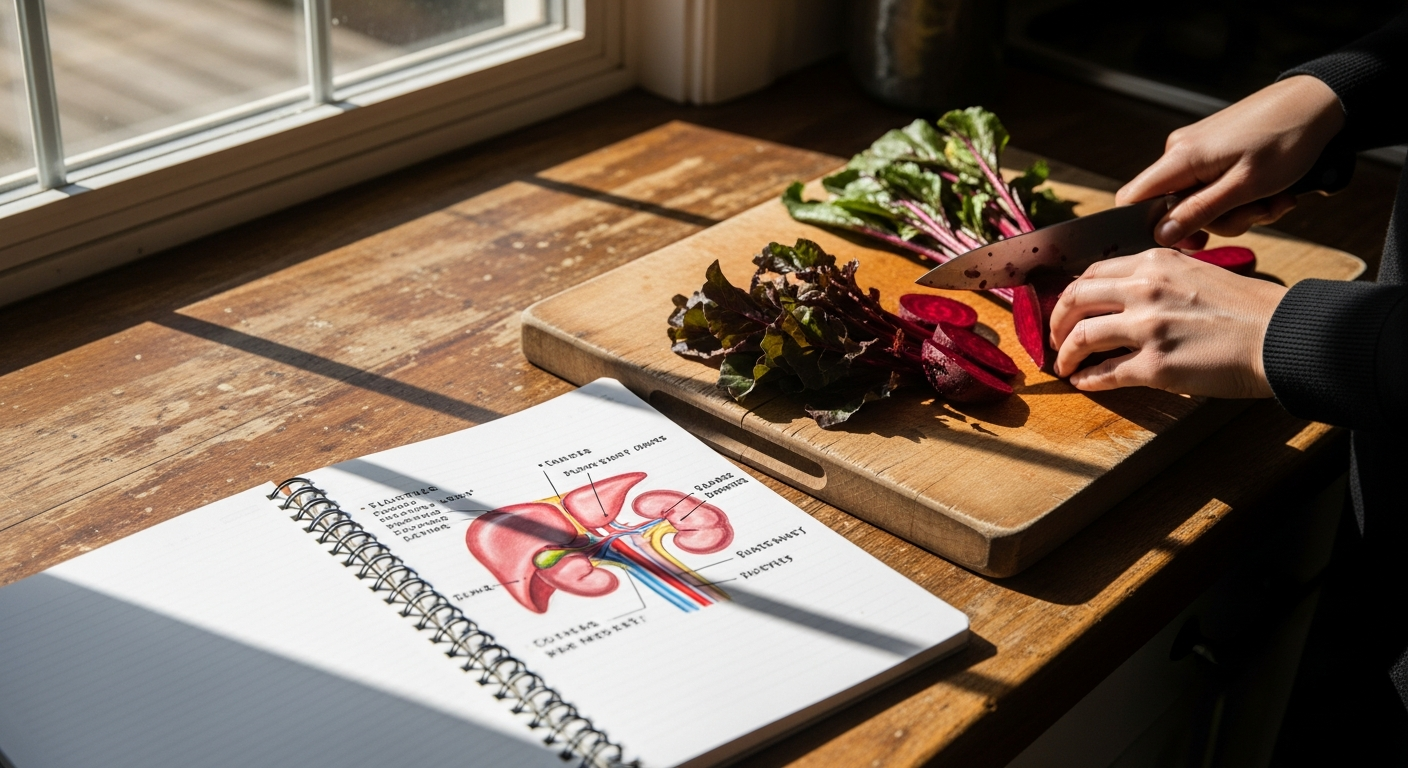
Despite what flashy “cleanse” ads say, your body already has a sophisticated detox network.
- Your liver filters and transforms many substances so they can be safely removed.
- Your kidneys filter your blood and send water-soluble waste out through urine.
- Your gut, lungs, and skin help move out what your body doesn’t need through stool, breath, and a little bit through sweat.
When these organs are healthy and have enough energy and nutrients, they quietly do their job in the background.
But if you’re:
- under chronic stress
- sleeping poorly
- exposed to more chemicals (from air, plastics, ultra-processed foods, alcohol, etc.)
- under-nourished (lots of calories, not many nutrients)
…then the “cleanup crew” can get overwhelmed. Waste builds up faster than it can be processed. You feel slower, heavier, more inflamed. Over time, nutrient absorption and energy production can take a hit too.
That’s when the subtle signs start to cluster: foggier thinking, tighter hips and knees, more bloating after the same meals that used to feel fine.
The link between mitochondria, detox, and how you feel
Here’s the part most people never hear:
Your detox organs can only work as hard as your mitochondria allow.
Mitochondria are the tiny power plants inside almost every cell. They turn oxygen and the food you eat into ATP, the form of energy your body actually uses.
When your mitochondria are under-fueled or stressed, your cells make less energy. And when there’s less energy to go around, “non-urgent” jobs—like deep repair and efficient detox—often get down-regulated. You stay alive and functioning, but you don’t feel like your best self.
That’s why, instead of going for another extreme cleanse, I started asking a different question:
What if I support my mitochondria first, so my detox system has the energy it needs?
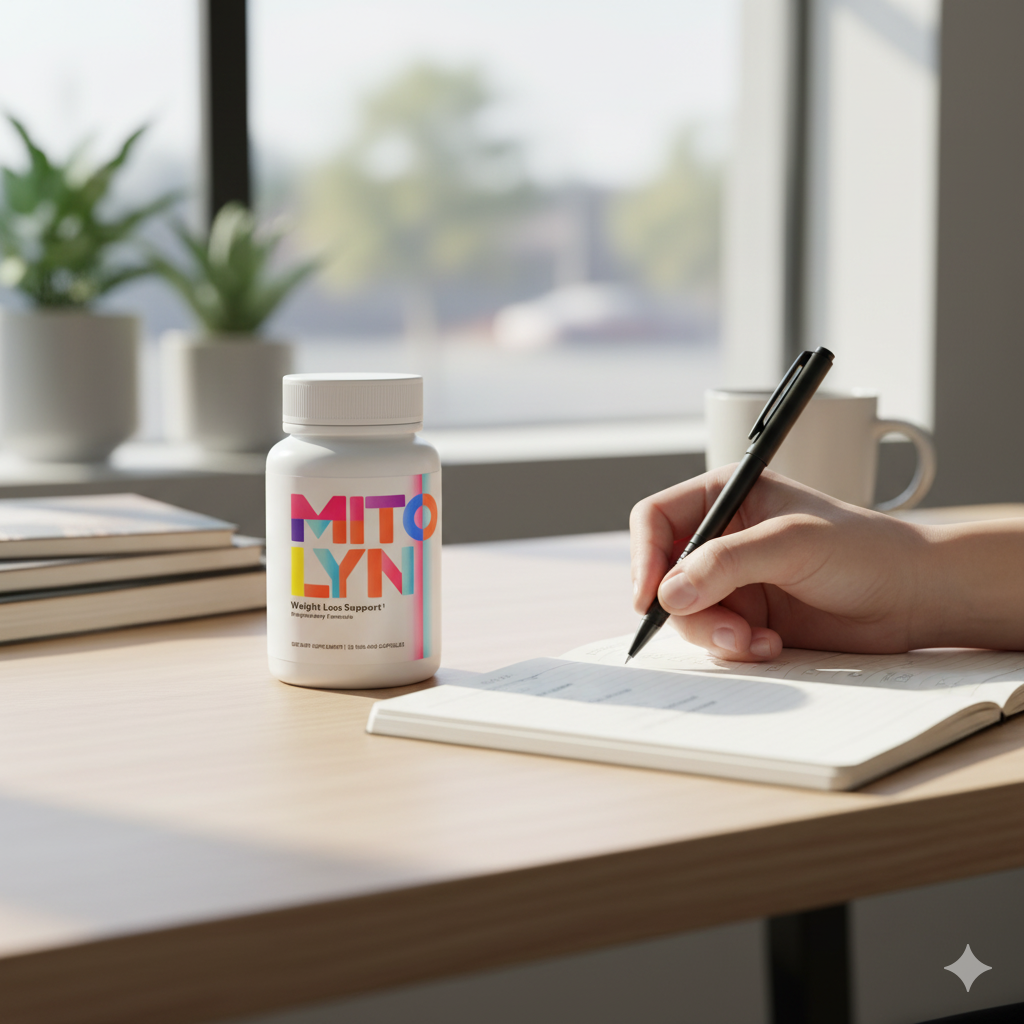
Charge Up Cellular Cleanup
Mitolyn is built to feed your cells’ tiny power plants so cleanup doesn’t fall behind
Mitolyn is a once-a-day capsule made to support your mitochondria, the engines behind your energy and detox work. Plant-based nutrients help your cells feel more ready for the day. Take it with breakfast and give your body a clear, simple message: we’re powering up, not just pushing through.
-
Lighter afternoons instead of dragging through tasks
-
More “I can do this” moments in your joints and muscles
-
A calmer, steadier pace to your whole day
That’s where a mitochondria-supporting supplement called Mitolyn came into my routine. It’s a simple once-a-day capsule built around plant nutrients—like maqui berry, rhodiola, amla, cacao, and schisandra—that are being studied for their effects on mitochondrial function and cellular energy.(Mitolyn)
I didn’t treat it as magic. I treated it as extra backup for the “power grid” inside my cells, while I worked on sleep, food, and movement.
By week two, I noticed the first shift

I remember one specific Tuesday. Same desk. Same blue-white glow of the laptop. Same long to-do list.
But something was different.
By week two of stacking better habits with Mitolyn in the mornings, the 3 p.m. crash wasn’t as sharp. I still felt ready for a stretch, maybe some fresh air—but I wasn’t desperate for sugar or caffeine just to stay upright.
The changes were small but real:
- My brain felt clearer; I could finish a thought without losing it halfway.
- My joint stiffness eased enough that standing up from my chair didn’t make me wince.
- My digestion smoothed out; less random bloating after simple meals.
- My mood leveled; the swings from “wired” to “wiped” started to soften.
Was it only the supplement? Of course not. I was also:
- drinking more water
- walking after lunch
- turning off screens a bit earlier at night
But Mitolyn slotted in like a daily signal to my cells: “Here’s some support. Keep the energy flowing.”
Taken with water after breakfast, it became part of a gentle rhythm—not another intense “detox challenge,” just consistent mitochondrial support to help my natural detox systems do their job.(Mitolyn)
Gentle daily habits that support cellular detox

You don’t need a harsh reboot. You need a kinder routine.
Here are simple practices that make it easier for your cells to clear what they’re done with:
Hydrate like it actually matters
Your kidneys rely on adequate water to filter waste and send it out of the body.
- Keep a bottle within reach.
- Aim for steady sips through the day, not chugging at night.
- Add a squeeze of lemon or a pinch of minerals if you like the taste.
Move enough to get your blood flowing
Regular movement boosts circulation and can enhance how your body processes and eliminates some chemical mixtures.
- A ten-minute walk after meals
- Light strength work a few times a week
- Stretching while you wait for the kettle to boil
You don’t have to “sweat out toxins” in a punishing workout—most detox work still happens in the liver and kidneys—but movement does help the whole system run more efficiently.
Feed your liver colorful fuel
Deeply colored fruits and vegetables bring antioxidants and fiber that help your detox organs handle daily stress.
- Think berries, leafy greens, beets, citrus, cruciferous veggies
- Include at least one color at every meal
- Add enough protein so you stay full and your body can repair tissues
Lighten the incoming load
Give your cells a break from constant incoming “noise”:
- Swap ultra-processed snacks for simple whole foods.
- Choose fragrance-free or low-scent products where you can.
- Open windows when using strong cleaners.
Each small change lowers the background burden, so your detox organs can catch up.
Support mitochondria on purpose
This is where targeted nutrients come in. For me, Mitolyn became a way to consistently nourish the tiny engines inside my cells with plant compounds linked to mitochondrial support and antioxidant activity.(Mitolyn)

Make Mitolyn Part of Breakfast
You already buy good food; now add a capsule made for your cells’ energy makers
Mitolyn is designed for people who want steady, inside-out support without another intense “detox challenge.” One capsule a day brings focused nutrients to your mitochondria, so your natural cleanup systems can work with more ease. Keep the bottle by your breakfast and let it become a simple promise you actually keep.
-
Energy that feels more even from morning to evening
-
Less sense that your body is always “behind” on recovery
-
A routine so simple you can follow it on your busiest days
If you’re already working on hydration, sleep, and food, something like this can act as a nudge—not a shortcut, but a steady assist.
How to track your detox progress without obsessing

You don’t need a stack of lab reports to know if your cells are happier. Start with simple check-ins:
- Energy: Do you still crash hard every afternoon, or is there a smoother curve to your day?
- Focus: Is it easier to finish tasks without bouncing between tabs?
- Digestion: Are you less bloated after meals? More regular?
- Joints and muscles: Do you feel a bit more fluid when you stand, stretch, or climb stairs?
- Skin and eyes: Do your face and eyes look a little brighter in the morning light?
Some people also like objective data. Options can include basic blood work, inflammation markers, or specific panels that look at heavy metals or other stored toxins. Those can offer extra clarity, especially if you’ve had high exposure in work or environment.
But for day-to-day life, I pay closer attention to the “quiet wins”: waking up a touch more refreshed, feeling less puffy in my hands, noticing that I can read a full page before my mind wanders. That’s real progress.
Common detox questions I hear all the time
“Is detox supposed to make me tired?”
Sometimes, yes—especially at the beginning. When your body starts shifting how it processes and moves waste, it may redirect energy from “doing” to “cleaning.”
But you shouldn’t feel flattened for weeks. If a new routine leaves you exhausted, dial it back. Choose gentler steps: more water, more sleep, lighter food, and consistent mitochondrial support instead of aggressive cleanses.
“How long does it take to feel a difference?”
That depends on how stressed your system has been and how many changes you’re making.
Many people notice early shifts—like smoother digestion or slightly steadier energy—within the first two to three weeks of consistent habits. Deeper changes, like easier weight management or joint comfort, often unfold over a few months of steady support.
For me, small changes showed up around week two. The bigger feeling of “my body is lighter and more capable” took closer to 8–12 weeks of sticking with my rhythm and keeping Mitolyn in the mix.

Keep Support With You
Mitolyn is simple enough to pack and strong enough to stay in your routine
Life doesn’t slow down just because your body needs extra care. Mitolyn gives you a once-a-day way to back your mitochondria, whether you’re home, traveling, or moving through a packed week. Slip the bottle into your bag and know your cellular support is coming along for the ride.
-
Consistent mitochondria support wherever you wake up
-
Less pressure to “start over” after busy stretches
-
One clear step that reminds you your health matters
“Can I detox just by changing my diet?”
Food is a huge part of the picture. But it’s not the whole picture.
Sleep, stress, movement, light exposure, and your home environment all play a role in how well your cells can clear what they’re done with.
I treat it like layers:
- Base layer: whole food, enough protein, plenty of color, lots of water
- Life layer: walking, stretching, better sleep, less late-night scrolling
- Support layer: targeted help for my mitochondria and detox organs
That’s where a formula like Mitolyn fits for me. It doesn’t replace the basics. It amplifies them.
When your cells finally feel clean again
You’ll know things are shifting when you catch yourself in small, almost ordinary moments.
You stand up from a chair and your knees don’t complain.
You walk past the afternoon vending machine and realize you’re not craving anything.
You look in the mirror in the morning and see eyes that look a little more awake.
That’s what it feels like when your cellular detox is working with you again, not lagging behind your life.
As you learn to read the signs your cells need detoxing—those whispers of fatigue, fog, and inflammation—you can respond earlier and more gently. Hydrate. Move. Feed your liver and kidneys colorful, simple food. Give your mitochondria some love.
And if you’re ready for structured support on that front, exploring a mitochondria-focused supplement like Mitolyn might be the same quiet boost it was for me—a small daily ritual that helps your cells clear the clutter and return you to yourself.
Breathe out. Roll your shoulders back. Your body wants to heal. You’re allowed to help it in simple, steady ways.
Written by Elias Menden — for those who seek renewal.
Related reading
- Signs of Chronic Inflammation You Might Be Ignoring — And the One Shift That Changed Everything
- Best Daily Supplements for Stress-Induced Inflammation: How One Night Softened My Days
- The 15-Minute Daily Routine That Transformed My Joints (And Why Joint Genesis Made It Finally Stick)
- Gentle Movement to Beat Morning Joint Stiffness: The Morning Ritual That Finally Stuck