You notice it first on the stairs. That subtle heaviness in your chest, the way your breath catches just a beat too soon. Your legs feel like they’re carrying extra weight, and by afternoon, the fatigue settles into your bones like it belongs there. You tell yourself it’s normal aging, stress, maybe too much coffee. But deep down, you know something has shifted in the way your body moves energy through itself.
Your heart is working harder than it should. Not in crisis, not in emergency, but in that quiet, relentless way that steals your vitality one beat at a time. The circulation that should flow like a river starts moving like thick honey, and every cell downstream feels the shortage.
This isn’t about dramatic heart attacks or medical emergencies. This is about the slow fade of cardiovascular efficiency that leaves you wondering why you feel so much older than you are, why simple tasks exhaust you, why your body seems to be running on half power.
The Hidden Load Your Heart Carries Every Day
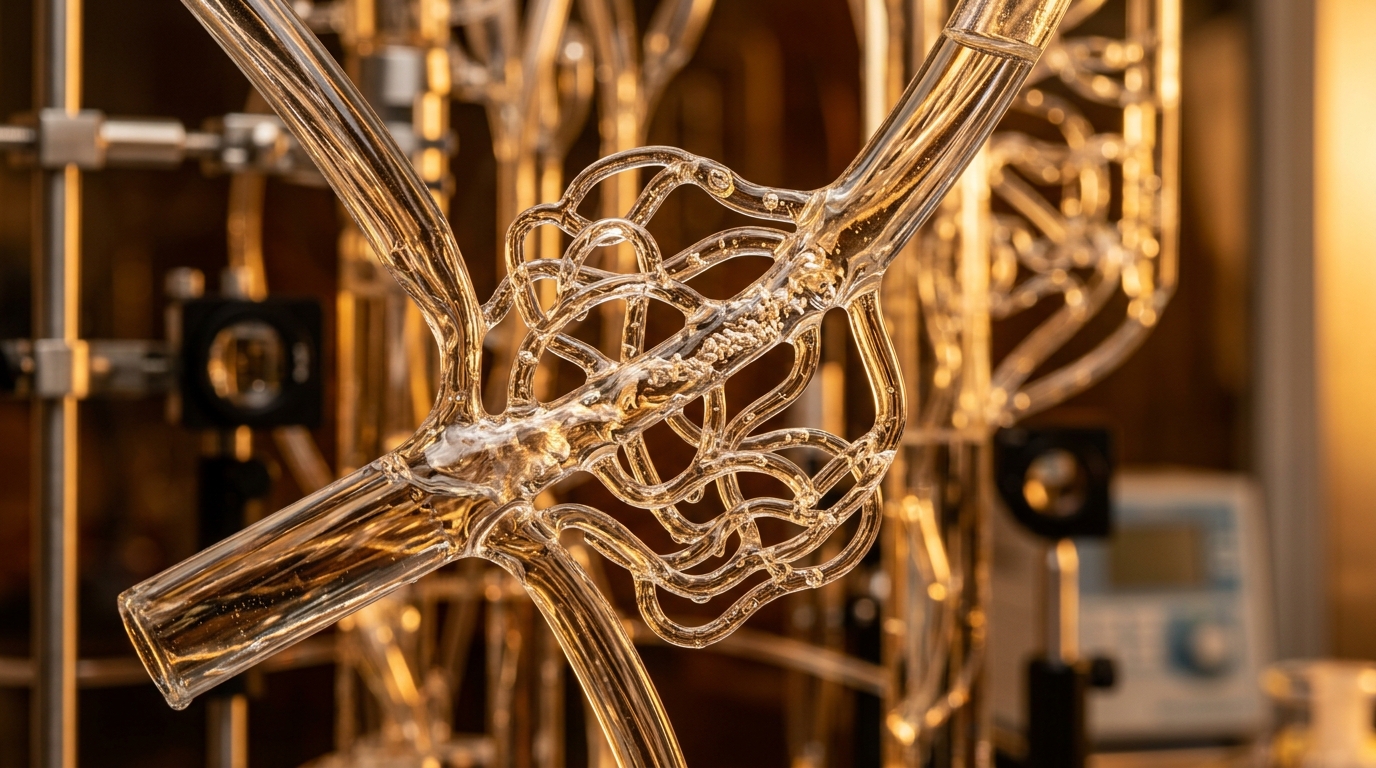
Most people think about their heart like a simple pump—strong or weak, fast or slow. But your cardiovascular system is more like a delivery network spanning 60,000 miles of vessels, each one crucial for getting oxygen and nutrients where they need to go. When circulation becomes sluggish, it’s not just your heart that struggles. It’s every organ, every muscle, every cell waiting for what should arrive effortlessly.
The problem compounds quietly. Poor circulation means your tissues don’t get adequate oxygen. Oxygen-starved cells work inefficiently, producing more waste and less energy. That waste accumulates, creating inflammation that further restricts blood flow. Your heart compensates by working harder, pumping with more force to push blood through increasingly resistant pathways. The cycle deepens, and you feel it as exhaustion that sleep doesn’t fix.
You might notice it as cold hands and feet, even in warm weather. Maybe it’s the way your legs ache after standing, or how your brain feels foggy by mid-afternoon.
These aren’t separate issues—they’re all downstream effects of a circulation system that’s lost its easy rhythm.
Your circulation network deserves comprehensive support, not partial solutions.
Why Fish Oil Falls Short of the Full Picture

Fish oil became the go-to heart supplement because omega-3s genuinely help with inflammation and blood vessel flexibility. EPA and DHA, the primary omega-3s in fish oil, support heart rhythm and can reduce inflammatory markers that contribute to cardiovascular stress. This is real, measurable benefit that millions of people have experienced.
But focusing only on omega-3s is like tuning one instrument in an orchestra while ignoring the rest. Your circulation depends on multiple systems working together: the strength of your blood vessel walls, the health of the tiny capillaries that reach every cell, the smooth coordination between your heart’s electrical system and its pumping action, and the delicate balance of compounds that keep blood flowing smoothly without clotting inappropriately.
Fish oil addresses inflammation, which matters. But it doesn’t strengthen vein walls that have become weak and distended. It doesn’t support the endothelial cells lining your blood vessels that regulate blood flow. Most importantly, it doesn’t address the circulation bottlenecks that often develop in smaller vessels, where the real energy drain happens.
Experience what reliable energy feels like when your heart works efficiently.
The Circulation Cascade That Changes Everything

When I first learned about comprehensive circulation support, it felt like understanding weather systems instead of just looking at individual clouds. Your cardiovascular health depends on multiple interconnected processes, and supporting just one piece—even an important piece like omega-3s—leaves gaps that eventually become problems.
Think about what happens when circulation improves at every level. Your heart doesn’t have to work as hard to push blood through healthy, flexible vessels. Oxygen reaches your cells efficiently, so they produce energy cleanly without creating excess inflammatory waste. Your brain gets the steady fuel supply it needs for clear thinking. Your muscles receive adequate nutrients for strength and quick recovery.
The transformation isn’t dramatic—it’s profound. Energy becomes steady instead of spiking and crashing. Physical tasks feel lighter. Mental clarity extends through the entire day.
You stop accepting fatigue as inevitable and start expecting vitality as normal. This is what comprehensive cardiovascular support looks like when it works at the cellular level.
Stop accepting fatigue as normal and start expecting vitality instead.
Beyond Omega-3s: What Your Circulation Actually Needs

Real circulation support goes deeper than inflammation management. It addresses the structural integrity of your blood vessels, the efficiency of nutrient transport, and the coordination between your heart’s electrical and mechanical functions. Your circulation needs specific compounds that strengthen vein walls, support healthy blood pressure, and optimize the tiny exchanges happening in millions of capillaries.
The most effective circulation formulas combine omega-3 benefits with targeted nutrients that fish oil simply doesn’t contain. These include compounds that support nitric oxide production for healthy blood vessel dilation, antioxidants that protect the delicate lining of blood vessels from oxidative damage, and minerals that support optimal heart rhythm and muscle contraction.
When these elements work together, circulation becomes efficient again. Blood flows smoothly through vessels that maintain their strength and flexibility. Oxygen delivery improves without forcing your heart to work harder. The result is sustainable energy that doesn’t depend on caffeine, stimulants, or pushing through fatigue.
Give your cardiovascular system the complete nutrition it actually needs.
The Moment Everything Shifted

I remember the day I realized that accepting cardiovascular decline as “normal aging” was actually accepting defeat. My energy had been fading gradually for years—so gradually that I’d adapted my expectations instead of addressing the root cause. I was going to bed earlier, drinking more coffee, and assuming this was just how bodies worked after a certain age.
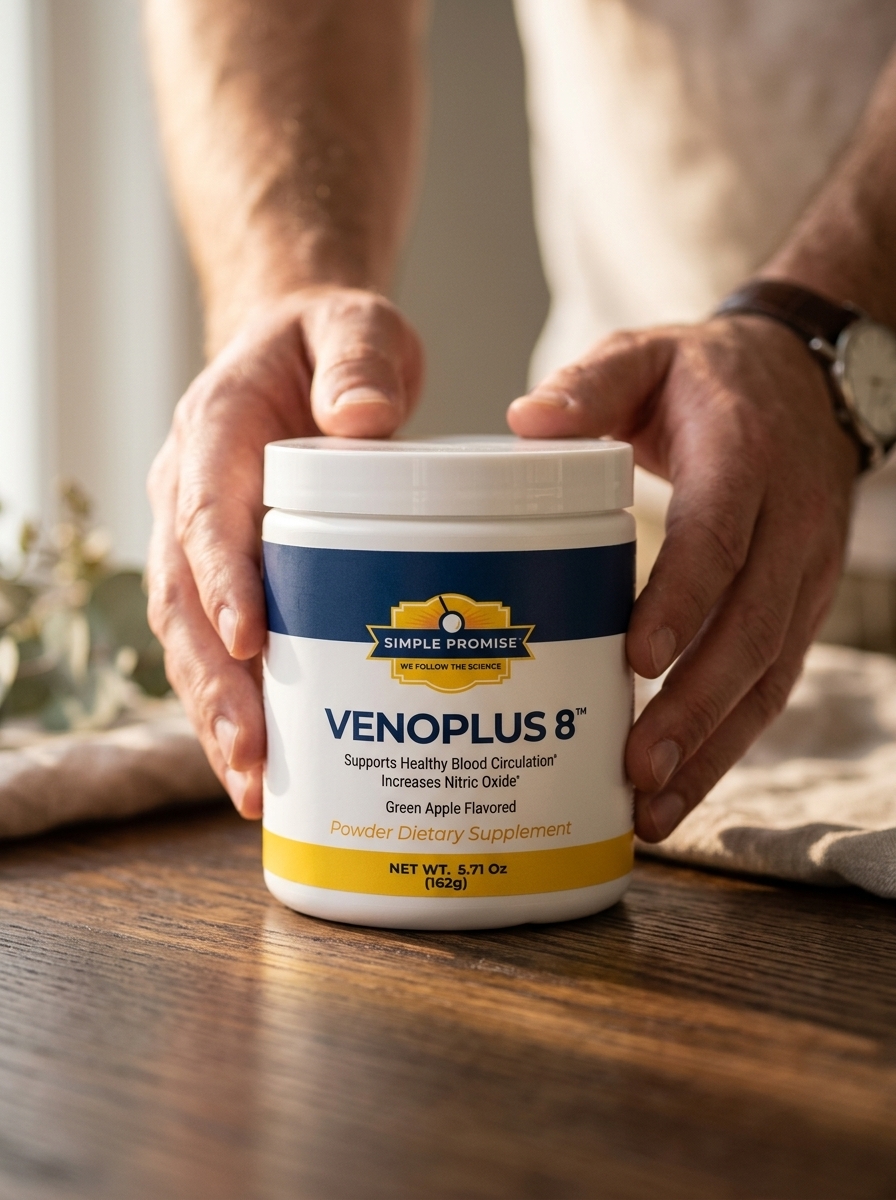
That’s when I discovered VenoPlus8. Unlike fish oil supplements that focus solely on omega-3s, VenoPlus8 takes a comprehensive approach to cardiovascular health. It combines circulation-supporting nutrients that work together to strengthen blood vessels, optimize blood flow, and support your heart’s natural efficiency. This wasn’t about adding another supplement—it was about finally addressing circulation at every level.
The change wasn’t immediate, but it was unmistakable. Within weeks, I noticed that afternoon fatigue lifting earlier each day. Stairs stopped feeling like a challenge. My hands and feet stayed warm without extra layers.
Most importantly, my energy felt reliable again—not dependent on perfect sleep or ideal circumstances, just consistently available when I needed it.
Complete Circulation Support
Beyond omega-3s—comprehensive nutrients your cardiovascular system actually needs.
VenoPlus8 targets your entire circulation network with specialized compounds that strengthen blood vessels, optimize flow, and support natural heart efficiency. While fish oil addresses inflammation, VenoPlus8 provides complete cardiovascular nutrition for reliable energy and vitality.
- ✓ Steady energy without afternoon crashes
- ✓ Improved circulation from heart to capillaries
- ✓ Natural cardiovascular efficiency and strength
What Reliable Energy Actually Feels Like

When your circulation works efficiently, energy becomes a given rather than a luxury. You wake up feeling like your body has actually recharged overnight. Physical tasks require the effort they should require—no more, no less. Mental clarity stays steady from morning through evening, without the fog that creeps in when your brain isn’t getting optimal blood flow.
Your heart finds its natural rhythm instead of working overtime to compensate for poor circulation. Blood pressure stabilizes at healthy levels without the spikes and drops that leave you feeling drained. The constant background fatigue that you might have started accepting as normal simply dissolves, replaced by the kind of steady vitality you remember having but thought was gone forever.
This is what your cardiovascular system can do when it receives complete support. Not just omega-3s, not just one piece of the puzzle, but comprehensive nutrition that addresses circulation from every angle.
Your body stops fighting itself and starts working with the efficiency it was designed for.
Transform afternoon crashes into steady energy that lasts all day.
The Foundation That Changes Everything Else

Cardiovascular health isn’t separate from the rest of your wellbeing—it’s the foundation that makes everything else possible. When circulation flows efficiently, your immune system gets the resources it needs. Your brain receives steady fuel for clear thinking. Your muscles have access to nutrients for strength and recovery. Sleep becomes truly restorative because your body can efficiently repair and regenerate overnight.
VenoPlus8 provides this comprehensive support by going beyond traditional fish oil to target your entire cardiovascular system. It includes the nutrients your blood vessels need for strength and flexibility, compounds that support healthy blood flow, and elements that help your heart maintain its natural efficiency. This complete approach means you’re not just managing one aspect of heart health—you’re optimizing the entire circulation network that powers your vitality.
The relief of finally addressing circulation properly instead of just hoping fish oil would be enough cannot be overstated. When you give your cardiovascular system what it actually needs, energy stops being something you have to chase and becomes something you simply have.
Your heart deserves more than hope—it deserves comprehensive cardiovascular support.
Moving Forward With Confidence

Your heart deserves more than hope and half-measures. It deserves comprehensive support that addresses circulation at every level, from the largest arteries to the smallest capillaries. The fatigue you’ve been accepting, the decline you’ve been expecting—these aren’t inevitable. They’re signs that your cardiovascular system needs complete nutrition, not just isolated nutrients.
VenoPlus8 represents what happens when you stop settling for partial solutions and start supporting your circulation the way it actually works. Your heart, your energy, your daily vitality—they’re all connected by the same network that delivers life to every cell. When that network functions optimally, everything else follows.
The choice isn’t between accepting decline and hoping for miracles. It’s between partial support that leaves gaps and comprehensive nutrition that addresses your cardiovascular system completely.
Your heart has been working hard for you—isn’t it time to give it the complete support it needs to work efficiently?
Written by Elias Menden — for those who seek reliable energy
Ready to feel the difference this formula makes?