There was a morning last autumn when I sat at the edge of my bed and pressed both palms flat against my stomach. Not because anything was wrong — not exactly. But because something had been off for so long that I’d stopped noticing. The low hum of bloating after breakfast. The way my energy dissolved by two o’clock, like sugar in warm water. The dull fog that sat behind my eyes most afternoons.
I thought it was just life. Just aging. Just stress.
It wasn’t.
It was my gut — or more specifically, the thin, quiet lining inside it — trying to tell me something I hadn’t learned to hear yet.
The Wall You Never Think About

Deep inside your digestive system, there’s a barrier no thicker than a single layer of cells. It lines the entire length of your intestines, and its job is deceptively simple: let the good in, keep the bad out. Nutrients pass through. Toxins don’t. Friendly bacteria stay where they belong. Inflammatory particles get turned away at the door.
When that barrier is intact, digestion feels effortless. You eat, you absorb, you move on with your day. Your immune system hums along in the background. Your skin stays calm. Your sleep stays deep.
But when that barrier weakens — when tiny gaps form between those cells — things begin to shift in ways you feel before you understand.
Bloating that arrives without warning. Sensitivity to foods you used to love. A tiredness that sleep doesn’t fix. Skin that flares up for no clear reason. A kind of internal restlessness, like your body is fighting something invisible.
This is what happens when the gut barrier loses its hold. And for most of us, it happens slowly — through years of processed meals, unmanaged stress, disrupted sleep, or simply not giving the body what it needs to maintain that fragile seal.
What Wears It Down

The gut lining isn’t fragile in the dramatic sense. It doesn’t shatter. It erodes. Like sandstone against a river, the damage is quiet and cumulative.
Refined sugars and ultra-processed foods strip away the protective mucus layer that coats those intestinal cells. Chronic stress — the kind that sits in your chest for weeks — actually alters the composition of your gut bacteria, thinning the communities that help hold the barrier together. Even common over-the-counter pain relievers, taken too often, can loosen the tight junctions between cells, creating microscopic openings where particles slip through.
And when those particles reach the bloodstream, the immune system responds. Not with a single alarm, but with a low, persistent hum of inflammation. The kind you feel as fatigue, brain fog, irritability, or a vague sense that your body isn’t quite yours anymore.
I lived inside that hum for longer than I’d like to admit.
The Shift That Began With Fiber — And Something More
What changed wasn’t dramatic. There was no single revelation. It was more like turning toward the light after sitting in a dim room so long you forgot what brightness felt like.
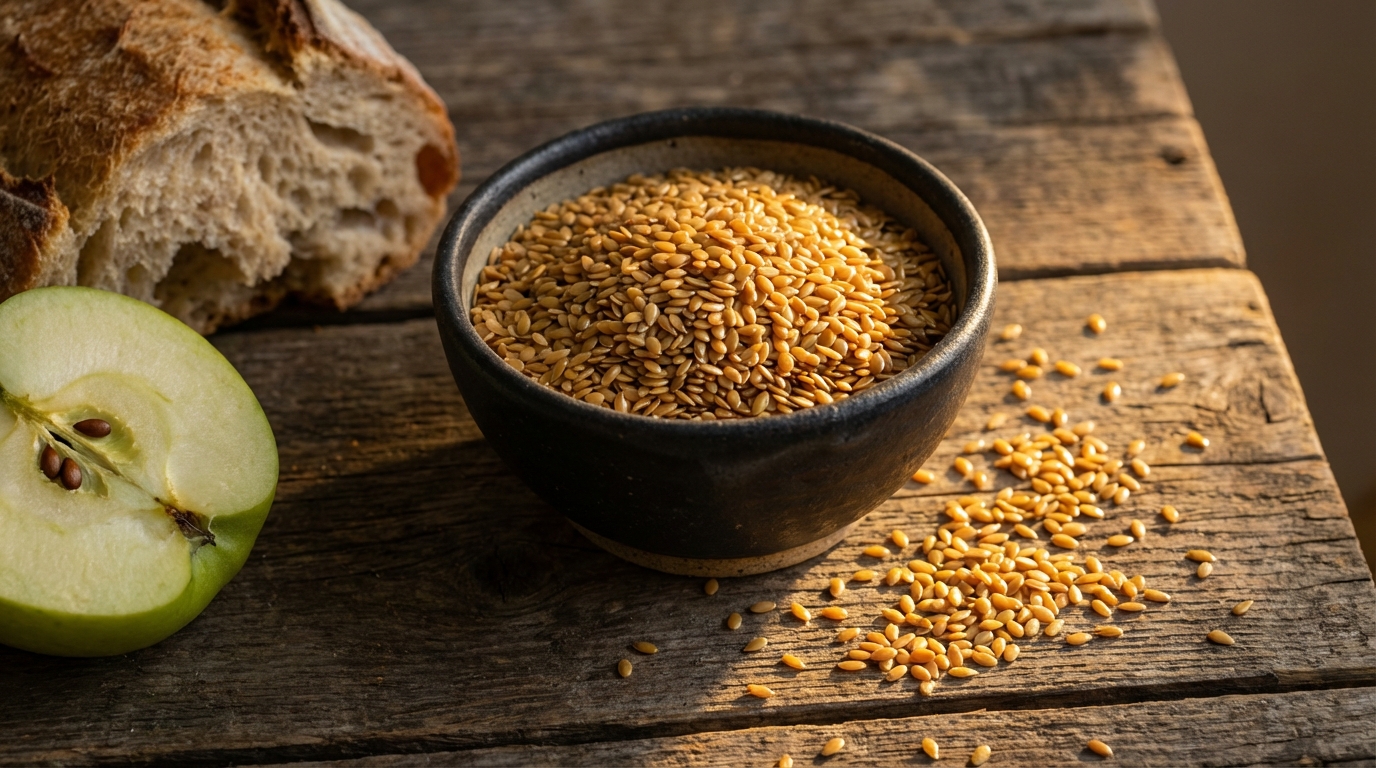
I started with fiber. Real fiber — not the chalky powder from a plastic tub, but the kind that lives in whole flaxseed, in dark leafy greens, in the skin of an apple. Soluble fiber feeds the beneficial bacteria in your gut, and those bacteria produce short-chain fatty acids — tiny molecules that nourish the cells of your intestinal lining directly. They’re the raw material your gut wall uses to repair itself.
But food alone wasn’t filling the gap fast enough. My digestion still felt sluggish. The bloating still lingered after meals, like an uninvited guest who wouldn’t leave.
Your Gut Deserves a Gentler Start
What if your morning routine included the one thing your digestion has been missing?
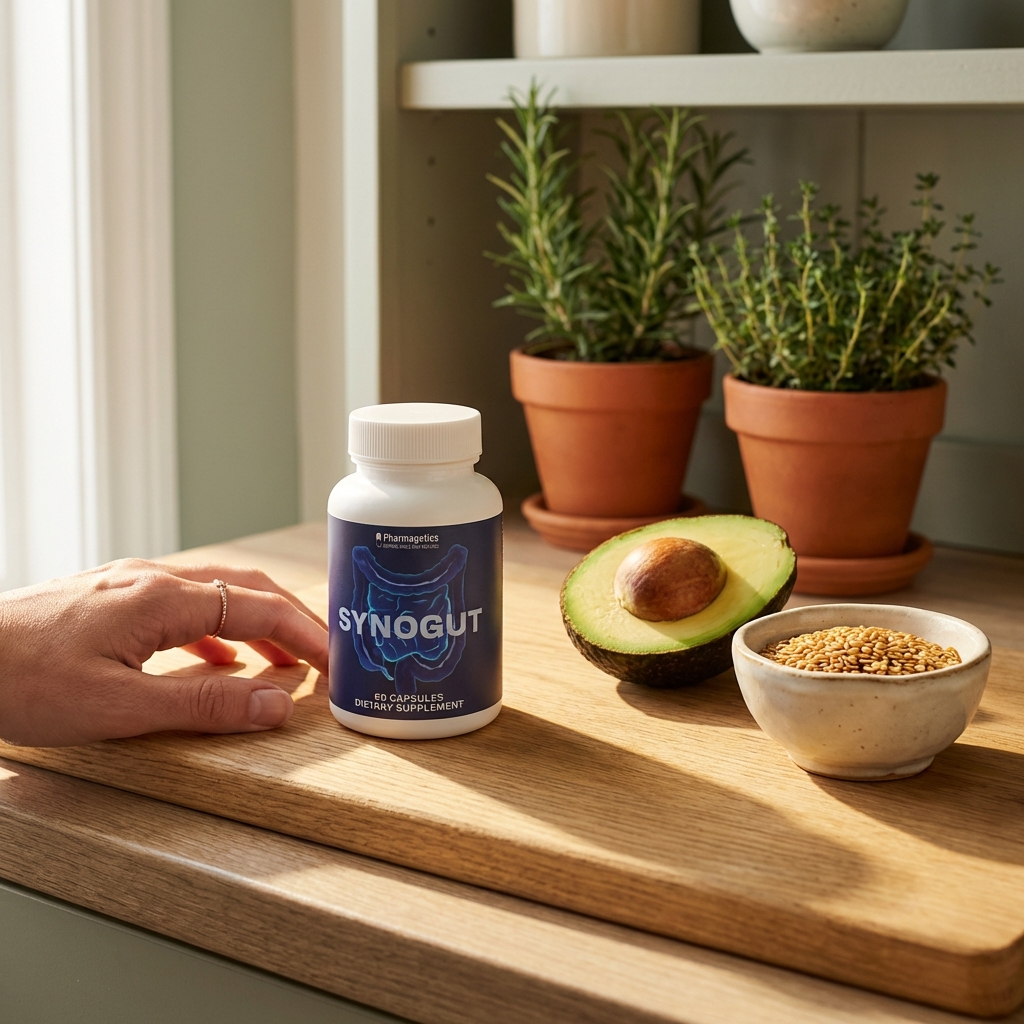
SynoGut combines psyllium husk, flaxseed, aloe vera, and probiotics into one plant-based capsule. No synthetic fillers — just the ingredients your gut lining uses to rebuild and rebalance, taken with your morning meal.
-
Eases bloating so meals feel lighter, not heavier
-
Feeds the good bacteria your gut wall depends on
-
Supports the gentle daily rhythm your digestion craves
That’s when a friend mentioned SynoGut — a plant-based supplement she’d been taking with her morning meal. She described it casually, almost offhandedly. “It just made things feel easier,” she said. “Like my stomach finally stopped arguing with me.”
I didn’t expect much. I’d tried plenty of things before. But something about the simplicity of it — psyllium husk, flaxseed, aloe vera, probiotics, black walnut — felt different. These weren’t synthetic compounds. They were ingredients I recognized, working together the way a garden works: layered, cooperative, slow.
When the Quiet Began

By the second week, I noticed it the way you notice silence after a long noise — not as a presence, but as an absence. The bloating had softened. Not vanished overnight, but eased, like a fist slowly unclenching.
My mornings changed first. I’d take one capsule before breakfast, another with dinner, and within days my digestion had a rhythm to it that felt almost unfamiliar. Meals passed through without the heaviness. My stomach felt flatter, calmer — not because I was eating less, but because my body was finally processing what I gave it.
Then the energy came. Not the jittery, forced alertness of caffeine, but a warmer kind of wakefulness. I’d reach three o’clock and still feel present. Still feel clear. I remember standing in my kitchen one afternoon, sunlight falling across the counter, and realizing I hadn’t thought about my stomach all day. That was new.
What the Science Says — Simply
Your gut lining renews itself every few days. It’s one of the fastest-regenerating tissues in your body. But it can only do that if it has what it needs: fiber to feed beneficial bacteria, probiotics to maintain microbial balance, and soothing botanicals to calm the inflammation that slows repair.
Short-chain fatty acids — produced when gut bacteria ferment soluble fiber — are among the most important fuels for intestinal cells. They strengthen the tight junctions between cells, reduce inflammatory signaling, and support the mucus layer that acts as your gut’s first line of defense.
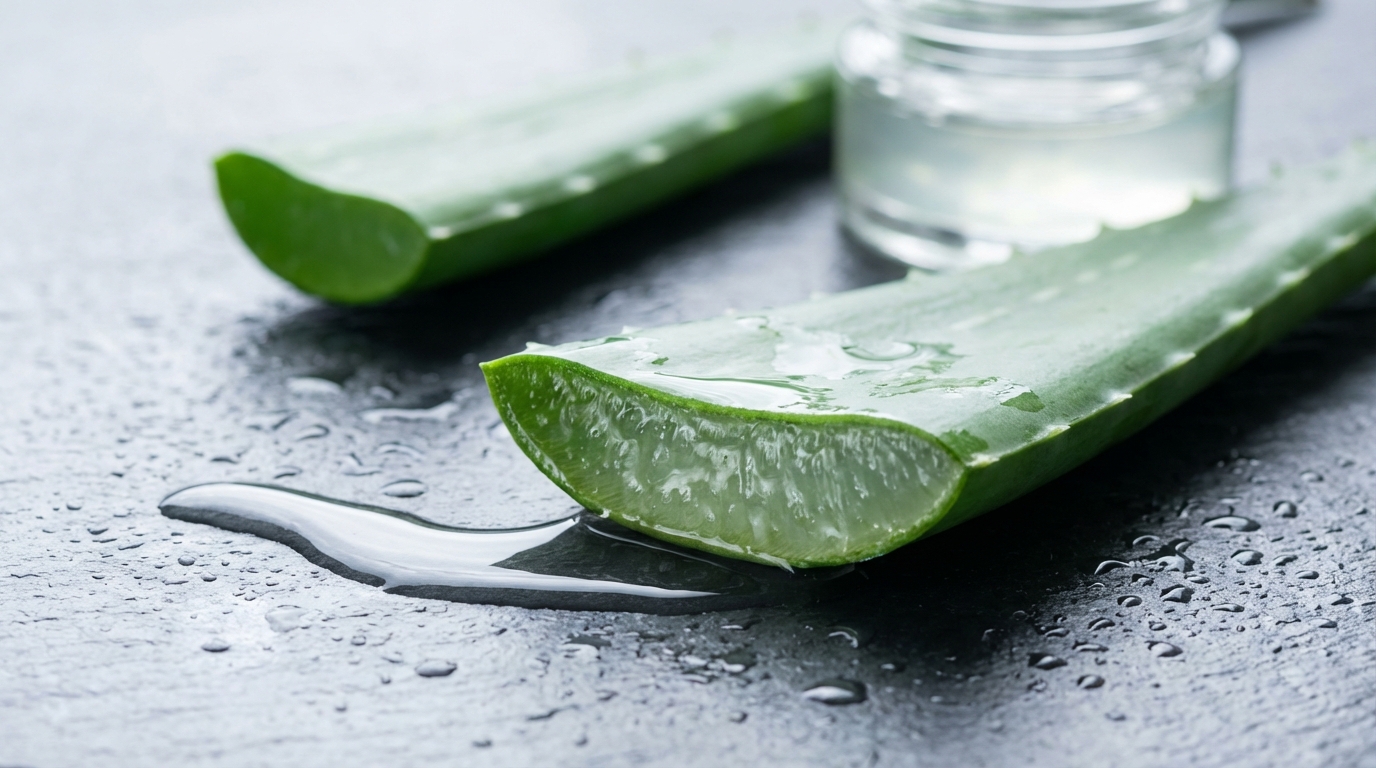
Aloe vera has been used for centuries to calm irritated tissue, inside and out. Flaxseed delivers both soluble and insoluble fiber, feeding bacteria while gently encouraging motility. And probiotics — the beneficial strains that populate a healthy gut — help crowd out the organisms that contribute to gas, bloating, and permeability.
This isn’t complicated biology. It’s the body doing what it already knows how to do — when you give it the right materials.
The Things That Changed After the Bloating Left
What surprised me most wasn’t the digestion itself. It was everything that came after.
My skin settled down — fewer breakouts along my jawline, less of the redness I’d blamed on the weather. My sleep deepened. Not longer, but more restorative, as though my body could finally rest instead of spending the night managing low-grade inflammation.
Trust Your Body Again
When digestion stops demanding attention, everything else gets space to heal
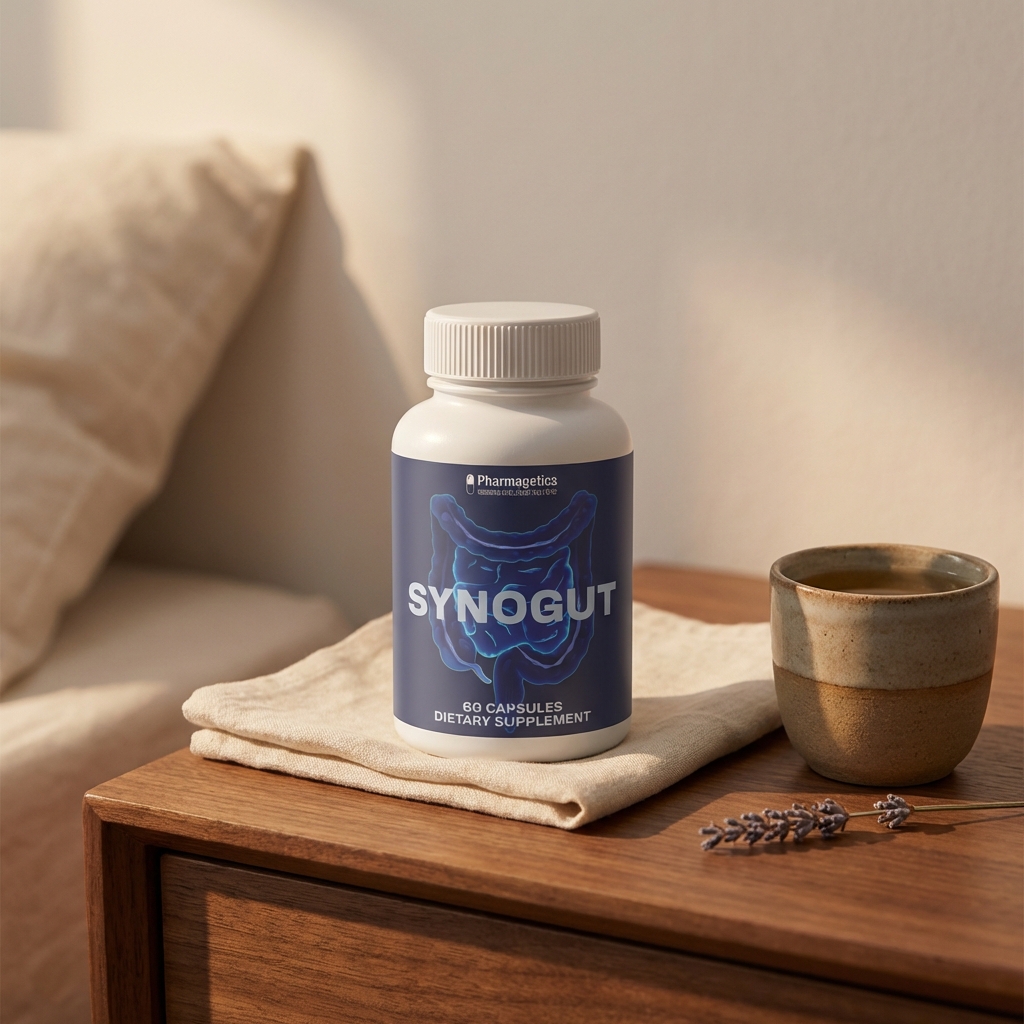
SynoGut’s plant-based blend works with your gut — not against it. Fiber nourishes the lining. Probiotics restore balance. Aloe vera calms what’s been inflamed. One capsule, twice a day, and your body remembers what steady feels like.
-
Supports deeper, more restorative sleep patterns
-
Helps calm the low-grade inflammation behind skin flare-ups
-
Brings back the quiet confidence of a body that works with you
I started trying foods I’d been avoiding — a slice of sourdough, a bowl of lentil soup — and my body received them without protest. There was a steadiness I hadn’t felt in years. Not perfection. Not some dramatic before-and-after. Just a quiet sense of things working the way they were meant to.
And beneath all of it, a feeling I can only describe as relief. The relief of not having to manage your own body like a problem. The relief of trusting it again.
Giving Your Gut What It’s Been Asking For

If any of this sounds familiar — the bloating, the fog, the low energy that no amount of sleep seems to fix — I want you to know: your gut barrier may simply be asking for support it hasn’t received in a long time.
You don’t need to overhaul your life. You don’t need a radical protocol. Sometimes the shift begins with something as small as a capsule of plant-based fiber and probiotics taken with your morning meal. Something like SynoGut, which gave my body the steady, gentle support it needed to begin repairing what had quietly come undone.
The bloating didn’t define me. The fatigue didn’t define me. And they don’t have to define you, either.
Your gut already knows how to heal. It just needs you to meet it halfway.
Written by Liora Menden — for those who seek relief.
Related reading
- Biohacking Fatigue: Beat Tiredness & Restore Your Energy Naturally
- How to Improve Mitochondrial Function Naturally: A Daily Rhythm for Steady Energy
- Preventing Osteoporosis Naturally: Diet, Exercise, and Supplements That Help You Feel Steady
- Can You Actually Build Immunity Naturally Over Time? Here’s What Finally Changed for Me