You’ve done everything they said to do.
You planned the meals. You showed up for the workouts even when you were bone-tired from holding everyone else together all day. You read the labels, tracked the numbers, told yourself this time would be different. And your body just… didn’t cooperate.
Not because you weren’t trying. You were trying so hard your jaw hurt from clenching through it. But the weight stayed. The cravings got louder the more stressed you got. Your belly felt tight and swollen in a way that had nothing to do with what you ate that day.

And late at night, standing in front of the bathroom mirror pulling your shirt down before anyone could see, you felt something worse than frustration: you felt betrayed by the one thing that was supposed to respond to effort.
I know that feeling. I lived in it for years. I’m the person who took care of everyone else’s needs before I even registered my own. The one who said “I’m fine” while running on fumes. The one who treated her body like a problem to be solved with more discipline, more restriction, more trying.
What if this isn’t about willpower at all?
What if my body isn’t broken—it’s just trying to protect me with the only tools it has? Because here’s what I’ve learned: hormones and weight gain don’t show up as a moral failure. They show up as patterns. Repeating, stubborn patterns that no amount of hustle can override—because you’re not fighting laziness. You’re fighting chemical signals that are doing exactly what they’re designed to do under stress, under sleep deprivation, under the weight of doing too much for too long.
And once I understood that, everything changed.
⸻
When “eat less, move more” stopped working, I got curious instead of harsher
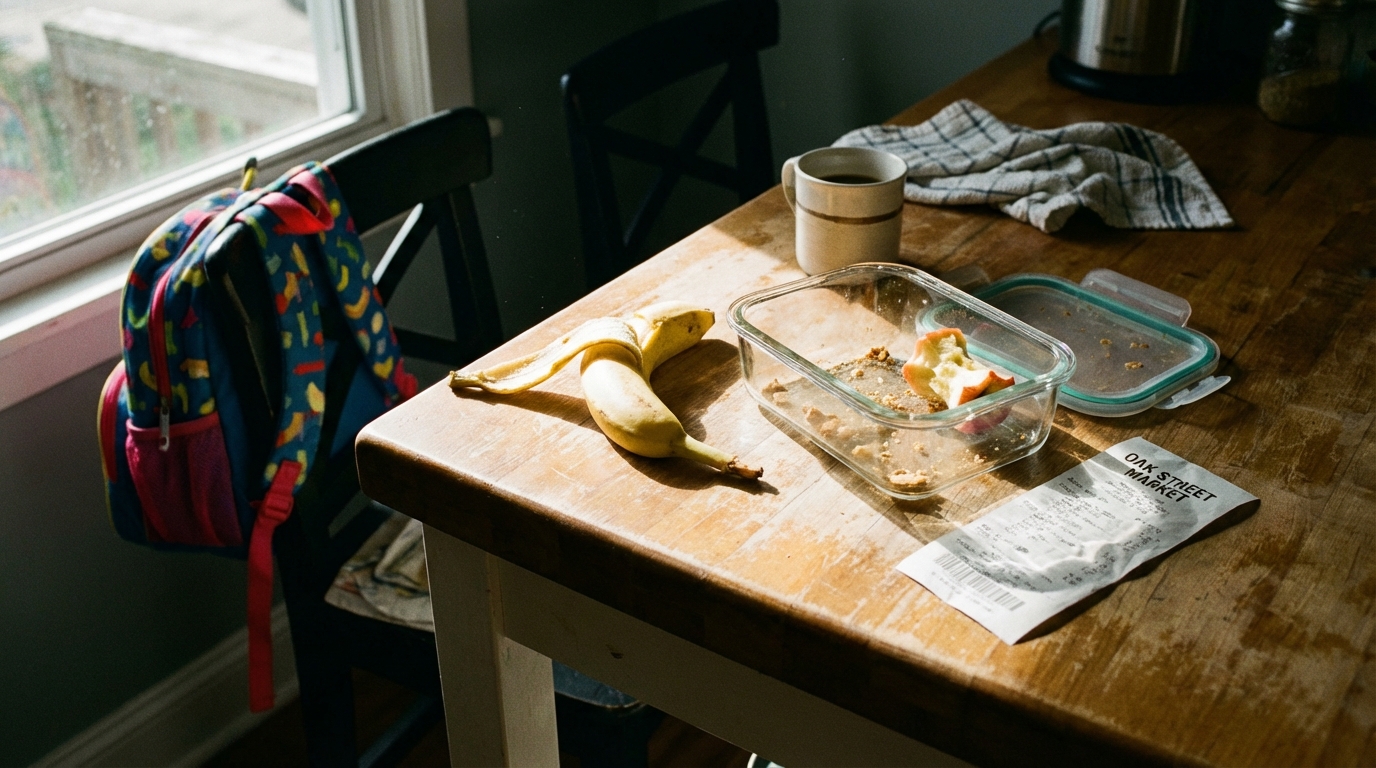
Hormones are your body’s messengers. They’re how your cells talk to each other about what’s happening and what’s needed. They influence:
- how hungry you feel and when
- whether your energy is steady or crashing
- if your body burns what you eat or stores it
- how stress changes your cravings
- where weight tends to settle on your frame
When those messengers get scrambled—when the signals get too loud, too constant, too contradictory—it doesn’t matter how perfect your meal plan is. Your body is responding to a completely different set of instructions.
That was my reality. I wasn’t eating recklessly. I wasn’t skipping workouts out of laziness. I was living a normal, overfull life, and my body was doing what bodies do when they’re chronically stressed and under-rested: trying to survive.
Once I started learning about insulin, cortisol, and estrogen—not as enemies, but as signals I could actually work with—my entire relationship with my body shifted. I stopped blaming myself. I started listening instead. And that’s when real, lasting change became possible.
Hormones and weight gain: the three signals that were running my body without my permission
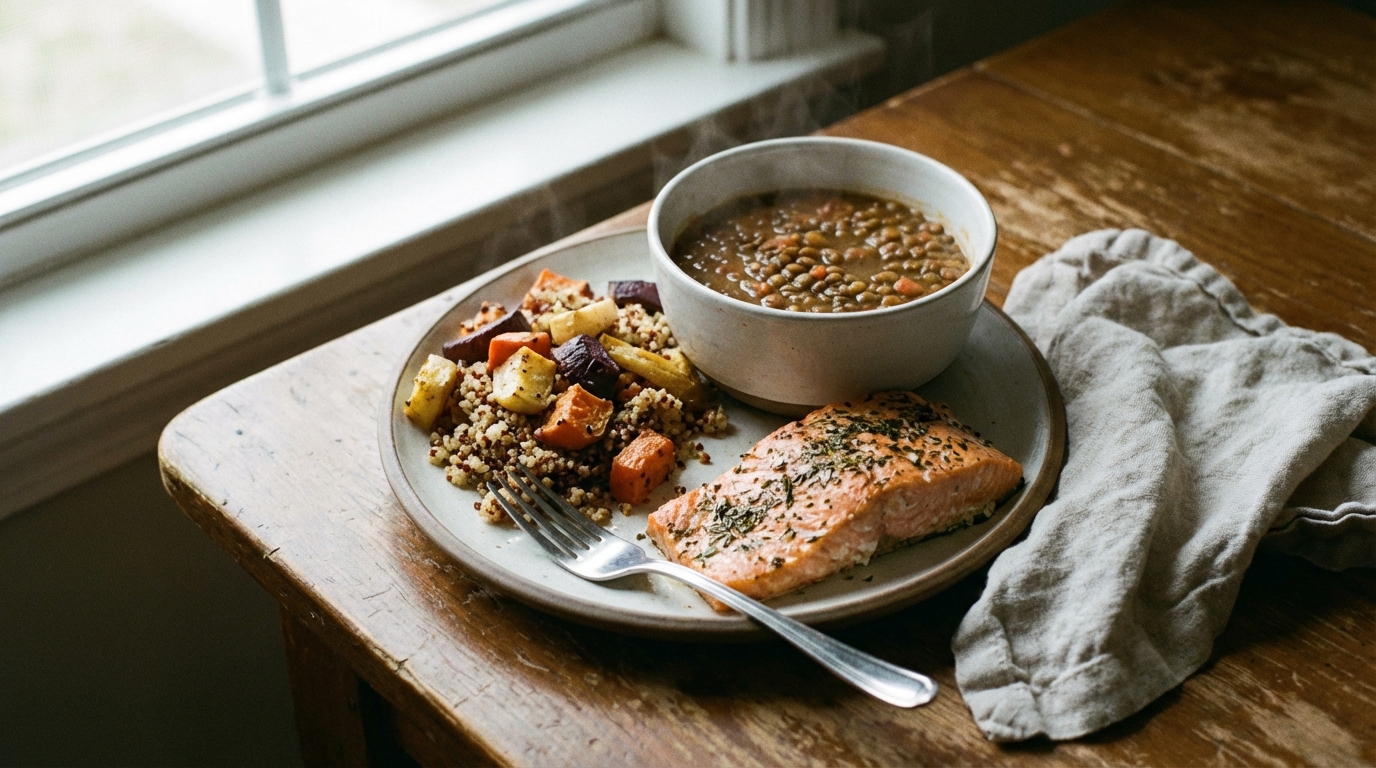
This isn’t about making your body into a science project. It’s about finally understanding what’s been happening beneath the surface this whole time.
Insulin: the “store it” signal that gets stuck on repeat
Insulin’s job is straightforward: it helps move sugar from your bloodstream into your cells so you can use it for energy.
But when your days are a rollercoaster of quick carbs and long gaps—
- sweet coffee before everyone wakes up
- rushed breakfast standing at the counter
- lunch you barely remember eating
- crackers to get through the afternoon crash
—your blood sugar spikes and drops like a heartbeat monitor during a panic attack. And insulin has to keep showing up, over and over, trying to manage the chaos.
Eventually, your body can start to resist. The term you might hear is insulin resistance. But in real life, it just feels like:
- getting hungry again an hour after eating
- cravings that feel desperate, not casual
- an energy crash every afternoon that makes you want to nap under your desk
- feeling briefly better after something sweet, then worse twenty minutes later
For me, the most telling part was the predictability. Stressful day with the kids? Cravings hit like a freight train. Busy day where I forgot to eat until 2 PM? My body started sending urgent “FEED ME NOW” signals I couldn’t ignore.
My body wasn’t being difficult. It was trying to survive on the fuel I was giving it—and the pattern I was giving it was chaos.
Cortisol: the stress hormone that rewrites the rules around cravings and belly fat
Cortisol isn’t your enemy. It’s your survival hormone. It helps you get through hard things. But here’s the problem: your body can’t tell the difference between “I’m being chased by danger” and “I have seventeen things on my to-do list, three people need me right now, and I haven’t sat down in six hours.”
When your life never downshifts—when you’re answering emails after the kids are in bed, mentally running through tomorrow’s schedule while you brush your teeth, waking up already worried—cortisol doesn’t get the signal to relax. It stays elevated. And that changes everything: your appetite, your sleep quality, where your body decides to store weight.
This is what people mean when they talk about cortisol and belly fat. It’s not about vanity. It’s about a nervous system stuck in survival mode, telling your body to hold on to every resource it can.
For me, cortisol looked like:
- sleeping lightly, waking up at 3 AM with my mind already spinning
- feeling exhausted even after a full night in bed
- craving salty-sweet combinations at 9 PM (hello, pretzels dipped in chocolate)
- feeling bloated and puffy after stressful weeks, even when I’d eaten well
It wasn’t a discipline problem. It was a nervous system that never got permission to rest.
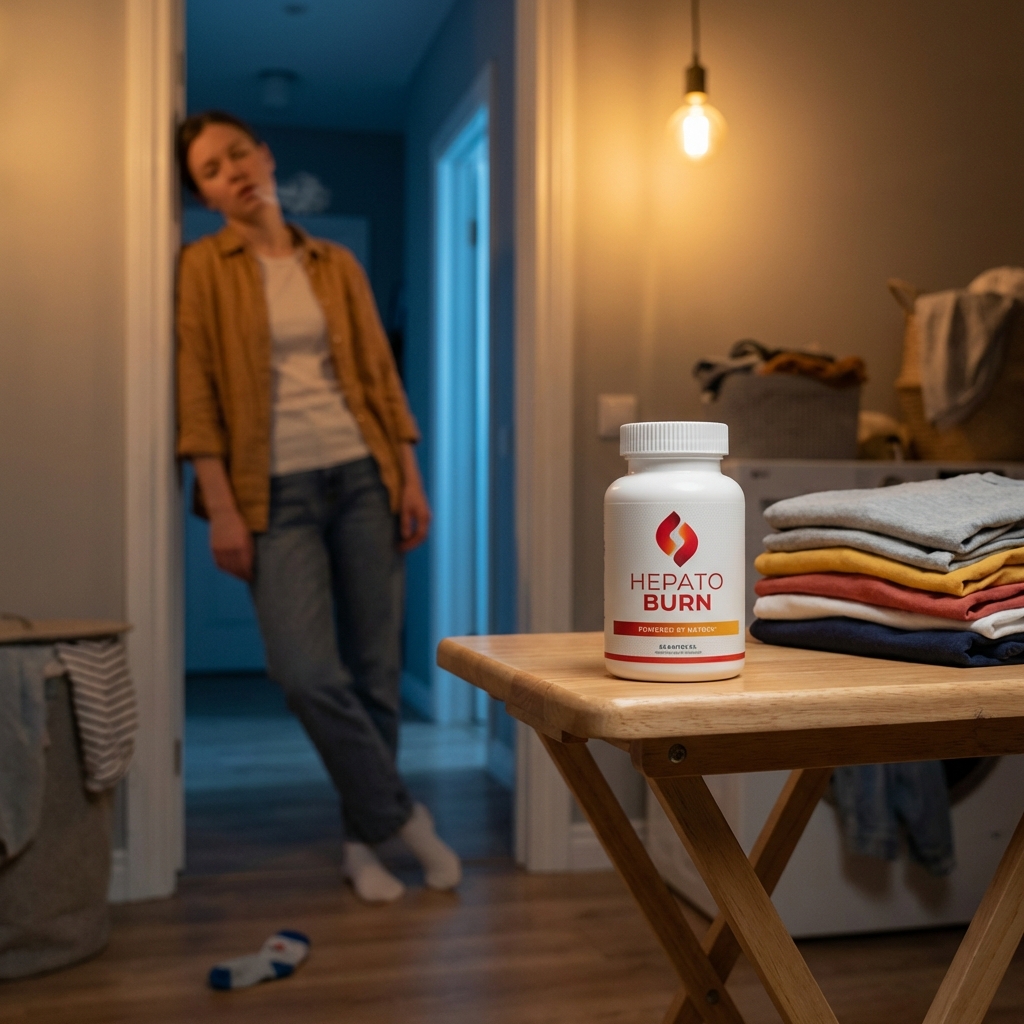
Support Your Liver Daily
When stress is high, your body needs backup—not another lecture
HepatoBurn is built to support liver cleansing and daily function—so your system can feel less reactive. It uses a Liver Purification Complex made of Silymarin, Betaine, Berberine, Molybdenum, and Glutathione. This is the “steady support” step when life won’t slow down.
-
Feels like a calmer baseline
-
Helps you stay consistent
-
Support without extra work
Estrogen: the shift that changes the game halfway through
Estrogen does more than most people realize. It affects your metabolism, how hunger signals work, how your body builds and maintains muscle, where fat tends to land.
When estrogen starts to fluctuate—especially as you move through your late thirties, forties, and beyond—many women notice weight migrating to places it never used to go. The belly. The hips. The thighs. Even when nothing else in their life has changed.
That can feel like a betrayal. Like your body suddenly decided to play by different rules without asking you first. This is where estrogen balance became important for me—not as something to control or force, but as a signal to support so my whole system felt less reactive, less at war with itself.
⸻
The day I stopped “trying harder” and started building a life my body could trust

Once I understood what my hormones were actually doing, I didn’t blow up my entire life. I didn’t go extreme. I didn’t start another punishing workout program that made me feel like a failure when I couldn’t keep up.
I did something quieter, and somehow more radical: I made my days easier for my body to navigate.
I made my days easier for my body to navigate.
I ate for steadiness, not punishment
I stopped counting every calorie like a debt I owed. I stopped trying to eat as little as possible and started eating for the steadiest energy. Most meals became simple, repeatable, and actually satisfying:
- a protein I genuinely enjoy (not what I’m “supposed” to eat)
- fiber in whatever form works—vegetables, beans, berries, oats, whatever fits the day
- a healthy fat that makes the meal feel complete, not like I’m still waiting for the “real food”
When I ate like this consistently—not perfectly, just consistently—something surprising happened: my cravings stopped feeling so urgent. I still wanted treats sometimes. But it wasn’t that shaky, desperate, “I will fight you for this chocolate” feeling anymore.
That’s what blood sugar balance actually felt like in my body: the ability to make calm decisions about food instead of white-knuckling my way through every craving.
I treated sleep like the non-negotiable it actually is
For years, sleep was what I sacrificed first. I stayed up late to finally have time to myself. I scrolled my phone in bed. I told myself I’d “catch up” on the weekend.
Then I started noticing the direct line between my sleep and literally everything else: my hunger levels the next day, my patience, the intensity of my cravings, my ability to choose a balanced meal without it feeling like an act of heroism.
So I built a bedtime routine that felt almost embarrassingly simple: A warm shower. Dimmer lights after 8 PM. An actual cutoff time for scrolling, enforced with an alarm. The same bedtime window most nights, even when I didn’t feel “tired enough.”
It wasn’t perfect. Some nights I still stayed up too late. But the consistency was enough to change my mornings—and my mornings changed everything else.
I stopped trying to eliminate stress and started giving my body tiny exits
My life didn’t magically become peaceful. I didn’t stop being the person everyone depends on. I didn’t delete my responsibilities or stop caring about people.
But I learned to give my nervous system small moments of relief throughout the day. One minute of slow breathing while I waited for my coffee to brew. A walk around the block after dinner, even when I felt too tired. Standing outside for thirty seconds of cold air, letting my shoulders drop, reminding my body we were safe.
It sounds small. And it is small. But it told my cortisol: We’re okay. You can stand down now. And when cortisol softened, everything else got easier. The cravings. The sleep. The tight feeling in my belly. All of it.
⸻
Where HepatoBurn fit into my routine—without adding more to my plate
At some point, I realized I needed support that didn’t require me to become a different person. I didn’t want another complicated protocol. I didn’t want to add seventeen new supplements I’d forget to take. I wanted something that could quietly back up the work I was already doing: steadier meals, better sleep, gentler stress management.
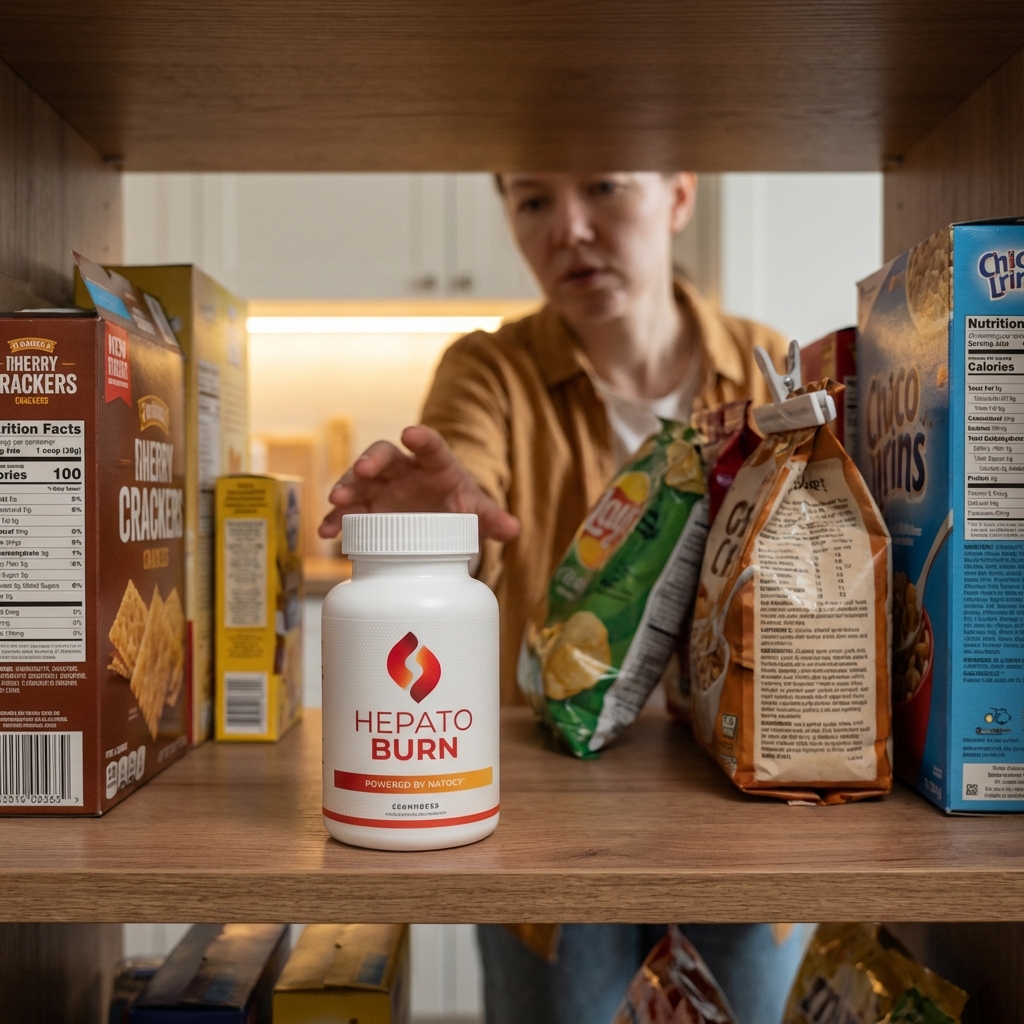
Turn On Metabolism Support
If your energy crashes daily, your body is asking for steadiness
HepatoBurn’s Liver Fat-Burning Complex is made for metabolic support—so your “eat well” efforts feel like they count again. It contains Resveratrol, Camellia Sinensis, Genistein, Chlorogenic Acid, and Choline—five nutrients picked to support calorie burning and energy.
-
More steady daily energy
-
Less all-or-nothing momentum
-
Support that fits real life
That’s when I started using HepatoBurn. I didn’t approach it like magic. I approached it like a tool—something small and consistent I could do each day to reinforce the habits that help hormones stabilize.
Over weeks and months, I noticed shifts in the places that used to feel immovable:
- cravings that felt more like preferences than emergencies
- fewer afternoon energy crashes that made me want to cry
- more steadiness around food choices, like I was finally working with my body instead of against it
But the biggest change wasn’t physical at first. It was emotional.
I stopped feeling like I was in a constant battle with myself. That’s what I’d been missing all along. Not more willpower. Not more discipline. Just support. Simple, steady support for a body that had been running on empty while taking care of everyone else.
The truth I wish someone had told me years ago
If you’re reading this and thinking, I’ve tried so hard and nothing has worked, I need you to hear this:
You are not lazy.
You are not broken.
You are not failing.
Sometimes your body isn’t asking for stricter rules or harsher discipline. Sometimes it’s asking for steadier signals. For consistency it can trust. For a nervous system that finally gets to rest.
Because hormones and weight gain are almost always connected to the rhythms of real life: chronic stress, disrupted sleep, blood sugar swings that happen because you’re too busy to eat properly, hormonal shifts that come with age and life stage. When you support those rhythms instead of overriding them, progress stops feeling like punishment and starts feeling like partnership.
For me, that looked like:
- meals that keep my blood sugar steady instead of sending it on a rollercoaster
- sleep that actually restores me instead of just “getting through the night”
- stress relief that’s small but real, built into my actual life
- one simple daily support—HepatoBurn—that I can stay consistent with without upending everything
And the best part? I stopped talking to myself like I was the enemy.
Questions I hear from women who feel stuck in the same place I was
“Are hormones the only reason I’m gaining weight?”
No. But they heavily influence appetite, cravings, energy, and how your body decides to store or burn what you eat. When you support your hormones, your efforts finally start to feel like they “count” again.
“Do I have to cut out carbs completely?”
I didn’t. What helped was pairing carbs with protein and fat, and choosing carbs that come with fiber. The goal wasn’t restriction—it was blood sugar steadiness. I still eat bread. I still have pasta. I just don’t eat them alone anymore.
Keep It Simple Daily
No complicated plan. Just one steady step you’ll actually repeat
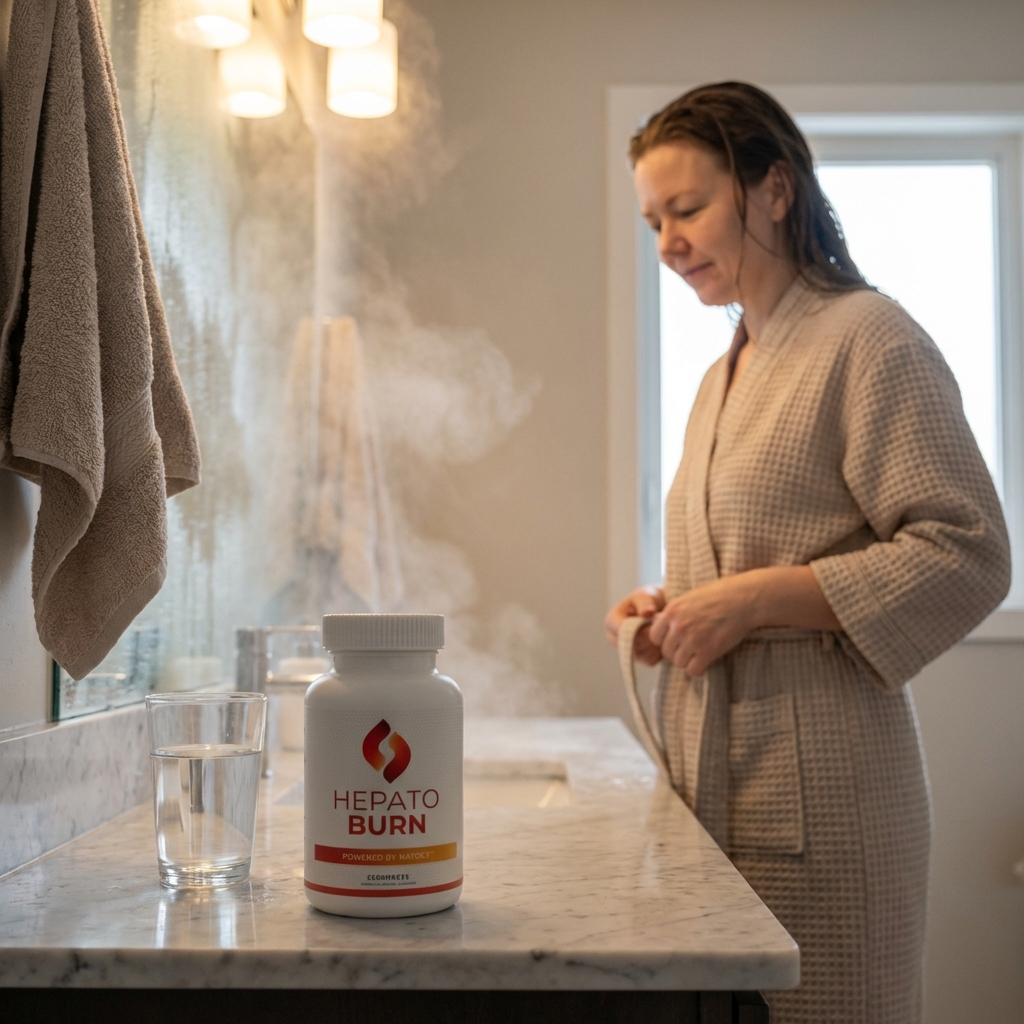
HepatoBurn is a daily capsule you take with a big glass of water. It’s plant-based, non-GMO, soy & dairy free, and made in the USA in an FDA-registered, GMP-certified facility (as stated by the brand). It also comes with a 60-day money-back guarantee.
-
Easy to stay consistent
-
Fits into busy mornings
-
Support without pressure
“What if my stress isn’t going anywhere?”
Same here. My life still has stress. I still take care of people. The shift was giving my body small, frequent signals that we were safe: short walks, breathing breaks, an earlier bedtime window. Small things, repeated daily, changed the tone of my entire system.
The kind of progress I trust now

These days, I measure differently. I look for a calmer appetite. Less mental noise around food. Energy that lasts through the afternoon without a crash. A body that feels less reactive to stress.
I still enjoy dessert. I still have snacks. I still live like a human being, not a robot following rules. But I don’t rely on extremes anymore. I build rhythm. I build steadiness. I give my hormones a reason to relax instead of staying on high alert.
And when I think about hormones and weight gain now, I don’t feel shame or frustration. I feel something so much better than that:
Permission.
Permission to stop fighting my body and start supporting it.
Permission to rest without guilt. Permission to be gentle with the one person I’ve been harshest with—myself.
Written by Liora Menden — for those who seek steadiness.
Related reading
- How I Finally Learned to Support Hormones for Weight Loss (and Stopped Fighting My Body)
- Balance Hormones for Energy: What Changed When I Stopped Fighting My Body’s Calendar
- Elimination Diet Gut Triggers: The Day I Stopped Believing My Body Was Lying
- Cell Health Gut Healing: The Day I Stopped Blaming Food and Started Feeding My Cells