Hormonal weight gain can feel deeply unfair because it rarely arrives with one clean cause. It usually shows up as a pattern. You start waking up puffy. Your waistband feels tighter by lunch even when breakfast was sensible. A sugar craving hits at the same time every afternoon, and the worst part is not the weight itself. It is the sense that your body stopped responding to the habits that used to keep you steady.
That is the headspace behind most searches for supplements for hormonal weight gain. People are usually not asking for a gimmick. They are asking for something that helps them feel less inflamed, less jagged, and less trapped inside a routine that suddenly feels too loud for the same body to carry.
This guide keeps that reality front and center. I am not treating supplements like a replacement for medical care, thyroid workups, or meaningful sleep. I am treating them as support tools that can make an overloaded system easier to work with while you clean up the rest of the routine. That is also why I narrowed the revenue path down to one product instead of a pile of buttons. Trust improves when the article does the sorting for the reader first.
Short answer: the best supplements for hormonal weight gain usually support the pattern around the weight, not just the scale itself. Puffiness, afternoon cravings, and low-grade fatigue are often better clues than the number on your waistband because they tell you whether the body feels inflamed, under-recovered, overstressed, or medically off in a way a supplement should not be expected to solve alone.
| Pattern | Best first lane | What to watch |
|---|---|---|
| Puffiness and fluid retention | Sleep, hydration, steadier meals, and lower-noise daily support | Look for less swelling and fewer heavy afternoons, not overnight loss. |
| Cravings plus a 3 p.m. crash | Protein-first meals, steadier energy support, and fewer glucose spikes | The right lane should make the day feel calmer before it changes the mirror. |
| Rapid unexplained gain or severe fatigue | Clinician review before more supplements | That is a thyroid, medication, bleeding, or insulin-resistance question first. |
I also want this page to route readers into the rest of the hormonal-support cluster instead of trapping them inside one label. If the bigger issue is total-body drag, hormonal imbalance and fatigue is the better next read. If the question is whether diet culture is hiding the real problem, metabolism myths that confuse appetite signals gives a calmer frame for what is actually happening.
Why does hormonal weight gain feel so different from ordinary fluctuation?
Ordinary fluctuation tends to feel explainable. Hormonal weight gain usually feels weirder than that. The scale may move, but the more immediate signal is often fluid retention, breast tenderness, afternoon crashes, heavier cravings, and the eerie sensation that your body is storing stress instead of clearing it. That is why I think many readers use the phrase “weight gain” when what they really mean is “my system stopped feeling steady.”
The National Institute on Aging notes that midlife hormone changes often arrive alongside sleep disruption, body-composition shifts, and metabolic changes that can alter how the body carries weight and handles daily stress. I find that framing more helpful than panic language because it explains why the old answer of “just try harder” often stops working. The goal becomes steadiness, not punishment. See NIH guidance on menopause and midlife changes.

For readers who also feel flat and overextended, there is usually overlap with the same energy-and-stress loop I described in my guide to supplements for hormonal fatigue. The body rarely files these problems into separate drawers. When cravings, water retention, and exhaustion keep arriving together, a steadier cellular-energy routine often matters as much as the scale story.
What should a supplement for hormonal weight gain actually help with?
I screen options through a simple question: does this support a calmer day, or does it just market a fantasy? For this topic I care about three things. First, I want something that fits a reader who feels tired and puffy rather than aggressively stimulated. Second, I want the supplement to make sense inside a repeatable routine instead of requiring a complicated stack. Third, I want the article to say clearly where supplements stop and real health evaluation should begin.
The Office of Dietary Supplements at NIH and the National Center for Complementary and Integrative Health both keep making the same point in slightly different ways: supplements are not harmless just because they are sold casually, and hormone-related symptoms deserve a careful lens, especially when people start stacking products without clarity. That is why I would rather recommend one believable route and a few practical habits than promise a fast metabolic reset. See NCCIH guidance on using supplements wisely.
In practice, the readers who stay happiest with this category are usually not trying to “hack” hormones directly. They are trying to lower the daily chaos that makes hormonal shifts feel even sharper: poor sleep, stress surges, inconsistent meals, and an energy floor that collapses around mid-afternoon.
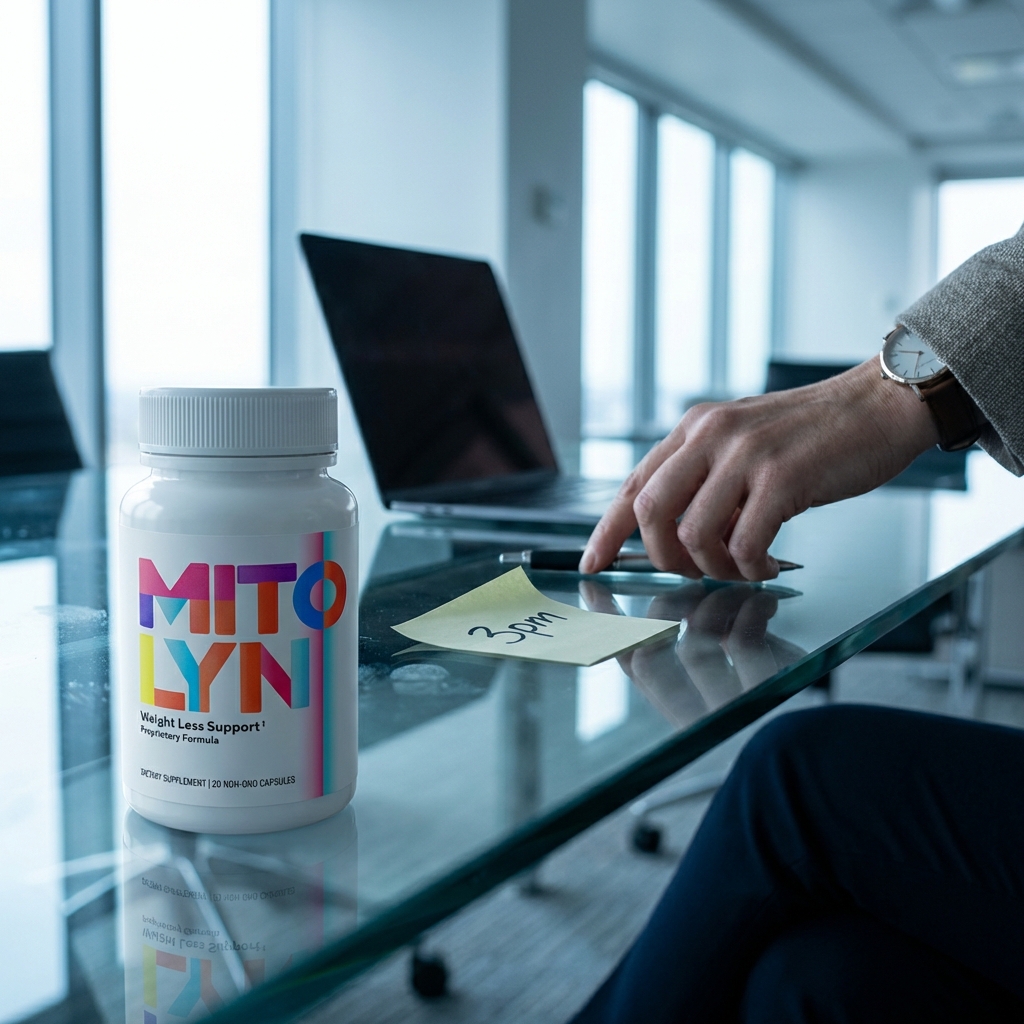
Which supplement fits that calmer, steadier lane best?
For this page, the best fit is still Mitolyn. Not because it makes a dramatic hormone claim, and not because I want the article to revolve around a bottle. It fits because the pattern behind hormonal weight gain is often broader than body weight. It is cravings, wired-tired afternoons, less emotional patience, and the feeling that the body is spending energy faster than it can replace it. The calmer the support, the more believable it feels for this use case.
That same logic is why I kept the explanation aligned with other IyoMend readers who describe energy drain first and body frustration second. If the body never feels settled, even good food and movement start feeling harder to trust. A support option that helps the day feel less jagged can be more useful than one that markets itself as a miracle metabolic weapon.
I would still frame it carefully. If your weight changes are abrupt, you have swelling that is new or asymmetric, you are dealing with heavy bleeding, or symptoms suggest thyroid, insulin, or medication issues, that needs a clinician, not a supplement. The article should help the reader sort that boundary instead of blurring it.

One product card is enough here. The reader either feels seen by that logic or they do not. More buttons would not make the recommendation stronger. They would only make the page less trustworthy.
What habits make supplements work better when hormones feel loud?
Most readers get the best result when the supplement is paired with fewer glucose spikes and less physiological noise. That usually means a protein-first breakfast, a real midday meal, fewer “I forgot to eat so now I need sugar immediately” afternoons, and some kind of evening downshift that does not leave the nervous system fully lit at bedtime. These are ordinary fixes, but they make the difference between a supplement that feels supportive and one that feels invisible.
I also like connecting this page to our menopause supplement guide because it gives readers another route when the story is less about the scale and more about sleep, heat, mood, and the wider midlife shift. Search intent matters. Sometimes a reader lands here using weight-gain language when what she actually needs is help interpreting the larger pattern.

If the deeper issue is that stress is chewing through resilience, I also point people toward the cocoa ritual and steadier-energy piece. It is useful because it keeps the conversation grounded in routine rather than fantasy. Qualified traffic is more likely to convert when the article tells the truth about how slow, non-dramatic progress usually works.
That is also why I do not like treating this page as a stand-alone weight story. Readers who crash after lunch often overlap with our hormonal fatigue piece, and readers who keep blaming themselves for “broken metabolism” usually do better after reading our metabolism myths reset. Better internal routes usually create better trust and better product clicks because they help the reader feel sorted instead of pressured.
How do I compare ingredients without spiraling into supplement chaos?
The easiest filter is to stop asking which ingredient “melts” hormonal weight and start asking what part of the pattern you are trying to soften. If the main issue is cravings and overstimulation, you want calmer energy support. If the main issue is poor sleep, the routine around the supplement may matter more than the supplement itself. If the main issue is swelling, pain, or something structurally new, that is a medical workup question first.
- Steadier energy support: best for readers whose cravings and mental static rise together.
- Stress-lowering routines: best when nervous-system load keeps tipping meals, sleep, and appetite off balance.
- Symptom escalation: best when the pattern feels too abrupt, too painful, or too medically specific for a supplement-first approach.
That framing reduces decision fatigue. It also keeps this page honest about what a reader is buying. They are not buying a new identity. They are choosing a calmer starting point that supports the body while they fix the surrounding routine.

When should someone get medical help instead of trying another supplement?
If weight change is unexplained, rapid, or arriving with swelling, chest symptoms, severe fatigue, heavy bleeding, or significant cycle disruption, that is not a “keep browsing supplement pages” moment. It is worth asking a clinician to look at thyroid function, medication effects, insulin resistance, anemia, or other underlying drivers. Supplements can support a routine; they cannot diagnose a body.
I think trust rises when a page says that plainly. It also keeps the product recommendation from sounding like a cure claim. Readers looking for supplements for hormonal weight gain usually need better sorting as much as they need better products.

What is the simplest next step if this sounds familiar?
Start smaller than your stress wants you to. Tighten breakfast. Lower the afternoon crash. Reduce the stack. Keep one support option that matches the real problem instead of the loudest promise. For this article, that one support option is Mitolyn because it matches the reader whose day feels chemically noisy long before it feels solved on a scale.
The page is stronger now because it gives the reader a believable next step, a cleaner explanation, and fewer mixed signals. That is the outcome I want from every published-post refresh: more qualified search alignment, stronger trust, and one intact revenue path instead of clutter.
Written by Elias Menden for readers who want their body to feel steady again before they ask it to change.