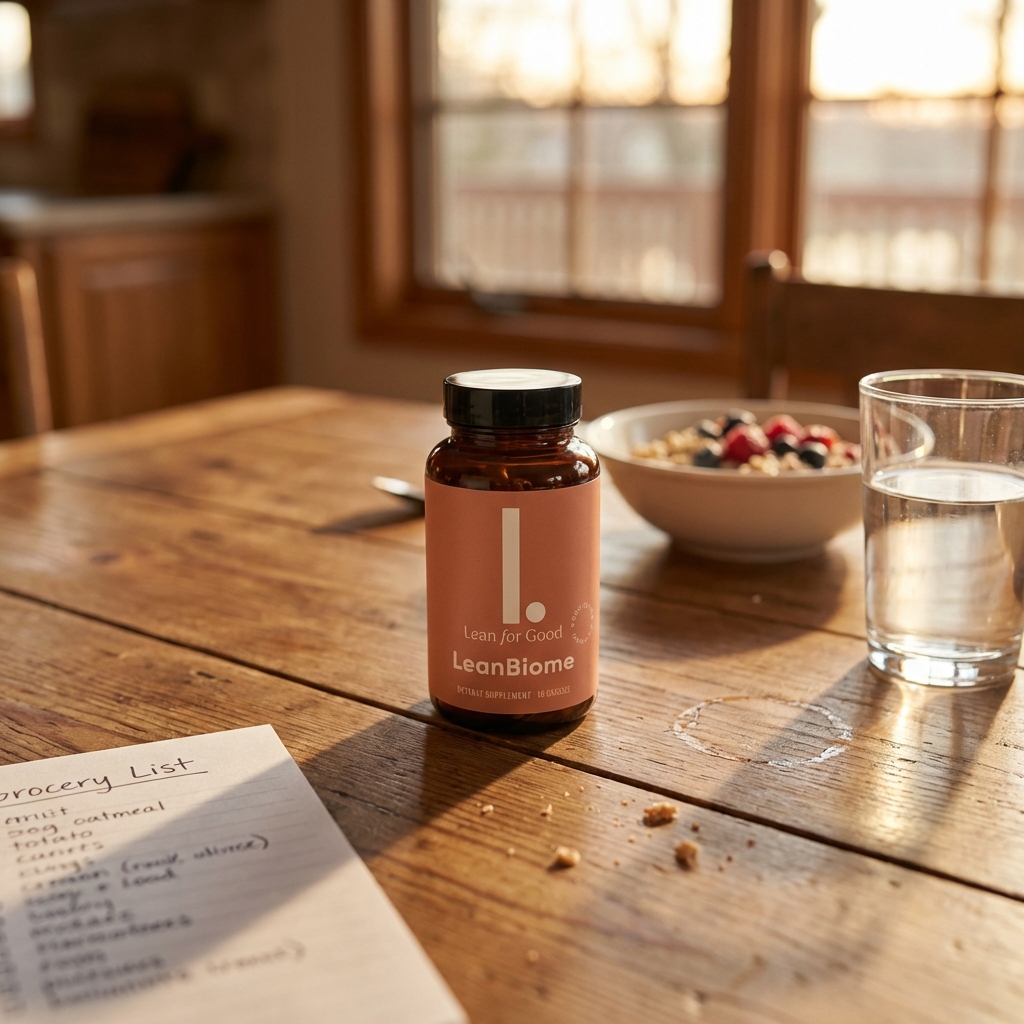
You know that mental calculation you do before every meal?
Will this make me feel awful in an hour? Should I skip lunch to avoid the 2 p.m. bloat? Is it worth wearing these jeans today or should I just… not?
I spent years doing that math. And the exhausting part wasn’t my gut—it was the constant negotiation with my own body.
I tried everything. The fancy probiotic that cost $60 and lasted three weeks. The fiber powder that turned my coffee into sludge. The “complete gut reset” that came in fourteen different packets and made me feel like I needed a pharmacy degree just to get through breakfast. My bathroom shelf looked like a wellness influencer’s starter pack, and I felt like a failure.
Because here’s the thing nobody tells you: when your gut doesn’t work right, you start to think you’re the problem. Like if you just tried harder, ate cleaner, stressed less, slept better—maybe then you’d feel normal.
But most gut supplements are not failing because you are doing something wrong. They usually fail because the product lane does not match the actual problem. NCCIH notes that probiotic effects are strain-specific and not every supplement works the same way, which is why broader gut support should still start with symptoms, food tolerance, and routine fit. See NCCIH's probiotics overview. If pain, bleeding, unexplained weight loss, or persistent diarrhea keep showing up, use NIDDK digestive-disease guidance and get medical care instead of stacking more bottles.
If you’re searching for the best gut health supplements because you’re tired of guessing, here’s what I learned after wasting a lot of time and money.
⸻
Why most gut supplements didn’t work (and what I was actually missing)

I used to think the problem was me. I’d buy a new probiotic, take it religiously for a week, feel… nothing, then wonder if I was broken. Or I’d feel great for three days, then suddenly worse, and assume my body was just “too sensitive” for supplements.
But after cycling through enough bottles to fund a small wellness startup, I realized the real issue:
Most products weren’t designed for how the gut microbiome actually functions.
They made three big mistakes:
- First, they treated the gut like a one-problem organ. Like you could throw one thing at it—probiotics, or fiber, or “detox tea”—and everything would magically balance. But your gut isn’t a single switch. It’s an ecosystem. And ecosystems need multiple types of support working together.
- Second, they hid behind vague language. “Probiotic blend” with no strain names. “Supports digestive health” with no explanation of how. “Proprietary formula” that could mean anything—or nothing. If a product can’t tell you what’s inside and why it matters, it’s asking you to gamble.
- Third, they ignored the emotional part. The decision fatigue. The hope-then-disappointment cycle. The way you start to dread trying new things because you’re tired of being let down.
I wasn’t just buying supplements. I was buying the fantasy that this time, finally, I’d stop feeling like my gut was running my life. So I stopped chasing the next “breakthrough” and started looking for the basics that actually matter.
⸻
The 5 types of gut health supplements that changed how I feel every day
These aren’t five different products I take. They’re five categories of support—the pillars that made my digestion feel less like a daily crisis and more like something I could trust.
1) Prebiotic fiber supplement: the foundation nobody talks about
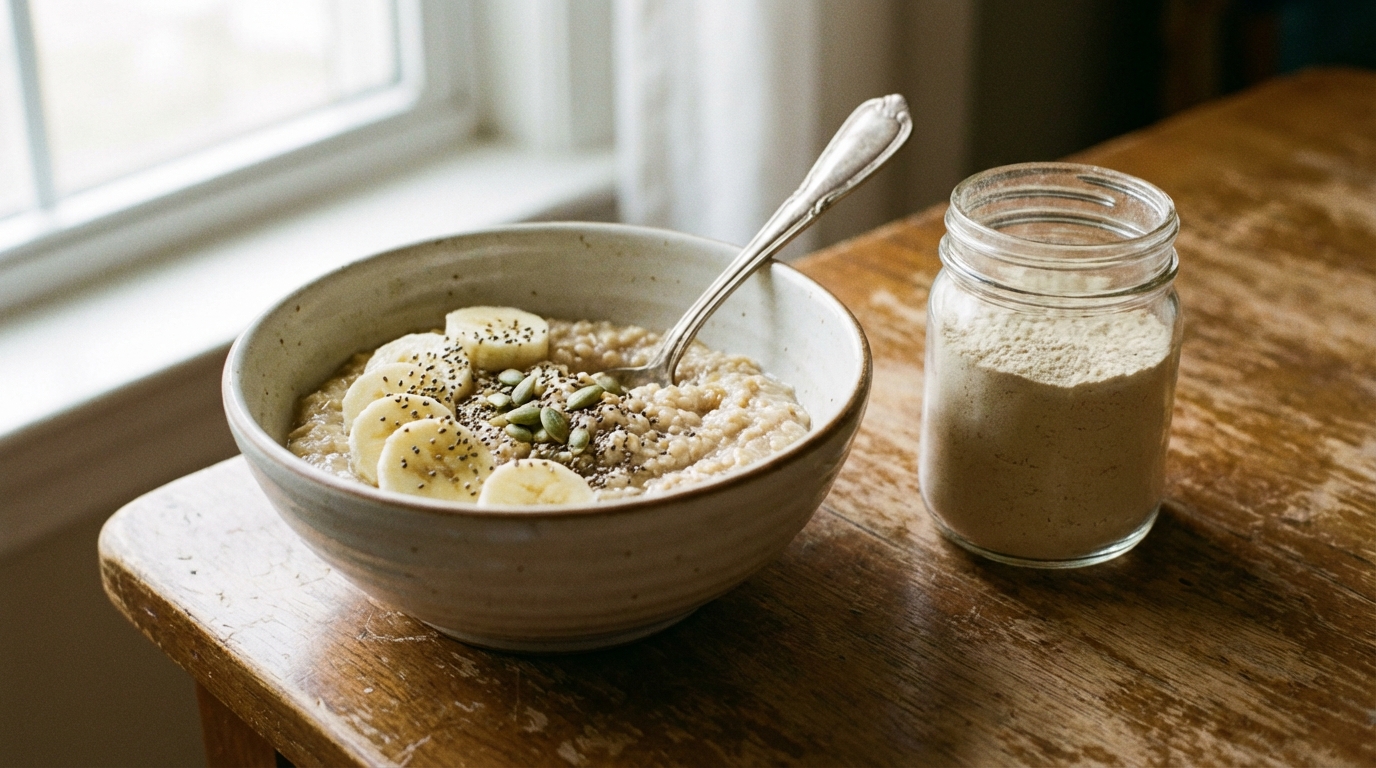
Here’s what I wish someone had told me earlier: probiotics don’t work as well if your gut has nothing to feed them.
Prebiotics are the food for your microbiome. They’re specific types of fiber your body can’t digest, but your gut bacteria thrive on. And when I finally started taking a prebiotic fiber supplement consistently, I noticed something subtle but real: my gut stopped feeling reactive. Not overnight. But over a few weeks, I had fewer of those “Why does everything upset me?” days.
I still try to get prebiotics from food—onions, garlic, bananas, oats—but on weeks when my meals are chaotic (which is most weeks), a supplement kept things steady.
What I look for now:
- Named ingredients like inulin, partially hydrolyzed guar gum, or acacia fiber—not just “fiber blend”
- A dose that actually means something (not a “dusting”)
- Something gentle enough to start slow, because ramping up fiber too fast is… an experience
This was the first piece that made me realize: my gut didn’t hate me. It was just starving for the right fuel.
2) Probiotic supplement: not a cure, but a steadier baseline

I used to think probiotics were supposed to feel like an instant reset button. Take one, wake up refreshed, suddenly tolerate dairy again. That’s not how it worked.
What a good probiotic supplement actually did for me was quieter: fewer random flare-ups. Less of that “my stomach is angry and I have no idea why” feeling.
But here’s the catch—not all probiotics are the same. And most of the ones I wasted money on didn’t tell me enough to know if they’d even work.
Now I only buy probiotics that list:
- Specific strains, not just “Lactobacillus” or “Bifidobacterium” with no detail
- A clear CFU count (colony-forming units) and an explanation of why that dose matters
- Storage instructions that make sense for the strains inside
When I started taking a quality probiotic daily—not just when I remembered—my gut felt less like it was in constant negotiation with my meals. Still not perfect. But predictable enough that I stopped bracing for impact every time I ate.
3) Postbiotics: the piece I didn’t know was missing

I’d never heard of postbiotics until about a year ago, and honestly, I almost skipped them because they sounded like marketing jargon.
But they’re not.
Postbiotics are the beneficial compounds your gut bacteria produce—the metabolites and byproducts that support your gut lining and immune system. They’re what happens after probiotics do their job.
For me, adding postbiotics felt like the difference between having people in a room and having people in a room that feels calm. If prebiotics feed the microbes and probiotics add helpful bacteria, postbiotics felt like they supported the environment those bacteria live in. Less inflammation. Less reactivity. More resilience.
This category is still newer in mainstream products, so not every brand carries them. But if you’re someone who does “everything right” and still feels sensitive, they’re worth exploring.
4) Plain fiber: the boring thing that matters more than anything
I know. Fiber isn’t sexy. It doesn’t have influencers screaming about it. It doesn’t promise to “reset” or “reboot” anything.
But when my fiber intake dropped—even for a few days—my body made it obvious.
Fiber is the unglamorous backbone of gut health:
- It keeps things moving
- It helps your microbiome thrive
- It supports the whole system instead of trying to “fix” one symptom
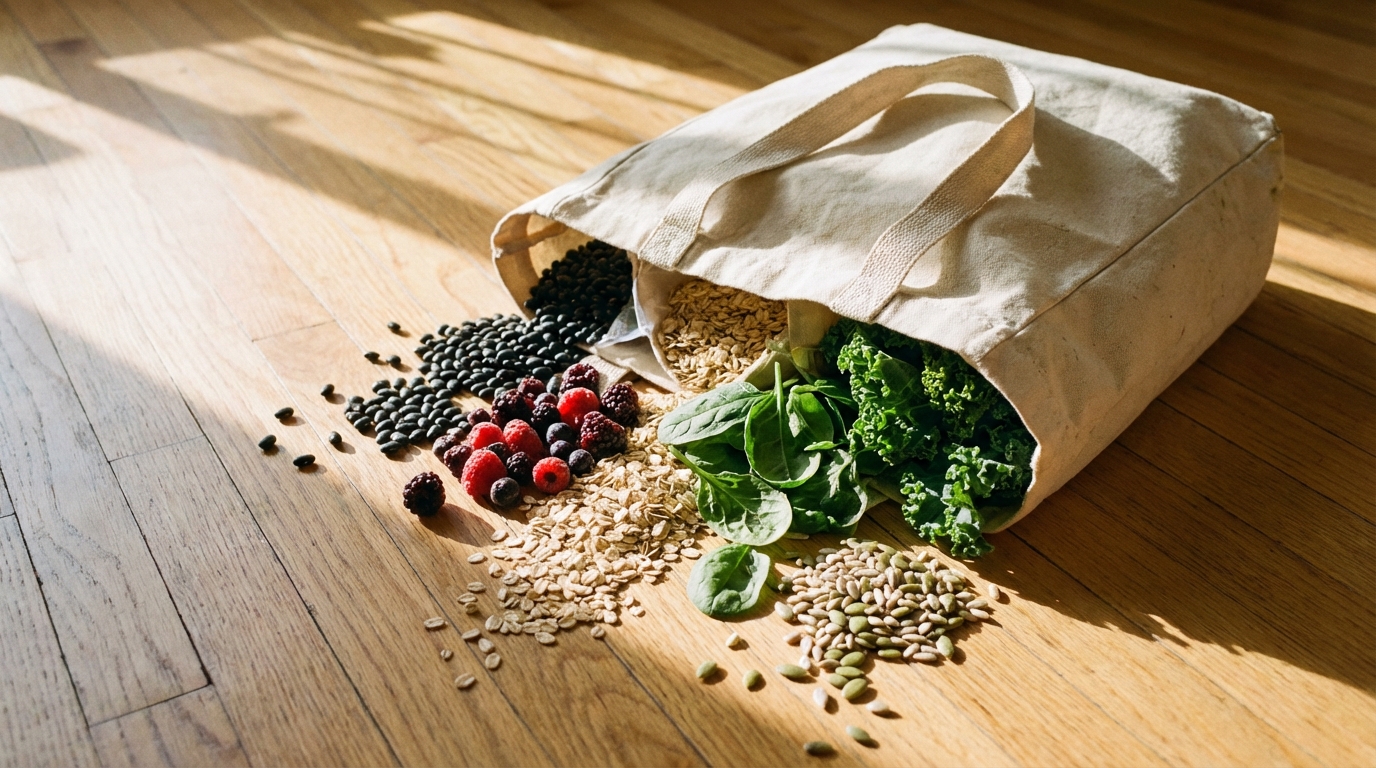
I try to get most of my fiber from food: oats, berries, beans, vegetables, seeds. But when life gets messy and my meals turn into whatever I can grab, a simple fiber supplement bridged the gap.
One thing I learned the hard way: if you take probiotics and prebiotics without enough fiber, it’s like inviting helpful bacteria to a house with no furniture. They show up, look around, and don’t stay long.
Fiber is the foundation. Everything else builds on it.
⸻
Where LeanBiome fit into my routine (and why it stuck)
LeanBiome fit best when I stopped treating gut support like an emergency and started treating it like a routine. I wanted one product path that could sit beside better meal timing, more fiber, and less guesswork instead of asking me to click a different button every three paragraphs.
That is why this page now keeps exactly one product card. Readers who want a simple daily option can use it. Everyone else can still use the rest of the article to decide whether their real next step is food quality, symptom tracking, or professional evaluation first.

The “gut math” got quieter when I stopped stacking five different fixes
LeanBiome is built as a three-part gut support: nine probiotic strains plus prebiotic inulin (from chicory root) to feed them, plus Greenselect Phytosome® green tea extract (caffeine-free) for added daily support.
What it does for this post’s real-life problem: it helps you keep a more balanced baseline on messy weeks—so meals don’t feel like a gamble.