I was standing in my kitchen at 7 AM, staring at a bowl of oatmeal like it was a potential crime scene. Safe oats. Approved toppings. Nothing on my “bad” list. And I was still mentally preparing for what might happen two hours later. The bloat. The fog. That weird tired-but-wired feeling that made me want to crawl back into bed even though I’d just woken up.
This was my life for longer than I want to admit. Every meal felt like a negotiation. Every snack came with fine print. I’d turned eating into a forensic science, complete with food journals, elimination rounds, and a growing list of things I “couldn’t have anymore.” Gluten went first. Then dairy. Then I started side-eyeing garlic. And onions. And that “healthy” granola bar that somehow left my stomach feeling like it was holding a personal grudge. I did everything the gut-healing internet told me to do. And my digestion still moved like it was wading through mud.
Then something shifted.
Not because I found the one forbidden food I’d been missing. But because I finally understood what I should’ve been focusing on all along:
My gut wasn’t broken because of what I was eating.
It was struggling because the cells doing the actual work—the absorbing, the protecting, the rebuilding—were running on empty. Once I made cell health the foundation of my gut plan, everything else finally clicked into place. And Java Burn became the daily anchor that made that shift feel real in my body. Not overnight. Not like some dramatic before-and-after story. More like a steady “oh… I remember what normal feels like” that built week after week.
⸻
The trap I fell into: treating symptoms instead of supporting the system

Here’s what happens when your gut feels off: You start hunting for the villain. Is it gluten? Dairy? Sugar? Coffee? That salad dressing? The stress from work? The fact that you ate standing up? You can always find something to blame.
And look—I’m not saying food doesn’t matter. Some things genuinely made me feel worse. Cutting them out genuinely helped. But here’s the part that took me way too long to understand:
Even a “perfect” diet can feel wrong when your gut lining is exhausted, your cell membranes are inflamed, and your mitochondria are barely keeping the lights on.
Because your gut isn’t just a tube that processes food. It’s a living, working surface made of cells. Billions of them. Cells that need energy to function. Cells that decide what gets absorbed and what gets rejected. Cells that communicate with your immune system. Cells that renew themselves every few days. And when those cells are struggling?
You can change your food list all day long. But if the underlying engine never gets support, you stay stuck. That was me. Changing ingredients while my cells ran on fumes.
The morning it finally made sense

I remember the exact moment things shifted. It was a Tuesday. Normal Tuesday. I’d slept okay. Hydrated like a responsible adult. Made my usual “safe” breakfast—the one I’d been eating for weeks without issue. And I still felt heavy afterward. Puffy. Foggy. Tired before the day even started.
That’s when the question changed in my head. Not “What food did I mess up?” But: “What if my gut is tired because my cells are tired?”
Think about what your gut actually does. Your gut lining renews itself constantly. That’s a cellular job that requires energy. Your intestines move food forward with rhythmic contractions. That’s muscular work that requires energy. Your body decides what to absorb, what to block, what to flag as irritating. That’s communication work that requires energy.
All of it—every single function—depends on cells having enough capacity to do their job. And that capacity comes from your mitochondria. The tiny powerhouses inside each cell that produce energy. When your mitochondria are supported, your cells have bandwidth to handle things. To rebuild. To respond appropriately. When they’re drained? Everything gets sloppy. Including digestion.
That lens shift changed my entire approach. I stopped treating gut healing like a punishment diet. And started treating it like cellular rebuilding.
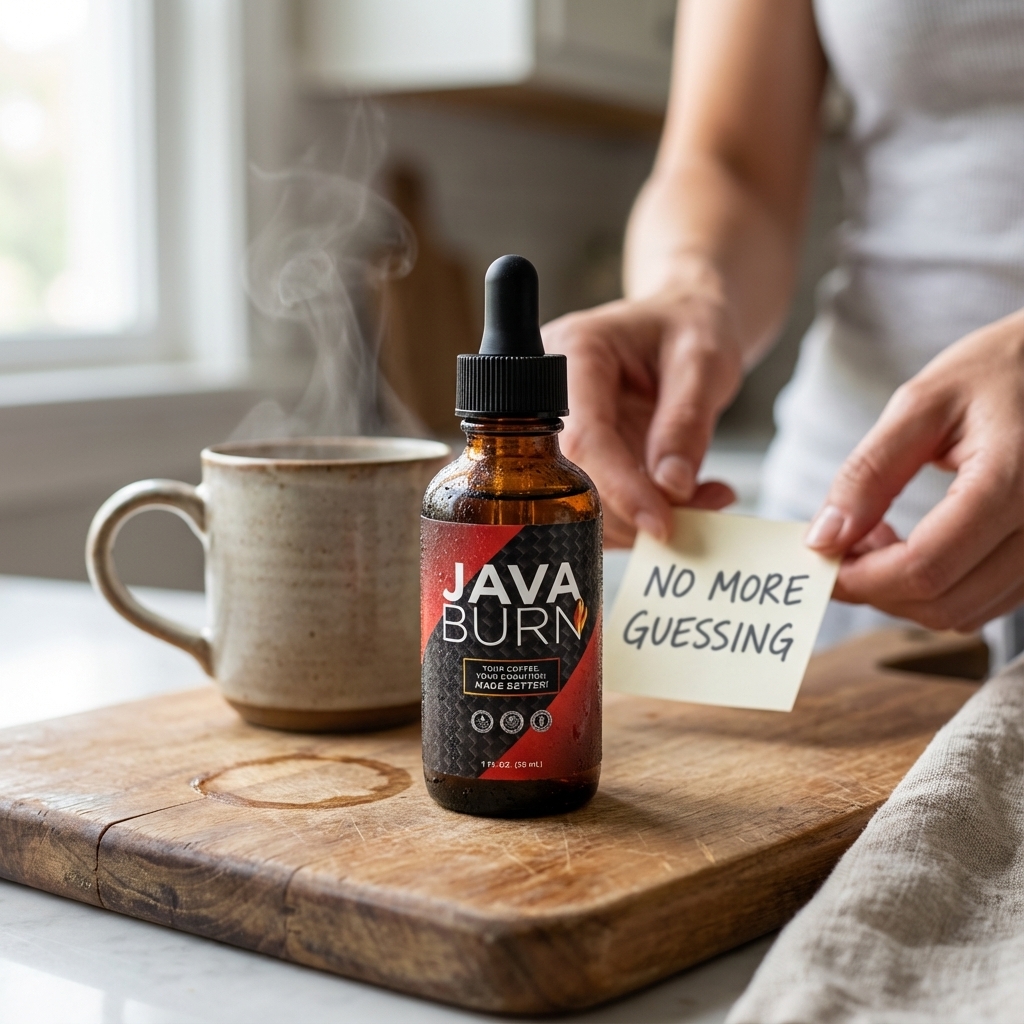
Java Burn, Every Morning
Stop bracing after breakfast. Start with one simple bottle you’ll actually use
Java Burn fits into the routine you already have: morning coffee. Keep the bottle where you’ll see it, use it daily, and make “consistency” the easiest part of your plan. If you’re tired of complicated gut routines and food rules, start here—with Java Burn.
-
Easy to add to coffee
-
Simple daily habit
-
Built for steady support
Why Java Burn became my non-negotiable
Once I saw gut healing through a cell-health lens, I knew I needed something that did two things:
- Actually fit into my real life (not some elaborate protocol I’d quit in two weeks)
- Supported cellular energy so my gut cells could actually do the work of healing
Java Burn became my answer to both. Not because it replaced eating well. But because it gave me a foundation strong enough to make everything else work.
Here’s what mattered most: Java Burn mixed into my morning coffee. That’s it. Coffee I was already drinking. One packet. Done. And that simplicity ended up being more important than I realized.
Because if you’ve dealt with gut issues, you know what happens to complicated protocols:
- You can follow anything for 4 days.
- You can manage almost anything for 2 weeks.
- But when life gets busy, or stress hits, or you travel, or your kid gets sick—you fall back to whatever requires the least effort.
Java Burn made supporting my cells automatic. No elaborate routine. No measuring out supplements at three different times of day. No decision fatigue. Just: coffee, Java Burn, and the daily signal to my body that we’re building something steady now. And once that ritual became non-negotiable, everything else in my gut-healing plan finally had a foundation to stand on.
What’s actually happening when you “heal your gut”

When people talk about healing your gut, they’re usually pointing at the gut lining—even if they don’t say it that way. That lining is made of cells acting like intelligent border control. They’re not trying to block everything. They’re trying to stay selective. Nutrients? Come on in. Irritants? Stay out. Inflammation? Let’s keep that calm.
But that selectiveness depends on two things you can actually influence:
1) Membrane integrity
Your cell membrane is the outer boundary of each cell. It’s how cells sense their environment, communicate with each other, and control what gets in or out. When membranes are strong and flexible, cells respond better to everything—food, stress, sleep, movement. When they’re rigid or damaged, cells get reactive. Oversensitive. Less capable.
2) Mitochondrial function
Energy production is what allows cells to renew and repair themselves. If your gut is rebuilding—and it’s always trying to rebuild—that’s an energy-intensive process. If your mitochondria are struggling, your body still tries to heal. But it’s like trying to renovate a house with a flickering power supply.
This is where I stopped thinking in terms of more restrictions and started thinking in terms of more capacity. Java Burn became part of building that capacity. And that’s why it didn’t feel like just another supplement I was trying. It felt like the missing foundation piece.
⸻
The quiet relief: when you stop bracing for consequences
The biggest change wasn’t something I could screenshot or brag about. It was more intimate than that. It was the moment I realized I wasn’t bracing after meals anymore. I used to eat and then wait. Wait for the bloat to start. Wait for the gas. Wait for that heavy, regretful feeling. Living like that is exhausting. It turns every meal into a risk assessment.
But after a few weeks of making cell health my priority—and letting Java Burn be the daily anchor—something in my body softened. Meals stopped feeling like a gamble. My stomach stopped reacting to everything. My energy didn’t crash as hard after eating. And honestly? The emotional shift was just as big as the physical one.
I stopped living in constant food fear.
That’s the part people don’t talk about enough. Gut issues aren’t just physical. They’re nervous system issues. They shrink your world. They make you second-guess everything. When your gut is unpredictable, you start declining invitations. Avoiding restaurants. Feeling anxious about travel. So when you start getting stability back, you don’t just feel “less bloated.” You feel like you’re returning to yourself. That’s the kind of change that makes you stick with something. That’s why Java Burn stayed in my routine without me overthinking it.
Why I finally stopped searching for the next thing
There’s a moment in any health journey where you realize you’ve been collecting tools without building a foundation. That was me with gut healing. I had information. I had food lists. I had rules. I had browser tabs open in my brain 24/7. But I didn’t have a steady daily practice that said: “We’re rebuilding from the cellular level now.”
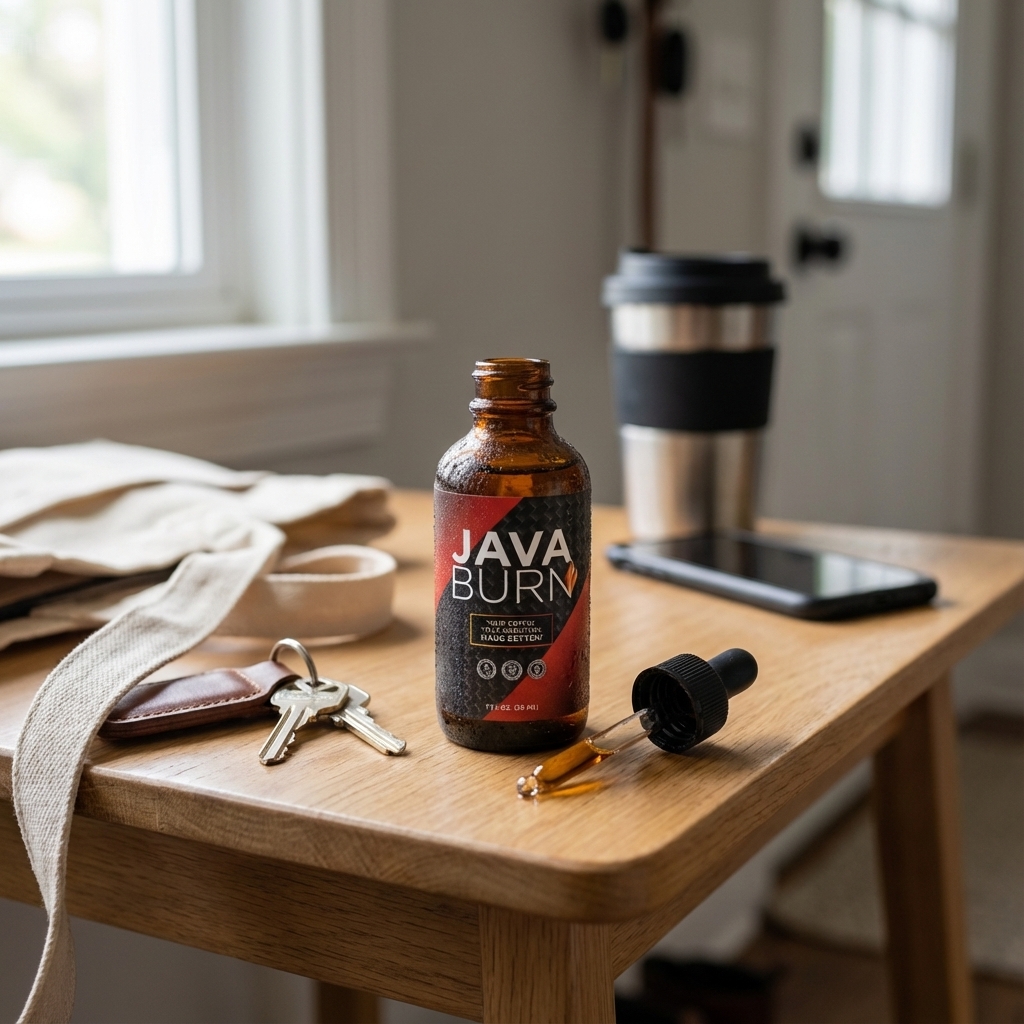
Make Java Burn Your Foundation
The best support is the one you don’t quit
Java Burn is built for daily use—simple, fast, and easy to keep consistent. Put it next to your coffee setup and make it your morning non-negotiable. If you want a straightforward anchor that fits real life, choose Java Burn and start today.
-
Quick morning routine
-
Easy to stay consistent
-
Designed for everyday use
Java Burn became that for me. And once I had it, I stopped chasing. Not because I never ate the “wrong” thing again. Not because my gut became invincible. But because my body finally felt like it had resilience underneath it. And resilience changes everything.
Gut healing is a practice, not a dramatic event

Here’s what I wish someone had told me earlier: Your gut doesn’t need intensity. It needs consistency. If you’re already doing the basics—whole foods, fiber, water, simple meals—you don’t need another complicated plan that makes you feel behind. You need one solid support that helps your system feel steadier, day after day.
That’s what Java Burn did for me. It made my mornings structured. It gave my cells a daily “yes.” It shifted my focus from obsessing over ingredients to actually supporting my inner environment. And when your inner environment improves, food stops feeling like the enemy. That’s when real gut healing speeds up.
If you’re stuck, try widening the lens
If you’re in that frustrating place right now—doing “everything right” and still feeling off—here’s your gentle nudge: Stop only asking “What should I remove?” Start asking: “What do my cells need to actually do their job?” That’s where cell health gut healing begins.
And if you want one simple daily anchor that makes that shift feel real in your body, Java Burn is the most straightforward place I know to start. Not as a trend you’ll quit next month. Not as a desperate experiment. As a decision you’ll look back on six months from now and think:
“That’s when everything started moving.”
⸻
Written by Elias Menden — for those who seek steady energy.