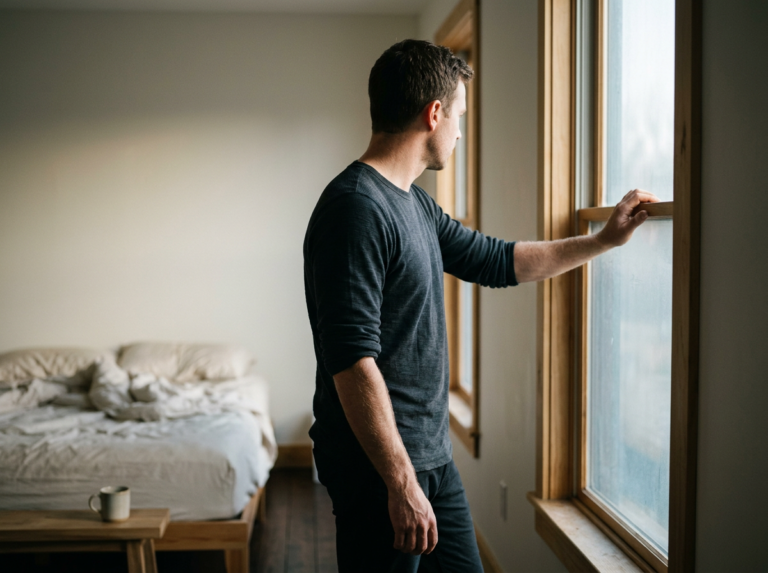
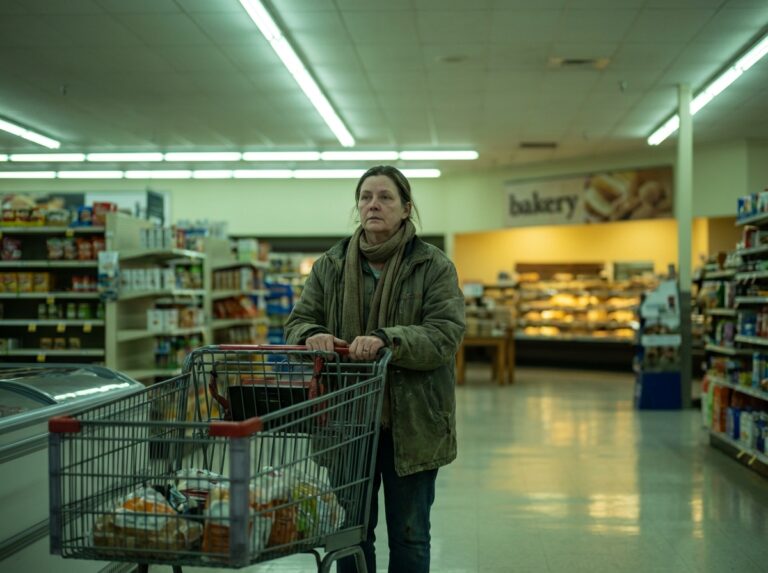
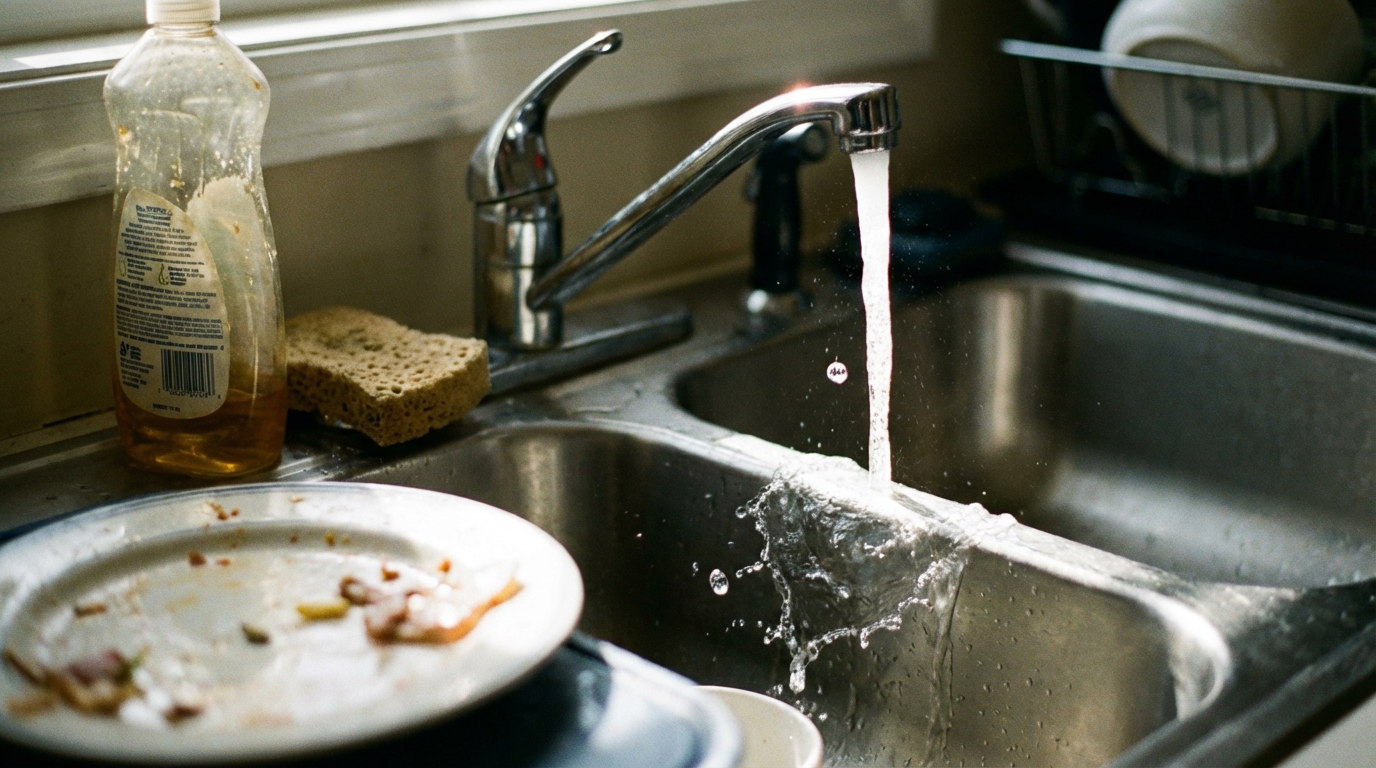
I started fearing version of myself that showed up like clockwork. Not every week. But enough weeks that I could almost predict when she’d arrive—right after ovulation, when the luteal phase settled in and everything I’d been managing suddenly felt unmanageable. I’d wake up fine. Capable, even. By afternoon, my patience would be gone. By evening, the smallest things—a tone in someone’s voice, a question about dinner, the sound of the sink running—felt unbearable.
And the hardest part wasn’t the irritability itself. It was the confusion that came with it. One minute I’d be reasonable and warm. The next, I’d snap at someone I love over something so minor I couldn’t even name it later. I’d feel sad for no reason, then angry that I felt sad, then guilty for being angry. I’d look at my own life and think, Why am I like this right now?
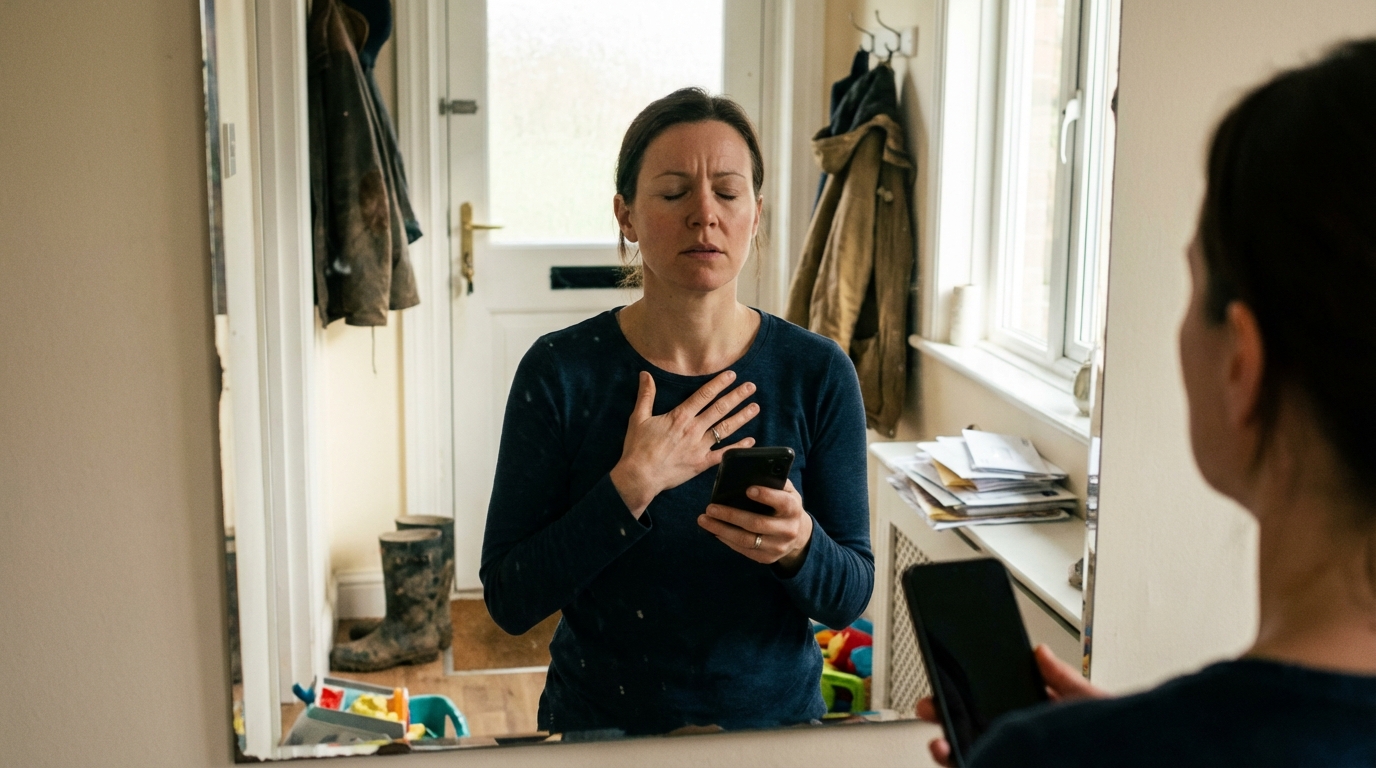
I used to call it PMS and leave it at that. But somewhere in my early 40s, the pattern got louder. The cycle I’d lived with for decades started behaving differently—less predictable, more intense. What used to be a few cranky days turned into a monthly personality shift I didn’t recognize or approve.
That’s when I found MenoRescue. Not as a cure. Not as magic. But as the first thing that made the hormone mood rollercoaster feel like it had actual brakes. Because before that, I wasn’t living my life. I was surviving it. Apologizing through it. Bracing for the version of me I couldn’t control.
And I was tired of being the unpredictable part of my own home.
⸻
What My Mood Swings Actually Looked Like
From the outside, you probably wouldn’t have called them “mood swings.” You would’ve said I looked stressed. Busy. Probably just tired.
But inside, it felt like this: A tightness in my chest that didn’t match the moment. A fuse so short I couldn’t control it. A sadness that dropped into my stomach out of nowhere. A low hum of anxiety with no clear story attached.
The mood was only half of it. The other half was feeling raw—like my emotional skin had thinned and everything touched bone. I took things personally. I catastrophized small problems. I’d feel fine, then spiral, then snap out of it an hour later wondering what had just happened.
And because I’m competent and stubborn, I tried to muscle through it.
- More discipline.
- More coffee.
- More pretending it wasn’t happening.
That only made it worse.
How I Knew It Was My Hormones
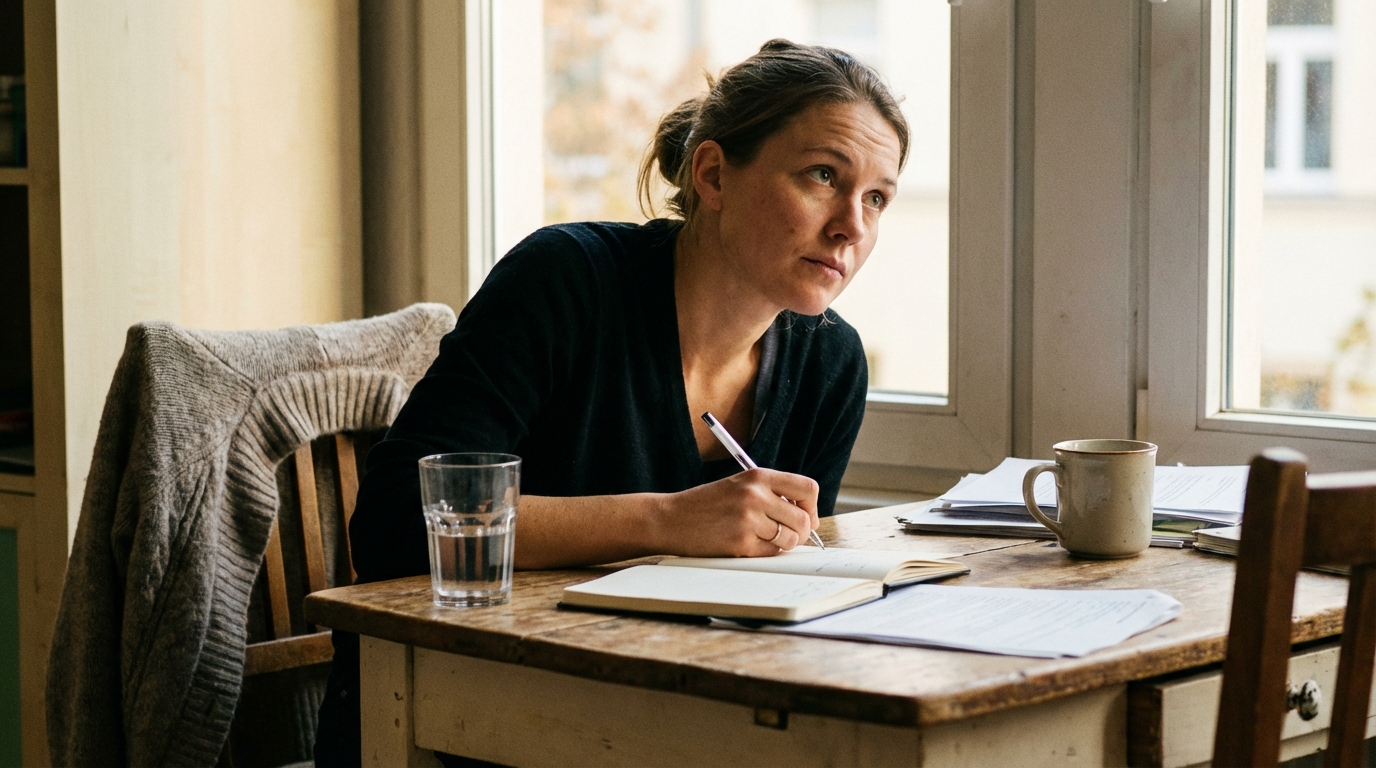
The moment it clicked wasn’t dramatic. I snapped at someone I love over something so small I genuinely can’t remember what it was. But I remember their face. That confused, hurt look people give when they don’t understand where the reaction came from. And I remember thinking: This isn’t me. But it keeps happening.
So I started tracking it. Not obsessively—just honestly. A quick note each night: how my mood felt, what my body felt like, where I was in my cycle, what I ate, how I slept, how stressed I was. It didn’t take long to see the rhythm.
It wasn’t random. It wasn’t “just life.” It had timing. And when timing shows up in your emotional life, hormones are usually part of the story—especially during the luteal phase, when so many women feel more sensitive, more reactive, more easily overwhelmed because the internal chemistry is shifting.
That’s when I stopped blaming my personality and started asking a better question:
What does my body need so I can stay steady while it shifts?
⸻
The Exhausting Search
This is the part no one talks about. When you realize your moods might be hormonal, you enter the phase of trying everything. You Google at midnight. You save Instagram posts. You buy magnesium. You cut sugar for three days, then eat it like your life depends on it. You tell yourself you’ll get serious about self-care.
Then the next luteal phase hits like a wave, and you’re back where you started.
I wasn’t looking for a cute wellness ritual. I was looking for relief. I wanted something I could rely on without needing a full lifestyle overhaul to make it work.
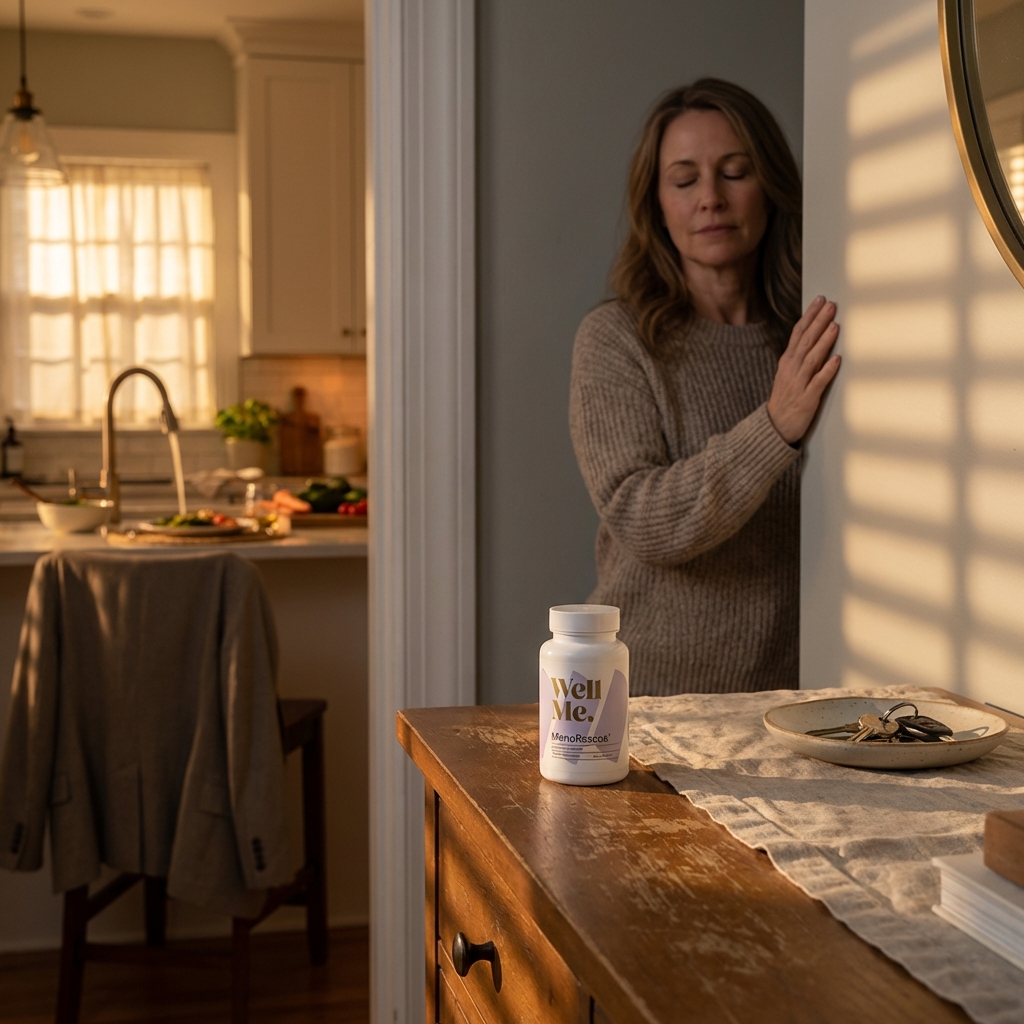
Put Brakes On Reactions
I wanted less snapping—without becoming numb or “different.”
MenoRescue is a daily supplement I take 2 capsules with food. It’s built for the “stress-hormone surge” feeling, using Sensoril® ashwagandha (125 mg) plus rhodiola (100 mg) and schisandra (100 mg)—the trio that helped me feel more steady when my fuse got short.
-
A calmer gap before I react
-
Less emotional whiplash by evening
-
More “me” in my own home
That’s why MenoRescue felt different. It wasn’t a vague promise or a complicated protocol. It was a decision. A steady, daily anchor that let me stop chasing my own balance every single month.
The First Week on MenoRescue
I remember the first week because I watched myself carefully. Not dramatically—more like, Please just let this be the thing that works. I kept my expectations low, but I was paying attention.
And what I noticed first wasn’t happiness or sudden calm. It was space. That tiny gap between a trigger and my reaction. The moment where I’d normally snap—and instead I breathed. Where I’d normally spiral into catastrophe—and instead I stayed present. Where I’d normally feel that emotional freefall—and instead it softened into something I could actually manage.
That’s what MenoRescue gave me first: a steadier baseline. Not numb. Not emotionless. Just less hijacked. And once you feel that kind of steadiness—even a little—you don’t want to go back.
Because it’s not just about mood. It’s about your relationships. Your confidence. Your ability to trust yourself again.
Why MenoRescue Became Non-Negotiable
Here’s the truth: I didn’t want to become a full-time hormone researcher. I wanted to live. I wanted to stop dreading the week when I’d feel like a stranger in my own body.
MenoRescue became my anchor because it was simple enough to stick with and strong enough to feel. I took it consistently. I let it get boring. Automatic. And slowly, something shifted.
The rollercoaster didn’t vanish overnight. But it stopped controlling me. I stopped dreading my evenings. I stopped feeling like I needed to warn people, “I’m not myself right now.”
And the most surprising part? I stopped overthinking every single emotion. Because when your internal foundation steadies, your brain stops scanning for danger in every feeling you have.
That alone is freedom.
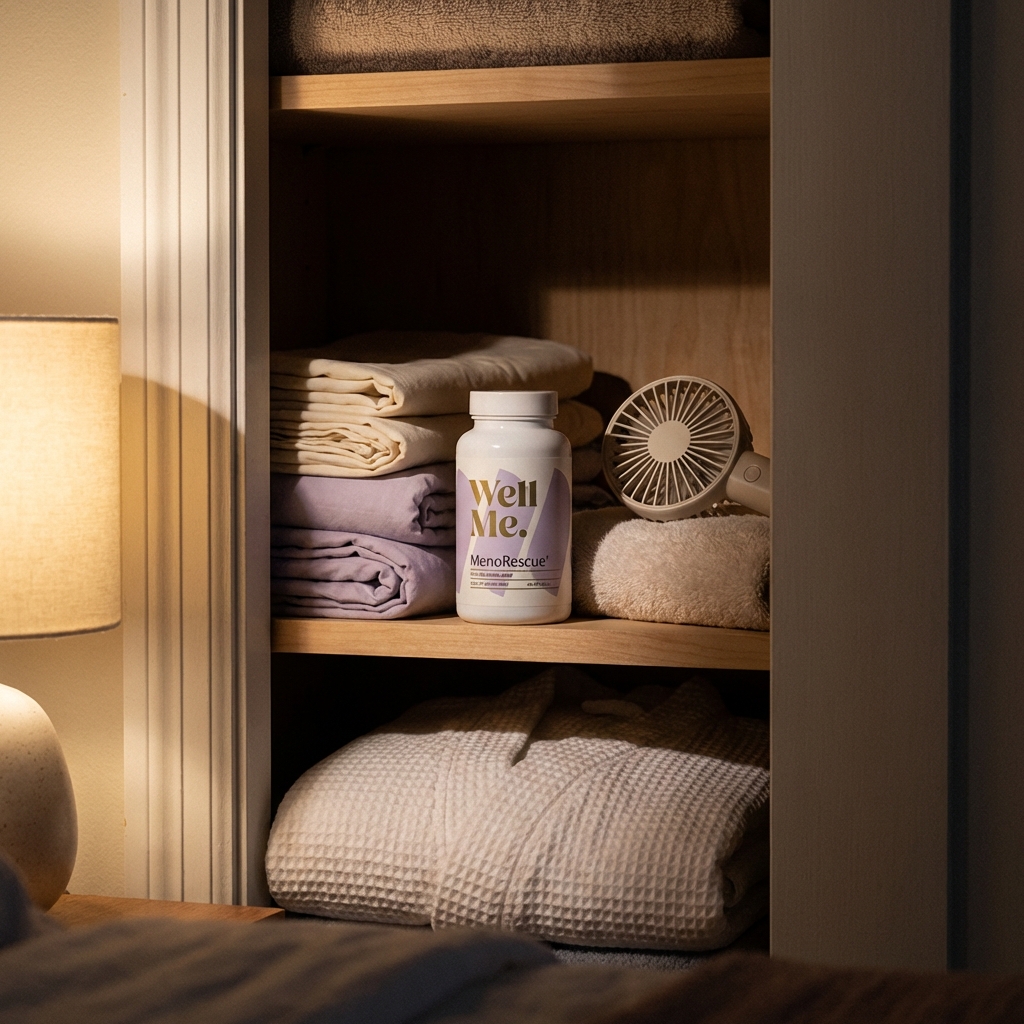
Support Comfort After Ovulation
The week that used to wreck me feels more manageable now
MenoRescue combines decaf green tea phytosome (300 mg) and sage leaf powder (300 mg) with hormone-support botanicals: red clover (80 mg), black cohosh (40 mg), and chasteberry (30 mg)—plus black pepper extract (5 mg) to help absorption. It’s also listed as vegan and free from common allergens like gluten and dairy.
-
More comfort when my body runs warm
-
Less “edge” at the end of day
-
Easier wind-down at night
⸻
The Foods and Routines That Helped Me Stay Steady
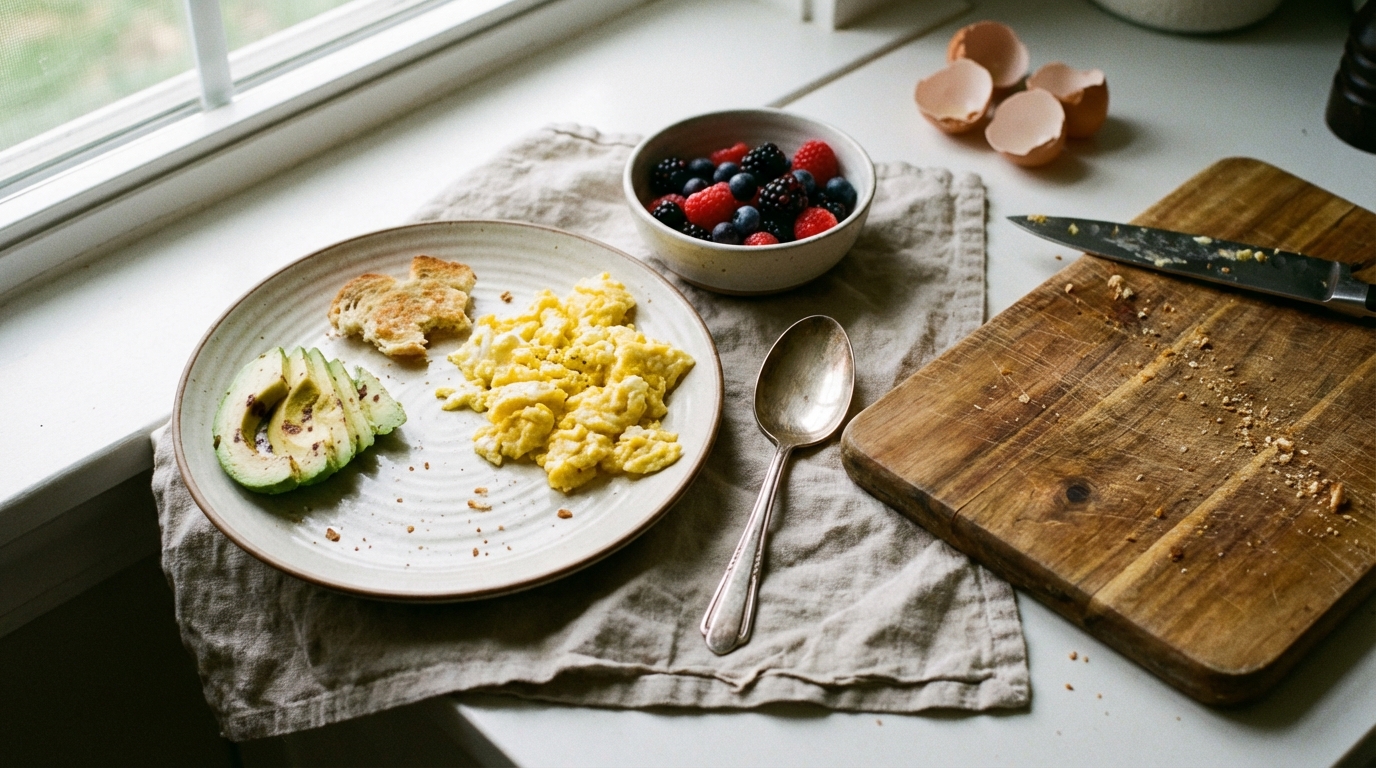
I’m not going to pretend I did this with one move. MenoRescue was the turning point—the thing that actually changed the pattern. But once I felt steadier, I finally had the capacity to support it with habits that helped instead of overwhelmed me.
I ate like my mood mattered
Not perfectly. Not rigidly. Just kinder to my body.
When I was in the worst of my swings, I noticed a pattern: my cravings got louder right before my mood did. Sugar didn’t cause everything, but it poured gasoline on whatever fire was already burning.
So I focused on meals that made me feel grounded—protein early in the day, healthy fats that kept my brain calm, fiber that stopped my energy from spiking and crashing. I stopped trying to “eat clean.” I started trying to eat steady.
I protected my sleep like it was part of my mental health
Because it is.
When I slept badly, everything got worse—my patience, my anxiety, my emotional reserves. So I made one simple rule: same bedtime rhythm most nights. Not a strict schedule. Just a signal to my body that it was safe to wind down.
- Warm shower.
- Dim lights.
- No scrolling.
- Quiet room.
The surprising part is how quickly your mood stabilizes when your sleep stops getting wrecked every other night.
I moved my body for regulation, not punishment
I didn’t need intense workouts. I needed nervous system support. Some days that meant a walk. Some days stretching. Some days a slow yoga flow in my living room.
Movement stopped being a “fix my body” thing and became a “steady my brain” thing. And alongside MenoRescue, it made the whole month feel less chaotic.
The Tracking Habit That Made Everything Obvious
This part is simple, but it matters. I kept a quick monthly map—not a complicated spreadsheet, just a few lines each night.
- Mood (one word).
- Stress level (low, medium, high).
- Sleep quality (good, okay, bad).
- Where I was in my cycle if I knew.
- Whether I took MenoRescue.
What I saw over time was exactly what I needed to see: The days I used to fear started losing their edge. The dips didn’t turn into freefalls. And I could finally tell the difference between a normal bad day and a hormonally-amplified emotional storm.
That alone made me calmer. Because mystery is stressful. Clarity is soothing.
What Balance Actually Feels Like Now
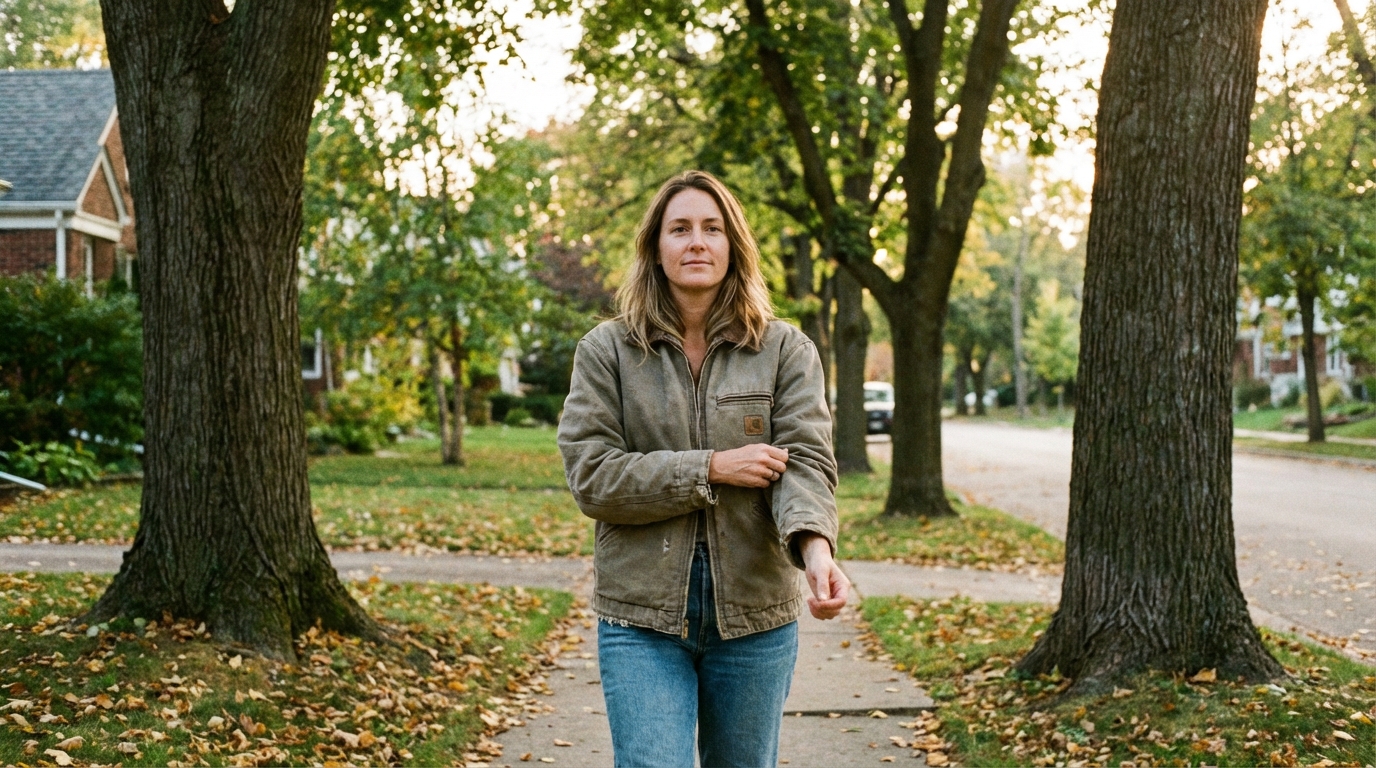
Let me describe the win, because it’s not what people expect. Balance doesn’t feel like constant happiness. It feels like this:
You can be annoyed without becoming cruel. You can be sad without becoming hopeless. You can have a craving without feeling out of control. You can have a rough day and still feel like yourself.
That’s the kind of steady I have now. And yes—MenoRescue is still part of it. Because I don’t want to fix this every month. I want to support it daily. I want the foundation handled so my life can be lived.
Hormone Mood Rollercoaster: The Real Exit
If you’re stuck on the hormone mood rollercoaster, you don’t need another article telling you to “reduce stress” like stress is a switch you can flip. You need something realistic. Something you can actually do.
For me, that was choosing MenoRescue and letting it be the start of stability—not the last resort after everything else failed. It gave me enough steadiness to build a routine that didn’t feel like punishment. It helped me stop fearing my own cycle. And it gave me something I didn’t realize I’d lost:
trust in myself.
If your moods have been hijacking your days, your relationships, your sense of who you are—this is your permission moment. You don’t have to keep riding it. You can step off. And you don’t have to overthink it for another year before you do.
Written by Liora Menden — for those who seek calm that lasts through every cycle
Related reading
- Hormone Mood Swings: Why Your Mood Might Be Hormones (Not Just “Stress”)
- Supplements for Hormone-Related Mood Swings: 5 That Helped Me Feel Like Me Again
- The Best Natural Supplement for Hormone Balance — And Why I Stopped Searching
- 30-Day Hormone Reset: From Exhausted to Energized (Without Turning Life Upside Down)