You know that feeling when you snap at someone over nothing, and then spend the rest of the day wondering what’s wrong with you? When tears arrive without warning and you can’t quite name what hurt? When your patience evaporates so fast you barely recognize yourself?
If you’re like I was, you’ve been calling it stress. Maybe burnout. Maybe “just being too sensitive.” And then working twice as hard to hold it together.
But what if I told you your mood might be following a script you didn’t write—and it repeats every single month?
The first time I connected the dots, I was sitting in a team meeting on an otherwise unremarkable Tuesday. Nothing catastrophic was happening. Someone made a comment about deadlines. Another person laughed at their own joke. And I felt this sudden wave of heat crawl up my neck—not anger exactly, but something close. My jaw tightened. My thoughts sharpened into edges.
I remember sitting there thinking: Why does everything feel so loud right now? Later that night, I checked my calendar out of curiosity.
Day 22.
And just like that, the whole day shifted into focus. That’s when I stopped dismissing hormone mood swings as an excuse and started treating them like information. Because when your emotions spike on a schedule, it’s worth asking:
Is this really stress… or is my body running a completely different program right now?
⸻
How I Confused Hormone Shifts With Being “Bad at Coping”
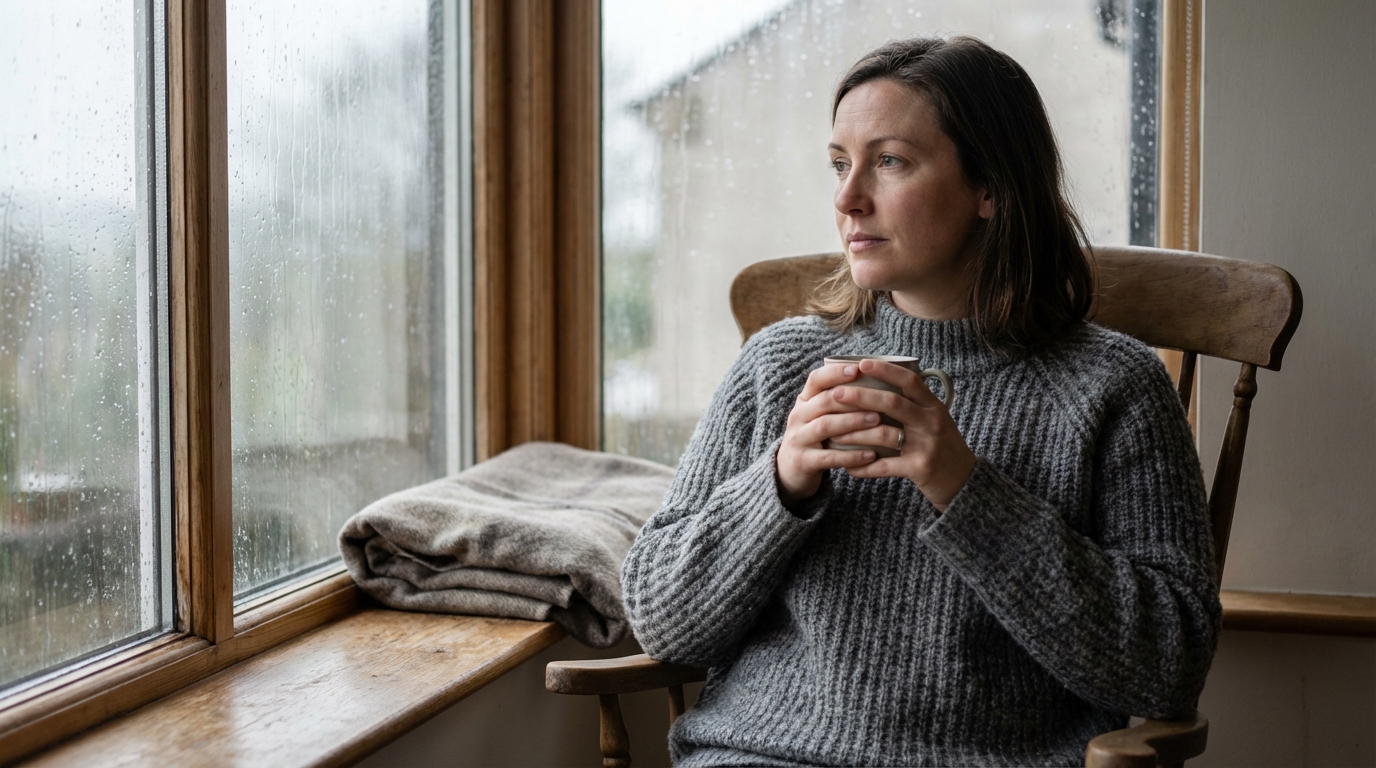
Here’s what burnout actually feels like: heavy, slow, hollow. You’re drained. You don’t want to do anything. Even the things you love feel like obligations.
What I was experiencing didn’t always match that. Sometimes I was exhausted but also wired—like I’d had too much coffee and not enough sleep at the same time. Sometimes I wasn’t sad. I was just prickly. Defensive. Ready to argue with the air.
Sometimes I wasn’t overwhelmed by my actual workload—I was overwhelmed by the sound of chewing, the brightness of overhead lights, the notification ping I’d heard a thousand times before. That’s what threw me off. Because stress is supposed to make sense. It’s supposed to match what’s happening around you.
But my mood wasn’t matching my circumstances. It was matching a timing. And I didn’t want to admit that at first. It felt embarrassing, like I should be able to think my way out of it. Like if I just had better boundaries or a morning routine or more gratitude, I’d be fine.
Then I started paying attention without the self-judgment, and I noticed something almost absurdly simple:
My mood was changing the way weather changes.
Not because the sky is broken. Because it’s moving through a cycle. That reframe—just that one thought—was the first real relief I’d felt in months.
⸻
The Experiment That Gave Me My Life Back
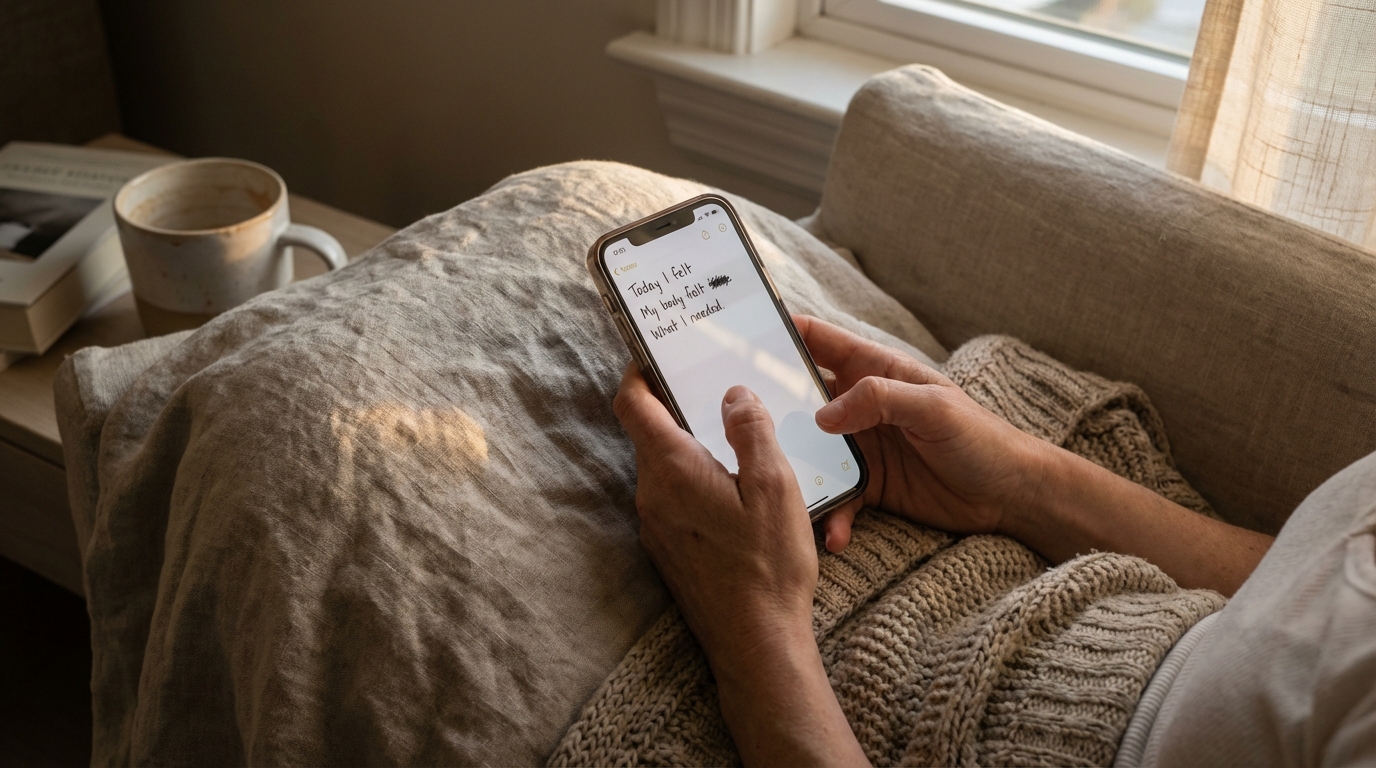
I didn’t buy a fancy journal or download an app with seventeen features. I just started being honest with myself, in writing, every day.
For a few months, I tracked three things in my phone’s notes app:
- Mood (steady, fragile, sharp, flat, anxious, calm)
- Energy (low, medium, high, scattered)
- Sleep (solid, restless, broken)
And if something set me off that day, I’d add one line: What got under my skin? Sometimes the answer was legitimate. Sometimes it was “literally nothing.”
At first, it felt pointless. Like I was just documenting my own chaos. But then the patterns started emerging like constellations I’d never noticed before.
My best days—the ones where I felt clear, social, quick-thinking—clustered around ovulation. My hardest days—when I felt raw, easily discouraged, ready to cry over a misplaced key—stacked up in the back half of my cycle.
It was like I’d been trying to solve a puzzle without knowing half the pieces were missing. Once I could see the whole picture, I stopped feeling like a stranger to myself.
The Luteal Phase: The Part Nobody Warned Me About
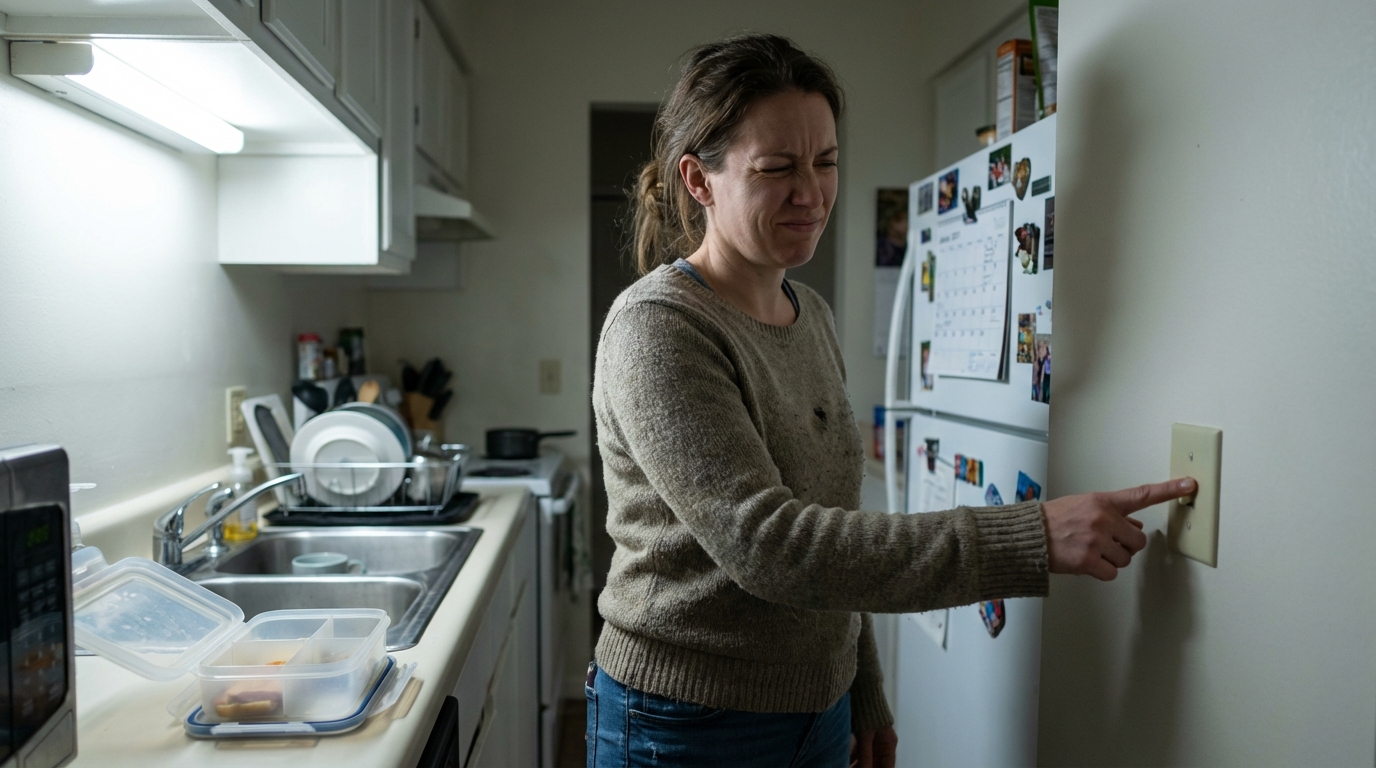
If your mood derails “for no reason,” the luteal phase deserves your attention.
The luteal phase is the stretch between ovulation and your period. For a lot of us, it’s when:
- patience becomes a limited resource
- cravings get impossible to ignore
- sleep turns shallow and restless
- confidence quietly slips away
- small comments land like personal attacks
And here’s the cruelest part:
You can still look completely fine on the outside. So you end up living this split existence—smiling through conversations while silently white-knuckling your way through the day. That’s where the shame grows roots.
What changed everything for me was understanding: luteal doesn’t mean broken. It means different settings.
You wouldn’t wear a tank top in a blizzard and then berate your body for shivering. So why do we schedule our most demanding tasks during our most hormonally sensitive week and then punish ourselves for struggling?
⸻
The Hormones Behind the Swings (No Textbook Required)
You don’t need a biology degree. You just need enough information to stop blaming your character for what’s actually chemistry.
Here are the three main players that shape how steady you feel day to day.
Estrogen: The Lift
Estrogen tends to support a brighter, more capable, more “I’ve got this” feeling. A lot of people notice more ease and optimism when estrogen is climbing. When it drops—usually late in your cycle—mood can feel thinner. Like you’re walking around without your usual cushion.
Progesterone: The Slow-Down Signal
Progesterone rises after ovulation. Sometimes it feels soothing, grounding. Other times it feels like:
- bone-deep sleepiness
- motivation evaporating
- a low-grade fog you can’t quite shake
- emotions sitting closer to the surface than usual
It’s not dysfunction. It’s just a different gear.
Cortisol: The Alarm System
Cortisol helps you respond to threats. It’s useful when you need to act fast. But when it stays elevated, it keeps you tense, restless, ready to react to everything.
Here’s where it gets tricky: during certain phases of your cycle, your body is already more sensitive. So the alarm sounds louder. The same problem feels bigger. The same offhand remark stings deeper.
It’s not that you suddenly lost the ability to handle life. It’s that your internal volume knob shifted without asking permission.
Hormone Mood Swings vs. Stress: The Difference That Matters
When it’s stress, the intensity usually matches the situation.
When it’s hormones, you might notice:
- the mood shift arrives even during calm, uneventful weeks
- the shift repeats around the same point in your cycle
- your body changes too—sleep, appetite, skin, energy, headaches
- the coping strategies that worked last week suddenly stop working
That last one used to terrify me. I’d think, Great. Even my good habits are failing me now.
But habits aren’t magic. They’re support. And support needs to match what your body is actually doing.
The Tracking Method That Didn’t Make Me Want to Quit
If you’ve tried cycle tracking before and gave up because it felt like homework, try this version:
Open your notes app and write:
- Today I felt: (one or two words)
- My body felt: (one or two words)
- What I actually needed was: (one sentence, no judgment)
That’s it.
No color-coded spreadsheet. No guilt if you miss a day. Just a little honest check-in. After a month, you’ll start seeing where you tend to dip. And once you can predict the dip, you can plan around it—the same way you’d check the weather before a trip.
⸻
The Small Shifts That Actually Steadied Me
I didn’t reinvent my entire life. I just made targeted adjustments—especially during the week I’m most likely to unravel.
Eat Like Your Brain Depends on It (Because It Does)
When I skip meals or rely on sugar and caffeine, my mood becomes a roller coaster.
So I started focusing on two things:
- protein in the first half of the day—eggs, Greek yogurt, leftovers, anything substantial
- fewer snacks that spike my blood sugar and then crash it an hour later
It wasn’t about being perfect. It was about not actively feeding the instability.
Move in a Way That Soothes Instead of Punishes
On sensitive days, intense workouts left me feeling more fragile, not stronger.
So I switched to:
- long walks outside
- gentle strength training
- yoga or stretching that actually felt good
I started telling myself: This is nervous system care, not a test of willpower.
Build a Softer Evening Routine

Late luteal is when my brain loves to replay every awkward thing I’ve ever said.
So I started making evenings quieter on purpose:
- dimmer lighting
- less time scrolling
- a hot shower that lasted longer than strictly necessary
- a book or music that didn’t rev me up
Even small sensory shifts helped. One night I lit a candle with a clean, woody scent and noticed my shoulders drop without me consciously trying to relax.
That’s the kind of “insignificant” change that compounds over time.
The Support That Made the Hardest Weeks Easier
Once I understood my patterns, I wanted something that could help smooth out the sharp edges—especially during seasons when my cycle felt more unpredictable than usual.
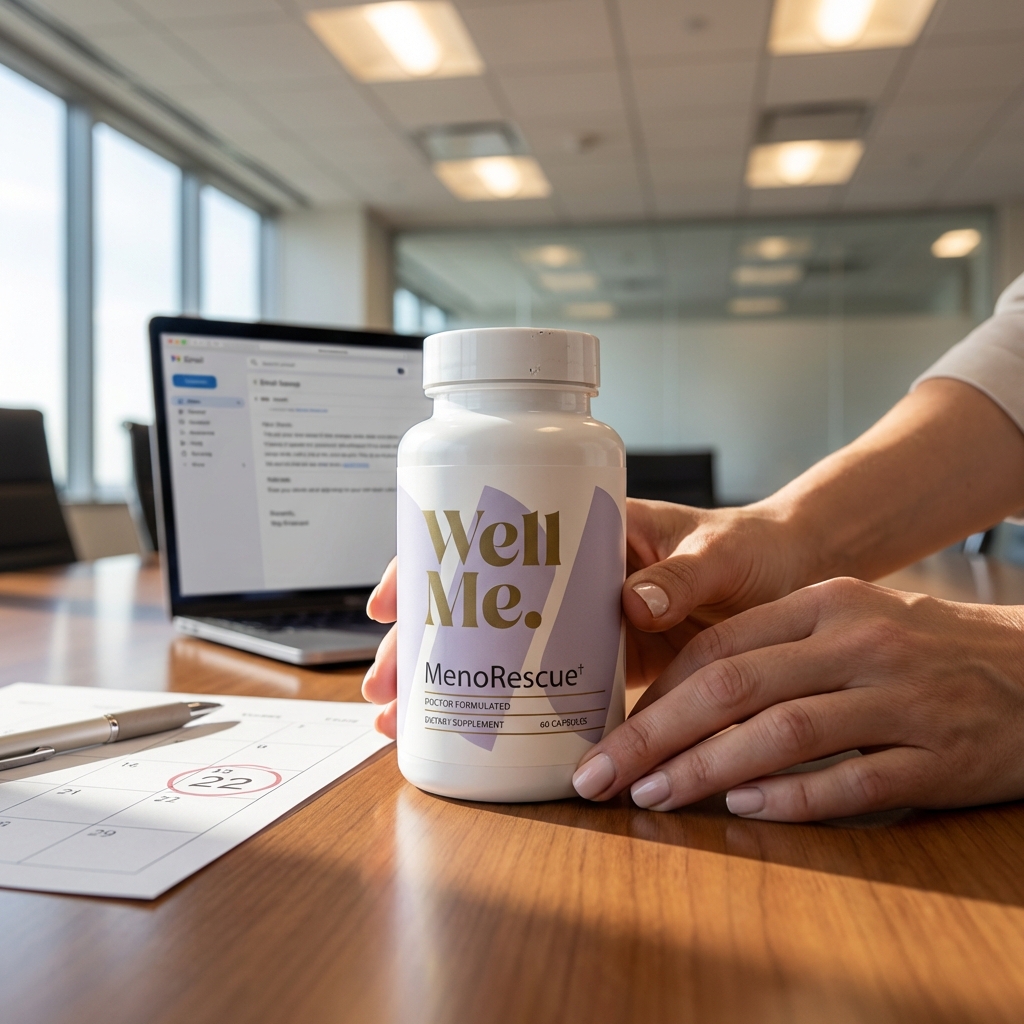
That’s when I started using MenoRescue™.
Calm the Inner Volume
I use this when my patience gets thin on a schedule
MenoRescue™ is a daily capsule formula made to support a steadier mood by supporting healthy cortisol balance—so the same stressors don’t hit as hard. It contains Sensoril® (ashwagandha extract), Rhodiola rosea, and Schisandra berry, a trio often used to support stress response, resilience, and mental clarity.
-
Helps you feel less reactive
-
Supports a calmer stress response
-
Helps your mind feel clearer
What I appreciated wasn’t some dramatic transformation. It was the quiet steadiness. The feeling that I wasn’t constantly bracing for the next emotional landmine. The reactions felt less jagged.
Not perfect. Not emotionally flat.
Just… more space between the trigger and my response.
And that space matters, because that’s where your actual self gets to show up again.
How I Plan My Month Now (Without Getting Blindsided)
This approach felt almost too obvious once I started doing it, but it changed everything:
When I’m in a higher-energy phase, I set up my lower-energy phase.
I’ll:
- schedule difficult conversations earlier in my cycle when I have more capacity
- batch-cook or prep easy meals for the week before my period
- protect my calendar from overscheduling when I know I’ll need more space
- give myself permission to define “enough” differently that week
I treat it the way I’d support a friend.
Because if a friend told me, “I’m more sensitive this week,” I wouldn’t respond with, “Have you tried being tougher?” I’d say, “Okay—what would make this easier for you?”
That’s the voice I had to learn to use with myself.
⸻
What Actually Changed Most: How I Talk to Myself
The biggest transformation wasn’t my meal prep or my supplement routine. It was the way I spoke to myself on the difficult days.
Instead of:
“What is wrong with me?”
I started asking:
“Where am I in my cycle… and what does that tell me I need right now?”
That question turns chaos into data. And data turns shame into strategy.
- Some days, the answer is a walk in fresh air.
- Some days, it’s getting into bed an hour earlier than usual.
- Some days, it’s saying no to plans without manufacturing an excuse.
- Some days, it’s leaning on reliable support like MenoRescue™ when I know I’m heading into my wobbly window.
None of it is dramatic or Instagram-worthy. It’s just care.
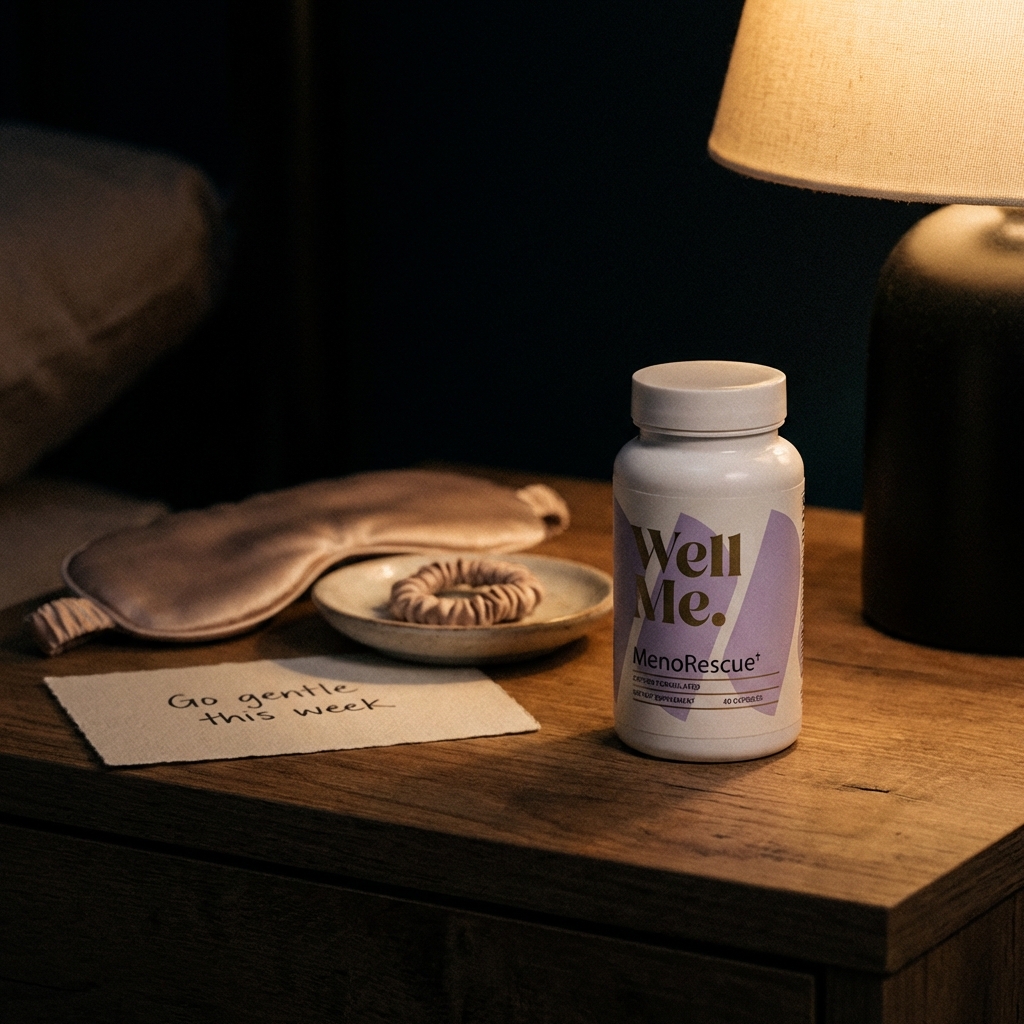
Make Your Plan Easier
When sleep gets lighter, feelings get louder
MenoRescue™ is built as hormone-supportive, whole-body support—so you’re not white-knuckling the back half of your cycle. It contains Sage leaf, Red Clover, Black Cohosh, and Green Tea Phytosome, ingredients commonly included in women’s wellness formulas for hormone-season comfort and overall steadiness.
-
Supports feeling more even day to day
-
Supports comfort when your cycle feels “tender”
-
Helps you stick to a gentler routine
A Gentle Ending, But an Honest One
If you’ve been calling your emotions “stress” and pushing yourself harder and harder to just cope better, I want to offer you a different lens:
Your mood might not be random.
Your mood might be rhythmic.
And when you start recognizing hormone mood swings as a pattern instead of a personal failing, you stop waging war on yourself all month long. You start working with your body instead of against it.
That doesn’t mean everything suddenly gets easy.
It means you get kinder to yourself.
And honestly? That’s where real steadiness begins.
Written by Liora Menden — for those who seek ease.