There’s a specific kind of tired that comes from your gut not working right. Not sleepy-tired. Not sore-from-the-gym tired. It’s the tired of wearing stretchy pants to dinner because you can’t predict what your stomach will do. The tired of scanning restaurant menus for “safe” options instead of what you actually want. The tired of lying in bed at night with that heavy, swollen feeling wondering if this is just… life now.
I lived there for years before I realized something that changed everything:
My gut wasn’t broken. My routine was.
The bloating after lunch wasn’t about the sandwich. The unpredictable bathroom situations weren’t about my body being “sensitive.” The heartburn that flared when deadlines hit wasn’t random bad luck. It was a pattern. And I was the one creating it. Every single day, I was doing things that felt completely normal—coffee, work, quick meals, stress, repeat—and my gut was quietly keeping score.
Then I made one decision that stopped feeling like another thing to manage: Nagano Tonic. Not because it promised miracles. Because it gave me something steady to build around while I untangled the habits that were wrecking my digestion without me even noticing. This isn’t about one bad meal or one stressful week. This is about the everyday habits that destroy your gut health—the ones that stack up so quietly you don’t see the damage until your body forces you to pay attention.

Calm your routine first
When stress runs the day, your gut feels it. This is my simplest anchor
Nagano Tonic is a daily powder I mix once a day—no complicated schedule. The formula is built to support digestive comfort, stress resilience, and a steadier gut rhythm, so meals don’t feel like a gamble.
-
Helps mornings feel less reactive
-
Supports a calmer “after I eat” feeling
-
Turns consistency into something easy
⸻
The life I thought was fine

From the outside, I looked like I had it together. I showed up. I handled things. I kept moving. But inside? My stomach was staging a daily protest.
Mornings started with coffee on an empty stomach—because who has time for breakfast when you’re already behind? Lunch was whatever I could grab between meetings, eaten at my desk while answering emails. Dinner happened late, often after I was already starving and irritable, which meant I ate too fast and too much.
And when my gut complained—the bloating, the tightness, the acid creep in my throat—I didn’t slow down. I managed it. Antacids in my purse. Loose clothing as armor. A mental catalog of which foods to avoid in public. I was treating my gut discomfort like a logistical problem instead of a message.
The breaking point wasn’t dramatic. It was ordinary. I ate a normal dinner—nothing weird, nothing excessive—and spent the next two hours on the couch feeling so bloated and uncomfortable I couldn’t even relax. I just sat there thinking: Why does eating feel like something I have to recover from?
That’s when I started really looking. And what I found wasn’t one culprit. It was five habits I’d been repeating so long they’d become invisible.
The everyday habits that destroy your gut health
Reaching for antibiotics like they were aspirin
I used antibiotics the way some people use bandaids—fast, often, without much thought. Got a scratch in my throat? Antibiotics. Weird cough that wouldn’t quit? Antibiotics. Traveling somewhere unfamiliar? Better take some just in case.
I wanted efficiency. I wanted to avoid being sick. I definitely didn’t want to lose time. What I didn’t account for was the aftermath.
Every course left my digestion feeling wobbly. My appetite went strange. My bathroom schedule turned erratic. Foods I normally handled fine suddenly made me feel gassy and off. It wasn’t immediate. It was slow. Like my gut needed weeks to remember how to work properly again.
I didn’t connect the dots until the pattern became impossible to ignore: antibiotic course, digestive chaos, slow recovery, repeat.
What I did instead: I stopped treating my gut like it would bounce back on its own without help. When I had to take antibiotics, I started being intentional about rebuilding. And that’s where Nagano Tonic first became non-negotiable for me—not as a fix, but as daily support that felt like I was feeding steadiness back into my system instead of just hoping things would settle. It wasn’t complicated. It was just consistent.
Living in stress like it was my natural state

Stress doesn’t only live in your mind. It lives in your clenched jaw while you drive. In your shallow breathing during meetings. In the way you eat standing up because sitting feels like wasting time. And it absolutely lives in your gut.
When I was stressed—which was most of the time—my digestion became a lottery. Some meals sat like rocks. Others moved through me so fast I barely processed them. I’d get that burning, sour feeling that made me regret eating anything at all.
My stomach became a barometer for my nervous system. Calm day? Digestion flowed. Chaotic day? My gut rebelled. The problem was I had almost no calm days.
What I did instead: I stopped waiting for stress to magically disappear and started sending my body different signals. I put my fork down between bites more often. I took ten minutes to walk after eating instead of diving straight back into work. I stopped scrolling my phone in bed at night—not every night, but enough nights that it mattered. And I made Nagano Tonic my morning anchor. A quiet ritual that told my body: We’re supporting ourselves today, not just surviving.
Because you can’t calm your gut if your entire life is screaming urgency.
Drinking like it didn’t count
I wasn’t a daily drinker, which is exactly how I justified it. But when I did drink—Friday night, celebration dinner, bad week needing an off-switch—I drank in a way that punished my gut.
Sugary cocktails. Not enough food first. Not enough water during. Just enough to feel fun in the moment and wrecked the next day.
The aftermath was always the same: puffy face, irritable stomach, food sounding both necessary and nauseating at the same time. I called it a hangover. My gut called it inflammation.
What I did instead: I got honest about what “occasional” really looked like, and I started drinking in a way that didn’t leave me paying for it for two days. I ate real food before I started. I alternated drinks with water—actually did it, not just thought about it. I chose simpler drinks instead of sugar bombs. I stopped letting one glass turn into five just because it was Friday.
And when I wanted my digestion to feel calm again, I leaned harder into my steady habits—especially Nagano Tonic—because I noticed something important: When my gut had consistent daily support, it stopped feeling so fragile. It could handle occasional indulgence without falling apart.
Building meals out of convenient lies
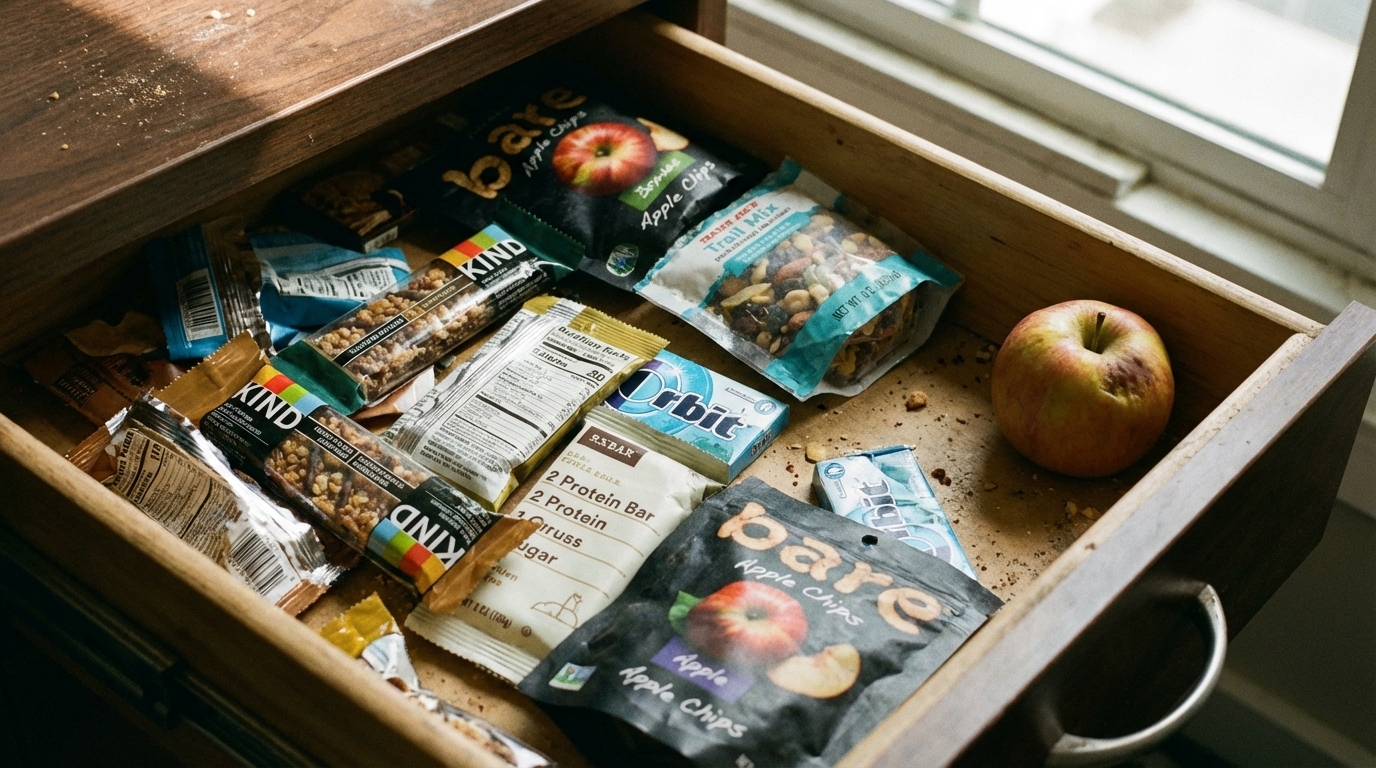
Ultra-processed food is so normalized it feels almost rude to call it out. But it matters. It’s the protein bar that’s mostly sugar. The “healthy” frozen meal that’s salt and fillers. The snack drawer at work. The drive-through because you’re too tired to think.
All of it designed to taste good, disappear fast, and leave your body with almost nothing useful. When I lived on this cycle, my gut was constantly noisy. Bloated. Gassy. That weird combination of hungry and full at the same time. Cravings that made no sense—like my body was searching for real nutrition and coming up empty.
My gut wasn’t failing. It was starving in the middle of abundance.
What I did instead: I didn’t overhaul my life. I just started building actual meals more often than not. Color from vegetables. Fiber from whole foods. Protein that didn’t come from a wrapper.
I kept it simple enough that a bad day didn’t derail me—because if your plan requires motivation and perfect conditions, it’s not really a plan. And Nagano Tonic stayed in the routine because it made my mornings feel like a reset button I could actually press. Not a cleanse. Not a punishment. Just a steady choice that reminded me I was building something better.
Using red meat as emotional currency
Red meat wasn’t the villain. My relationship with it was.
I used it as a reward system. End of a hard week? Steak. Stressful day? Burger. Celebration? Prime rib.
And because I was always rushing, those meals came with baggage: eating too fast, portions too big, paired with sides that turned dinner into a digestive marathon. Afterward, I’d feel heavy. Sluggish. So full it felt like my body needed three hours just to process what I’d eaten.
I kept telling myself that’s what satisfaction felt like. But real satisfaction doesn’t come with regret and discomfort.
What I did instead: I stopped confusing heaviness with pleasure. I still eat red meat. But I’m not using it to cope anymore. I balance it with lighter proteins. I add vegetables that actually help digestion instead of making it harder. I don’t turn every meal into an endurance event.
And here’s what I noticed: when my baseline was already supported—when I had Nagano Tonic as my daily anchor and I was eating more whole foods overall—my gut didn’t feel like it was constantly in recovery mode. It felt like it was living in a rhythm that actually worked.
⸻
The shift that made everything else possible

Here’s the thing most people miss when their gut is struggling: You start chasing fixes. Three-day cleanses. Elimination diets. New supplements every week. Overthinking every single bite. Wondering if you’ve developed sensitivities to everything.
You swing between restriction and chaos, and your gut just gets more confused. That was me for months. Then I stopped the guessing game and chose Nagano Tonic as my non-negotiable.
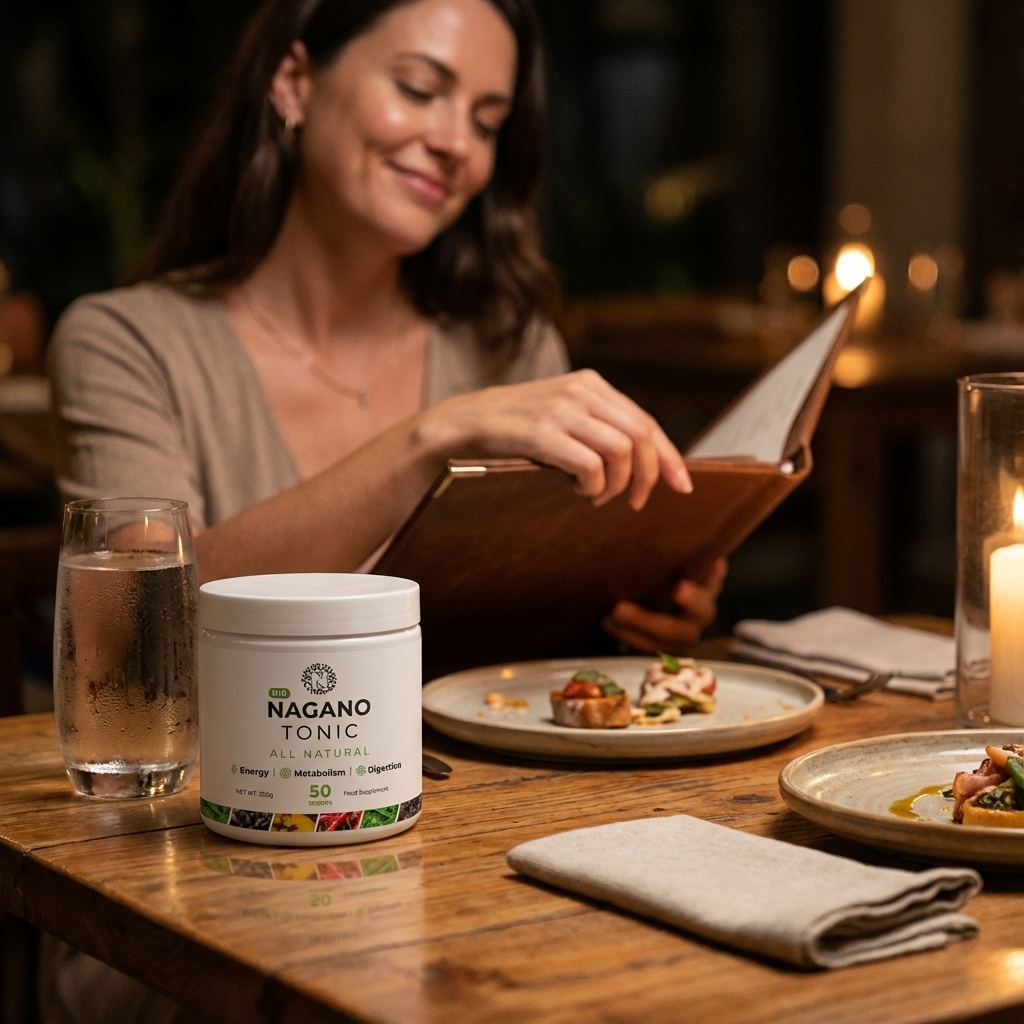
Less craving, more control
If your day runs on stress and “quick meals,” this helps steady the pattern
Nagano Tonic is made to support metabolism, curb cravings, and help your body use energy more efficiently—so you’re not white-knuckling your habits all day. It’s designed to work alongside normal meals and movement, without relying on harsh stimulants.
-
Makes “snack panic” feel quieter
-
Supports steadier energy through the day
-
Helps the routine feel easier to keep
Not as a cure. As a rhythm. It became the one thing I didn’t have to decide about every morning. The steady “yes” that held the center while I cleaned up everything else around it.
There was a moment about two weeks in when I noticed something: I wasn’t bracing myself after meals anymore. If you’ve never lived with gut discomfort, that might sound small. If you have, you know it’s everything.
It’s eating without anxiety. It’s wearing what you want instead of what hides bloating. It’s making plans without mapping bathroom locations first.
The real change wasn’t about willpower. It was about rhythm.
And Nagano Tonic became the rhythm I could actually sustain.
What this looked like in real life
I didn’t transform into a wellness influencer. I just stopped doing the everyday habits that destroy your gut health and started doing things that actually supported it. I simplified.
I stopped eating like I was being chased by a deadline. I stopped treating stress as an acceptable default state. I stopped calling ultra-processed convenience “food” and pretending it didn’t matter. I stopped pretending alcohol wasn’t affecting me just because I wasn’t drinking daily. I became more intentional about quick fixes that disrupted my balance.
And I kept Nagano Tonic in my life because it made support feel simple even when my day wasn’t. Perfection was never the goal. Steadiness was.
⸻
If this sounds familiar

If you’re reading this and thinking, That’s me. That’s exactly what I’m doing, listen:
You’re not broken. Your body isn’t failing you. This isn’t just aging.
You’re experiencing the result of patterns your gut has been tolerating until it couldn’t anymore. And patterns can change.
The most honest first step: name the habits that are actually hurting you. Then replace them with something you can keep.
For me, the most important replacement was Nagano Tonic—because it made gut support feel daily, simple, and steady instead of complicated and exhausting. When the daily support became consistent, everything else stopped feeling like a battle.
⸻
The truth about everyday habits that destroy your gut health
The everyday habits that destroy your gut health aren’t dramatic.
- They’re rushing through breakfast—or skipping it entirely.
- They’re living in stress and calling it normal.
- They’re choosing convenient processed food over actual nutrition.
- They’re using alcohol as an off-switch.
- They’re reaching for quick fixes that disrupt your balance over and over.
I lived that cycle. My gut kept protesting. I kept pushing through. Then I changed the pattern.
I chose steadier meals. Calmer pacing. One daily anchor I could actually rely on: Nagano Tonic.
If your gut feels like it’s always reacting—always uncomfortable, always uncertain—don’t wait for it to get worse. Build a steadier rhythm. Rebuild your baseline.
And if you want the same anchor I leaned on to make consistency actually possible—choose Nagano Tonic and make it the thing you don’t negotiate away.
Written by Liora Menden — for those who seek calm, steady digestion and the quiet confidence of feeling whole again.