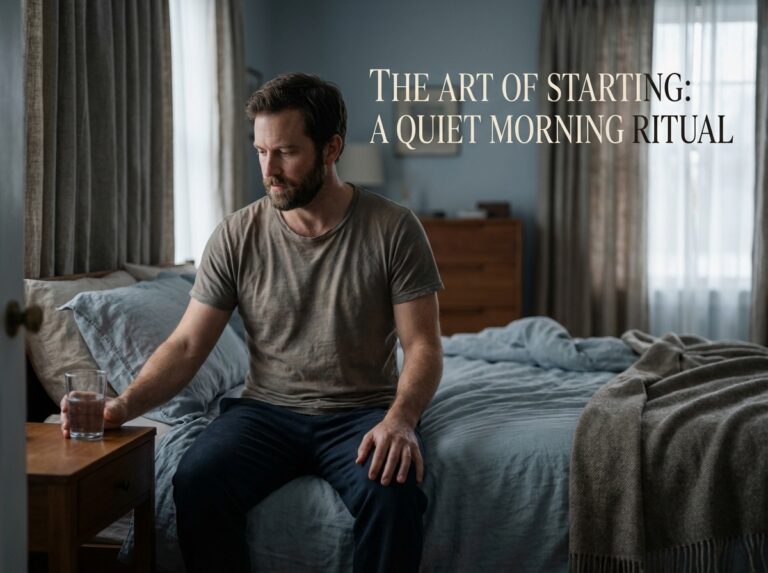
I was standing in the cold-and-flu aisle of my pharmacy for the third time in two months when it hit me. Not a revelation — more like a slow embarrassment. The basket already had zinc lozenges, vapor rub, a box of tissues. I caught a glimpse of myself in the security mirror above the shelves. Puffy. Tired. Forty-three years old and buying remedies like it was a seasonal subscription.
That was the night I stopped asking what can I take and started asking something harder: why does my body keep letting things in?
It wasn’t one answer. It was seven small ones.
The Morning That Taught Me About Immune Rhythm

The first thing I changed wasn’t a supplement or a superfood. It was my first twenty minutes.
For years, my mornings started with scrolling — news, emails, weather — while coffee cooled on the counter. My nervous system was already buzzing before I’d said a word out loud. I didn’t realize it then, but that habitual low-grade stress was costing me. Cortisol, the stress hormone, doesn’t just make you feel wired. It actively dials down immune surveillance. Your white blood cells slow their patrol. Your inflammatory signals get louder. Your body shifts into react mode and out of repair mode.
So I replaced the scroll with something almost absurdly simple: ten minutes of stillness, then a glass of warm water with half a lemon. Not because lemon is magical — but because the pause before consuming anything gave my system a chance to wake on its own terms. The warmth moved through my chest. The quiet was strange at first. Then it became the part of the morning I protected most.
That shift — from reactive to intentional — changed more than my mornings. It changed how my body handled the rest of the day.
Feeding Immunity Instead of Just Feeding Hunger
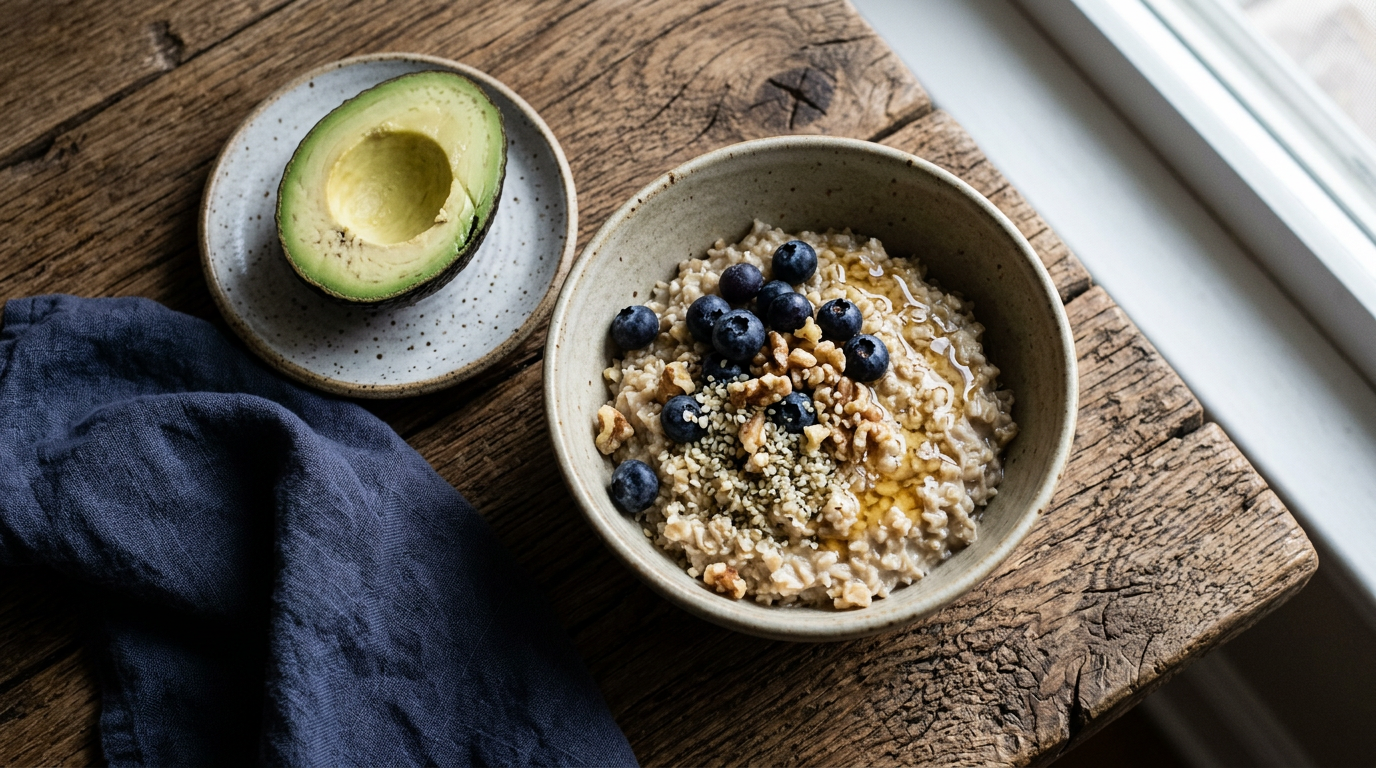
The second habit forced me to look at breakfast differently. I’d been eating enough — toast, maybe yogurt, sometimes nothing — but I wasn’t eating with my immune cells in mind. That sounds odd until you realize that roughly seventy percent of your immune tissue lives in and around your gut. Every meal is a conversation with your defenses.
I started building my mornings around color and density:
- A bowl of oats with blueberries, walnuts, a scoop of hemp seeds.
- Or eggs scrambled with spinach and a quarter of an avocado.
Feed Your Cells, Not Just Hunger
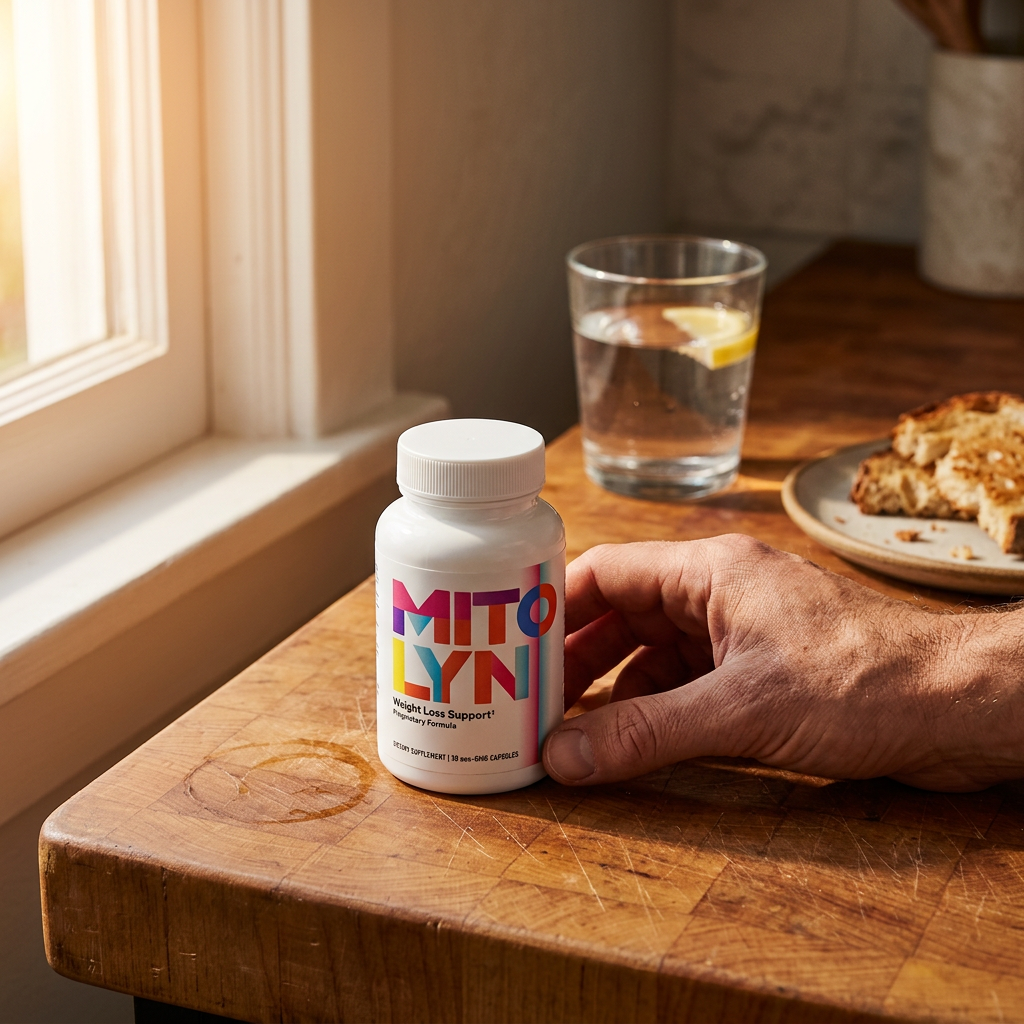
Your meals build the plate. Mitolyn supports what happens after — at the cellular level
Every immune response your body mounts runs on energy — produced inside mitochondria. Mitolyn delivers targeted plant compounds like Rhodiola, Maqui Berry, and Schisandra to help mitochondria produce that energy more efficiently. Less cellular drag. More steady inner defense. It doesn’t replace your good habits. It powers the machinery behind them.
-
Supports mitochondrial energy so immune cells can respond faster
-
Works alongside whole foods to fill the gaps nutrition alone can miss
-
One daily capsule that fits a morning you already protect
The goal wasn’t perfection. It was giving my cells zinc, vitamin C, protein, and fiber in the same sitting — the raw materials they actually use to build antibodies and maintain gut lining integrity.
Within a few weeks, something shifted. Not dramatic. More like the background hum of my digestion quieted down. Less bloating. Less of that post-breakfast heaviness. My energy didn’t spike and crash — it arrived and stayed.
Moving to Strengthen the Immune System Naturally

I was never the gym type. But when I started reading about how moderate movement — not extreme — actually mobilizes immune cells into the bloodstream, I gave morning walks a real chance. Twenty-five minutes. No playlist. Just the feel of cool air on my face and the rhythm of my steps on pavement.
Exercise, especially the low-to-moderate kind, does something beautiful at the cellular level. It increases circulation of natural killer cells and T-cells, the ones that identify and clear out threats. It also lowers chronic inflammation — the slow, invisible kind that builds up from sitting, stress, and processed food. You don’t feel inflamed. You just feel off. And then one day you realize you haven’t felt off in a while.
I added two short sessions of bodyweight strength work per week. Nothing punishing. Push-ups, squats, a plank held until my arms reminded me they existed. That combination — daily walks, twice-weekly resistance — became my immune rhythm.
The Gut Conversation I’d Been Ignoring
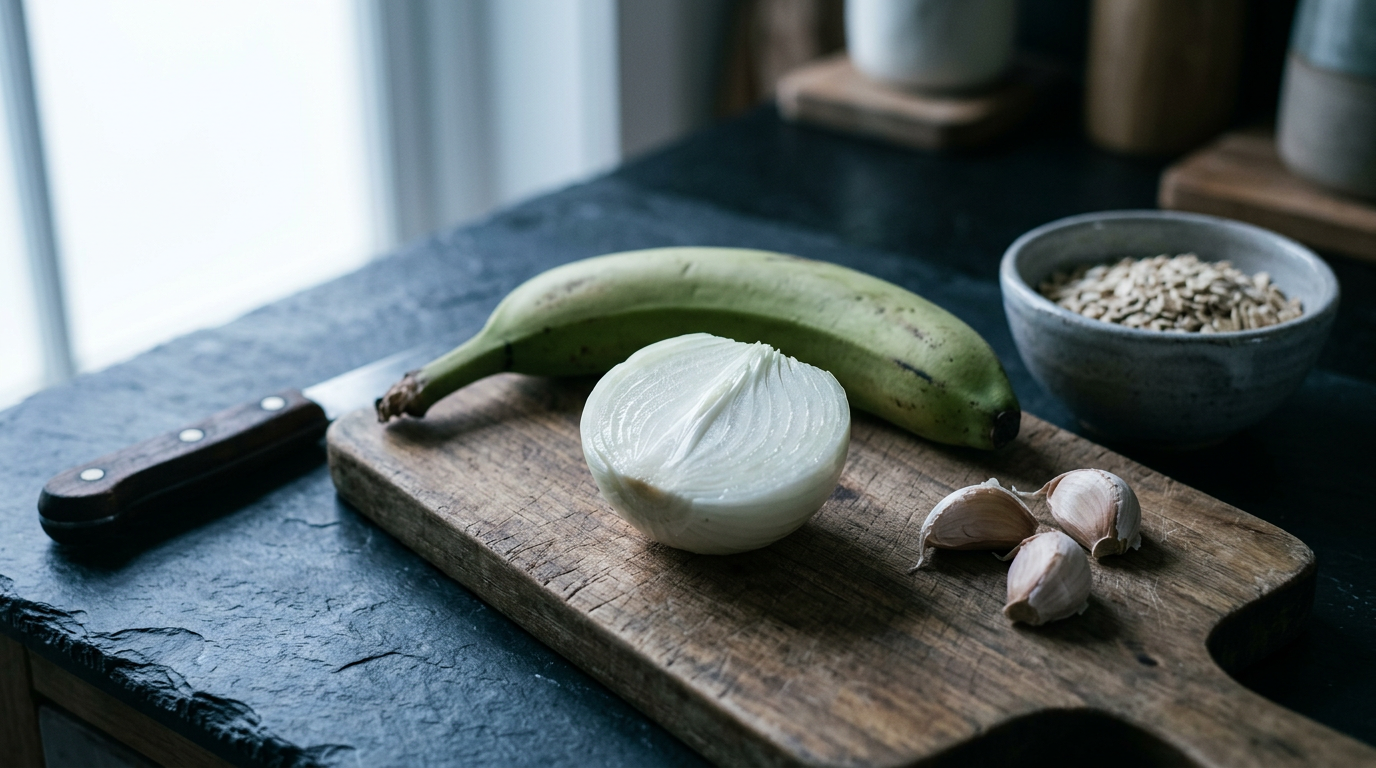
The fourth habit was the one I resisted longest: taking a daily probiotic. Not because I doubted the science, but because I’d tried them before and felt nothing. This time, I paired it with something different — I actually started feeding the bacteria too. Prebiotic fiber from onions, garlic, oats, and slightly green bananas. The probiotic was the guest; the fiber was the meal I set out for them.
Within a month, something in my midsection felt more settled. Calmer. I stopped catching every stomach bug my kids brought home from school.
That was the first time I thought: maybe my immune system isn’t weak. Maybe it was just under-supported.
What Happened When I Started Thinking in Cells

Around this time, I stumbled into something that changed my understanding of immunity altogether. I’d been thinking about it as a wall — strong or weak, up or down. But immunity is really about cellular energy. Every immune cell that detects a virus, every white blood cell that launches a response, every repair process that heals tissue after infection — all of it runs on energy produced inside mitochondria.
When mitochondria are sluggish — from poor sleep, chronic stress, nutritional gaps — the immune system doesn’t fail dramatically. It just gets slow. Responses take longer. Recovery takes longer. You catch the same cold your coworker shook off in two days, and you’re still dragging a week later.
That realization led me to the fifth habit. I’d been reading about plant compounds — things like Rhodiola, Maqui Berry, Schisandra — that support mitochondrial function at the cellular level. Not in a flashy way. In the way your body actually uses: helping cells produce energy more efficiently, reducing the oxidative stress that wears mitochondria down over time. That’s when I found Mitolyn. A daily supplement built around exactly that idea — supporting the mitochondria so the rest of the body, including the immune system, has the energy it needs to do its job.
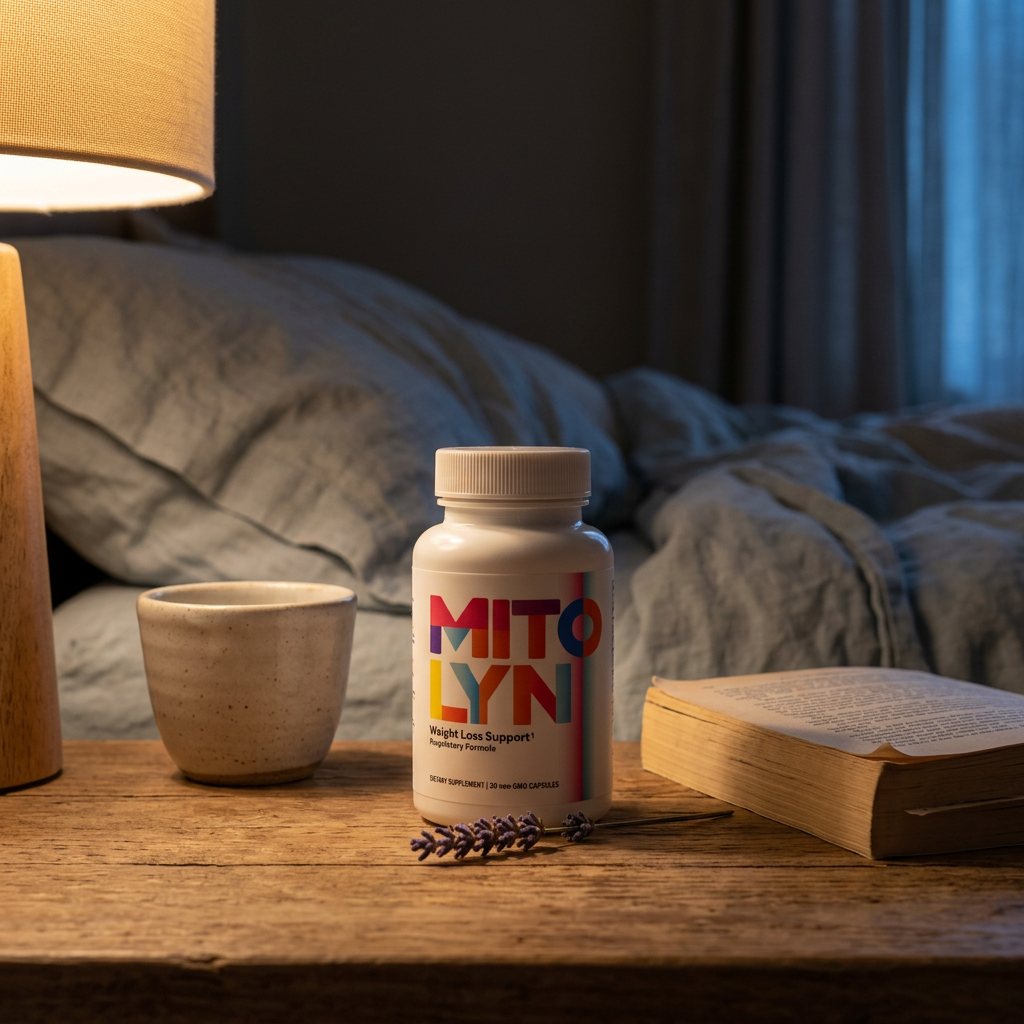
Steadier Energy. Steadier Defense.
When your mitochondria have what they need, your whole system stops playing catch-up
Mitolyn was built around a simple idea — that cellular energy is the foundation everything else depends on. Its blend of Rhodiola, Maqui Berry, and Schisandra supports the mitochondria that power your immune cells, your recovery, and your day-to-day resilience. Not a boost. A baseline your body can count on.
-
Targets the root of sluggish recovery — cellular energy production
-
Plant-based compounds chosen for mitochondrial support, not hype
-
Designed to compound quietly over weeks, not spike and fade
I wasn’t expecting much. I’d been skeptical of anything in capsule form that promised more than basic nutrition. But Mitolyn wasn’t trying to replace my habits. It felt like it was quietly backing them up.
The first thing I noticed, maybe three weeks in, was that I woke up without that thick, groggy reluctance. My eyes opened and my body wanted to move. Then I noticed I stopped dreading the change of seasons — that stretch between October and December where I’d usually cycle through two or three colds. This time, nothing came. Not because I was hiding from germs. Because something inside felt steadier. Faster to respond. Quicker to recover on the rare day I did feel run down.
It became the one thing I stopped rethinking. I just took it with my morning water and moved on with my day.
⸻
Sleep as Immune Architecture

The sixth habit was sleep — but not just more of it. Better architecture around it. I stopped drinking coffee after one in the afternoon. I started dimming lights an hour before bed. I kept my room cool and used a few drops of lavender on my pillow — not because aromatherapy is a cure, but because scent is a surprisingly strong cue for the nervous system to begin downshifting.
Sleep is when your immune system does its deepest repair. Cytokines — the signaling proteins that coordinate immune response — are produced and released primarily during sleep. Cut that short, and your body enters the next day with half its toolkit still packed away. I used to treat sleep like leftover time. Now I treat it like the foundation everything else sits on.
The Habit Nobody Talks About

The seventh habit is the one that surprised me most: connection. A weekly phone call with my brother. Coffee with a neighbor on Saturdays. A ten-minute check-in with a friend I hadn’t spoken to in months.
Loneliness and social isolation produce measurable increases in inflammatory markers. The body reads disconnection as threat. And when threat is constant, immunity pays the price. I didn’t add connection to my routine because a study told me to. I added it because every week I showed up for someone else, I slept better, ate better, and worried less. The immune benefit was downstream of something more human.
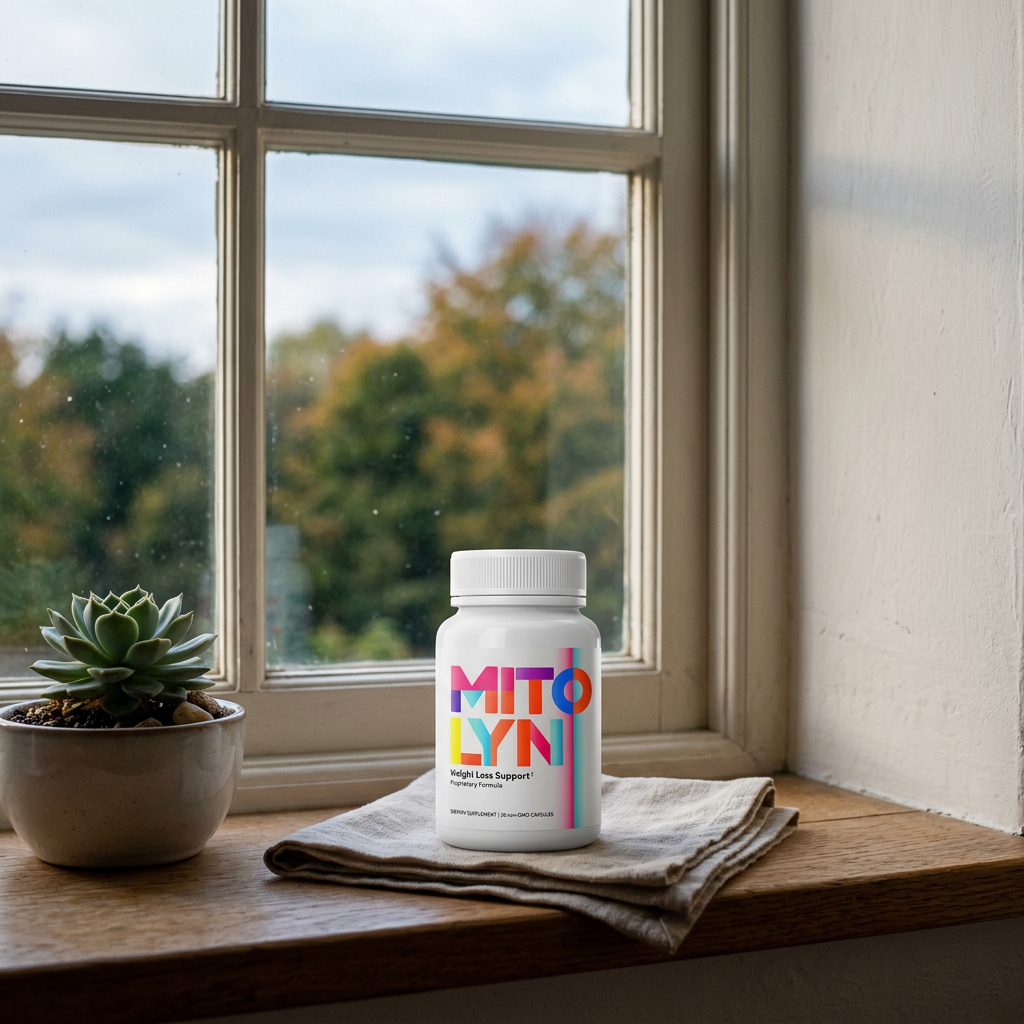
One Steady Thing Every Day
Seven habits. One capsule that quietly backs all of them up
You built the morning. You fixed the meals. You moved, connected, slept with intention. Mitolyn doesn’t ask you to add complexity. It supports the mitochondria powering every cell your habits depend on — the immune cells, the repair processes, the energy that makes all of this sustainable. One thing. Every morning. No rethinking required.
-
Fits inside the architecture you’ve already built — no new routines
-
Supports the cellular engine behind immune strength and daily energy
-
The simplest part of a system that finally holds
⸻
What Stays
I don’t do all seven perfectly every day. Some mornings the lemon water gets skipped. Some weeks the strength sessions shrink to one. But the architecture holds. And inside that architecture, my cells — the ones doing the invisible, constant work of keeping me well — finally have what they need to do their job.
Not a wall. A rhythm. One I trust now more than any prescription I’ve ever filled.
If you’ve been feeling like your body forgot how to protect you, it probably didn’t forget. It’s probably just waiting — for something steady, for something simple, for you to stop fighting it and start feeding it instead.
That quiet shift is where everything changes.
Written by Elias Menden — for those who seek steady, unshakable strength from within.