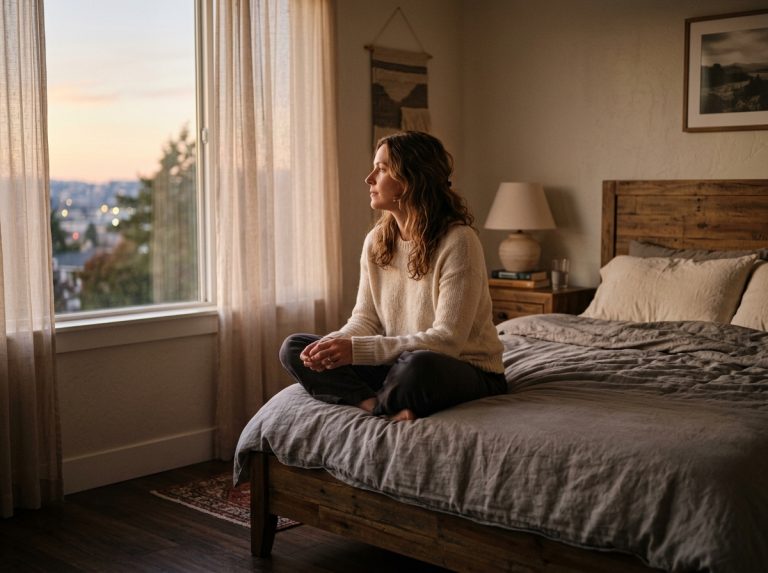
Three months ago, I would lie in bed at 2 AM, staring at the ceiling with that particular kind of exhaustion that feels both wired and depleted. My body was tired, but my mind buzzed with a restless energy that seemed to have no off switch. I’d finally drift off around 3:30, only to jolt awake at 5 AM feeling like I’d been hit by a truck.
This wasn’t just a few bad nights. This was my new normal — a sleep pattern so erratic it felt like my body had forgotten how to do the one thing it was designed to do naturally.
I started wondering if this was just what getting older looked like, if quality sleep was something I’d have to mourn like other losses.
But there was something about the way exhaustion sat in my bones that told me this wasn’t inevitable. It was a tired that coffee couldn’t touch, a fatigue that seemed to live in my cells. I realized I wasn’t just sleep-deprived — my entire internal clock had gone rogue.
The Morning My Body Betrayed Its Own Design

I remember the exact morning I knew something had to change. It was a Tuesday in late fall, and I’d managed maybe four hours of fragmented sleep. I stood in my kitchen, holding a mug of tea, watching the sunrise through my window and feeling completely disconnected from the rhythm of light and dark that was supposed to guide my body. My energy levels had become unpredictable — sometimes crashing at 2 PM, sometimes surging at 11 PM when I desperately needed to wind down.
I’d developed this habit of scrolling my phone in bed, partly from restlessness and partly because lying there awake felt too confronting. The blue light probably wasn’t helping, but in those wakeful hours, I craved any kind of stimulation that might tire my brain enough to finally surrender.
What struck me most was how foreign my own body felt. Sleep used to come naturally, like breathing. Now it felt like a negotiation I kept losing.
I’d try all the usual advice — herbal tea, meditation apps, cooler temperatures — but nothing seemed to address what felt like a fundamental disconnection from my body’s natural intelligence.
Ready to support your body while it remembers its natural sleep wisdom?
When Normal Sleep Advice Stops Working
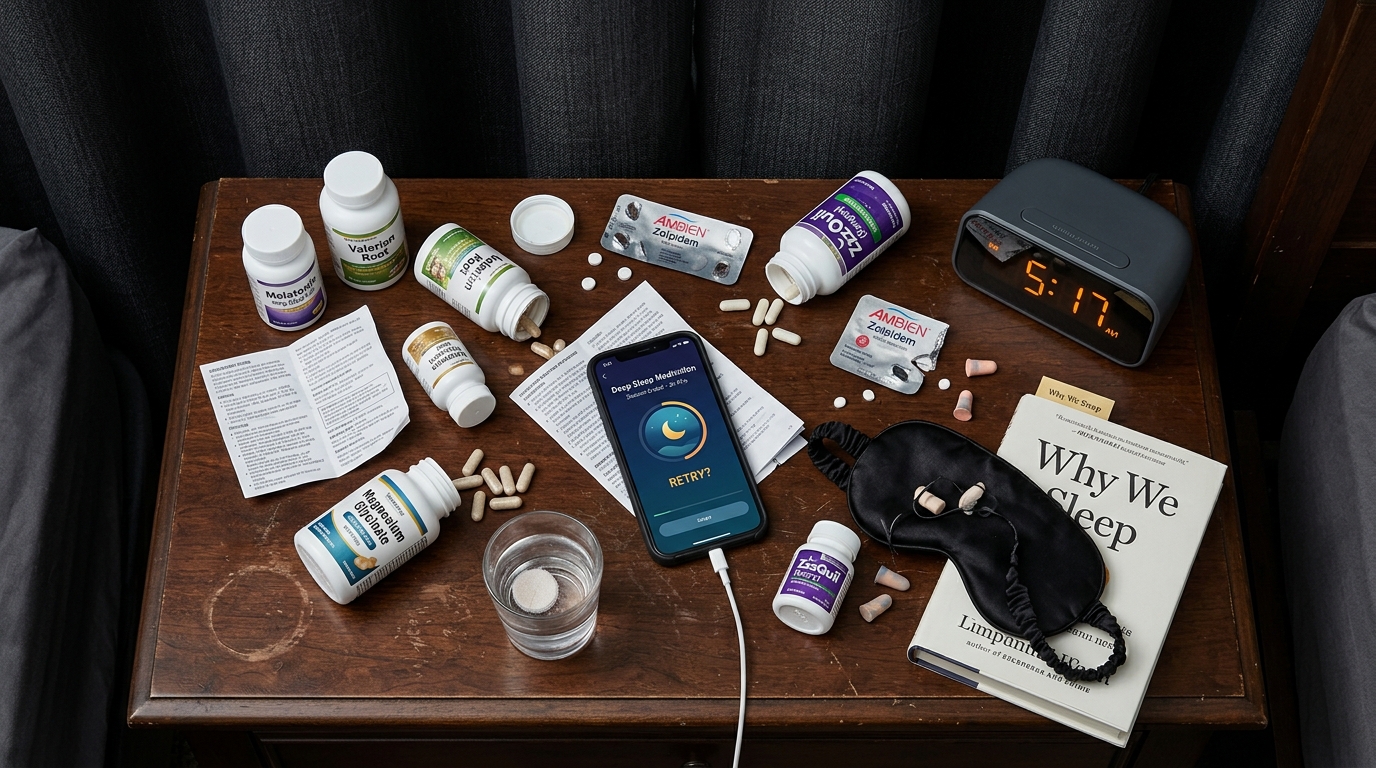
I tried everything that promised better sleep. Blackout curtains that turned my bedroom into a cave. Magnesium supplements that did nothing but give me vivid dreams. A white noise machine that somehow made me more aware of every sound it wasn’t masking. I even bought one of those sunrise alarm clocks that was supposed to gently wake me with gradually increasing light — instead, it felt like being interrogated by a very patient lamp.
The frustration wasn’t just about being tired. It was about losing trust in my body’s ability to regulate itself. I’d always prided myself on being intuitive about my health, able to sense what I needed and when.
But my sleep had become this chaotic thing that seemed to operate by rules I couldn’t decipher.
Friends would share their sleep success stories — how cutting out caffeine after 2 PM changed everything, or how a particular pillow solved their problems. I’d try each suggestion with hope, only to find that what worked for them had no effect on my particular brand of sleeplessness. I started to wonder if my circadian rhythm had become so disrupted that surface-level changes couldn’t reach whatever had gotten knocked out of alignment deep in my system.
Tired of battling your own circadian rhythm every single night?
The Science My Body Was Trying to Teach Me

I started researching circadian rhythms not as someone looking for quick fixes, but as someone trying to understand what my body was actually going through. I learned that our internal clocks are incredibly sophisticated systems, influenced by light exposure, meal timing, temperature fluctuations, and dozens of hormonal signals that ebb and flow throughout the day. What fascinated me was discovering that poor sleep isn’t just about feeling tired the next day — it disrupts the very processes that happen while we’re unconscious.
Deep sleep is when our bodies repair cellular damage, consolidate memories, and release growth hormone. It’s when our brains literally clean themselves, flushing out metabolic waste that accumulates during waking hours.
I realized that my fragmented sleep wasn’t just preventing rest — it was preventing restoration. My body was trying to do essential maintenance work during brief, interrupted windows, like trying to deep-clean a house during commercial breaks.
No wonder I felt depleted at a cellular level. I wasn’t just missing sleep; I was missing the profound renewal that happens when we surrender completely to unconsciousness.
Your body knows how to sleep deeply — sometimes it just needs gentle support.
The Night Everything Started to Shift

The turning point came when I stopped trying to force sleep and started supporting the conditions my body needed to find its way back to natural rhythm. I began treating my evening routine as sacred time, creating a gradual transition from the stimulation of day to the quietness my nervous system craved. Instead of scrolling my phone until the moment I wanted to sleep, I started dimming lights an hour before bed. Instead of eating dinner late and irregular, I began finishing meals by 7 PM.
Small changes, but they felt like I was finally working with my body’s design instead of against it.
I also started taking Resurge about an hour before I wanted to be asleep. What I noticed wasn’t a knockout effect, but something more subtle and profound — my body began to remember how to downshift naturally. The racing thoughts that usually kept me awake started to quiet on their own, and I found myself naturally drawn to rest instead of fighting the urge to stay stimulated.
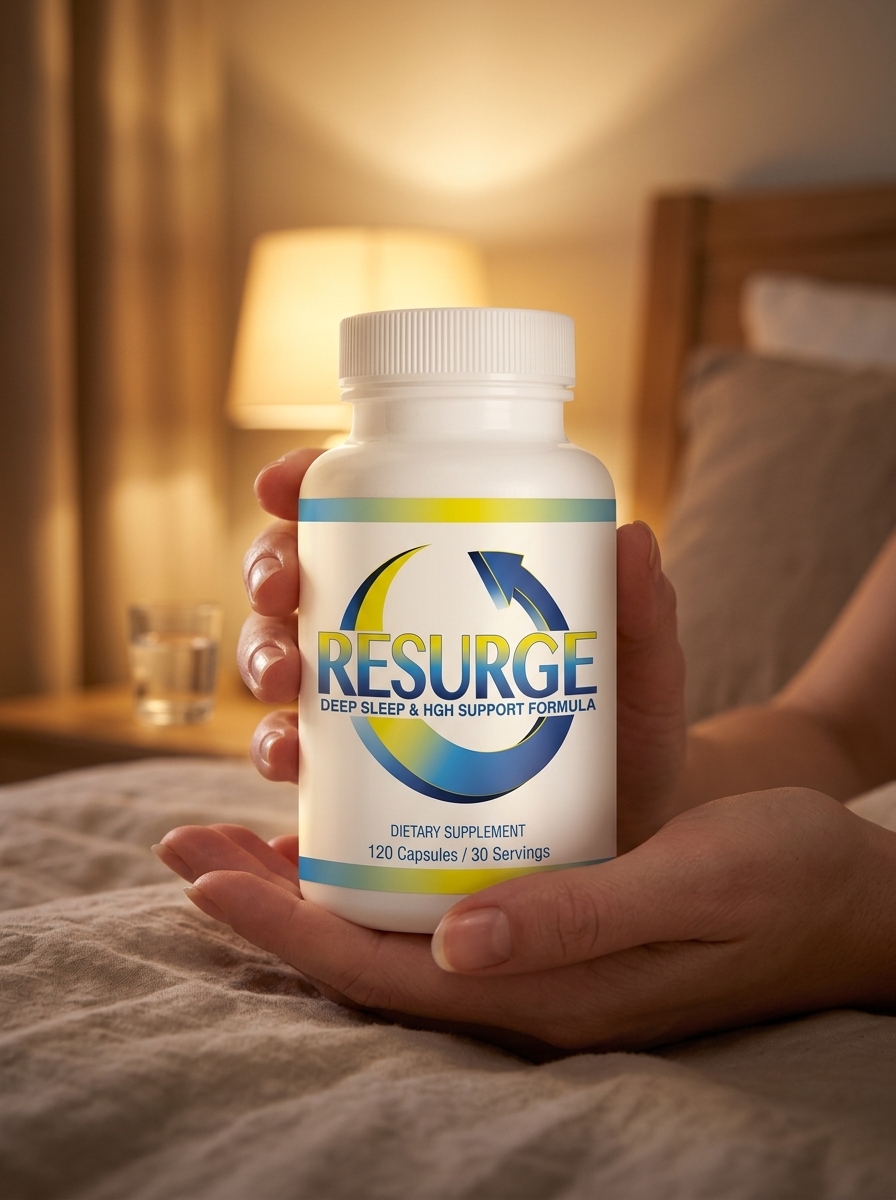
Remember How to Sleep
Support your body’s natural wisdom while it finds its way back to deep, restorative rest.
When your circadian rhythm feels disrupted, sometimes you need gentle support during the reset. Resurge works with your body’s design, not against it, helping create conditions for the deep sleep your system craves. Let your nervous system remember what it already knows how to do.
- ✓ Natural transition into restorative sleep
- ✓ Support for healthy circadian rhythm
- ✓ Wake feeling genuinely refreshed
What Deep Sleep Actually Feels Like

Three weeks into this new approach, I woke up one morning and realized something extraordinary had happened: I had slept through the night without waking once. Not just that, but I felt genuinely rested — not just the absence of tiredness, but the presence of vitality.
Deep sleep, I discovered, has a texture to it. You wake up feeling like your body has been somewhere else, doing important work you can’t quite remember. Your mind feels clear, not foggy. Your emotions feel stable, not reactive.
There’s a settledness in your nervous system that carries through the entire day.
What surprised me most was how this quality of rest affected everything else. My appetite regulated itself — I wasn’t reaching for stimulants to compensate for exhaustion or comfort foods to soothe the stress of being chronically under-rested. My skin looked brighter, my mood felt more even, and I had sustained energy instead of the peaks and crashes that had become my normal.
Experience what it feels like when your nervous system finally feels safe to rest.
The Ripple Effect of Restored Sleep

Good sleep, I learned, isn’t just about the eight hours you spend unconscious — it transforms the sixteen hours you spend awake. When your body trusts that it will get quality restoration time, it doesn’t hoard energy or operate in survival mode.
You can be present for your life instead of just managing your tiredness. My relationship with evening changed completely. Instead of dreading bedtime as a battle I might lose, I began looking forward to it as time when my body could do its most important work.
I stopped feeling guilty about prioritizing sleep or apologetic about having boundaries around my rest schedule.
The Resurge became part of a larger ritual of care — not a magic bullet, but one element in creating the conditions my body needed to return to its natural wisdom. Some nights I still needed it, other nights my body seemed to remember how to wind down on its own. But having that support during the reset period gave my nervous system permission to trust the process of letting go.
Stop fighting your sleep and start supporting your body’s natural rhythm.
Coming Home to Your Body’s Natural Rhythm

Now, six months later, sleep feels like coming home to myself. I go to bed around the same time each night not because I’m forcing a schedule, but because my body naturally starts to crave rest. I wake up most mornings without an alarm, feeling genuinely ready to engage with the day. The most profound change isn’t just better sleep — it’s the restoration of trust in my body’s intelligence.
I learned that my circadian rhythm wasn’t broken; it had just been overwhelmed by signals that confused its natural ability to regulate itself. Creating space for that wisdom to emerge again required both patience and the right kind of support.
If you’re lying awake right now, feeling like your body has forgotten how to sleep, know that this capacity for deep rest is still there. It might be buried under layers of disruption and override, but it’s waiting for the right conditions to resurface.
Sometimes we need to support our bodies while they remember what they already know how to do.
Written by Liora Menden — for those who seek rest
Give your circadian rhythm the reset support it’s been asking for.