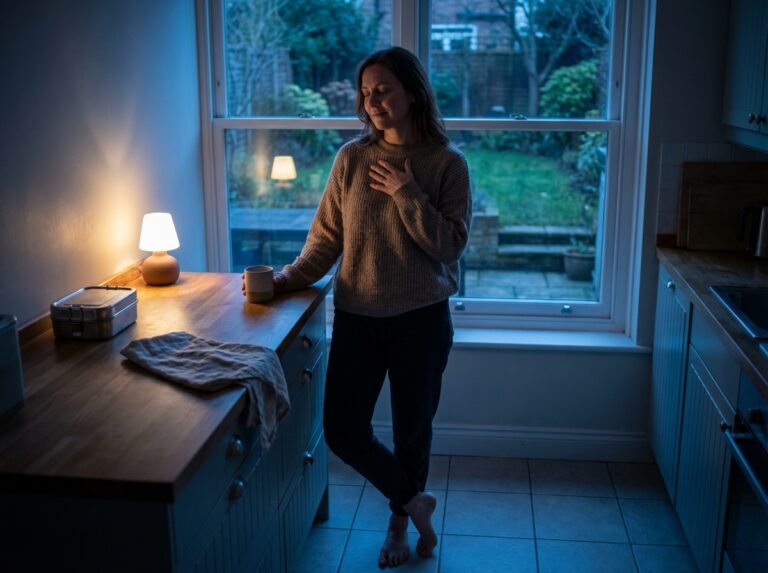
The best sleep optimization tools solve a specific problem: timing, noise, light, temperature, or inconsistent habits. Start with the least expensive change you can measure, then add technology only when it helps you make a better decision. A wearable cannot diagnose a sleep disorder, and a supplement cannot compensate for untreated sleep apnea, persistent insomnia, or an unsafe schedule.
If loud snoring, gasping, morning headaches, severe daytime sleepiness, or drowsy driving are part of the picture, arrange a medical assessment. Those signs can point to a sleep disorder that needs more than a new gadget.

Which sleep optimization tool should you try first?
Choose the tool that matches the clearest bottleneck. If bedtime shifts nightly, begin with a schedule and morning light. If outside noise causes awakenings, test earplugs or low-level sound masking. If the room feels hot, adjust airflow and bedding before buying active cooling. If you cannot tell what changes your sleep, a simple diary is often more useful than another device.
| Problem | First tool to test | What to measure |
|---|---|---|
| Irregular sleep timing | Morning light and a fixed wake time | Bedtime, wake time, daytime alertness |
| Unpredictable noise | Earplugs or steady sound masking | Remembered awakenings and restfulness |
| Room feels hot | Fan, breathable bedding, thermostat schedule | Night sweats and awakenings |
| Unclear patterns | Sleep diary, then optional wearable | Weekly trends, not one-night scores |
| Long-term insomnia symptoms | Clinical evaluation and CBT-I resources | Sleep opportunity, time awake, daytime function |
The National Heart, Lung, and Blood Institute overview of sleep deprivation explains how insufficient or poor-quality sleep can affect attention, mood, metabolism, and safety. That makes the goal better daytime function and adequate sleep, not maximizing a proprietary score.
1. Is a sleep wearable worth using?

A ring, watch, or band can make sleep and wake patterns easier to see. Consumer devices estimate sleep from movement, heart-rate signals, and algorithms; they do not measure sleep stages the same way as a clinical sleep study. Treat stage estimates as directional, and give more weight to consistent timing, total sleep opportunity, awakenings you remember, and how alert you feel.
- Collect a baseline before changing several habits.
- Review weekly patterns instead of reacting to one unusual night.
- Tag alcohol, late meals, illness, travel, exercise, and medication changes.
- Stop checking scores if the data itself makes you anxious or delays bedtime.
The American Academy of Sleep Medicine position statement on consumer sleep technology says these products should not replace validated diagnostic testing or treatment. Bring concerning trends to a clinician rather than trying to interpret them as a diagnosis.
2. Can sound masking reduce sleep disruption?

Steady background sound may make intermittent traffic, hallway noise, or a partner’s schedule less noticeable. It is not automatically better than silence, and louder is not better. Keep the volume low, place the device away from your head, and use a timer if all-night playback is unnecessary. Earplugs may be simpler, provided they fit comfortably and do not prevent you from hearing alarms or safety signals.
Test one setup for several nights and record awakenings and next-day alertness. If snoring or gasping is the disruptive sound, masking it is not the solution; that pattern deserves medical evaluation.
3. How should you use light for better sleep timing?

Light is a strong timing cue for the body clock. Bright outdoor light after waking can reinforce daytime, while dimmer evening light can make a regular wind-down easier. Blue-light filters may reduce glare, but they do not erase the effects of stimulating content, work, or a delayed bedtime. The useful intervention is often a consistent light-and-schedule routine rather than special glasses alone.
- Keep the wake time relatively stable, including after a poor night.
- Seek outdoor light early in the day when practical.
- Dim unnecessary lights before bed and move demanding tasks earlier.
- Keep phones out of reach if scrolling extends your bedtime.
For a broader routine, see IyoMend’s guide to biohacking sleep for beginners and its practical sleep, food, and recovery guide.
4. Does a cooler bedroom improve sleep?

A room that feels too warm can make sleep uncomfortable and contribute to awakenings. There is no universal thermostat number: bedding, humidity, clothing, medications, menopause symptoms, and personal preference all change what feels comfortable. Begin with breathable layers, ventilation, or a fan, then consider programmable or active cooling only if simpler changes do not help.
The CDC’s sleep guidance emphasizes a quiet, relaxing, cool bedroom alongside consistent timing and daytime habits. If night sweats are new, severe, or accompanied by other symptoms, seek medical advice instead of assuming the room is the only cause. Readers dealing with temperature-related awakenings may also find the guide to managing hot flashes at night useful.
5. Do sleep supplements belong in a biohacking stack?
Supplements come after schedule, light, noise, temperature, and an assessment of persistent symptoms. “Natural” does not mean risk-free. Ingredients can cause next-day sedation, interact with medicines, vary across products, or be inappropriate during pregnancy or with certain health conditions. Melatonin, for example, is a timing signal rather than a universal sedative, and product contents do not always match labels.
The National Center for Complementary and Integrative Health summary on melatonin reviews evidence, side effects, interactions, and uncertainty about long-term safety. Discuss ongoing insomnia, daytime impairment, or regular supplement use with a qualified clinician or pharmacist.
If you try any optional product, change one variable at a time and set a stop rule. Discontinue it and seek advice if you develop a concerning reaction, worsening sleep, unusual mood changes, or next-day impairment.
How do you test sleep tools without creating more stress?
Use a short, repeatable experiment. First record bedtime, wake time, estimated time awake, caffeine and alcohol timing, and daytime alertness. Then change one factor while keeping the rest of the routine reasonably stable. Review the pattern after enough nights to include ordinary schedule variation. A single good or bad night is weak evidence.
- Define one problem in plain language.
- Choose the simplest tool that directly addresses it.
- Select two outcomes, including a daytime outcome.
- Keep the tool only if it improves the pattern without adding cost, anxiety, or side effects.
- Escalate persistent symptoms to professional care.
IyoMend’s guide to evaluating sleep supplements can help you compare evidence and safety without turning the process into a large stack.
What should you compare before buying sleep technology?
Compare the full cost and the decision the device will help you make. Some wearables, cooling systems, and sleep apps require subscriptions for useful trends or coaching. Check whether the core function still works without a paid plan, how long the hardware is supported, and whether replacement parts are available. A low-cost tool that changes a habit can be more valuable than a detailed dashboard you stop opening.
- Evidence: look for validation against an appropriate reference method, not only testimonials or internal accuracy claims.
- Privacy: review what sleep, heart-rate, microphone, location, or account data is collected and whether it can be exported or deleted.
- Comfort: a wearable, earplug, headband, or cooling layer that disturbs sleep defeats its purpose.
- Accessibility: make sure alarms, controls, and reports work for your hearing, vision, mobility, and technical comfort.
- Return terms: confirm the trial window, subscription cancellation steps, shipping costs, and warranty before purchase.
Be cautious when a company converts an estimated metric into a diagnosis or promises that one product will increase deep sleep by a precise amount for everyone. Sleep changes from night to night, and consumer algorithms can change after software updates. The most useful tool produces an understandable action—such as keeping a steadier wake time or lowering bedroom noise—without encouraging you to chase small score changes.
When should you stop optimizing and seek care?
Seek professional help when sleep difficulty is persistent, affects work or driving, or comes with loud snoring, gasping, restless legs, unusual nighttime behaviors, severe mood changes, or dependence on alcohol or sedating products. Cognitive behavioral therapy for insomnia is an evidence-based option for chronic insomnia and addresses the patterns that perpetuate it.
The bottom line: start with timing and environment, use wearables as trend tools, and treat supplements as optional products that require a safety review. The best sleep optimization setup is the smallest one that improves sleep and daytime function without making you more preoccupied with the dashboard.
Written by Elias Menden. Reviewed under IyoMend’s health-content standards. This educational article does not diagnose, treat, or replace personalized medical care.