The switch to plant-based eating was supposed to make me feel lighter, cleaner, more energetic. Instead, three months in, I found myself doubled over after most meals, bloated beyond recognition, and questioning everything I thought I knew about healthy eating. The kale salads that looked so vibrant on my plate felt like rocks in my stomach. The quinoa bowls that promised sustained energy left me foggy and uncomfortable for hours.
I had fallen into the trap so many new vegans face — believing that plant-based automatically means gut-friendly. The truth is more complex. When you suddenly flood your system with fiber-rich foods after years of eating differently, your digestive system can revolt. Your gut bacteria, unprepared for the dramatic shift, struggle to keep up. The microbiome that took decades to establish doesn’t transform overnight just because your intentions are good.
What I discovered through months of careful observation is that transitioning to plant-based eating successfully requires strategic support.
Your gut needs time, patience, and the right tools to adapt. This isn’t about giving up on the lifestyle you’ve chosen — it’s about giving your body what it needs to thrive within it.
The Hidden Challenge Every Vegan Faces
What helped me calm down was treating the symptoms like a real digestive issue instead of a personal failure. The National Institute of Diabetes and Digestive and Kidney Diseases notes that gas symptoms become a problem when they happen often, bother you, or start affecting daily life, which matched what I was dealing with during the roughest part of this transition. Their guide to gas and bloating symptoms gave me a much more grounded checklist than generic wellness advice.
If bloating comes with vomiting, blood in your stool, fever, or unplanned weight loss, stop treating it like a routine adjustment period and talk with a clinician.

The plant-based community talks endlessly about protein and B12, but rarely addresses the elephant in the room: digestive adaptation. When you shift from an omnivorous diet to one centered on legumes, whole grains, and fibrous vegetables, you’re asking your digestive system to perform an entirely different job. The enzymes that break down beans aren’t the same ones that handle animal proteins. The bacteria that ferment fiber operate differently than those processing simpler carbohydrates.
I learned this the hard way during my fourth month of plant-based eating. Despite doing everything “right” — soaking my beans, chewing thoroughly, eating slowly — I was spending afternoons curled up on the couch, my stomach distended and angry. The irony wasn’t lost on me: I was eating the healthiest diet of my life and feeling worse than ever. My energy was inconsistent, my mood was affected by the constant digestive discomfort, and I was starting to doubt whether this way of eating was sustainable for my body.
The breakthrough came when I stopped viewing digestive struggles as a personal failure and started seeing them as a systems problem.
My gut needed reinforcement, not judgment. It needed targeted support to handle the beautiful complexity of plant-based nutrition without the constant inflammation and irregularity that had become my new normal.
Why Standard Probiotics Miss the Mark

My first instinct was to reach for probiotics — the standard recommendation for any gut issue. I tried three different brands over two months, waiting for the miracle everyone promised. What I got instead was more bloating, unpredictable digestion, and the growing suspicion that I was approaching this backwards. Most commercial probiotics are designed for maintenance, not transformation. They’re built for people whose digestive systems are already functioning well, not for those navigating a complete dietary overhaul.
The problem with isolated probiotics during major dietary transitions is timing and context. You’re introducing beneficial bacteria into an environment that’s already overwhelmed and inflamed. It’s like trying to plant a garden in soil that hasn’t been prepared — the good intentions are there, but the foundation isn’t ready to support new growth.
Your gut needs comprehensive support: prebiotics to feed beneficial bacteria, digestive enzymes to break down complex plant compounds, and soothing agents to calm inflammation.
I realized I needed something more sophisticated than a basic probiotic supplement. My gut required a complete support system that addressed multiple aspects of digestive health simultaneously. The solution wasn’t about adding one element — it was about creating an environment where healthy digestion could flourish naturally.
The Fiber Paradox That No One Mentions
This was the part I wish more plant-based advice had warned me about. When fiber intake rises quickly, some people get more gas and distention before their digestion settles, so I started slowing the transition instead of trying to force my gut to keep up. That pacing mindset also pairs naturally with the broader vegan supplements guide and the microbiome-support comparison page when you want to build a fuller routine around the diet change instead of chasing one symptom at a time.

Here’s what the plant-based community doesn’t prepare you for: fiber is both your greatest ally and your biggest challenge. The same nutrient that will eventually regulate your digestion, support your microbiome, and keep you satisfied can initially overwhelm your system if introduced too rapidly. I was consuming nearly triple my previous fiber intake without giving my digestive enzymes time to increase production or my gut bacteria time to diversify.
The symptoms were textbook but no less frustrating: gas that made social situations awkward, bloating that required larger clothes, and bathroom habits that swung between extremes. My body was processing enormous amounts of complex carbohydrates, resistant starches, and plant compounds it had rarely encountered before. The transit time through my digestive system had slowed to a crawl, creating a backup that affected everything from my energy levels to my skin clarity.
What I needed wasn’t less fiber — it was smarter fiber management. My digestive system required targeted enzymes to break down cellulose and complex plant proteins, along with gentle support to move things along at a healthy pace.
The goal wasn’t to avoid the temporary discomfort of adaptation, but to minimize it while giving my body the tools to adapt more efficiently.
When Everything Changed With SynoGut

The discovery that shifted everything came through a conversation with someone who had successfully transitioned to plant-based eating five years earlier. She mentioned SynoGut as the supplement that had made her dietary change sustainable. What caught my attention wasn’t just another success story — it was her description of comprehensive support rather than isolated solutions. SynoGut combines natural fibers, probiotics, and digestive herbs in a formula designed to address multiple aspects of gut health simultaneously.
Within the first week of taking SynoGut, I noticed my morning routine becoming more predictable. The bloating that had plagued my afternoons began to subside, and I could eat larger salads without the uncomfortable fullness that had been limiting my food choices.
By the third week, something more significant had shifted: my energy levels stabilized. The post-meal crashes that had become routine started disappearing, replaced by sustained vitality that carried me through entire afternoons without fatigue.
What impressed me most about SynoGut was its gentle effectiveness. This wasn’t a harsh intervention that forced immediate changes — it was comprehensive support that allowed my digestive system to find its natural rhythm. The combination of soluble and insoluble fibers helped regulate transit time, while the probiotics provided beneficial bacteria specifically selected for plant-based digestive challenges. The herbs included in the formula — like psyllium husk and bentonite clay — offered soothing support for the inflammation I hadn’t even realized was affecting my entire sense of well-being.
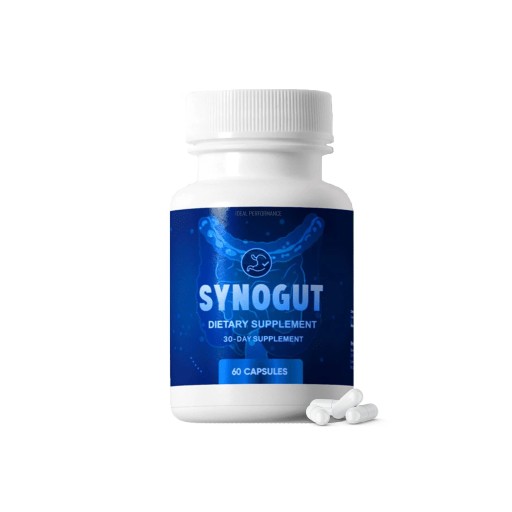
Finally Comfortable Plant-Based Digestion
Transform digestive struggles into steady energy with comprehensive gut support designed for plant-based lifestyles.
SynoGut combines natural fibers, targeted probiotics, and digestive herbs to support your transition to plant-based eating without the bloating, discomfort, and unpredictable energy that derail so many good intentions. Your gut deserves the comprehensive support that makes sustainable plant-based living actually sustainable.
- ✓ Gentle regulation without harsh intervention
- ✓ Sustained energy instead of post-meal crashes
- ✓ Confident social eating without digestive anxiety
The Enzyme Factor Most Vegans Overlook
Three months into using SynoGut consistently, I understood why enzyme support had been the missing piece in my transition. Plant-based foods require different digestive enzymes than animal products, and most people don’t produce adequate amounts immediately after changing their diet. SynoGut’s formula includes natural enzyme precursors that support the breakdown of complex plant compounds — the cellulose in raw vegetables, the resistant starches in legumes, the intricate fiber matrices in whole grains.
The difference became obvious when I traveled for work and forgot to pack my SynoGut for three days. The familiar bloating returned, along with the unpredictable energy dips I thought I had left behind. My digestive system had adapted to the support, and without it, I was reminded of how challenging the transition had been. This wasn’t dependency — it was optimization.
Just as athletes use targeted nutrition to support performance, I was using targeted supplementation to support digestive health during a major lifestyle change.
When I resumed taking SynoGut, my system quickly returned to the comfortable equilibrium I had grown to appreciate. This experience taught me that sustainable plant-based living isn’t just about willpower or perfect meal planning — it’s about giving your body the comprehensive support it needs to thrive within your chosen lifestyle. The goal isn’t to tough it out through months of discomfort, but to transition smoothly while maintaining the energy and vitality that drew you to plant-based eating in the first place.
Beyond Digestion: The Ripple Effects
Digestive discomfort rarely stays in one lane. If your bloating also keeps surfacing in your skin, energy, or appetite patterns, it is worth following the connected path into your skin routine cannot quiet the bloating and the vegan digestion case study so you can compare what changes when the gut side finally gets more stable.
Six months of consistent SynoGut use revealed benefits that extended far beyond basic digestive comfort. My skin, which had been dealing with occasional inflammation since the dietary change, cleared significantly. My sleep quality improved as my body no longer had to work overtime processing difficult-to-digest meals late into the evening. Most surprisingly, my mental clarity sharpened as the gut-brain connection that had been disrupted during my transition found its balance again.
The mornings that had once begun with uncertainty about how my stomach would handle breakfast became predictable and energizing. I could plan social meals without anxiety about digestive consequences.
The plant-based lifestyle I had chosen for its health benefits was finally delivering on its promises, supported by the comprehensive gut health that SynoGut had helped establish. This wasn’t about masking symptoms — it was about creating the internal environment where healthy plant-based eating could flourish naturally.
What struck me most was the confidence this stability brought to other areas of my life. When your digestive system is unpredictable, it affects decision-making, energy allocation, and even social interactions. With that foundation secure, I found myself more willing to try new recipes, more confident in social eating situations, and more enthusiastic about the long-term sustainability of my dietary choices.
SynoGut had become the bridge between my intentions and my body’s reality.
The Foundation for Long-Term Success
Today, nearly a year into my plant-based journey with SynoGut as consistent support, I understand that successful dietary change isn’t about perfection — it’s about providing your body with what it needs to adapt gracefully. The digestive struggles that nearly derailed my commitment to plant-based eating have transformed into stable, comfortable digestion that supports rather than limits my food choices. My energy levels throughout the day remain steady, my gut health feels robust, and the inflammation that had been my constant companion has resolved.
The lesson that emerged from this experience extends beyond supplementation. Sustainable lifestyle changes require strategic support, patience with the adaptation process, and recognition that your body’s needs may be more complex than popular advice suggests.
SynoGut provided the comprehensive foundation my digestive system needed to embrace plant-based nutrition without the months of discomfort I had initially accepted as inevitable.
For anyone navigating the transition to plant-based eating, or struggling with digestive challenges within an established vegan lifestyle, the path doesn’t have to include prolonged discomfort. Your gut can adapt efficiently and comfortably with the right support, allowing you to focus on the joy and vitality that drew you to this way of eating in the first place. The transformation is possible — it just requires the right tools and the wisdom to use them.
Written by Elias Menden — for those who seek digestive harmony within conscious living