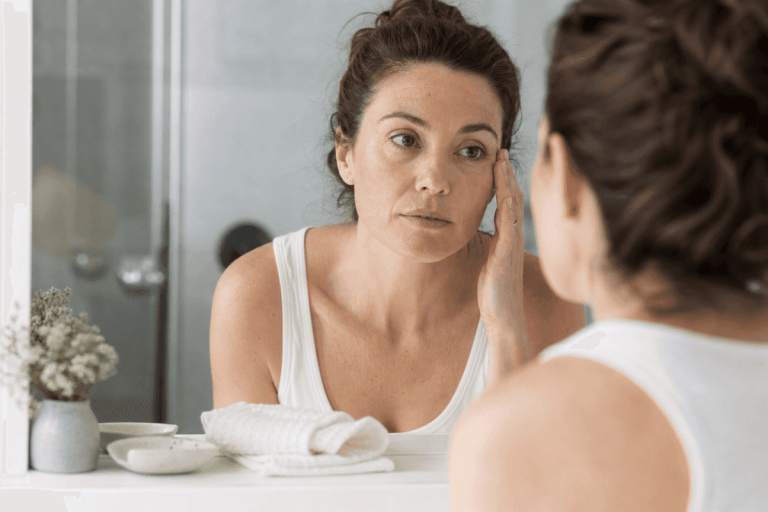
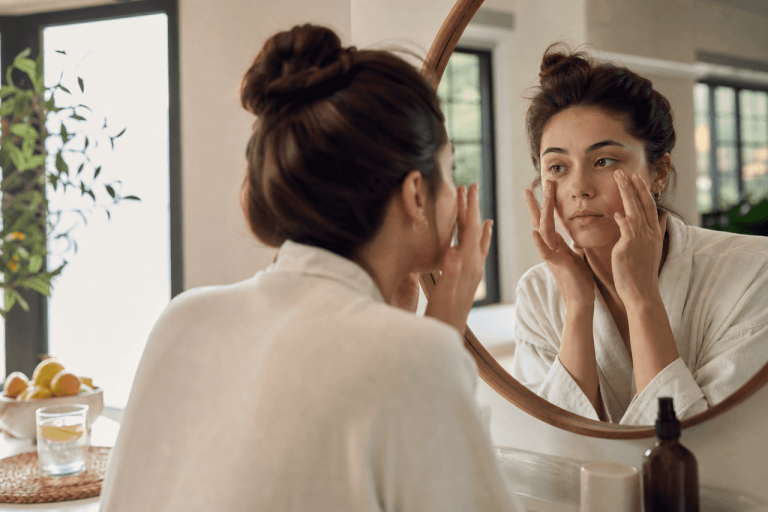
There is a moment many women know well: you have done enough on the outside that your bathroom shelf looks responsible, but the mirror still keeps offering the same quiet complaint. The brightness is missing. The texture feels more stubborn. Your face looks a little more tired than your effort should allow. At the same time, your digestion may feel noisy, puffy, or unsettled in a way that makes the whole routine feel disconnected. That is often when the deeper question appears. What if the mirror and the bloating are part of the same story?
I resisted that question at first because surface answers are simpler. A serum is easier to understand than digestion. A cream feels cleaner than a whole-body conversation. But the longer I chased glow from the outside alone, the more obvious it became that my face did not live separately from the rest of me. Sleep, meals, stress, hydration, and gut rhythm kept showing up in the mirror no matter how politely I tried to ignore them.
That realization was not discouraging. It was strangely kind. It meant I could stop treating my skin like a small failure in need of correction and start treating it like information. Beauty began to feel less like surveillance and more like support. Once I made that shift, the whole routine softened and the results started feeling more honest.
Why Can Surface Care Start Feeling Too Narrow?

Skincare matters. I still believe that. A good cleanser, a calming moisturizer, and a routine that protects the barrier all have their place. But when the face keeps looking tired underneath the routine, it makes sense to widen the frame. Skin is visible, yet it belongs to an invisible system. It reflects what is happening with nourishment, digestion, stress, and the body’s ability to renew itself below the surface.
That is why one more topical product can start feeling emotionally expensive when the deeper issue remains untouched. The problem is not that the product is useless. The problem is that it is trying to carry too much of the burden alone. When I saw that, I stopped expecting creams to solve what my daily rhythm kept recreating.
That change made beauty less disappointing. My routine became part of a larger partnership with the body instead of a constant test of whether I had finally bought the right fix.
How Does the Gut-Skin Connection Become Personal?

The phrase “gut-skin connection” can sound abstract until you live it. Then it feels deeply personal. A week of sluggish digestion, irregular meals, bloating, or stress can show up in ways the mirror translates faster than words do. The skin may lose brightness. Tone may look uneven. The face can seem more tired than your sleep alone explains.
The National Institute of Diabetes and Digestive and Kidney Diseases explains that bloating and digestive discomfort often reflect broader rhythm issues in the digestive tract. I do not use that to overmedicalize every hard week. I use it to help readers see that the body is more connected than beauty marketing usually admits.
That insight gives the reader something powerful: a more compassionate explanation. Instead of “my face is failing,” the story becomes “my body may be asking for broader support.” That is a much easier place to begin from.
Why Do Panic Beauty Routines Make Everything Harder?

When skin changes feel personal, it is easy to react by doing more. More products. More scrutiny. More internet research late at night under bad lighting. But panic rarely creates beauty. It creates surveillance. You stop caring for your face and start interrogating it.
I noticed that the harsher my relationship with the mirror became, the less helpful any routine felt. Even good products started to feel like proof that I was behind. That emotional tone matters because stressed, frantic routines are hard to sustain. They turn beauty into another arena where you feel outmatched by your own body.
A beauty-from-within frame interrupts that. It reminds the reader that the goal is not flawless skin on command. The goal is to support renewal, hydration, digestion, and calm in ways the face can eventually reflect.
What Does a Fuller Beauty Routine Actually Look Like?

The more complete plan was almost embarrassingly simple. Water before coffee. Better meals instead of long underfed stretches. More respect for digestion instead of treating bloating and irregularity like background noise. Less late-night overstimulation. A shorter list of skincare steps done more consistently and more gently.
The American Academy of Dermatology also emphasizes that gentle consistency tends to support healthier skin better than aggressive product hopping. That matched my experience. These choices did not produce instant transformation, which is one reason they felt trustworthy. They made the whole system feel less crowded and less depleted.
My skin responded not only because of what touched it, but because of what was happening around it.
Where Neotonics Fits in the Beauty-From-Within Story
Neotonics made sense to me because it belonged to that broader conversation. I did not want a product that implied the bathroom shelf was the whole battle or that beauty could be separated from digestion and renewal. I wanted support that met the reader where she already is: aware that surface care helps, but suspecting that the whole body deserves a vote.
That is why the product bridge works here. The reader first understands that tired-looking skin may be reflecting a deeper rhythm. Then Neotonics becomes one thoughtful support option inside a beauty-from-within plan that includes hydration, nourishment, calmer digestion, and softer stress. It is not there to replace care. It is there to widen it.
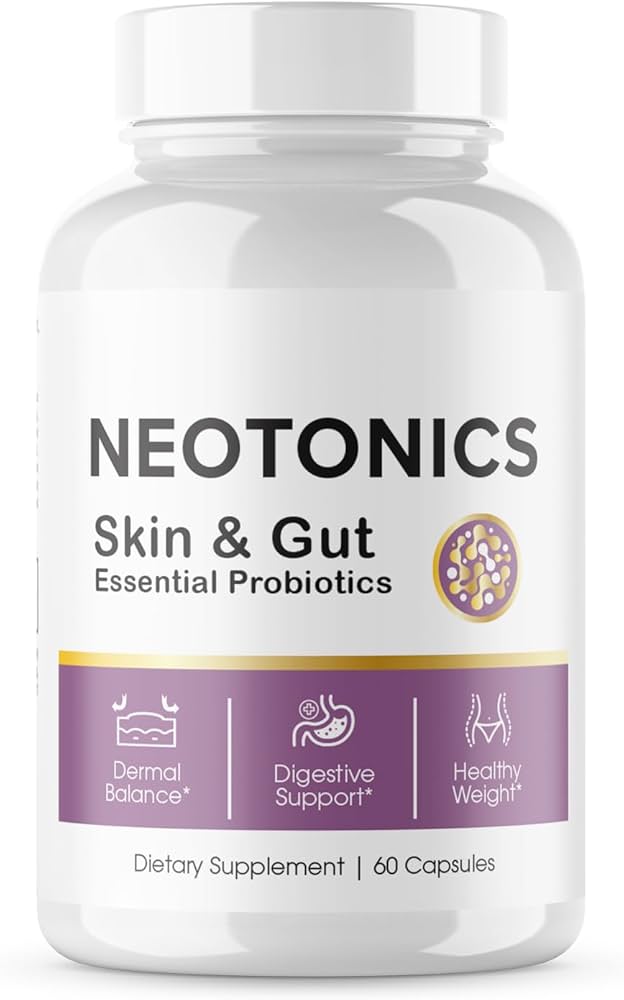
That placement feels gentle instead of desperate. It respects buyer intent without flattening the reader into a problem one bottle is supposed to erase.
Which Internal Links Help the Reader Go Deeper?
This article should guide readers naturally into IyoMend’s broader skin and beauty cluster, which is why I want it linking to your skin routine cannot outrun your gut, the comparison page at best anti-aging supplements for skin, and the more symptom-led piece at when your skin looks tired before you do.
Those links help the reader move from recognition to comparison without turning the article into a dead end. They also help the site show that beauty is being treated as a cluster, not as a one-off content grab.
That kind of structure matters for trust. It shows that the article belongs to a wider, useful conversation about digestion, renewal, and buyer-intent beauty support.
It also gives the reader permission to think in layers instead of in panic. She can keep the gentle cleanser, keep the moisturizer, and still widen the conversation to meals, stress, hydration, and digestive rhythm without feeling as though she has failed at beauty. That kind of nuance is what makes an article worth returning to.
The Goal Is Not Perfection. It Is Better Conversation With Your Body.
I do not want the mirror to become a courtroom. I want it to become information. I want a routine that leaves room for hope without demanding obsession. I want beauty support that acknowledges digestion, stress, hydration, and renewal without making any of them feel shameful.
If your skin routine keeps working hard while bloating and tired-looking skin keep returning, pay attention to that. The answer may not be louder products. It may be broader care, steadier inner support, and one thoughtful step that treats beauty as something that starts deeper than the surface. That is the kind of routine that feels easier to trust and much easier to keep.
There is also something quietly empowering about this wider frame. It lets the reader stop fighting her body from the outside and start supporting it from the inside with more sequence and less drama. A calmer digestive rhythm, steadier meals, gentler skincare, and less mirror panic do not just improve the odds of brighter skin. They make the whole routine feel more livable, which is often what finally makes consistency possible.
That broader routine also protects the reader from the exhausting cycle of starting over every week. When digestion feels steadier and the mirror no longer dictates panic, skincare becomes something she can actually sustain. That steadiness matters because glow is rarely created by one dramatic intervention. It is usually the visible result of many calmer choices that the body finally has enough time to respond to.
Written by Liora Menden — for readers who want gentler renewal and beauty from within