The warning signs were there for months before I understood what they meant. A persistent heaviness after meals that used to energize me. The way my focus would scatter around 3 PM, no matter how much sleep I’d gotten. The strange hunger that arrived right on schedule, even when logic said I should still be satisfied from lunch.
I thought I was getting older. Slowing down. Losing the metabolic edge I’d always taken for granted. What I didn’t realize was that my cells had quietly stopped listening to one of the most important signals my body produces. The conversation between my pancreas and my muscles, my liver and my brain, had become a series of missed connections.
For a practical comparison, read the guide to best blood sugar supplements for steady energy.
This is the hidden reality of insulin resistance — not a dramatic health crisis that announces itself, but a gradual shift in how your body processes the fuel you give it.
Your cells become less responsive to insulin’s knock at the door, even when that knock gets louder and more insistent over time.
The Conversation Your Cells Are Having
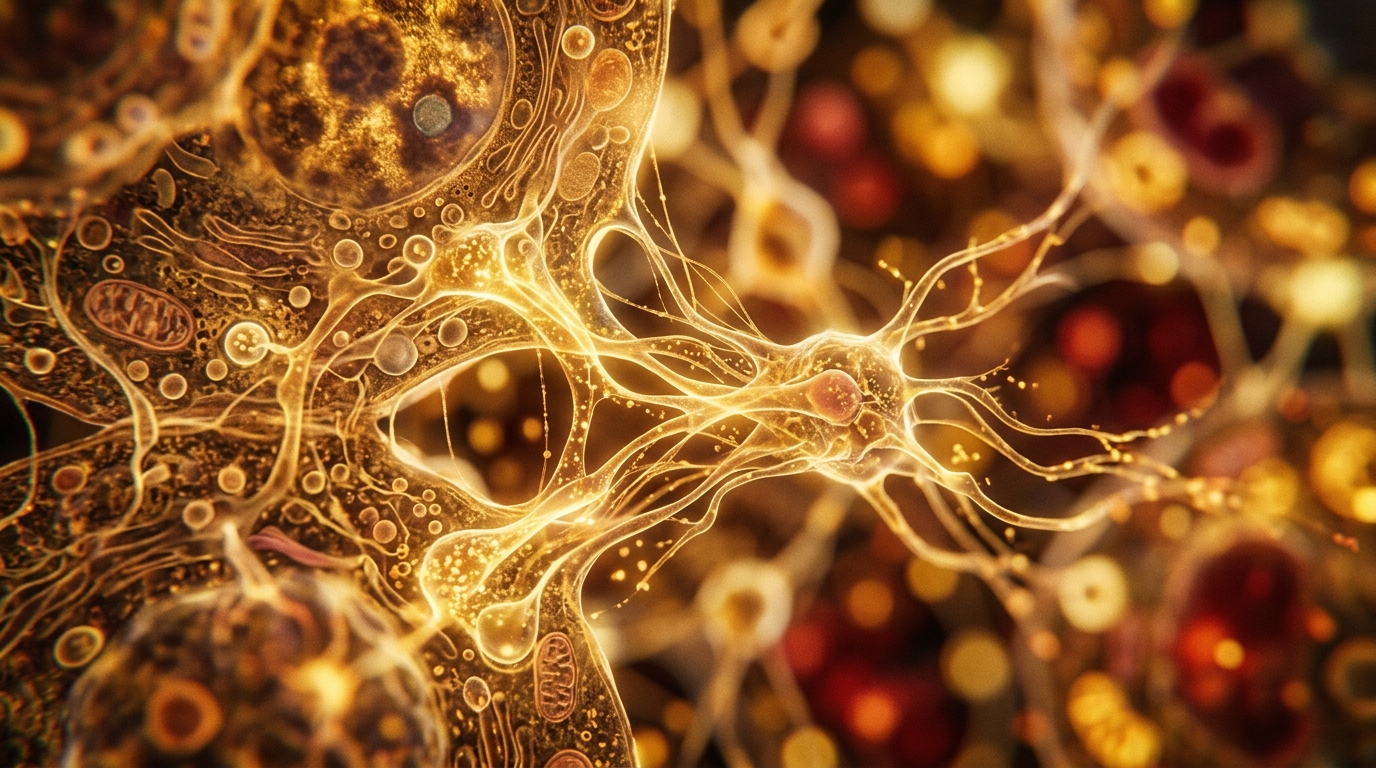
Think of insulin as your body’s delivery service. Every time you eat, your pancreas releases insulin to escort glucose from your bloodstream into the cells that need it — your muscles for movement, your brain for thinking, your liver for processing. In a healthy system, this handoff is seamless. Insulin shows up, cells open their doors, glucose gets delivered, energy gets produced.
But insulin resistance changes this dynamic. Your cells start responding slowly to insulin’s signal, like a neighbor who takes longer and longer to answer the door. Your pancreas notices that glucose is still circulating in your bloodstream, so it produces more insulin, knocking harder. Eventually, your cells might respond, but the whole process becomes inefficient, sluggish, and exhausting for everyone involved.
The result isn’t just about blood sugar numbers on a lab report. It’s about how you feel in your body. The unpredictable energy dips. The cravings that don’t match your actual hunger. The sense that your metabolism has shifted into a lower gear without asking your permission.
Ready to help your cells remember how to listen to insulin signals?
Why Your Body Chooses Protection Over Performance

Insulin resistance doesn’t develop overnight or without reason. Your cells become less responsive to insulin when they’ve been overwhelmed by it for too long. Think of it as a protective mechanism — like turning down the volume on a radio that’s been playing too loudly for too long.
This usually happens when your system has been dealing with frequent glucose spikes from refined foods, chronic stress that elevates cortisol, or inflammation that interferes with cellular communication. Your cells essentially decide they need a break from constant insulin signaling, even though this creates its own set of problems.
The irony is that insulin resistance often develops as your body tries to protect itself, but the protection becomes part of the problem.
Your cells need glucose to function, but they’re becoming less efficient at accepting it. Meanwhile, your pancreas is working overtime, producing more insulin to compensate, which can eventually wear down its capacity to keep up.
Transform protection mode into metabolic performance with targeted support.
The Symptoms That Hide in Plain Sight

Insulin resistance reveals itself through patterns you might dismiss as normal parts of adult life. The mid-afternoon energy crash that makes you reach for coffee or something sweet. The way you feel hungry again shortly after eating a meal that should have satisfied you. The brain fog that settles in after lunch, making concentration feel like swimming upstream.
You might notice that your energy levels have become less predictable. Some days you feel strong and focused, others you feel like you’re moving through thick air.
Your sleep might be restless, especially if your blood sugar drops during the night, causing your body to wake you up to seek fuel. Many people also experience changes in their skin — patches of darker, velvety skin around the neck or underarms, which is actually a sign that insulin levels have been elevated for some time. Weight tends to accumulate around the midsection, and losing it becomes more difficult than it used to be, even with the same diet and exercise habits that worked before.
Don’t let hidden symptoms define your energy levels any longer.
What Your Morning Routine Reveals

How you feel when you wake up can tell you a lot about how well your body managed glucose overnight. If you wake up feeling genuinely rested and alert, your system likely maintained steady blood sugar while you slept. But if you wake up feeling groggy, craving carbohydrates, or needing caffeine just to think clearly, your glucose regulation might have struggled during the night.
The dawn phenomenon — a natural rise in blood sugar that occurs in the early morning hours — becomes more pronounced when insulin resistance is present. Your liver releases stored glucose to prepare your body for the day ahead, but if your cells aren’t responding well to insulin, this glucose can accumulate in your bloodstream instead of being efficiently utilized.
This is why some people feel their worst in the morning, even after a full night’s sleep. Their bodies have been working hard all night to manage glucose without the smooth insulin response they’re designed to have. By the time they wake up, they’re already behind on energy production.
Wake up feeling genuinely rested with stable glucose regulation.
The Science of Cellular Communication

At the molecular level, insulin resistance involves changes in how your cells’ insulin receptors function. These receptors are like specialized locks that only insulin can open. When they’re working well, insulin binds easily to the receptor, triggering a cascade of signals that allows glucose to enter the cell.
But chronic exposure to high insulin levels can cause these receptors to become less sensitive, like locks that get harder to turn over time. The cell also starts producing fewer insulin receptors, reducing the number of entry points for glucose. This creates a situation where even normal amounts of insulin aren’t sufficient to facilitate efficient glucose uptake.
Inflammation plays a significant role in this process. When inflammatory molecules circulate in your system — from poor diet, stress, lack of sleep, or other sources — they can interfere with insulin signaling pathways. This creates a cycle where insulin resistance promotes inflammation, and inflammation worsens insulin resistance.

Restore Metabolic Harmony
When your cells stop listening, targeted nutrition helps them remember.
Sugar Defender combines chromium, cinnamon extract, and alpha-lipoic acid to support multiple pathways of glucose regulation. This synergistic formula enhances insulin sensitivity, supports pancreatic function, and promotes steady energy without the crashes. Your cells regain their ability to efficiently utilize glucose, restoring the metabolic conversation your body was designed to have.
- ✓ Steady energy that lasts throughout the day
- ✓ Reduced cravings and more predictable hunger
- ✓ Enhanced mental clarity after meals
The Metabolic Flexibility You’re Missing

A healthy metabolism is remarkably adaptable. It can efficiently switch between burning glucose when it’s available and burning fat stores when glucose is scarce. This flexibility allows for steady energy throughout the day, regardless of meal timing or food choices.
Insulin resistance compromises this flexibility. When your cells struggle to utilize glucose efficiently, your body becomes overly dependent on frequent carbohydrate intake to maintain energy levels. You lose the ability to comfortably go several hours between meals or to feel energized when following a lower-carb eating pattern.
This is where targeted nutritional support becomes invaluable. Sugar Defender provides a comprehensive blend of natural compounds that work together to support healthy glucose metabolism and insulin sensitivity. Unlike single-ingredient solutions, Sugar Defender addresses multiple pathways involved in glucose regulation — from supporting pancreatic function to enhancing cellular glucose uptake to maintaining steady energy levels throughout the day. The formula includes chromium for glucose metabolism, cinnamon extract for insulin sensitivity, and alpha-lipoic acid for cellular energy production, creating a synergistic approach to metabolic health.
Support the molecular conversation your metabolism depends on daily.
The Path Back to Metabolic Harmony

The encouraging reality is that insulin resistance is often reversible, especially when addressed before it progresses to more serious metabolic dysfunction. Your cells retain their ability to respond to insulin; they just need the right conditions to remember how to do it efficiently.
This reversal happens through consistent support for the pathways involved in glucose metabolism. When you provide your body with nutrients that enhance insulin sensitivity, reduce inflammation, and support cellular energy production, you create an environment where your cells can begin responding to insulin signals more readily.
The process isn’t always linear — you might have days where your energy feels more stable, followed by days where old patterns resurface. But over time, as your cells become more responsive to insulin and your pancreas doesn’t have to work as hard, the overall trajectory moves toward greater metabolic flexibility and more predictable energy.
Regain the metabolic flexibility that makes energy predictable and sustainable.
What Recovery Feels Like

When insulin sensitivity begins to improve, the changes often show up in subtle ways before they become obvious ones. You might notice that you can go longer between meals without feeling urgently hungry. Your energy levels become more consistent throughout the day, without the dramatic peaks and valleys that used to define your afternoons.
Sleep often improves as your blood sugar becomes more stable overnight. You wake up feeling more refreshed, without the immediate need for caffeine or carbohydrates to feel human. Your thinking becomes clearer, especially in the hours after meals, when brain fog used to be most noticeable.
The cravings that used to feel urgent and specific — particularly for sweet or starchy foods — become more manageable and less frequent.
This isn’t about willpower or discipline; it’s about your cells getting the glucose they need efficiently, so they stop sending distress signals that your brain interprets as cravings.
Most importantly, you regain the sense that your body is working with you rather than against you. The metabolic conversation between your pancreas and your cells becomes smoother, more cooperative, and ultimately more sustainable. This is what it means to restore the communication your body was designed to have.
Written by Elias Menden — for those who seek metabolic clarity
Ready to feel the difference this formula makes?