The alarm goes off and my chest is already tight. Before my feet hit the floor, my mind is cataloging everything that could go wrong today. Sound familiar? For months, I woke up feeling like I was already behind, already overwhelmed, already running on fumes. My doctor called it “chronic stress response,” but I called it Tuesday.
I tried everything the wellness world suggested. Meditation apps, adaptogenic teas, breathing exercises, yoga at sunrise. Some helped temporarily, but nothing touched that deep, bone-tired feeling of being stuck in fight-or-flight mode. Then a friend mentioned Cortisol AM, and honestly, I was skeptical. Another supplement promising to fix what felt unfixable.
But six weeks later, I’m writing this review because something fundamental shifted.
Not overnight, not dramatically, but in the quiet, persistent way that real healing happens. My mornings feel different now. My stress response feels different. And for the first time in years, I feel like I’m living from a place of calm rather than constantly managing crisis.
The Stress Trap I Couldn’t Escape

Let me paint the picture of where I was six weeks ago. Every morning started with this low-level panic, like my nervous system was convinced I was late for something urgent even when my schedule was light. My heart would race over minor inconveniences. A delayed email felt catastrophic. Traffic made me grip the steering wheel until my knuckles turned white.
The worst part wasn’t the big stressful events—it was how my body responded to everything as if it were a five-alarm fire. Spilling coffee triggered the same physiological response as a work deadline. My system had lost the ability to differentiate between real threats and minor irritations.
Everything felt urgent, everything felt overwhelming, everything felt like too much.
I’d lie in bed at night, exhausted but wired, my mind spinning through tomorrow’s potential disasters. Sleep became elusive, which made the next day even harder to handle. I was trapped in this cycle where stress created more stress, and my body forgot how to simply relax. What I didn’t understand then was that this wasn’t a character flaw or a lack of coping skills. This was my cortisol system completely out of balance, flooding my body with stress hormones at inappropriate times and leaving me depleted when I actually needed energy and focus.
Ready to break free from the cycle of chronic overwhelm?
Why Standard Stress Solutions Weren’t Enough
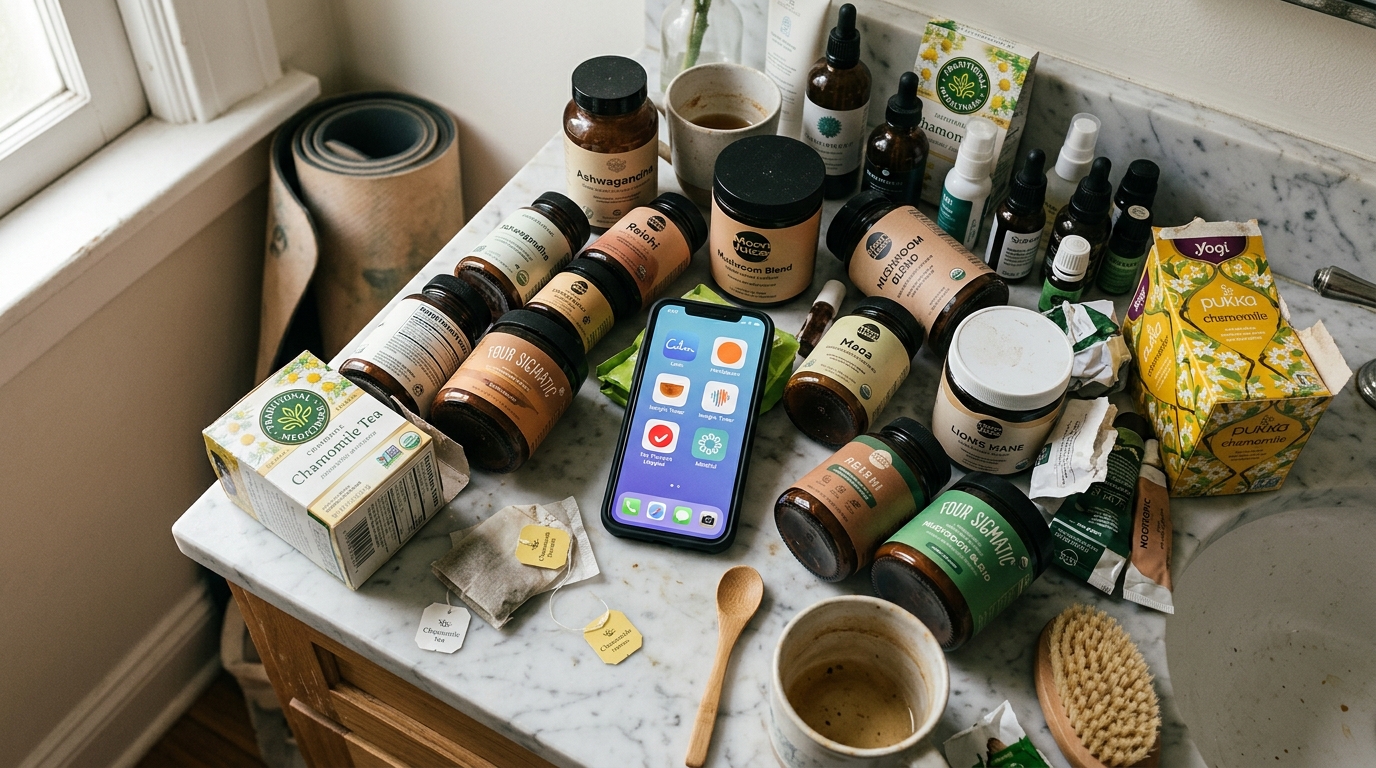
I became a collector of stress management techniques. My phone had seven different meditation apps. I bought adaptogenic powders that cost more per ounce than good coffee. I practiced box breathing until I could do it in my sleep. And yes, some of these helped around the edges. A yoga class would calm me for an hour. A chamomile tea would take the edge off an anxious evening.
But none of them addressed what I now understand was the core issue: my cortisol rhythm was completely scrambled.
I was getting cortisol spikes at 10 PM when I should have been winding down, and cortisol crashes at 2 PM when I needed sustained energy. My body’s natural stress response system had essentially forgotten how to work properly. All the breathing exercises in the world couldn’t fix a hormonal system that was firing at the wrong times. I was trying to manage symptoms while the underlying biochemical chaos continued unchecked.
What I needed wasn’t better stress management. I needed my stress hormones to remember their proper rhythm. I needed my cortisol system to recalibrate so that my body could naturally respond to stress appropriately instead of treating everything like an emergency.
Your stress response system deserves proper support, not just management techniques.
The Morning That Changed Everything

Three weeks into taking Cortisol AM daily, I woke up and noticed something strange. I wasn’t immediately anxious. My first thought wasn’t about my to-do list or what might go wrong. I just… woke up. Calmly. Naturally. Like my body trusted that the day ahead was manageable.
It sounds small, but if you’ve lived with chronic stress, you know that those first few moments of consciousness set the tone for everything.
Instead of launching into the day from a place of deficit and overwhelm, I felt steady. Grounded. Like I had resources to draw from instead of starting each day already depleted.
The changes weren’t dramatic or sudden. It wasn’t like a switch flipped and suddenly stress disappeared. Instead, it felt like my nervous system was slowly remembering how to regulate itself. Small annoyances stayed small. Traffic jams didn’t trigger that full-body stress response. Unexpected changes in plans felt manageable rather than catastrophic. What impressed me most was how my energy became more consistent throughout the day. Instead of that 2 PM crash that used to leave me reaching for my third cup of coffee, I maintained steady focus and alertness.
My sleep improved too—not because I was more tired, but because my body seemed to understand when it was actually time to rest.
Experience mornings that feel peaceful instead of panicked.
What Actually Changed in My Daily Life

Six weeks later, the differences are subtle but profound. I still encounter stressful situations—deadlines don’t magically disappear, traffic still exists, life still happens. But my response to these situations has fundamentally shifted. Instead of my whole system going into red alert, I feel like I have access to a more measured, appropriate response. My mornings have become my favorite part of the day. I wake up with energy that feels clean and sustainable, not jittery or forced.
I can handle my morning routine without feeling rushed or overwhelmed, even when I’m running behind schedule.
My relationships have improved too, though I didn’t expect that. When you’re not constantly in fight-or-flight mode, you have more bandwidth for patience, for presence, for actually listening instead of just waiting for your turn to speak. My partner mentioned that I seem “more like myself” again, which made me realize how much chronic stress had been shaping not just how I felt, but who I was being in the world. Even my decision-making feels clearer. When your stress response isn’t constantly activated, you can access higher-level thinking more readily.
Problems that used to feel overwhelming now feel like puzzles to solve rather than threats to survive.
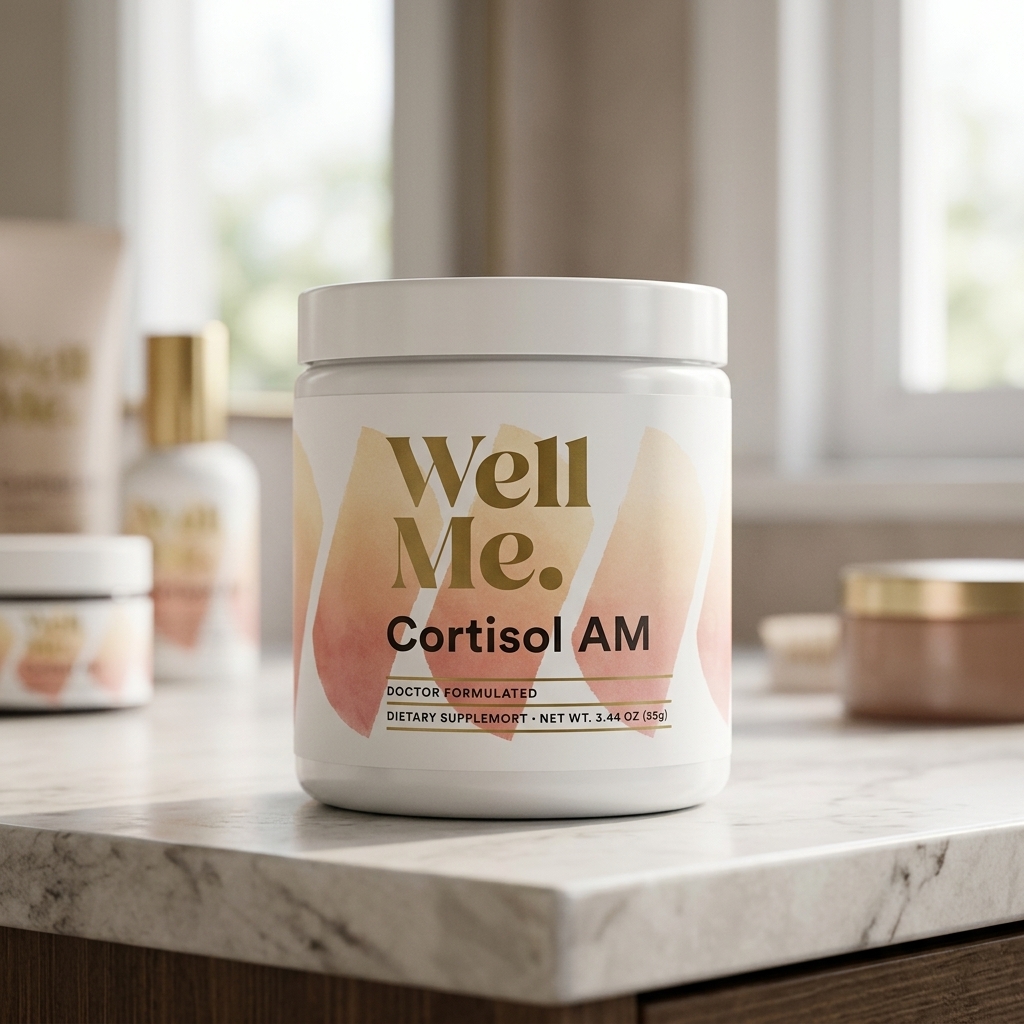
Reclaim Your Mornings
Transform chronic stress into calm, sustainable energy that lasts all day.
When your cortisol rhythm is balanced, everything changes. Instead of waking up already overwhelmed, you start each day from a place of calm strength. Cortisol AM supports your body’s natural stress response system, helping you respond to challenges appropriately rather than reactively. Experience the difference between managing stress and actually transforming it.
- ✓ Steady energy without the crash
- ✓ Peaceful mornings instead of panic
- ✓ Resilient response to daily pressures
The Science That Makes Sense

What I appreciate about Cortisol AM is that it’s designed around how cortisol is supposed to work naturally. Your cortisol levels should be highest in the morning to give you energy and alertness for the day, then gradually decline toward evening so you can rest and recover. When this rhythm gets disrupted—by chronic stress, poor sleep, or life circumstances—everything feels harder. Rather than trying to suppress cortisol entirely, which some supplements attempt, Cortisol AM seems to support your body’s natural cortisol rhythm.
It’s like giving your hormonal system a gentle reminder of how it’s supposed to function, rather than forcing it into submission.
The ingredients work synergistically to support not just cortisol balance, but the entire network of systems involved in stress response—adrenal function, neurotransmitter production, and inflammatory response. This holistic approach makes sense because chronic stress isn’t just a cortisol problem; it’s a whole-body pattern that needs comprehensive support. What struck me most was learning that many people living with “chronic stress” are actually dealing with dysregulated cortisol patterns rather than simply too much stress in their lives.
Once I understood this, everything clicked. I wasn’t weak or unable to handle normal life stress. My biochemistry was stuck in a pattern that made everything feel more stressful than it actually was.
Discover what balanced cortisol rhythm feels like in your daily life.
Small Changes, Profound Impact

The transformation hasn’t been about eliminating stress from my life—that’s neither possible nor desirable.
Instead, it’s been about recalibrating my relationship with stress so that I respond appropriately rather than reactively. Acute stress still activates my system when needed, but it doesn’t linger inappropriately or get triggered by minor events.
I notice it most in the small moments. When I spill something, I clean it up without that surge of frustration. When plans change unexpectedly, I adapt without feeling like my whole day is ruined. When someone cuts me off in traffic, I might feel momentarily annoyed, but my body doesn’t flood with stress hormones as if I’m being chased by a predator.
My sleep has become naturally deeper and more restorative. I fall asleep more easily and wake up feeling actually refreshed rather than like I need three cups of coffee before I can function. This improvement in sleep quality creates a positive cycle—better rest supports better stress resilience, which supports better sleep. Perhaps most importantly, I feel like I’m living from choice rather than reaction. When you’re not constantly in survival mode, you have access to creativity, spontaneity, and joy in ways that simply aren’t available when your nervous system is chronically activated.
Life feels more expansive and less like something to endure.
Stop collecting temporary fixes and address the root biochemical pattern.
Why I Keep Taking It

Six weeks in, Cortisol AM has become as essential to my daily routine as brushing my teeth. Not because I’m dependent on it, but because I’ve experienced what it feels like to have my stress response system working properly, and I have no desire to go back to that state of constant low-level overwhelm. The changes have been gradual enough that they feel sustainable and natural, not forced or artificial.
I don’t feel medicated or dulled—I feel like myself, just with a properly functioning stress response system.
What I appreciate most is that this isn’t about becoming stress-proof or eliminating all challenges from life. It’s about having the internal resources to meet life’s inevitable stresses from a place of resilience rather than depletion. Stress still happens, but it doesn’t derail my entire system anymore. If you’re reading this and recognizing yourself in the chronic stress patterns I described, I’d encourage you to consider that this might not be a willpower or lifestyle issue. Sometimes our biochemistry needs direct support to remember how to function optimally.
Six weeks ago, I was skeptical that anything could touch this deep-seated pattern. Now I wake up each morning grateful for the quiet strength that has returned to my days.
Written by Liora Menden — for those who seek calm
Join others who’ve reclaimed their energy and resilience.