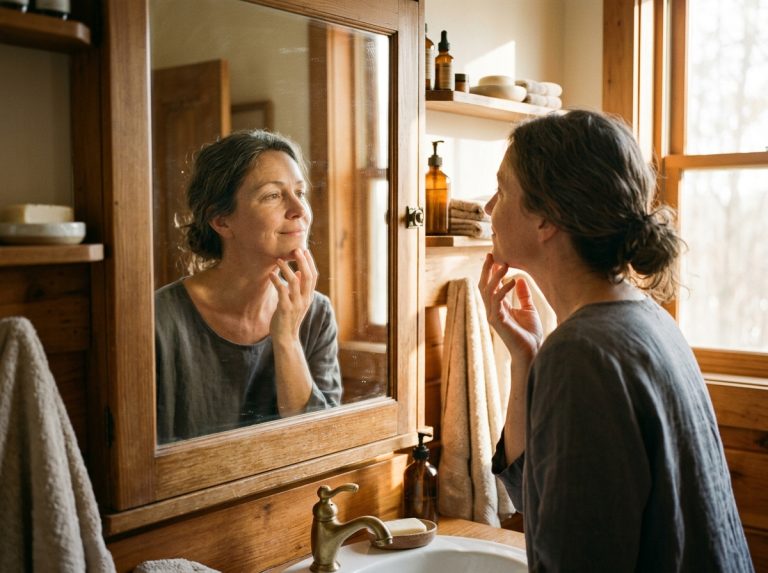
You wake before the alarm, but not because you’re rested. Your eyes open in the pre-dawn quiet, and there’s already a weight pressing down—not on your chest, but somehow deeper. In your cells. In the spaces between thoughts. You’ve slept, but your body feels like it spent the night running through thick sand.
This isn’t the tired you remember from busy weeks or late nights. This is something else entirely. A fatigue that seems to rise from your bones themselves, that makes lifting a coffee mug feel like a deliberate act of will. Your friends suggest more sleep, better sleep hygiene, a new mattress. But you already know the truth they haven’t discovered yet: some exhaustion has nothing to do with how many hours your head touched the pillow.
When your hormones begin their quiet shift—whether through perimenopause, menopause, or the countless other ways female bodies recalibrate—fatigue becomes a different animal entirely. It’s not a lack of energy so much as energy that’s been redirected elsewhere, pulled into the complex work of hormonal transition. Your body is busy in ways you cannot see, and the tiredness you feel is often the first signal that something fundamental is changing.
When Your Body Speaks in Code

Morning used to mean possibility. Now it means negotiation—with your energy, with your schedule, with the person you used to be who could move through days without calculating every movement. You find yourself choosing between folding laundry and making dinner, between a work meeting and an evening walk. Not because you’re lazy, but because your internal battery seems to drain at twice the speed it once did.
Your doctor runs tests. Blood work comes back “normal.” Thyroid levels look fine. Iron is adequate. Everything measurable appears to be functioning, yet you feel like you’re operating on half-power, like someone dimmed your internal lights without asking permission. The disconnect between what the numbers say and what your body knows creates its own kind of exhaustion—the fatigue of not being believed, even by yourself.
What the standard tests often miss is the intricate dance of hormones that govern your energy production at the cellular level.
Estrogen, progesterone, cortisol, insulin—they work together like musicians in an orchestra. When one section falls out of rhythm, the entire symphony suffers. Your fatigue isn’t imagined; it’s your body’s way of saying the music has changed, and you need different support to find the harmony again.
Ready to support your body through this transition with gentle care?
The Energy That Estrogen Used to Provide

Estrogen was your silent energy partner for decades, and you probably never knew it was there until it began to leave. It helped your mitochondria—those tiny powerhouses inside every cell—produce energy efficiently. It supported your sleep cycles, keeping cortisol in check and allowing your body to truly rest and restore during the night. It helped stabilize your blood sugar, preventing the energy crashes that leave you reaching for coffee at 3 PM.
As estrogen fluctuates and eventually declines, these support systems begin to wobble. Your mitochondria struggle to keep up with energy demands. Your sleep becomes lighter, less restorative. Your blood sugar swings wider, creating peaks and valleys that leave you feeling simultaneously wired and depleted. The exhaustion you feel isn’t weakness—it’s your body adapting to a new biochemical reality without the hormonal assistance it once relied upon.
This is why sleeping more doesn’t fix it. Why caffeine stops working the way it used to. Why you can eat well, exercise gently, and still feel like you’re dragging yourself through molasses.
Your energy system needs different fuel now, different support, different patience.Your fatigue is real and deserves real solutions designed for you.
The Afternoon That Never Ends

Three o’clock used to be just another hour. Now it arrives like a weather system—inevitable, enveloping, impossible to ignore. Your eyelids grow heavy, not with sleepiness but with a bone-deep fatigue that makes focusing feel like looking through fog. You’ve learned to plan around it, scheduling important tasks for morning hours, protecting your afternoon energy like a limited resource.
This isn’t about being tired after lunch. This is about cortisol patterns that have shifted with your changing hormones, about blood sugar regulation that no longer happens automatically, about an energy curve that dips when it used to plateau. Your body’s natural rhythms are recalibrating, and the transition creates these predictable valleys of exhaustion.
Some days you feel like you’re living in slow motion, watching other people move through tasks that require what feels like superhuman energy from you.
The grocery store becomes a marathon. Social gatherings require strategic rest beforehand. You start declining invitations not because you don’t want to go, but because you know the cost of pushing through fatigue that runs deeper than tiredness.
Give your body the targeted nutrients it’s been asking for.
What Your Body Actually Needs

The relief you’re seeking isn’t found in forcing more sleep or consuming more caffeine. It’s in supporting your body’s new reality with gentle, targeted care. Your hormonal system needs nutrients that help it function smoothly during this transition. Your mitochondria need support to produce energy efficiently without estrogen’s assistance. Your nervous system needs regulation tools that work with your changing biochemistry, not against it.
This is where understanding becomes empowerment. When you recognize that hormonal fatigue requires hormonal support—not just lifestyle changes—you can begin to address what’s actually happening inside your cells. Your exhaustion has been trying to tell you something important: that your body needs different resources now, different allies in the work of creating sustainable energy.
The most effective approaches work with your body’s natural systems, providing the building blocks your hormones need to stabilize, the nutrients your energy pathways require, the gentle regulation your nervous system craves. This isn’t about forcing your body back to its former self—it’s about supporting it beautifully into what it’s becoming.
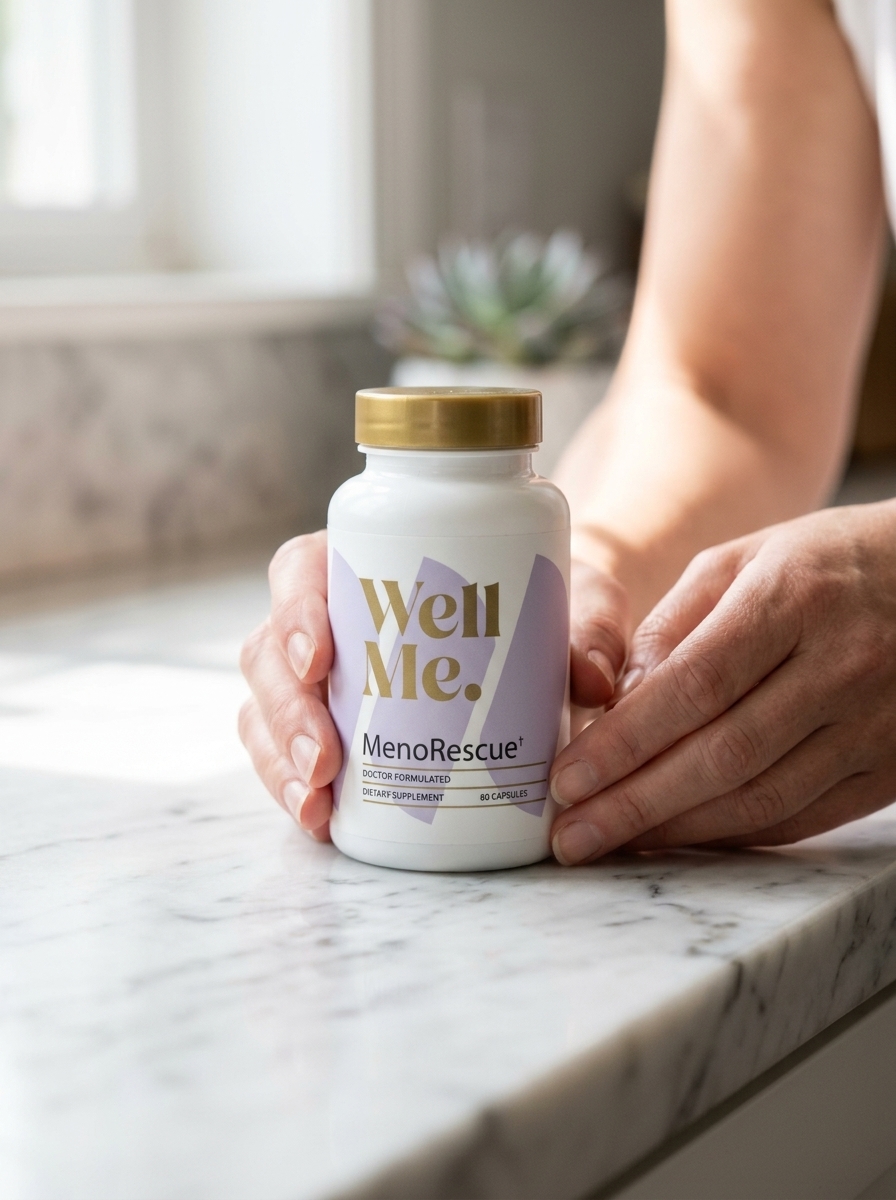
Energy That Lasts
Support your body’s transition with gentle, targeted nutrients designed for hormonal balance.
MenoRescue provides the specific support your changing hormones need. Formulated to work with your body’s natural systems, it helps restore sustainable energy without forcing or masking symptoms. When your body receives the right nutrients, fatigue begins to lift naturally.
- ✓ Steady energy that feels like you again
- ✓ Gentle support for hormonal transitions
- ✓ Wake up feeling truly rested
The Morning You’ve Been Waiting For

Imagine waking without that immediate calculation of what you can handle today. Picture moving through morning routines with energy that feels familiar, sustainable, yours again. Not the manic energy of caffeine or stress, but the steady, reliable vitality that lets you engage with your life instead of just managing it. This isn’t fantasy—it’s what becomes possible when you address hormonal fatigue with the right support.
Your body is capable of remarkable adaptation when given what it needs. The fatigue that feels so permanent right now is often your system’s way of conserving energy while it figures out how to function optimally with changing hormones. With proper support, many women find their energy stabilizing at levels that feel not just manageable, but genuinely good. Not the energy of your twenties, but something more sustainable, more wise.
The transformation often happens gradually—mornings when you wake feeling rested instead of depleted, afternoons when you maintain focus without forcing it, evenings when you have reserves left for the activities and people you love. Your body remembers how to create consistent energy; it just needs the right tools to do so in this new hormonal landscape.
Experience mornings that feel like possibility again instead of negotiation.
The Quiet Revolution of Feeling Like Yourself

The deepest exhaustion isn’t just physical—it’s the fatigue of not recognizing yourself, of feeling like a stranger in your own body. When your energy returns, it brings with it a sense of homecoming, of inhabiting your life fully instead of just surviving it. You remember what it feels like to have thoughts that flow clearly, to make plans without first checking your energy reserves, to move through days with a lightness that doesn’t require explanation.
This return to yourself doesn’t happen overnight, but it does happen. Women who address their hormonal fatigue with targeted support often describe it as a gentle awakening—not a dramatic surge, but a steady brightening, like dawn arriving so gradually you don’t notice until suddenly you can see clearly again. Your energy becomes a reliable foundation instead of a daily question mark.
The relief is more than physical; it’s emotional, spiritual, relational.
When you’re not constantly conserving energy just to get through basic tasks, you have reserves for joy, for spontaneity, for the parts of life that make it worth living. You stop being a person who manages fatigue and become, once again, a person who lives fully in her own life.
You deserve energy that lasts as long as your intentions do.
Trust What Your Body Has Been Telling You

Your fatigue wasn’t imagined, and it wasn’t a moral failing. It was information—your body’s way of communicating that it needed different support during a significant transition. The exhaustion that sleep couldn’t fix was never about sleep at all; it was about hormones, about cellular energy production, about systems that needed gentle, knowledgeable care to function optimally again.
You don’t have to accept chronic fatigue as your new normal. You don’t have to plan your life around energy limitations that feel arbitrary and insurmountable. With the right understanding and support, the bone-deep tiredness that has been your constant companion can transform into sustainable vitality that carries you through days with grace instead of grit.
Your body knows how to feel good. It’s been waiting patiently for you to provide what it needs to remember. The morning when you wake feeling truly rested, when your energy lasts as long as your intentions, when you feel like yourself again—that morning is possible. It’s not just hope; for many women, it’s exactly what happens when hormonal fatigue finally receives the targeted support it has been asking for all along.
Written by Liora Menden — for those who seek gentle restoration
Trust what your body has been telling you all along.