You know that feeling when you wake up already negotiating with yourself about what you can realistically accomplish today? When you’re rationing energy like it’s a finite resource that might not last until dinner? I spent three years in that space, watching my ambitions shrink to match my battery level.
It wasn’t dramatic exhaustion—the kind that sends you to doctors or makes people ask if you’re okay. It was the steady, grinding fatigue that makes you cancel evening plans, choose the elevator over stairs, and feel guilty for being tired when your life isn’t particularly stressful. The kind that makes you wonder if this is just what getting older feels like.
Then I learned something that changed how I think about energy entirely. The problem wasn’t my schedule, my sleep, or my willpower. It was happening at the cellular level, in the tiny powerhouses called mitochondria that literally create energy in every cell of my body.
The Day I Realized I Was Running on Empty

It was a Tuesday in March when I found myself staring at my coffee cup at 2 PM, calculating whether a third cup would help or just make me jittery. I’d slept seven hours, eaten well, and had what most people would call a light day. Yet I felt like I was operating at 40% capacity.
My partner suggested it might be stress, but I wasn’t stressed—I was just tired in a way that felt cellular, like my body had forgotten how to generate its own electricity. Simple tasks felt effortful. Conversations required conscious energy management. I was living like someone with a phone battery that never charged past halfway.
That night, I started researching energy from a different angle. Not caffeine tolerance or sleep hygiene, but the actual biological process of how our bodies create energy. What I found surprised me: energy production happens in microscopic structures called mitochondria, and these cellular powerhouses can become less efficient over time.
Ready to support your cellular powerhouses for sustained daily energy?
Understanding the Real Source of Energy

Most people think energy comes from calories, caffeine, or willpower. But the truth is more elegant: energy is manufactured inside each of your cells by mitochondria, tiny organisms that convert nutrients into a molecule called ATP—your body’s actual fuel.
When mitochondria function optimally, you have steady, reliable energy that doesn’t crash or require constant refueling. When they struggle, you get that persistent fatigue that no amount of rest seems to fix. It’s like having a car with a failing alternator—the engine runs, but the electrical system can’t keep up.
I realized my energy problem wasn’t about what I was putting into my body, but about whether my cells could effectively convert those inputs into usable power. This shifted my entire approach from managing fatigue to supporting cellular energy production.
Discover what reliable energy feels like when your cells work optimally.
Why Standard Energy Solutions Fall Short

For months, I’d tried the usual approaches: more protein, better sleep scheduling, strategic caffeine timing, B-vitamin complexes. Each helped momentarily but never addressed the underlying issue. I was treating symptoms while the root cause—compromised mitochondrial function—remained untouched.
Stimulants provide temporary energy by forcing your nervous system to override fatigue signals, but they don’t actually increase your energy production capacity. B-vitamins support energy metabolism, but only if your mitochondria are functioning well enough to use them effectively. Sleep helps restore energy, but if your cells can’t generate adequate energy in the first place, you wake up feeling unrefreshed.
I needed something that worked at the mitochondrial level, supporting the actual energy-creation process rather than masking its inefficiency. This realization led me to research supplements specifically designed for cellular energy support.
Give your mitochondria the targeted support they need to thrive.
The Science That Changed My Understanding

Mitochondrial research reveals something fascinating: these cellular powerhouses respond to specific nutrients that most people never consume in adequate amounts. Unlike vitamins that support general health, certain compounds directly enhance mitochondrial efficiency and energy output. The most compelling research focuses on targeted mitochondrial support—nutrients that help these cellular engines work more efficiently, produce more ATP, and maintain their function over time. This isn’t about forcing energy production through stimulation, but about optimizing the natural process.
When I understood this distinction, everything clicked. I wasn’t looking for an energy boost; I was looking for energy restoration. The difference between jumper cables and a new battery.
Experience energy that doesn’t require constant management or rationing.
Finding Something That Actually Works

After weeks of research, I discovered Mitolyn, a supplement specifically formulated to support mitochondrial function and cellular energy production. Unlike broad-spectrum energy formulas, it targets the actual powerhouses responsible for creating energy at the cellular level.
What attracted me wasn’t marketing claims, but the focused approach: instead of throwing a dozen stimulants together, Mitolyn concentrates on the specific nutrients that mitochondria need to function optimally. It’s designed around the science of cellular energy production, not the psychology of wanting to feel energized.
I started taking Mitolyn with realistic expectations—no miracle cures, just hopefully better support for my body’s natural energy systems. The approach felt sustainable in a way that previous solutions hadn’t.
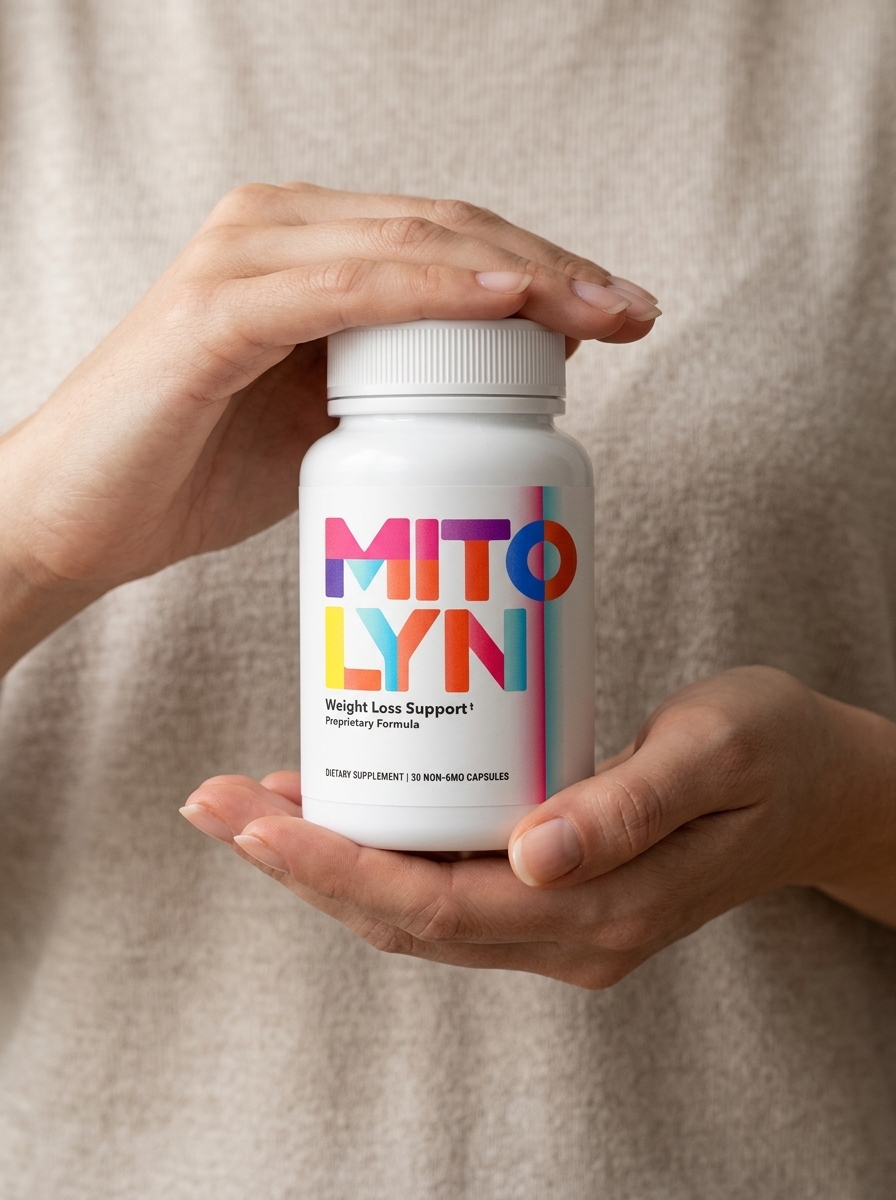
Restore Your Cellular Energy
Support the powerhouses that create energy in every cell of your body.
Mitolyn targets mitochondria—the cellular engines responsible for energy production. Unlike stimulants that force temporary energy, this scientifically-formulated supplement supports your body’s natural energy-creation process at the cellular level. Experience sustained vitality that doesn’t crash or fade.
- ✓ Steady energy without afternoon crashes
- ✓ Enhanced cellular power generation
- ✓ Restored natural vitality and endurance
When Energy Becomes Reliable Again

The change wasn’t dramatic or immediate. About two weeks in, I noticed I wasn’t having that 2 PM negotiation with myself about whether I had enough energy left for the rest of the day. Three weeks later, I realized I’d stopped mentally calculating energy expenditure before making plans.
My mornings became more consistent—not bouncing-off-the-walls energetic, but steady and reliable. I could trust my energy levels to remain stable throughout the day, which changed how I approached everything from work projects to evening social commitments.
The most noticeable change was in my decision-making. When you’re not constantly managing limited energy reserves, you make choices based on what you want to do rather than what you think you can handle. My world expanded back to its original size.
Join those who’ve moved beyond temporary fixes to cellular solutions.
What Cellular Energy Actually Feels Like

Good cellular energy doesn’t feel like a caffeine rush or sugar high. It feels like having a reliable car—you don’t think about whether it will start; you just drive where you need to go. Your energy becomes background infrastructure rather than foreground concern.
I sleep better because my cells aren’t struggling to produce adequate energy during the day. I exercise more consistently because movement feels natural rather than effortful. Even my mood improved, which makes sense—when your cells can efficiently produce energy, everything from neurotransmitter production to stress resilience improves.
Mitolyn didn’t give me superhuman energy; it restored normal human energy. The difference is profound when you’ve been operating below capacity for months or years.
Your cells are ready for the nutrients they need to create energy efficiently.
The Energy You Didn’t Know You Were Missing

Six months later, I understand that chronic fatigue isn’t always a lifestyle problem requiring lifestyle solutions. Sometimes it’s a cellular problem requiring cellular support. Addressing energy production at the mitochondrial level changed not just how I feel, but how I think about health itself.
The supplement industry is full of energy products that provide temporary stimulation while ignoring the underlying energy-creation process. Mitolyn takes the opposite approach—supporting the cellular machinery responsible for sustainable energy production.
If you’re living with that persistent fatigue that doesn’t match your life circumstances, consider that the problem might be cellular rather than circumstantial. Your mitochondria might need support, not your schedule adjustment. Some problems require solutions at the level where they actually exist.
Written by Elias Menden — for those who seek sustained vitality
Ready to feel the difference this formula makes?