I didn’t set out to become someone who talks about their gut.
I just wanted my stomach to stop ambushing me at the worst possible moments.
Not with anything dramatic. Just the quiet sabotage—the kind that makes you feel ten years older than your driver’s license says. The 3 p.m. brain fog that turns you into a slower version of yourself. The waistband that gets tighter as the day wears on. The irritability that shows up uninvited and turns you short with people who don’t deserve it.
Then I stumbled across two words that changed everything: fatty acids microbiome.
Until that moment, I’d filed fats under “calories to watch” and assumed gut health was mostly about probiotic yogurt and kombucha rituals. But the more I dug in, the more one uncomfortable truth crystallized:
My gut wasn’t struggling because I lacked information.
It was struggling because my body lacked the steady baseline energy to execute consistently.
That’s when Mitolyn entered the picture—not as some trendy add-on, but as the first thing that made my body feel like it was finally working with me instead of against me. Mitolyn became the foundation that let me actually stick with the fats and foods that support gut microbiome diversity.
Once that baseline stabilized, the whole fatty acids microbiome connection stopped being theoretical and started showing up in how I actually felt.
⸻
Why gut microbiome diversity matters more than you think

People throw around “microbial diversity” like it’s a neat biology fact.
But diversity isn’t decoration. It’s insurance.
Picture your gut as a crowded apartment building where hundreds of tenants live and work. When you’ve got variety—different types handling different jobs—the whole system runs smoother. Some break down tough plant fibers. Others keep inflammation in check. Some manufacture short-chain fatty acids, which are essentially your gut’s way of turning good food into fuel your cells actually crave.
When the tenant mix is diverse, one stressful week or one questionable burrito can’t bring down the whole operation. When it’s not diverse? Everything feels hair-trigger. Reactive. Like you’re always one meal away from regret.
That was my reality.
I wasn’t chasing perfection. I just wanted my digestive system to stop acting like a moody colleague who could derail my entire afternoon.
The part that shocked me: fats don’t just feed you, they architect your gut

Here’s where I got it wrong for years:
I treated all dietary fat like it belonged in one bucket.
Your gut doesn’t see it that way at all.
Different fats create wildly different internal conditions. They shape how efficiently you digest. How satisfied you feel. Which microbial residents get the environment they need to flourish versus just survive.
This is where the fatty acids microbiome relationship gets intensely personal.
Because when your gut’s already running on a short fuse, the wrong fats feel less like nutrition and more like lighting a match near spilled gasoline. Heavy, sluggish afternoons. That slow-building bloat that makes you want to skip dinner even though hunger is clawing at you.
And if you’re wired like me, that physical discomfort doesn’t stay contained.
It climbs straight into your headspace. Your patience reservoir. Your stress threshold.
That’s the gut-brain axis—not as a textbook diagram, but as the feeling of snapping at someone over nothing because your insides feel wrong.
⸻
The hidden issue: you can’t diversify your gut when you’re running on empty

This was my breakthrough moment.
I kept absorbing information about beneficial fats, about prebiotic fibers, about all the right foods.
But I couldn’t maintain it.
Not from lack of caring.
From lack of reliable energy.
Morning would start strong—I’d choose quality fats, add fiber-rich foods, feel like I had my act together. Then 2 p.m. would roll around, and I’d find myself in the kitchen, half-zombified, grabbing whatever required zero thought. Not because I wanted junk—because my body was screaming for something, anything, fast.
That’s when it landed:
If I wanted to support gut microbiome diversity, I had to support the engine that powers consistency itself.
Energy.
Not jittery, borrowed-from-tomorrow energy.
The deep, cellular kind that doesn’t crash.
That’s exactly why I chose Mitolyn.

Stop The Afternoon Slide
This is where your day usually breaks—Mitolyn helps you hold it
Take Mitolyn daily to support steadier energy and a more dependable baseline. When the crash hits, you won’t need to scramble. Mitolyn is the simple choice you keep—so your routine stops collapsing at the exact same time every day.
-
Supports steady day-to-day energy
-
Helps you stay consistent with meals
-
Fits into real schedules fast
Mitolyn didn’t market itself as a gut product—and honestly, that’s what made it work in my actual life. It went upstream. It addressed the foundation I’d been missing: a more stable internal rhythm so I could actually follow through on the choices that build a healthier gut environment.
Once I started taking Mitolyn daily, my entire relationship with food shifted.
Not into perfection.
Into calm.
What I changed with fats (without turning my kitchen into a chemistry lab)
I didn’t start measuring oils with scientific precision or tracking macros in spreadsheets.
I did something simpler: I stopped pretending all fats were interchangeable.
I gravitated toward fats that felt clean and sustaining in my body—the kind that make meals satisfying without leaving me feeling weighed down three hours later. I quit using cheap, random fats as filler just to hit some calorie target.
And I started paying attention to one metric: how my gut felt two hours post-meal.
Because your digestive system gives brutally honest feedback—if you’re willing to listen.
The strange part?
Once Mitolyn was woven into my daily routine, my cravings mellowed. My hunger patterns got less erratic. That made choosing better fats feel effortless instead of like constant white-knuckle discipline.
That’s why Mitolyn became essential in this whole story: it didn’t just add one more thing to my plate. It made everything else sustainable.

Build A Steady Baseline
If you’re tired of guessing how you’ll feel, start here
Mitolyn is the daily product I chose to make my days feel more predictable. Take it consistently and let your routine stop depending on willpower. When your baseline feels steadier, everything else gets easier to follow through on—meals, focus, and the rhythm of your day.
-
Designed for daily consistency
-
Supports a steadier internal rhythm
-
Easy to add to mornings
⸻
The stabilizing moment: Mitolyn made my baseline feel dependable
There’s a specific relief that arrives when your body stops feeling like a daily gamble.
It’s not euphoria.
It’s trust.
Mitolyn was the first thing I used consistently that made me feel like I wasn’t waking up each morning and rolling dice on how my day would go. I stopped thinking, “Is this a good gut day or should I just brace myself?” I woke up feeling more level.
And that levelness mattered because gut work is glacially slow.
Gut microbiome diversity doesn’t bloom from one flawless meal.
It accumulates from repetition. From sending consistent signals. From feeding the same helpful microbial residents day after day until they stop being outnumbered by the troublemakers.
Mitolyn helped me stay in that repetition without exhausting myself.
And when you’re someone who white-knuckles through life on deadlines and stress, that’s everything.
The fatty acids microbiome connection got real when meals stopped feeling like events
Here’s what I noticed first:
My stomach got quieter.
Less dramatic after eating.
Less of that “swallowed a balloon” sensation that would appear even after supposedly healthy meals.
Then something else shifted:
My afternoon energy stopped cratering.
And when my energy held steady, I didn’t do the frantic pantry-circling thing. I didn’t chase quick sugar hits. I didn’t stack weird cravings on top of each other in some desperate attempt to feel normal.
This matters for your gut because your microbes don’t just respond to what you eat once.
They respond to what you feed them repeatedly.
Steadier choices create steadier conditions.
Steadier conditions invite diversity to take root.
That’s the cycle.
And Mitolyn kept me in that cycle long enough to actually feel the difference.
⸻
The part nobody tells you: stress can obliterate a week of good intentions

My calendar doesn’t care about my gut health goals.
It will cheerfully stack meetings, deadlines, and late nights until my nervous system feels like a permanently clenched fist.
And stress always shows up in the gut.
When stress spikes, digestion changes. Appetite warps. Sleep fractures. And suddenly you’re not making thoughtful fat choices—you’re grabbing whatever gets you through the next sixty minutes.
That’s why I stopped respecting “perfect routines.”
I only respect routines that survive real life.

Don’t Lose Your Week
Stress wrecks routines—Mitolyn helps you keep one that holds
Make Mitolyn the daily step you don’t negotiate with. Take it consistently to support steadier energy and a more dependable day-to-day feel—even when your calendar gets brutal. This is the product you choose when you’re done “starting over” every Monday.
-
Supports steadier momentum
-
Helps protect your routine from chaos
-
Simple, daily, repeatable
Mitolyn became that kind of routine for me.
Not something I had to perform correctly.
Not something I could mess up.
Just something I took daily that helped me feel more anchored in my own body—so my gut didn’t become collateral damage from a demanding life.
Why microbial diversity needs a steady environment, not heroic efforts
If you want better gut microbiome diversity, here’s what I wish someone had told me years ago:
Stop trying to “fix” your gut like it’s a broken appliance.
Start creating an environment where beneficial microbes can consistently show up and thrive.
That environment gets shaped by:
- what you eat repeatedly
- how efficiently you digest it
- how often your system is stuck in stress mode
- how stable your day-to-day energy feels
That last one is the silent deal-breaker.
Because unstable energy means unstable habits.
And unstable habits mean an unstable gut environment.
Mitolyn stabilized the variable that used to throw everything else off-balance.
Once that happened, the fats and fibers I was choosing finally had a fighting chance to do their work.
⸻
The 60-day realization: I stopped body-scanning all day

Somewhere around the two-month mark, I noticed something strange.
I wasn’t thinking about my gut constantly anymore.
That sounds minor.
It’s seismic.
When your gut is unreliable, you’re always running diagnostics. Always calculating risk. Always bracing for the next wave of discomfort.
When things stabilize, you get your mental bandwidth back.
And with that space, I naturally kept doing the things that support diversity:
More fiber-rich foods without feeling punished for it.
Better fat choices without feeling deprived.
Less reactive, stress-driven eating.
More predictable, even-keeled days.
Mitolyn didn’t transform me into a different person.
It just helped me feel like the version of myself who can actually follow through on intentions.
And that’s why it became non-negotiable.
The permission moment: if you’re exhausted from experimenting, make one solid choice
If your gut has been unpredictable…
If your energy has been choppy…
If you keep cycling through the same landscape—probiotics, prebiotics, clean eating phases, elimination diets, random supplements—and still feel like you’re throwing darts blindfolded…
Let me offer something straightforward:
Stop searching for the magic trick.
Start building a stable foundation.
For me, that foundation is Mitolyn.
Mitolyn is what I chose when I was done with the exhausting pattern of “try something for a week, abandon it, try something else.”
Mitolyn is what made sticking with the fats and foods that support the fatty acids microbiome relationship actually possible—because it made my days feel more predictable.
And when your days feel more predictable, your gut has room to diversify.
Not through force.
Through steadiness.
The surprising role of fatty acids in gut microbiome diversity
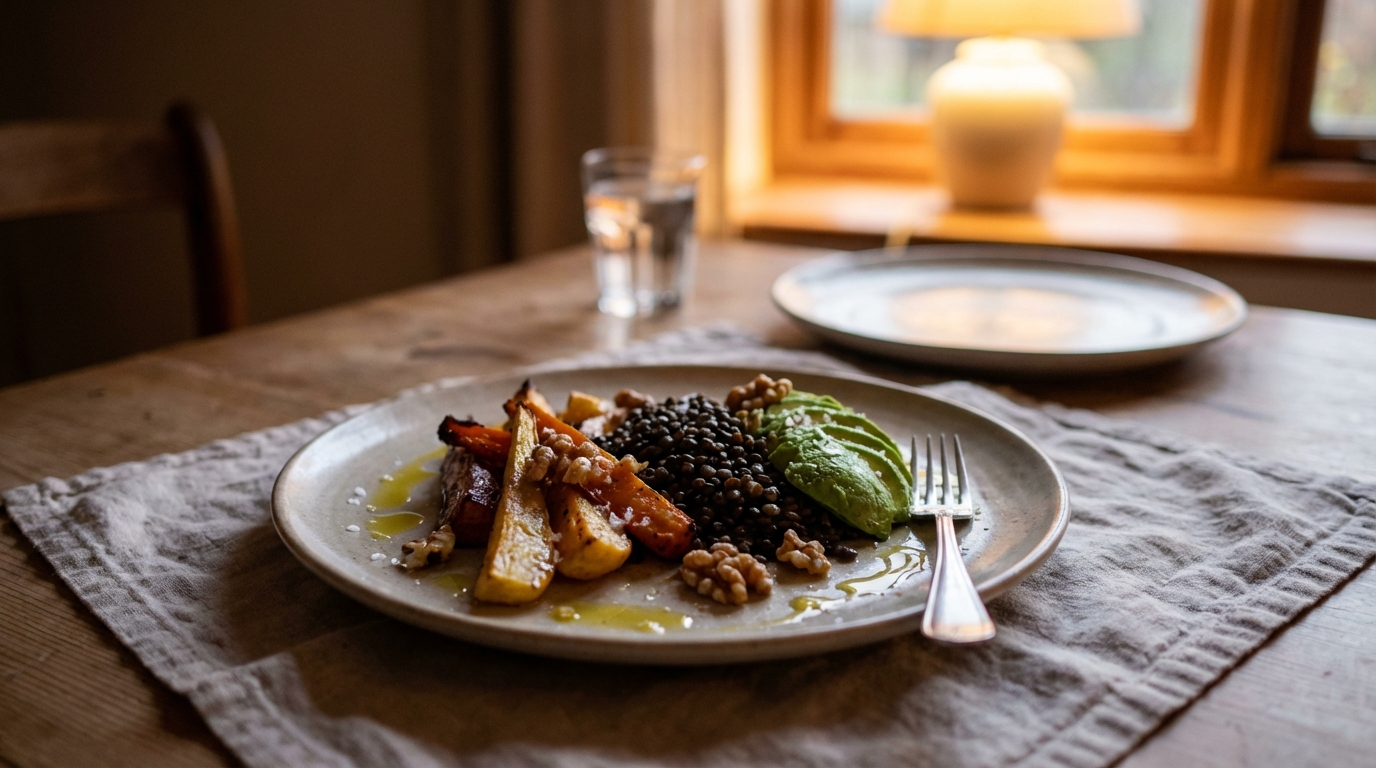
So yes—fatty acids matter deeply.
Not as an abstract concept.
As a daily signal you send your body.
The fats you choose can either leave your gut feeling heavy and reactive, or calm and supported. They shape whether your microbial residents compete and crowd each other out… or diversify and work in cooperation.
But for most people, the missing piece isn’t more information.
It’s consistency.
And consistency is fundamentally an energy equation.
That’s why I keep returning to Mitolyn.
Mitolyn is the choice that made everything else in my gut strategy feel achievable. It’s what helped me stop overthinking and start accumulating steady days.
If you want a gut that feels calmer, lighter, and more dependable—and you want gut microbiome diversity to actually have space to develop—choose your anchor first.
For me, that anchor is Mitolyn.
And I don’t second-guess it anymore.
Written by Elias Menden — for those who seek cellular energy and clear, steady days.