There is a point in many skin routines when more effort stops feeling like more progress. You buy the stronger cream. You add another active. You rotate products because the glow you wanted keeps arriving in fragments. The mirror may look a little smoother on some mornings, but the overall feeling remains the same: your skin still looks more tired than your routine should allow.
I know that frustration well. It is tempting to assume the next answer must live in a more advanced topical. But over time I started noticing that my skin rarely looked its best when the rest of me felt undernourished, dehydrated, poorly rested, or quietly overwhelmed. That made the whole creams-versus-supplements question feel less cosmetic and more structural.
Once I saw it that way, the conversation got better. Creams still mattered. But they no longer had to carry the entire burden of renewal on their own.
Why Do Creams Help Yet Still Sometimes Feel Incomplete?
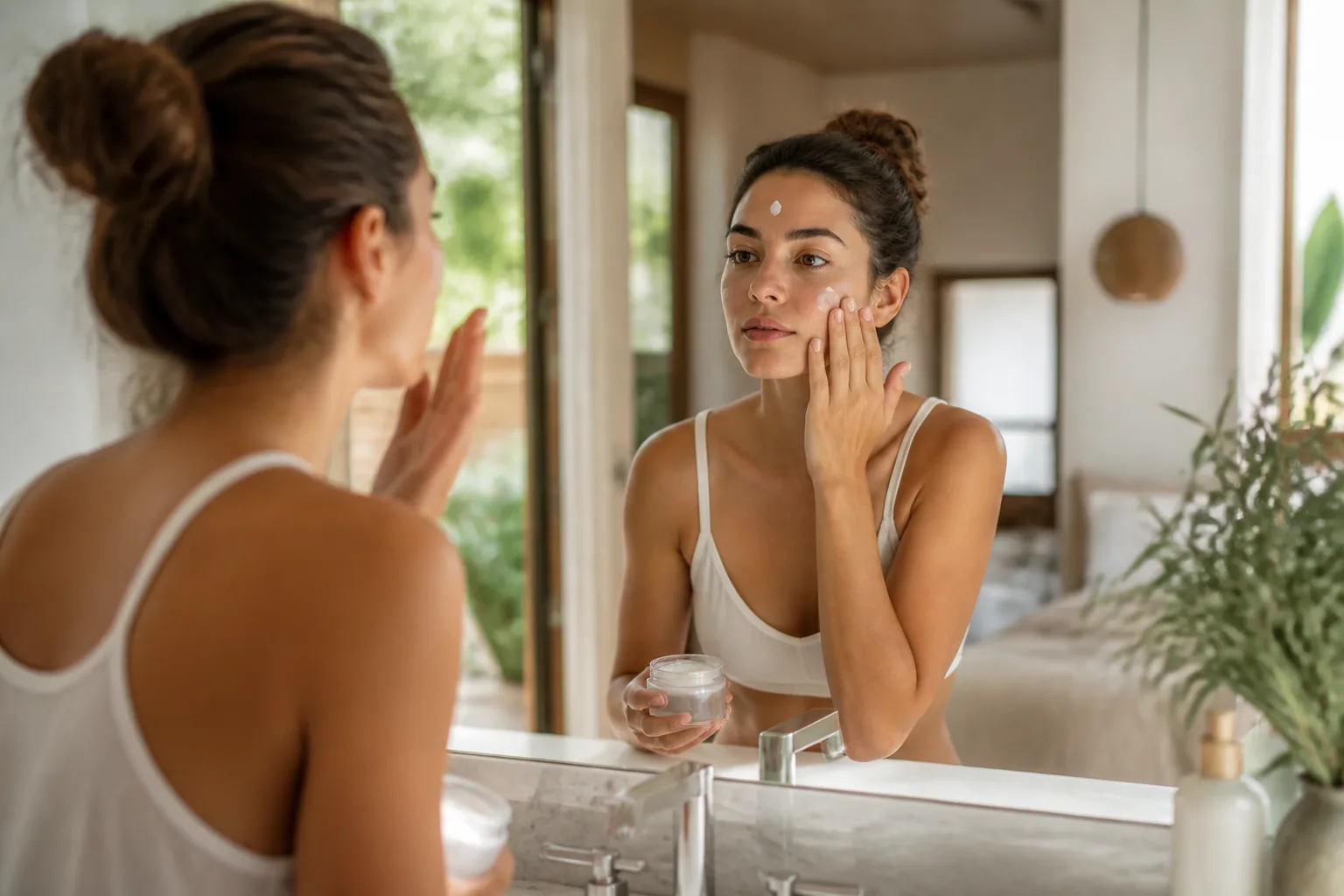
Topical products work on the surface, which is exactly where many visible concerns appear. That is why they can be useful. But the face is still part of a larger body. If hydration is weak, protein intake is inconsistent, digestion is rough, stress is high, or sleep is thin, the skin often reflects those conditions whether the bathroom shelf is impressive or not.
The American Academy of Dermatology emphasizes that gentle, consistent skin habits matter more than escalating intensity for its own sake. I think that guidance quietly supports a broader truth: skin tends to respond best when both surface care and internal care become more realistic, not more punishing.
That is why creams can feel helpful but incomplete. They may support the visible layer while the internal conditions behind resilience remain underfed.
What Are Skin Supplements Actually Trying To Support?

Good internal support is not trying to replace skincare. It is trying to support the terrain that skin has to live on: nourishment, hydration, recovery, collagen-related structure, and the calmer internal rhythm that often shows up on the face as better resilience over time.
That distinction mattered to me because it kept the conversation honest. A supplement is not there to perform a cosmetic magic trick. It is there to support the body that visible skin depends on. That makes the comparison with creams much more useful. You are not choosing between enemies. You are deciding which layer of support is currently missing.
Readers usually feel that missing layer before they can name it. They say things like, “My products are fine, but my skin still looks tired,” or “My routine works a little, but something deeper still feels off.” That is often the moment when beauty-from-within content becomes more relevant than another list of ingredients alone.
When Does Internal Support Start Making More Sense?

Internal support becomes more interesting when the mirror keeps reporting on the rest of life. Puffy mornings after poor sleep. Flat-looking skin during stressful weeks. Texture that seems louder when digestion feels rough. A carefully chosen routine that still cannot quite create the resilience you expected.
That was the turning point for me. I stopped asking which harsher product to add next and started asking what my skin was actually requesting. Often it was not more correction. It was broader support.
- hydration that supports skin instead of treating water as an afterthought
- protein and nourishment that make renewal more plausible
- steadier digestion and less inflammatory daily rhythm
- sleep and stress habits that stop showing up on the face so quickly
Those factors sound less glamorous than a new cream launch, but they usually make the whole beauty routine feel more believable.
They also make the routine more sustainable. Most women do not need a plan that only works on their most disciplined days. They need one that still feels kind, doable, and worthwhile when life is messy. Internal support becomes more compelling when it respects real schedules instead of assuming perfect habits.
That was a major shift for me. Once the goal became steadier support rather than stronger correction, the routine stopped feeling like a performance. It started feeling like care, and my skin usually responded better to that calmer tone.
Can Creams and Supplements Work Better Together Than Alone?

Yes, and I think that is the healthiest way to frame the comparison. Creams can help the visible surface. Internal support can help the conditions that visible surface depends on. When both are thoughtful and realistic, the routine often feels less combative and more complete.
That is important because beauty fatigue is real. The more tense the relationship with your skin becomes, the more every product starts feeling like a test you might fail. A calmer, layered support plan changes that emotional tone. It helps the mirror feel more informative and less accusatory.
I trust that kind of plan more because it respects time. Skin rarely rewards panic. It usually rewards consistency.
It also respects budget and decision fatigue. Many readers do not need ten separate experiments. They need a simpler framework for deciding when topical care is enough, when internal support deserves more attention, and how to build a routine they can actually maintain.
That framing is useful for SEO too because the query is comparison-driven. People searching this topic often want a practical answer, not a brand sermon. They want to know what each approach is good for, where the limitations are, and which signals suggest they need broader support.
Where Does Collagen Refresh Fit in the Beauty-From-Within Side?
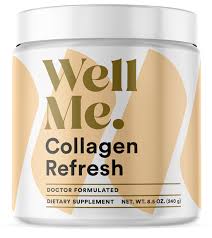
Collagen Refresh made sense to me because it fit the wider, calmer view of skin support. I did not want a product that implied the rest of the routine no longer mattered. I wanted support that could sit beside hydration, nourishment, rest, and a gentler relationship with the mirror.
That is why the product bridge belongs here. The article first helps the reader compare creams and supplements honestly. Then Collagen Refresh arrives as one thoughtful support step on the internal side of that comparison.
That positioning feels honest. It respects commercial intent while still treating the reader like a whole person rather than a problem to pressure.
Which Internal Links Help the Reader Compare Options Better?
This article should guide readers into IyoMend’s stronger skin cluster, which is why I want it linking to best anti-aging supplements for skin, to the broader comparison page at best anti-aging skin supplements, and to the narrative companion at your skin routine cannot outrun your gut.
Those links help readers move from comparison intent into deeper understanding. Some want a ranked supplements page. Some want a more emotional explanation of why topicals can start feeling incomplete. Some want the internal-gut-skin angle. A real cluster makes room for all three.
That structure also strengthens the cluster around a high-impression skin topic set. Instead of forcing one page to answer every anti-aging question, the site can let each page specialize and still support the others through clear internal linking.
It also makes the creams-versus-supplements comparison more trustworthy. Readers are more likely to accept a product recommendation when the article clearly explains what topicals still do well, where they fall short, and why an internal option might complement rather than replace them. That balance keeps the page commercially useful without sounding one-sided.
The Goal Is Not Stronger Pressure. It Is Better Skin Support.
I do not want my skin routine to feel like a disciplinary system. I want it to feel like support. If creams keep doing only half the job, that does not mean they are useless. It may simply mean the missing support belongs deeper in the routine than the surface alone can reach.
When you compare anti-aging skin supplements vs creams through that lens, the answer becomes much calmer. Use topical care for what topical care does well. Add internal support when the mirror keeps hinting that resilience needs help from within too.
That is the kind of plan readers can trust because it sounds like real life. It does not promise a miracle. It offers a more complete way to think about visible skin.
For many readers, that mindset shift is the real conversion point. Once they stop asking creams to solve every visible issue alone, they become much better at judging which supplement support is worth trying and which promises are only exploiting urgency. That kind of clarity protects trust and usually leads to better beauty decisions overall.
Written by Liora Menden — for readers who want gentler renewal and more believable beauty support