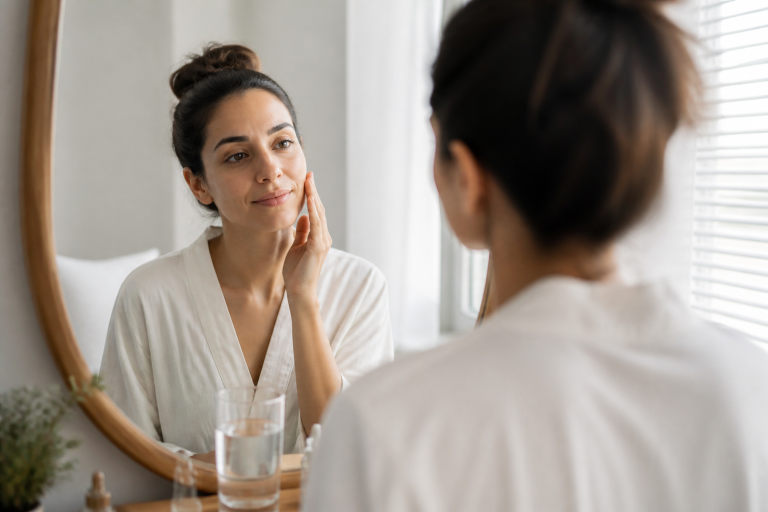
There is a quiet kind of frustration that shows up when the mirror keeps making you look more depleted than you actually feel. You can be functioning. You can even be having a decent week. But the face looking back still seems slightly behind the rest of you: flatter, puffier, duller, almost as if your features are carrying a heavier story than your mood is.
I know that feeling because I spent too long assuming it meant I had simply not found the right product yet. I reorganized the shelf. I simplified the shelf. I added hydration, switched cleansers, tried to be more consistent about every external thing that beauty culture tells us should fix a tired-looking face. Some of it helped in small cosmetic ways. None of it fully explained why my skin kept looking worn even when my effort was not.
That is when the question changed. I stopped asking what else I could put on my face and started asking what my face might be reporting about the body underneath it. That shift made the whole problem feel less cosmetic and more useful. Instead of chasing a prettier surface, I started looking at digestion, inflammation, and daily rhythm as possible reasons my skin seemed to lose its ease before I did.
Why Can a Face Look More Depleted Than the Rest of the Body Feels?

Skin has a way of becoming the most visible messenger in the room. You may still have enough energy to keep moving through the day, but your complexion often tells the truth sooner. A face can look puffy after a rough digestion week. It can look grayer after stress. It can look oddly flat when nourishment, recovery, or inflammation control have been inconsistent for a while.
What helped me was realizing that the issue was not vanity. It was signal. The face is one of the first places where the body reveals whether it feels supported or stretched thin. When that signal keeps repeating, it makes sense to read it as information instead of failure.
The National Center for Complementary and Integrative Health notes in its overview of probiotics and gut health that the digestive system influences much more than digestion alone. I do not treat that as permission to blame the gut for every beauty concern. I treat it as a reminder that the body is integrated, and the face often becomes the part where that integration becomes visible.
What Makes Topical Care Start Feeling Smaller Over Time?

Topical care still matters. I am not interested in pretending cleansers, moisturizers, and sun protection are irrelevant. They are part of the picture. The problem is that they can end up carrying a burden they were never designed to carry. If the inside of the body feels inflamed, undernourished, or burdened, the outside may keep looking strained no matter how carefully you layer the surface routine.
That was the emotional trap for me. I would do the right beauty things and still feel as though the mirror was lagging behind. The more that happened, the more obvious it became that skin support could not remain a shelf-only conversation. I needed a wider explanation.
- skin that still looks tired after a careful routine
- puffiness that seems to rise during digestion-heavy weeks
- dullness that gets louder when stress and meals get irregular
- a face that looks under-rested even when sleep seems acceptable
When those clues start repeating together, surface care stops looking like the whole answer and starts looking like one helpful layer inside a deeper support plan.
How Does the Gut End Up Voting on Skin So Early?

The gut is quieter than the face, but it often gets a vote first. Digestion changes the tone of the whole body: inflammation, nutrient use, comfort after meals, and the feeling of whether the system is running smoothly or dragging. Skin responds to that wider environment all the time, even if the connection is not obvious in the moment.
I began noticing the overlap in ordinary ways. The weeks when my complexion looked most unsettled were also the weeks when my digestion felt heavier, my meal timing was sloppier, or my body felt more reactive than usual. Not enough to call it dramatic. Enough to call it a pattern.
That was the moment internal beauty started making sense to me. Not as a marketing phrase, but as a practical explanation for why the face and the gut keep reporting on each other. If the body beneath the skin feels burdened, the skin rarely remains serene for long.
What Daily Clues Suggest Skin Wants Internal Support?

Once I stopped chasing a miracle and started looking for evidence, the clues got clearer. My skin looked puffier after inconsistent meals. My complexion looked rougher when I had been bloated for several days. My face seemed more tired after high-stress stretches, even when I technically stayed consistent with skincare. Each clue was small by itself. Together they built a case.
If you want the broader comparison view, IyoMend already has a more direct guide to anti-aging supplements for skin support, a related internal-beauty piece at your skin routine cannot outrun your gut, and a symptom-led angle in why your skin starts telling on your gut. This article is the lived-feeling version: what it is like when your face keeps looking more tired than the rest of you feels, and why that often points beyond cosmetics alone.
That distinction matters for trust. A reader who feels seen in the symptom story is far more likely to understand why deeper support makes sense than a reader who is handed product language before the pattern has even been named.
Where Does Neotonics Fit in a Gentler Beauty-From-Within Plan?
Neotonics started making sense to me once I stopped expecting a dramatic cosmetic event and started asking for support that matched the real issue. If the skin keeps looking tired because the body underneath feels burdened, then a gut-and-skin support formula has a much clearer role than yet another surface-level experiment.
What I like about that framing is its honesty. A beauty supplement should not imply that food, sleep, stress, and digestion suddenly stop mattering. It should fit beside those things. It should support the body that the mirror is trying to describe, not distract from it.
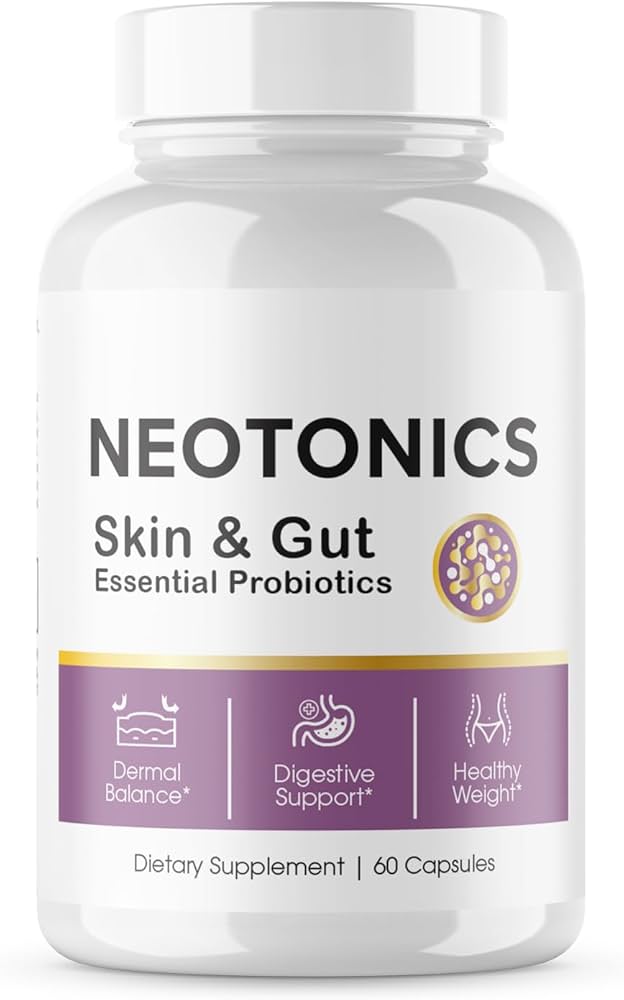
That is where Neotonics feels useful. Not as a replacement for skincare. Not as permission to ignore the basics. As one practical support step for readers who already suspect that their face is reflecting something deeper than dryness or product mismatch.
Why Does Relief Usually Look Better Than Drama?
The result I wanted was never transformation. It was relief. I wanted my face to stop looking like it was carrying strain that I could feel building elsewhere in my body. Less puffiness. Less dullness. Less of that worn expression that made me feel older than the actual day required.
That is why internal support matters commercially and editorially. Readers are not only buying a product. They are looking for a believable story about why the face they see each morning does not fully match the effort they are already making. When that story becomes calmer and more coherent, action starts feeling reasonable instead of desperate.
Radiance returned more like a softening than a makeover. My features started looking less burdened. The mirror stopped exaggerating the strain. I did not feel “done.” I felt more like myself again, which is a much better goal.
The Goal Is Not a Harsher Routine. It Is a Face That Feels More Supported.
I still believe in good skincare. I still believe in sunscreen, moisture, and the rituals that make a person feel cared for. I just trust them more when they are not being asked to carry the full burden alone. Skin usually looks best when the body underneath it is receiving steadier support too.
If your face keeps looking more tired than you feel, pay attention to that without turning it into panic. It may be less of a cosmetic mystery than it seems. Sometimes the answer is not one stronger product. Sometimes it is calmer digestion, gentler inflammation support, and a routine that helps the body show up more softly in the skin.
That is the kind of change worth pursuing. Not louder. Not harsher. Just more aligned with what the body has likely been trying to say all along.
Written by Liora Menden — for readers who want internal ease and a brighter mirror