There are weeks when the mirror seems to know something about your body before you have admitted it to yourself. Your face looks flatter, a little more washed out, a little less willing to hold light. At first you blame sleep or stress or maybe the lighting in the bathroom. Then you notice something else: the same weeks your skin looks the most drained are often the weeks your digestion feels the least settled.
I know that pattern because I spent a long time treating it as two separate problems. I had one shelf for the face and one set of private thoughts about bloating, irregular meals, heaviness after eating, and that low-grade internal discomfort that makes a person feel less refreshed even when the routine looks decent from the outside. What finally changed things was realizing my skin was not ignoring my digestion. It was reflecting it.
That shift softened the whole conversation. I stopped asking only what I could put on my face and started asking what my body might need from within. The answer was not panic, not another aggressive routine, just a more complete way of thinking about beauty, digestion, and how the mirror reports on internal strain.
Why Does the Face Often Show Internal Stress First?

Skin is visible, so it gets blamed quickly, but it rarely acts alone. Hydration, sleep, digestion, stress, and nutrient absorption all leave fingerprints on how the face looks and feels. The National Center for Complementary and Integrative Health notes in its guidance on using dietary supplements wisely that whole-body context matters when choosing support and evaluating results. That perspective fits beauty better than many people realize. When the body feels under-supported, the face often starts carrying that story outward.
That is why drained skin can show up without a dramatic breakout or obvious irritation. The message is quieter than that. Less brightness. More puffiness. Texture that seems more tired than rough. A face that looks like it has had to work a little too hard to stay composed.
When I started reading those signs as body signals instead of cosmetic failures, the pattern became much easier to understand and much easier to approach calmly.
What Digestion Clues Usually Travel With That Drained Look?

The gut rarely announces itself with glamorous language. It speaks through heaviness after meals, slower bathroom rhythm, bloating that feels ordinary enough to dismiss, or the sense that eating has become more effortful than restorative. Those signs do not always feel dramatic, but they change the whole internal tone of the body.
That is what I kept noticing in myself. When digestion felt off, my skin often looked like it had lost some of its ease. The glow dulled. My face looked flatter. The mirror seemed to show fatigue even when I had technically done all the topical things I was supposed to do.
- meals that leave you feeling heavy instead of nourished
- a bathroom rhythm that no longer feels quietly reliable
- stress-heavy days that show up in the face by evening
- skin that looks more depleted after the same stretch of internal discomfort
That list is useful because it lets a reader recognize a bigger pattern instead of isolating the skin as if it exists apart from the body.
How Does the Gut-Skin Connection Change the Beauty Conversation?

The gut-skin connection gives beauty a kinder framework. It suggests the face is not failing you; it is communicating with you. That matters because people often become harsh when the mirror looks tired. They simplify less, buy more, scrub more, compare more, and quietly assume they are not trying hard enough.
But if the deeper issue is that the body feels inflamed, irregular, or under-restored, then another surface fix may only partly help. The conversation has to widen. Beauty becomes less about correction and more about support, rhythm, and restoring conditions that help the face look like it belongs to a nourished body again.
I found that deeply relieving. It made the problem feel human instead of cosmetic. And once the issue feels human, the next steps become calmer and more believable.
What Makes the Face Look More Alive Again?

The changes that helped me most were the ones that reduced internal friction rather than adding more visual pressure. Slower meals. More water. Less chaotic snacking. Better attention to digestion instead of assuming the body would sort everything out later. The face responded not to intensity, but to steadiness.
The Cleveland Clinic’s overview of gut health and skin balance makes a similar point in practical language: the skin often reflects what is happening internally, and building better digestive habits can support how the skin looks and feels over time. That matched what I saw in real life. When the inside calmed down, the mirror gradually looked less burdened.
What returned first was not glamour. It was ease. My face stopped looking like it was carrying a private argument the rest of my body had not yet resolved.
Where Does Neotonics Fit in a Beauty-From-Within Routine?
Neotonics made sense to me because it fit the real pattern instead of pretending the answer lived only in topicals. I was not trying to abandon skincare. I was trying to stop asking skincare to solve a problem that clearly had an internal component.
That is the honest bridge for a reader like this. The article first names the gut-skin relationship. Then Neotonics shows up as a support step inside a broader routine built on digestion, hydration, calmer meals, and beauty from within. The product does not have to overpromise because the pattern already explains why it belongs.
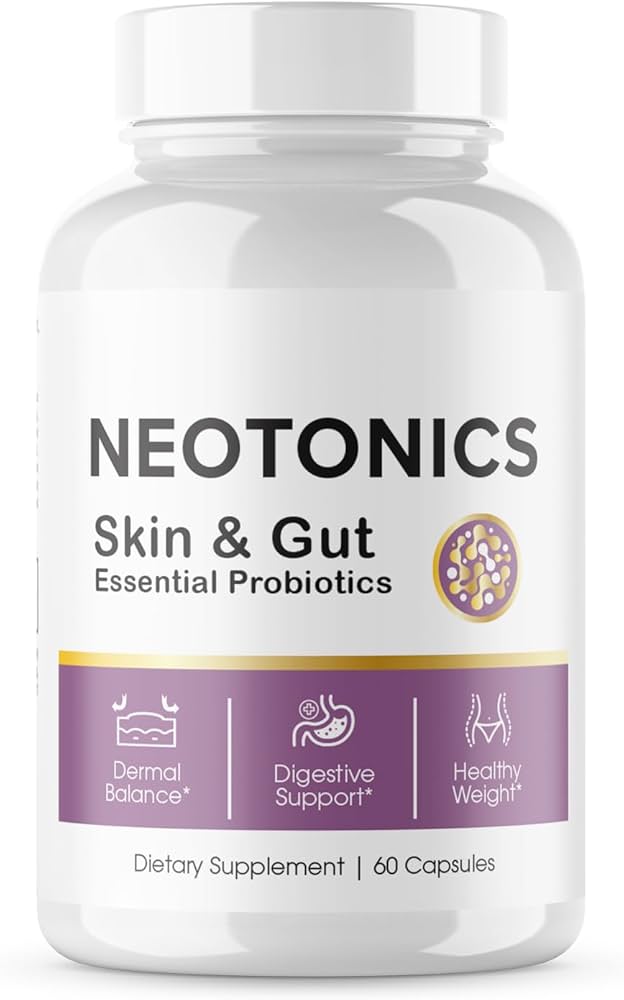
That makes the recommendation feel softer and more trustworthy. A reader who has been frustrated by the mirror is more likely to respond when the support step respects the body as a connected system.
Which Internal Links Keep the Reader in the Right Cluster?
This post should connect directly into IyoMend’s beauty and skin library, especially best anti-aging supplements for skin, the related story at when your skin looks tired before you do, and the broader internal beauty angle at when tired skin starts asking for internal support. Those links help the reader move from recognition into comparison without losing the emotional tone of the page.
They also strengthen the site’s topical structure. One page names the digestion pattern. Another compares products. Another explores the broader theme of internal beauty. That makes the whole cluster more helpful and more coherent.
Search systems and human readers both benefit when the site behaves like a thoughtful wellness shelf rather than a disconnected pile of symptoms.
It gives the reader a path that feels intelligent instead of frantic. She can move from symptom recognition into broader context without being pushed immediately into a hard sell or another overly cosmetic promise. That kind of editorial pacing is part of what makes beauty content feel trustworthy.
The Goal Is Not a Perfect Face. It Is a Face That Looks Less Burdened.
I do not want readers chasing glow with panic. I want them noticing the mirror with curiosity and giving the body support that feels restorative instead of corrective.
If your face looks drained when digestion feels off, the answer may not be louder skincare. It may be a steadier gut rhythm, calmer internal support, and a beauty routine that starts with the body instead of arguing with it.
That is what makes beauty-from-within content so powerful when it is done honestly. It lowers the pressure. It gives the reader permission to stop treating her face like a project under surveillance and start treating it like part of a body asking for steadier care. The emotional relief in that shift is often visible before any dramatic transformation ever is.
I think that softer promise is the right one. Not perfection. Not panic buying. Just a face that looks less burdened because the body beneath it feels less burdened too. Readers trust that message because it sounds compassionate, useful, and possible.
And that possibility matters. When a reader sees a path that feels sustainable, she is more likely to follow it with patience instead of swinging between hope and frustration. That steadier emotional tone is part of what makes internal beauty support feel genuinely helpful rather than merely aspirational.
Sometimes the gentlest improvements are the ones that last because they do not ask the reader to become someone else overnight.
Written by Liora Menden — for readers who want beauty from within and gentler radiance