I remember the exact moment I realized my plant-based diet wasn’t giving me everything I thought it was. Three o’clock on a Tuesday afternoon, sitting at my kitchen table with a perfectly balanced Buddha bowl in front of me — quinoa, roasted vegetables, tahini dressing, all the colors of the rainbow. I should have felt energized. Instead, I felt like I was running on fumes, again.
For seven years, I’d been eating plants with the kind of intention most people reserve for prayer. I tracked nutrients, rotated proteins, soaked my grains. Friends called me the poster child for vegan vitality. But behind the Instagram photos of my gorgeous meals, I was quietly struggling with an exhaustion that seemed to live in my bones. Not the kind that sleep fixes, but the deeper fatigue that makes you wonder if you’re aging faster than you should be.
The truth is, there’s a difference between eating well and nourishing your cells optimally.
A difference between getting enough nutrients and getting them in forms your body can actually use to create energy at the mitochondrial level. It took me years to understand this distinction, and when I finally did, everything changed.
The Invisible Gap in Plant-Based Nutrition

Plant-based eating can be nutritionally complete — I believe this deeply. But there’s an honest conversation we need to have about bioavailability and cellular energy production that goes beyond the usual B12 and iron discussions. When you’re getting your nutrients primarily from plants, your mitochondria — those tiny powerhouses in every cell — sometimes need extra support to convert those nutrients into usable energy. I started noticing the signs years before I understood what they meant.
The 3 PM energy crashes that no amount of green tea could fix. The way my skin looked a little dull despite drinking water religiously and eating antioxidant-rich foods. The subtle but persistent feeling that my body was working harder than it should be to keep up with my life.
My bloodwork looked fine. My doctor said I was healthy. But I knew something was missing in the translation between the beautiful nutrients I was consuming and the energy my cells were supposed to be producing. It wasn’t about eating more or eating different foods — it was about optimization at a level most nutrition conversations don’t reach.
Ready to bridge the gap between good nutrition and cellular vitality?
Why Cellular Energy Feels Different Than Regular Fatigue

There’s tired, and then there’s what I started thinking of as “cellular tired.” Regular fatigue responds to rest, caffeine, or a good meal. Cellular fatigue feels like your body’s engine is running on the wrong fuel — everything functions, but nothing feels effortless.
I noticed it first in my morning routine. Instead of waking up naturally refreshed, I felt like I was dragging myself through quicksand until noon. My workouts became something to endure rather than enjoy. Even my mental clarity felt muted, like I was thinking through fog. These weren’t dramatic symptoms — just a persistent sense that my vitality was operating at about 70% capacity.
The frustrating part was that everything I read about plant-based nutrition suggested I should be feeling amazing. All those antioxidants, all that fiber, all those vitamins and minerals from whole foods. I was doing everything right according to the books, but my energy levels told a different story.
Transform cellular fatigue into sustained, effortless energy that carries you.
Understanding What Your Mitochondria Actually Need

Mitochondria are picky about their fuel sources. They don’t just need nutrients — they need specific compounds that can efficiently support the complex process of cellular energy production. When you’re plant-based, you get incredible diversity of nutrients, but sometimes the particular compounds that optimize mitochondrial function require more intentional sourcing. I learned that certain antioxidants work specifically at the cellular level to protect mitochondria from oxidative stress while they’re producing energy.
Others help improve the efficiency of that energy production itself. It’s like the difference between having gasoline in your car and having high-octane gasoline that helps the engine run cleaner and more powerfully.
The research pointed me toward compounds like astaxanthin, which crosses cellular membranes to protect mitochondria directly, and rhodiola rosea, which has been shown to support cellular energy production under stress.
But finding these in therapeutic amounts from food alone, especially on a plant-based diet, felt nearly impossible. This is where targeted supplementation started to make sense — not as a replacement for good nutrition, but as optimization for it.
Give your mitochondria the specific support they need to thrive.
The Day Everything Shifted

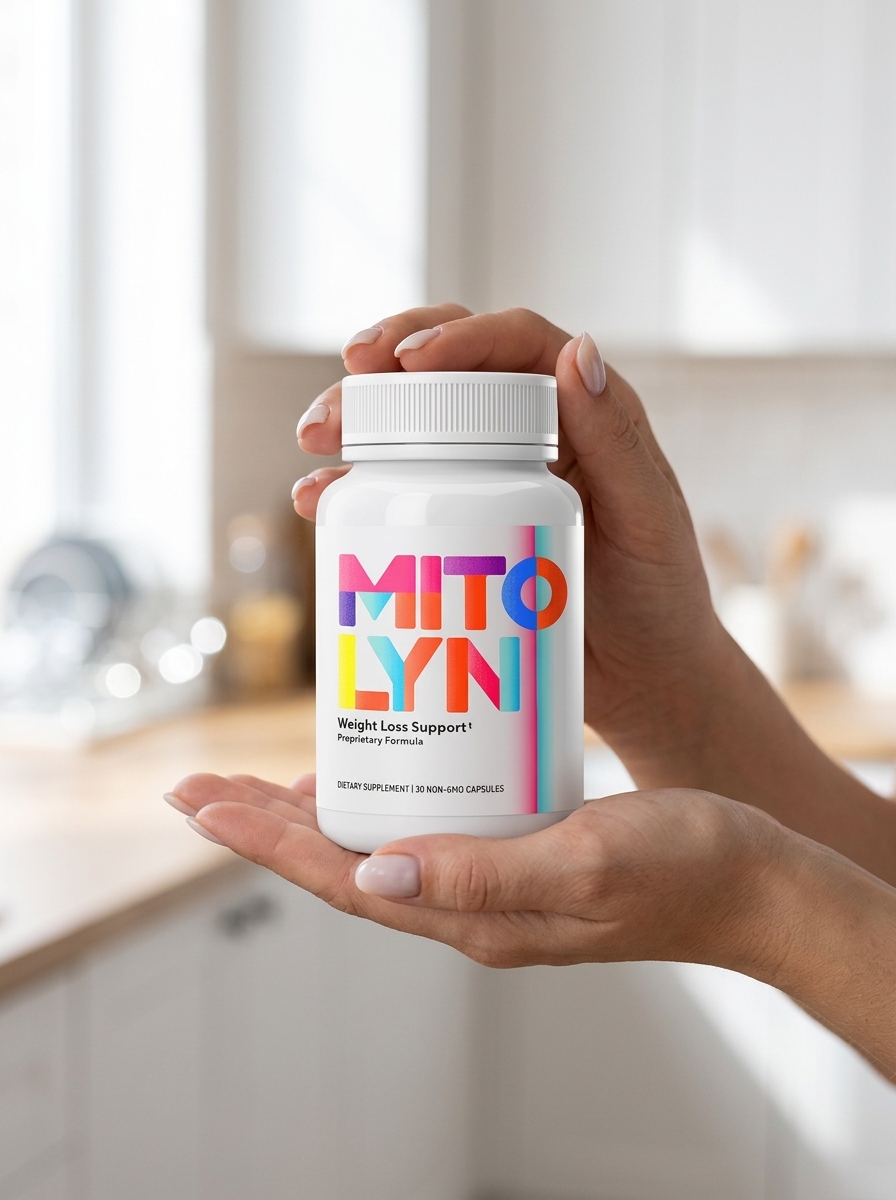
Six months ago, I started taking Mitolyn after reading about its specific approach to mitochondrial support. What caught my attention wasn’t just the ingredient list — maqui berry, rhodiola rosea, astaxanthin — but how these compounds work together to support cellular energy production. It felt like someone had finally created a supplement that understood the difference between general nutrition and cellular optimization. The change wasn’t dramatic or immediate.
This isn’t a caffeine-like jolt or a sugar rush that crashes later. Instead, over the course of three weeks, I noticed that my baseline energy felt different. More stable. Like my cells were finally getting what they needed to do their work efficiently.
The 3 PM crash disappeared first. Then I noticed that my morning workouts felt effortless again, the way they had when I was younger.
My skin started looking brighter — that subtle glow that comes from good circulation and cellular health. But the most profound change was mental: the fog lifted, and my thinking became sharper and more sustained throughout the day.
Optimize Your Cellular Energy
Bridge the gap between plant-based nutrition and mitochondrial vitality.
Mitolyn combines maqui berry, rhodiola rosea, and astaxanthin in precise ratios to support optimal mitochondrial function. When your cells can efficiently convert nutrients to energy, everything changes — sustained vitality, mental clarity, and the effortless energy you remember.
- ✓ Natural cellular energy that sustains all day
- ✓ Mental clarity without afternoon crashes
- ✓ Glowing vitality from optimized mitochondrial function
What Optimal Cellular Energy Actually Feels Like

I’d forgotten what it felt like to have energy that sustains itself. Not the borrowed energy of caffeine or the forced energy of willpower, but the steady, reliable energy that comes from cells that are functioning optimally. It’s the difference between pushing yourself through your day and being carried by your own vitality. My sleep improved because my body wasn’t working overtime to compensate for inefficient energy production.
My mood stabilized because my brain had consistent fuel. Even my digestion seemed better, probably because every system in my body was operating from a place of cellular abundance rather than cellular stress.
The transformation was subtle enough that I might have missed it if I hadn’t been paying attention. But once I felt the difference, there was no going back.
Experience the confidence that comes from optimized cellular function.
Building Your Foundation

Supplementation for cellular health isn’t about megadosing or taking dozens of pills. It’s about finding the specific support your mitochondria need to optimize the good nutrition you’re already providing. When I simplified my supplement routine around Mitolyn and a few other targeted nutrients, everything became more effective.
I still eat my rainbow Buddha bowls and drink my green smoothies. I still track my nutrients and plan my meals thoughtfully. But now that foundation is supported by targeted compounds that help my cells actually use those nutrients for sustained energy production.
The best part is the confidence that comes with knowing you’re supporting your body at the deepest level. Not just surviving on good nutrition, but thriving because every cell in your body has what it needs to function at its best. That’s what real vitality feels like — effortless energy that sustains you rather than energy you have to constantly chase.
Build your foundation for sustained vitality and mental clarity.
Living From Cellular Abundance

These days, I wake up naturally around 6:30, no alarm needed. My body feels like it’s ready for the day instead of needing to be coaxed into it. I move through my morning routine with the kind of ease I remember from childhood — everything flows instead of feeling effortful. This is what I was looking for all those years: not just good health, but the feeling of abundance that comes from optimized cellular function.
My plant-based diet remains the foundation of my health, but now it’s supported by the specific cellular optimization my mitochondria need to convert all that good nutrition into sustained, reliable energy.
The afternoon slumps are gone. The mental fog has cleared. My skin glows in a way that no topical product ever achieved. And perhaps most importantly, I feel like myself again — the energized, clear-thinking, vibrant person I knew I was supposed to be. Sometimes the answer isn’t in changing what you eat, but in optimizing how your cells use what you’re already giving them.
Written by Liora Menden — for those who seek sustained vitality
Step into the abundant energy your cells are designed to create.