The conversation happened over coffee with a friend who’d been struggling. Not the surface-level kind of struggling—the deeper kind where your body stops responding the way it used to. Where energy becomes something you remember rather than something you feel. Where the mirror reflects someone who looks tired in ways that sleep can’t fix.
“I’ve tried everything,” he said, stirring his drink absently. “More protein, zinc supplements, compound lifts three times a week. My numbers are still sliding.” He paused, looking genuinely confused. “What am I missing?”
I understood that confusion. For years, I’d followed the standard testosterone-through-diet playbook: beef, eggs, healthy fats, avoid soy. The advice that shows up in every men’s health article, repeated like gospel. Some of it works. Most of it misses the bigger picture entirely.
The Metabolic Foundation Most Men Ignore

Testosterone production isn’t just about eating the right foods. It’s about creating the metabolic environment where those foods can actually do their job.
Your endocrine system doesn’t operate in isolation—it’s connected to your metabolic health, your stress response, your sleep quality, your gut function. Think of testosterone as the end result of a complex orchestra, not a solo instrument. You can consume all the cholesterol and zinc in the world, but if your cortisol is chronically elevated, if your insulin sensitivity is compromised, if your body is stuck in a chronic stress state, those nutrients won’t translate into the hormonal balance you’re seeking.
This is why the “eat more red meat” approach works for some men and fails completely for others. It’s not about the individual foods—it’s about the internal terrain those foods encounter. When I started thinking about testosterone support this way, everything changed. The question shifted from “what should I eat?” to “how do I create the conditions where good nutrition can actually work?”
Ready to address the metabolic foundation most men overlook completely?
Foods That Actually Move the Needle

Once you understand the metabolic foundation, certain foods become more obviously supportive. Not because they contain magical testosterone-boosting compounds, but because they support the systems that regulate hormone production.
Cruciferous vegetables deserve more attention than they get in testosterone conversations. Broccoli, cauliflower, Brussels sprouts—they’re not just “healthy vegetables.” They contain compounds that help your liver process estrogen more efficiently, which indirectly supports better testosterone ratios.
Pomegranates and tart cherries work differently. They’re loaded with antioxidants that specifically target the oxidative stress that interferes with testosterone production. Not the generic “antioxidants are good” advice—specific compounds that research shows help maintain healthy hormone levels as men age. Wild-caught fish provides omega-3s in the right ratios, but more importantly, it gives you high-quality protein without the inflammatory load that some men experience with conventional meat. The difference isn’t always obvious immediately, but over months, the reduced inflammation creates space for better hormonal function.
Discover how strategic nutrition works when your systems are properly supported.
The Hidden Destroyers in Plain Sight
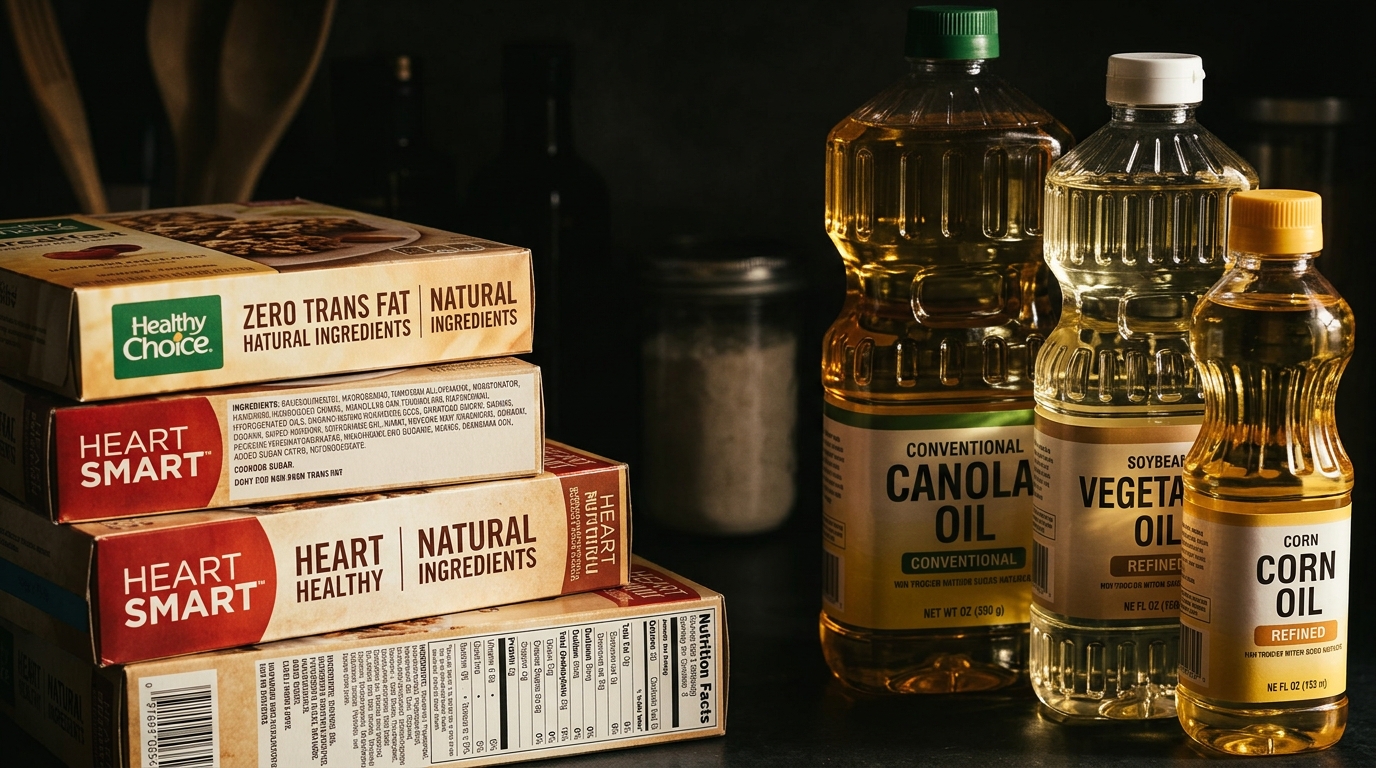
The foods that undermine testosterone often hide behind health halos. Soy gets all the attention as a testosterone disruptor, but honestly, soy is the least of most men’s problems. The real culprits are more subtle and more pervasive.
Processed vegetable oils show up everywhere—restaurant cooking, packaged foods, even “healthy” products. These oils create chronic low-grade inflammation that disrupts hormone production at the cellular level. When I eliminated these systematically, replacing them with olive oil, avocado oil, and coconut oil for cooking, I noticed improvements in energy and mood within weeks.
Sugar isn’t just about weight gain. Chronic blood sugar spikes trigger cortisol release, and elevated cortisol directly suppresses testosterone production. It’s not that you can never have sugar—it’s that the constant blood sugar rollercoaster many men ride keeps their hormonal systems in chaos. Alcohol deserves honest conversation. A drink occasionally isn’t the problem. The pattern of using alcohol to unwind several nights a week disrupts sleep architecture and taxes the liver—both of which interfere with testosterone production more than most men realize.
Stop letting hidden destroyers undermine your hormonal optimization efforts.
When Food Alone Isn’t Enough

Most testosterone-through-diet advice falls short: it assumes that dietary changes happen in a vacuum.
In reality, most men dealing with declining testosterone are also dealing with elevated stress, disrupted sleep, metabolic dysfunction, and years of accumulated lifestyle factors that can’t be solved by food alone. This realization led me to Nagano Tonic. Not as a replacement for good nutrition, but as support for the metabolic and cortisol systems that dietary changes can’t fully address.
The formula works on the foundational level—helping regulate cortisol, supporting metabolic function, optimizing the internal environment where hormones are produced. What I noticed was that when I paired strategic nutrition with metabolic support, the changes were more pronounced and more sustainable. The food choices I was making seemed to work better. Energy levels stabilized. The afternoon crashes became less frequent.
It’s not that the tonic replaces good food choices—it’s that it creates the conditions where those choices can be maximally effective. Like tuning an instrument before you play it.
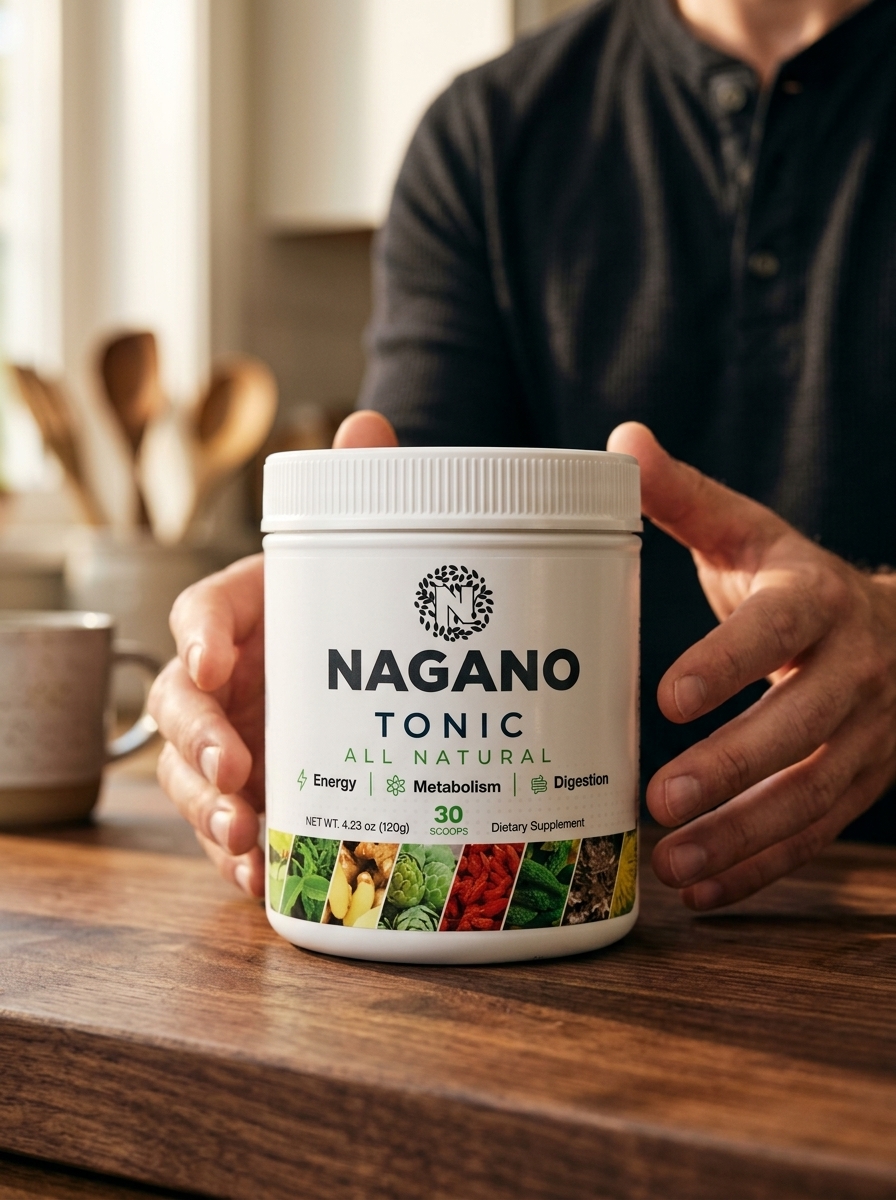
Metabolic Foundation Optimized
When diet alone isn’t enough to move the needle on energy and vitality.
Nagano Tonic addresses what most testosterone strategies miss—the metabolic and cortisol systems that determine whether good nutrition can actually work. Supports the internal environment where hormonal balance thrives, not just individual nutrients. Creates the foundation where your food choices become maximally effective.
- ✓ Sustained energy without afternoon crashes
- ✓ Better sleep architecture and morning vitality
- ✓ Enhanced response to nutrition choices
The Timing and Rhythm That Matters

When you eat can be as important as what you eat for hormonal balance. Testosterone production follows circadian rhythms—it’s highest in the morning and declines throughout the day. Eating in ways that support these natural rhythms can amplify the benefits of good food choices.
I started eating my largest, most nutrient-dense meal earlier in the day, when my body is naturally primed for testosterone production. Protein and healthy fats in the morning, lighter meals as the day progresses. Not because of weight loss—because of hormone optimization.
Late-night eating disrupts more than just sleep. It interferes with the growth hormone release that happens during deep sleep, which works synergistically with testosterone. When I moved my last meal earlier, keeping at least three hours between dinner and bedtime, I noticed improvements in morning energy and overall vitality. Intermittent fasting gets complicated quickly, but a simple approach—eating within a 10-12 hour window rather than grazing all day—can support better insulin sensitivity and hormone production without the stress of extreme restriction.
When food alone isn’t enough, targeted metabolic support makes the difference.
The Stress-Food-Hormone Connection

Chronic stress doesn’t just feel bad—it actively undermines every nutritional strategy you implement for testosterone support. Cortisol and testosterone exist in a seesaw relationship. When one is chronically elevated, the other suffers. This is why some men can eat perfectly and still struggle with hormone balance. Their bodies are stuck in chronic stress mode, whether from work pressure, relationship stress, financial worry, or just the accumulated tension of modern life.
No amount of grass-fed beef will overcome chronically elevated cortisol.
The foods that support healthy stress response become crucial: magnesium-rich leafy greens, adaptogenic herbs, foods that support GABA production like fermented vegetables. But more importantly, addressing the root causes of chronic stress—sleep quality, work-life balance, emotional health—becomes as important as any dietary strategy. When I integrated stress management with nutrition and metabolic support, the results compounded. It wasn’t just about adding good foods or removing bad ones—it was about creating an integrated approach that addressed the whole system.
Align your eating patterns with natural testosterone production rhythms.
The Long Game of Hormonal Health

Real testosterone support through diet isn’t about quick fixes or dramatic interventions. It’s about creating sustainable patterns that support your body’s natural hormone production over time.
The changes are often subtle at first—better sleep, more stable energy, improved mood—before they become more obvious. I think of it as compound interest for your endocrine system. Small, consistent choices that support metabolic health, reduce inflammation, and optimize nutrient absorption create results that build over months and years.
A diet rich in cruciferous vegetables, high-quality proteins, healthy fats, and minimal processed foods, combined with metabolic support like Nagano Tonic, creates the foundation where hormonal balance can flourish. The men I know who’ve successfully supported their testosterone through lifestyle changes share one thing: they think in terms of systems rather than individual foods. They understand that hormonal health is connected to metabolic health, which is connected to stress management, which is connected to sleep quality.
Most importantly, they’re patient with the process. Hormonal changes happen on a different timeline than weight loss or muscle gain. But when they do happen, they tend to be sustainable and comprehensive—affecting energy, mood, body composition, and overall vitality in ways that quick fixes never achieve.
Written by Elias Menden — for those who seek sustainable strength
Break the stress-hormone cycle that keeps you stuck despite perfect nutrition.