The blood work came back on a Tuesday morning. Total testosterone: 387 ng/dL. Not clinically low, but hovering in that gray zone where doctors shrug and suggest “lifestyle changes.” I was 34, lifting consistently, eating well, sleeping seven hours a night. Yet I felt like I was operating at 70% capacity — workouts that used to energize me left me depleted, my recovery stretched longer, and that sharp mental edge I’d relied on felt dulled.
I’d tried the standard protocols. More zinc, vitamin D optimization, cutting alcohol, adding compound lifts. Small improvements, nothing transformative.
The missing piece, I learned, wasn’t about boosting testosterone directly. It was about removing what was actively suppressing it.
That’s when I discovered Nagano Tonic and began to understand how cortisol patterns were quietly undermining everything I was trying to build. This is what happened over three months of daily use, and why I haven’t looked back.
The Real Problem Isn’t Low Testosterone — It’s High Cortisol

Most men approach testosterone like a math problem. Add more of this, subtract that, multiply by workout intensity. But testosterone doesn’t exist in isolation. It’s part of a delicate hormonal conversation, and when cortisol is chronically elevated, that conversation becomes a shouting match. Cortisol and testosterone share the same raw material — cholesterol. When your body perceives constant stress, it prioritizes cortisol production over testosterone synthesis.
This isn’t a design flaw; it’s survival programming. Your body would rather keep you alive and stressed than relaxed and fertile.
The problem is that modern life keeps us in a state of low-grade but persistent stress. Work deadlines, traffic, blue light exposure, irregular eating patterns, intense training without adequate recovery — it all registers as threat signals. Your adrenals respond accordingly, pumping out cortisol and stealing resources from testosterone production.
I realized I wasn’t dealing with a testosterone deficiency. I was dealing with cortisol excess masquerading as hormonal decline.
Ready to address the real cause of declining energy and focus?
Why Ashwagandha Changed Everything (And Why Delivery Matters)

Ashwagandha has been studied extensively for its ability to modulate cortisol response. The research is solid — it can reduce morning cortisol levels by up to 30% while supporting healthy testosterone production. But like many adaptogenic herbs, bioavailability and consistency matter enormously. I’d tried ashwagandha supplements before with minimal results.
The difference with Nagano Tonic wasn’t just the ashwagandha content — it was how it was delivered. The tonic format allows for better absorption, and the supporting botanical blend creates a synergistic effect that isolated ashwagandha capsules can’t match.
Within two weeks of daily use, I noticed my morning energy felt different. Not artificially stimulated, but more stable and sustained. My workout recovery improved noticeably. Sleep became deeper, more restorative. These weren’t dramatic overnight changes, but subtle shifts that compounded over time.
The key was consistency. Nagano Tonic became part of my morning routine, mixed into water about twenty minutes before breakfast. The liquid format meant faster absorption, and taking it on an empty stomach maximized bioavailability. No cycling on and off, no complex timing protocols — just daily use that allowed my cortisol patterns to gradually recalibrate.
Experience the difference when cortisol finally stops blocking your progress.
The Metabolism Connection Nobody Talks About

Here’s something most testosterone articles miss: metabolic health and hormonal health are inseparably linked. When your metabolism is sluggish, your body struggles to produce and utilize hormones efficiently. When hormones are out of balance, metabolic function suffers. It’s a bidirectional relationship that creates either positive or negative feedback loops.
Nagano Tonic addresses both sides of this equation. The metabolism-boosting compounds — including green tea extract, chromium, and bitter melon — help optimize insulin sensitivity and glucose utilization.
I started tracking my fasting glucose and noticed it stabilized in the low 80s, down from the mid-90s where it had been hovering. My energy throughout the day became more consistent, without the afternoon crashes that used to require coffee or willpower to push through. This metabolic stability created a foundation for improved hormonal function.
The beauty of this approach is that it addresses multiple systems simultaneously rather than trying to force one marker higher while ignoring the rest of your physiology.
Support your metabolism and hormones with one simple morning practice.
What Week 4 Through Week 8 Actually Looked Like

The changes weren’t linear or dramatic. Around week 4, I noticed my workouts felt more purposeful. The weights didn’t feel heavier, but my focus during training sessions sharpened. Recovery between sets shortened slightly. Post-workout fatigue decreased while muscle soreness became more manageable.
By week 6, my sleep quality had improved measurably. I was falling asleep faster and staying asleep through the night more consistently.
Week 8 brought noticeable changes in body composition. Not dramatic weight loss, but a subtle shift toward leaner mass. My face looked less puffy in the mornings. Muscle definition became more apparent, especially in my shoulders and arms. These weren’t changes you’d notice day-to-day, but comparing photos from month one to month two, the difference was clear.
Most importantly, my baseline energy and motivation improved. Tasks that had felt overwhelming or draining became manageable again.
Stop forcing results and start removing what’s blocking them.
The Follow-Up Blood Work Results
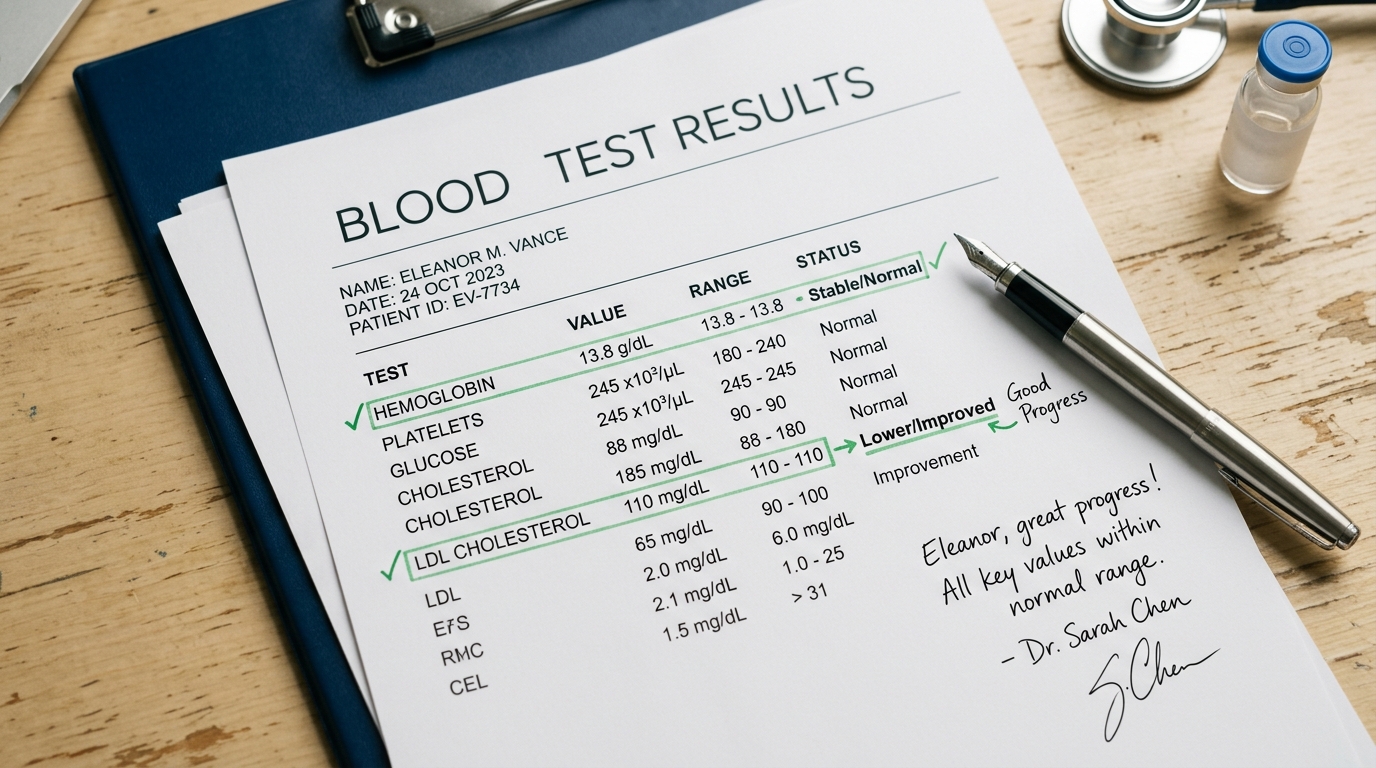
Three months in, I repeated the hormone panel. Total testosterone had increased to 542 ng/dL — a 40% improvement from baseline. Free testosterone showed similar gains. But the most telling marker was cortisol, which had dropped from elevated morning levels to the optimal range. My doctor was surprised by the improvements, especially since I hadn’t made any major lifestyle changes beyond adding Nagano Tonic to my routine.
What impressed me most was that these weren’t forced or artificial-feeling changes. I didn’t experience mood swings, energy crashes, or the side effects often associated with more aggressive hormonal interventions.
The improvements felt natural and sustainable, like my body was simply functioning closer to its potential.
The other markers painted a picture of overall improved health rather than isolated hormonal optimization. HDL cholesterol improved, inflammatory markers decreased, and my hemoglobin A1C dropped into the optimal range. This systemic improvement confirmed that addressing cortisol and metabolism had created positive changes throughout my physiology.
Release What’s Blocking You
Remove cortisol’s grip on your testosterone naturally.
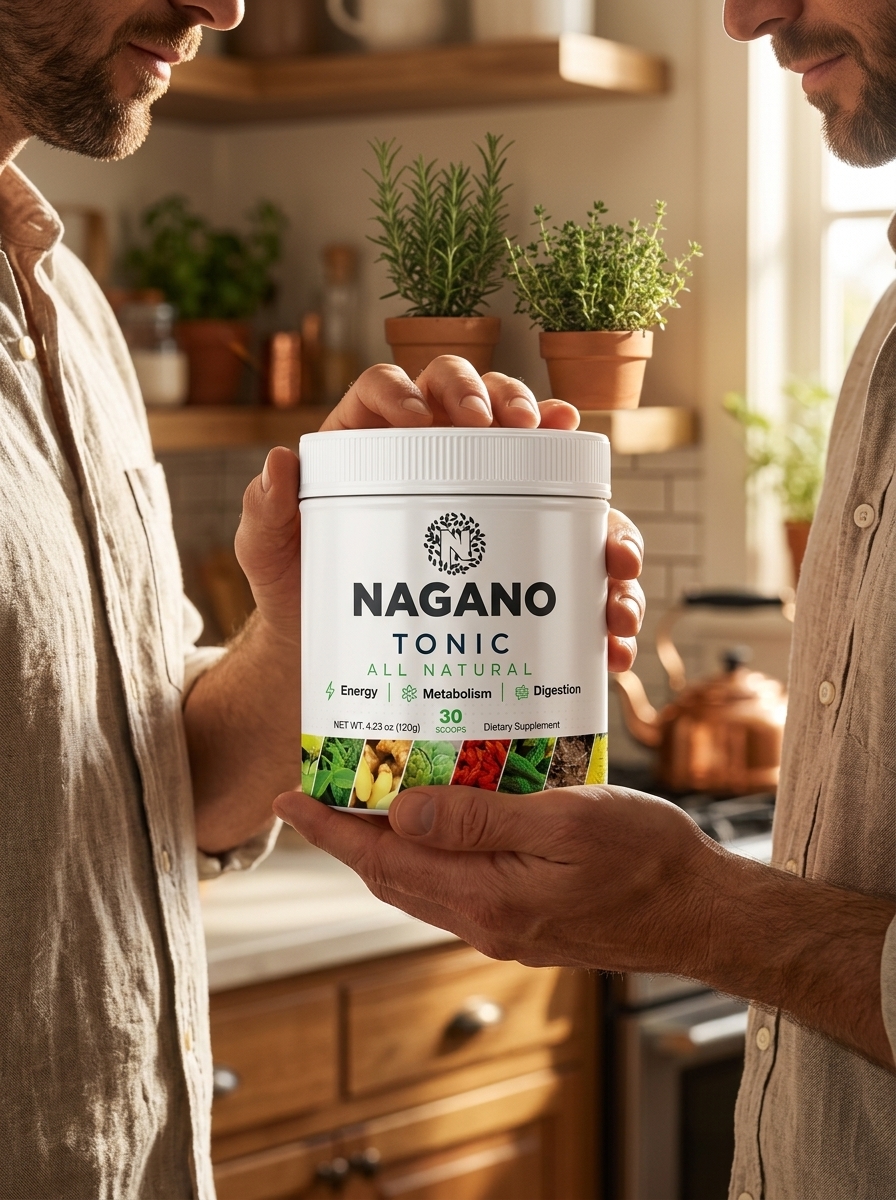
While others try forcing testosterone higher, Nagano Tonic works by removing what actively suppresses it. Ashwagandha-driven cortisol reduction creates space for natural hormone optimization. One morning serving supports the metabolic foundation your body needs to function at its potential. No cycling, no complex protocols — just consistent support for lasting results.
- ✓ Cortisol patterns normalize within weeks
- ✓ Energy stabilizes without artificial stimulation
- ✓ Recovery and focus improve naturally
Why This Approach Works When Others Don’t

Most testosterone support strategies try to force production higher without addressing why production decreased in the first place. It’s like pressing harder on the gas pedal while the parking brake is engaged. You might see some improvement, but you’re fighting against active resistance.
Nagano Tonic works by releasing that parking brake. By modulating cortisol response and optimizing metabolic function, it removes the barriers to natural testosterone production.
The adaptogenic approach also means your body can self-regulate rather than being forced into artificial patterns. When stress levels increase temporarily, the ashwagandha helps buffer the cortisol response. When metabolic demands change, the metabolism-supporting compounds help maintain efficiency. This flexibility prevents the boom-and-bust cycles common with more aggressive approaches.
After six months of consistent use, I’ve maintained the improvements without needing to increase dosage or add additional supplements. My energy, recovery, body composition, and blood markers have remained stable in the improved range.
Join the men who chose the natural path to lasting vitality.
The Daily Practice That Changed Everything

Looking back, the simplicity of the routine was crucial to its success. One serving of Nagano Tonic mixed in water each morning, twenty minutes before breakfast. No complex timing, no cycling on and off, no elaborate stacking with other supplements. The taste was pleasant enough that it never felt like a chore.
I started looking forward to that morning ritual — a few minutes of quiet preparation before the day began.
This consistency allowed the adaptogenic compounds to build up in my system and create lasting changes to my stress response patterns. Unlike stimulants that provide immediate but temporary effects, the improvements developed gradually and became my new baseline rather than temporary peaks. Six months later, missing a day feels noticeable.
Your body knows how to optimize hormones when given proper support.
What I Wish I’d Known Before Starting

The most important thing to understand is that this isn’t a quick fix or dramatic transformation. The changes unfold gradually over weeks and months as your hormonal patterns recalibrate. Patience and consistency are more important than perfect optimization or complex protocols. I also wish I’d started tracking a few key markers earlier — morning energy levels, workout recovery time, sleep quality, and general mood.
The blood work confirmation at three months was valuable but not necessary to know the approach was working.
Most importantly, I learned that supporting testosterone naturally isn’t about forcing production higher through willpower or aggressive supplementation. It’s about creating the internal conditions where optimal hormone production can happen naturally. Nagano Tonic helped me remove the barriers that had been preventing my body from functioning at its potential, and the results have been both noticeable and sustainable.
Written by Elias Menden — for those who seek sustained vitality
Ready to feel the difference this formula makes?