It happened somewhere between Tuesday and Thursday of an unremarkable week in March. I woke up and the fire wasn’t there. Not the dramatic kind of burnout you read about — no crash, no breakdown. Just the quiet absence of the thing that used to pull me out of bed with purpose.
I’d been explaining it away for months. Work stress. Poor sleep. The natural slowdown that comes with getting older. Everyone around me seemed to accept these explanations, nodding knowingly when I mentioned feeling “off” lately. But sitting there with my coffee, staring at a to-do list that felt insurmountable, I knew something deeper was shifting.
The gym sessions that used to energize me now left me drained for days. Recovery stretched longer. Motivation felt like something I had to manufacture rather than something that naturally arose. My body was changing in ways that didn’t respond to the usual fixes — more sleep, better nutrition, different workout routines. Nothing stuck.
The Quiet Decline Nobody Mentions

Men don’t talk about this part. The way vitality can slip away so gradually that you don’t notice until you’re looking back at who you used to be.
There’s no dramatic moment, no clear before and after. Just the slow realization that the engine that used to drive everything — ambition, physical strength, mental clarity — is running on fumes.
I started paying attention to the details. How I felt at 3 PM every day. How my body responded to exercise. How long it took to feel motivated about anything. The patterns were unmistakable once I stopped dismissing them as temporary setbacks.
My metabolism had downshifted into some kind of conservation mode, and everything else was following. The research I found painted a clear picture: declining testosterone isn’t just about hormone levels. It’s about the entire metabolic ecosystem that produces and regulates those hormones. When your cellular energy production slows, when your body can’t efficiently convert nutrients into usable fuel, when stress hormones stay chronically elevated — testosterone production becomes a casualty.
Ready to address the metabolic foundation rather than manage symptoms?
What Actually Drives the Decline

The conventional story focuses on age, as if declining hormone levels are inevitable and irreversible. But the deeper truth is more complex and, thankfully, more addressable. Testosterone production depends on robust cellular metabolism. When mitochondria — the energy factories in every cell — start functioning inefficiently, everything downstream suffers.
Chronic inflammation plays a huge role. When your body is constantly managing low-grade inflammatory responses from poor diet, stress, or environmental toxins, it diverts resources away from hormone production. Cortisol, the stress hormone, directly suppresses testosterone synthesis. Poor sleep quality compounds everything, disrupting the delicate hormonal rhythm that repairs and regenerates during rest.
But here’s what surprised me most: insulin resistance and metabolic dysfunction create a cascade that directly impacts hormone balance. When your cells can’t efficiently process glucose and other nutrients, when your metabolism becomes sluggish and inefficient, your body simply can’t maintain the energy-intensive process of optimal hormone production.
Discover how cellular optimization can restore natural hormone balance.
The Metabolic Connection I Missed

For months, I approached this like most men do — looking for quick fixes and targeted solutions. More protein. Different supplements. Adjusting workout intensity. But I was treating symptoms while ignoring the foundation. The breakthrough came when I started understanding testosterone decline as a metabolic issue first, a hormone issue second.
Your endocrine system is essentially an extension of your metabolism. When cellular energy production is optimized, when nutrients are efficiently converted to usable fuel, when inflammation is managed and stress hormones are balanced — testosterone production naturally improves. It’s not about forcing hormone levels higher; it’s about creating the metabolic environment where healthy hormone production can thrive.
This shift in perspective changed everything. Instead of targeting testosterone directly, I focused on metabolic restoration. Supporting mitochondrial function. Reducing systemic inflammation. Optimizing nutrient absorption and cellular energy production. The results were broader and more sustainable than anything I’d tried before.
Experience the sustainable energy that comes from metabolic restoration.
The Morning Everything Changed

I’ll remember that first morning for a long time. Three weeks after I started taking Nagano Tonic, I woke up before my alarm with a clarity I hadn’t felt in months. Not jittery alertness or caffeine-driven energy, but the deep, sustained vitality that comes from cells that are functioning optimally.
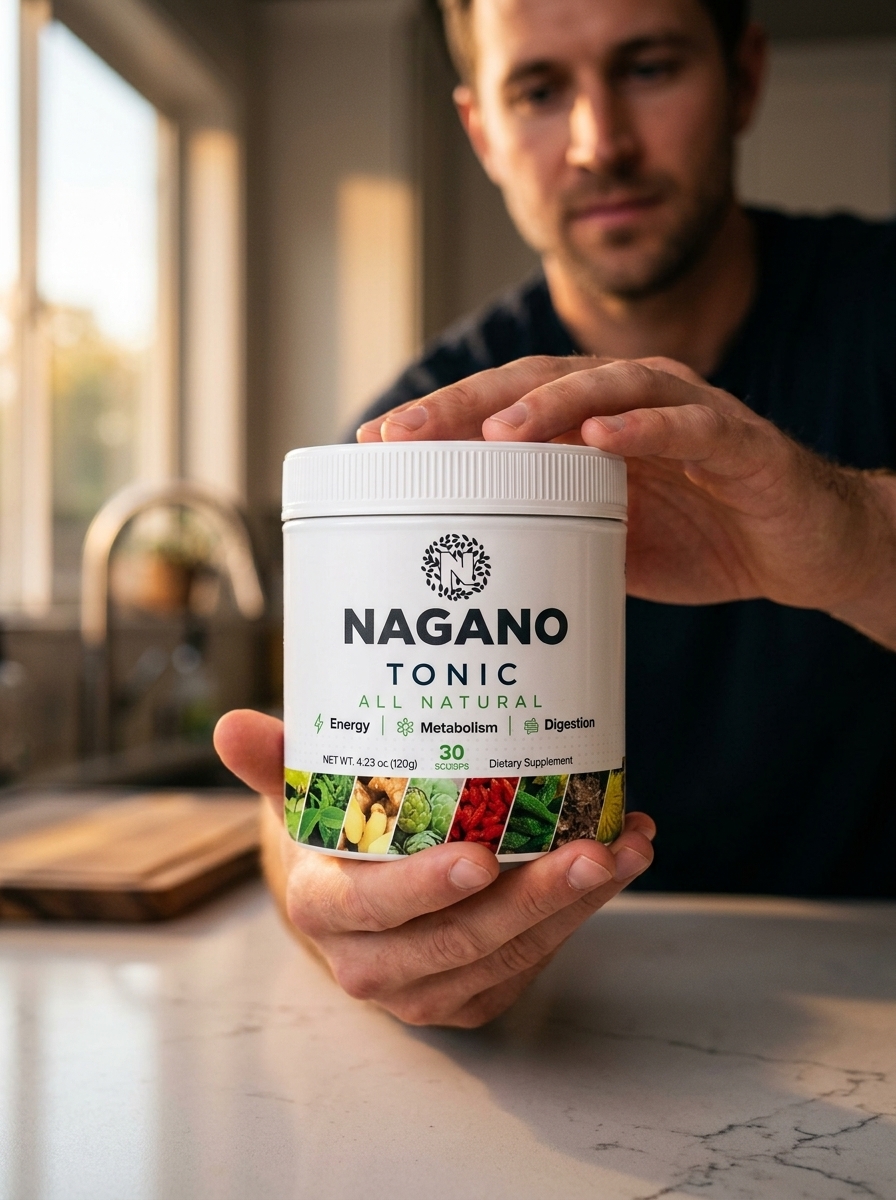
Nagano Tonic works by addressing the metabolic foundation that supports healthy hormone production.
Its blend of metabolism-boosting compounds helps optimize cellular energy production, supports efficient nutrient utilization, and promotes the kind of metabolic balance that allows testosterone and other hormones to function properly. Instead of trying to artificially boost hormone levels, it creates the internal environment where healthy hormonal balance can naturally occur.
The changes were subtle at first, then unmistakable. Recovery after workouts improved dramatically. Mental clarity sharpened. The afternoon energy crashes that had become routine simply disappeared. But most importantly, that sense of drive and motivation — the thing I thought I’d lost for good — began returning naturally.
Transform fatigue into vitality with science-backed metabolic support.
What Recovery Actually Feels Like

People expect dramatic transformation stories, but real metabolic recovery is more like watching a garden slowly come back to life after drought. The changes happen gradually, building on each other in ways that feel sustainable and natural rather than forced or artificial.
My workouts became something I looked forward to again rather than endured. Sleep quality improved dramatically — not just falling asleep, but staying asleep and waking up refreshed. Mental fog lifted, replaced by the kind of sharp focus I remembered from years earlier. Physical changes followed: better muscle tone, improved strength, more efficient fat burning.
The most significant shift was psychological. That underlying sense of vitality and capability returned.
The confidence that comes from a body that’s working efficiently, from energy that sustains throughout the day, from knowing you can meet physical and mental challenges without depleting yourself.
Restore Your Metabolic Fire
When cells function optimally, vitality returns naturally without forcing artificial changes.
Nagano Tonic addresses the metabolic foundation that supports healthy hormone production. Its scientifically-formulated blend optimizes cellular energy, reduces inflammation, and creates the internal environment where testosterone and vitality can thrive naturally. Experience sustainable energy, improved recovery, and renewed drive.
- ✓ Deep, sustained energy without crashes
- ✓ Faster recovery and better sleep quality
- ✓ Natural motivation and mental clarity return
The Ripple Effects Nobody Prepared Me For

When your metabolism is functioning optimally, everything else improves. Sleep becomes deeper and more restorative. Stress management becomes easier because your body has the resources to handle challenges without going into survival mode. Even mood and cognitive function improve because your brain is getting the steady supply of clean energy it needs.
Relationships improved too. When you’re not constantly managing fatigue and low motivation, you show up differently. More present, more engaged, more capable of handling the daily demands that used to feel overwhelming. The ripple effects of metabolic health extend far beyond physical symptoms.
I started understanding why so many men struggle with these issues in isolation. We’re taught to push through, to accept decline as inevitable, to treat symptoms without addressing root causes. But when you restore the metabolic foundation, when you give your body the support it needs to function optimally, the improvements cascade through every aspect of health and performance.
Stop accepting decline and start supporting your body’s natural potential.
Why This Approach Actually Works

The difference between this approach and everything else I tried comes down to addressing root causes rather than managing symptoms. Most solutions target testosterone directly — supplements, lifestyle changes, medical interventions. But if the underlying metabolic dysfunction remains unaddressed, any improvements are temporary and require constant intervention.
Nagano Tonic works differently because it supports the cellular processes that naturally maintain hormonal balance. By optimizing metabolism, reducing inflammation, and supporting efficient energy production, it creates the internal environment where healthy testosterone levels can be maintained naturally and sustainably.
The transformation isn’t just about feeling better temporarily. It’s about restoring the physiological foundation that supports long-term vitality, energy, and performance. When your metabolism is functioning efficiently, when your cells are producing energy optimally, when systemic inflammation is managed — everything else follows naturally.
Join those who’ve rediscovered their natural drive and energy.
The Clarity That Changes Everything

Six months later, I barely recognize the person who sat staring at that impossible to-do list. Not because everything is perfect, but because I have the metabolic resources to meet challenges without depleting myself. The energy is steady and sustainable. Recovery is efficient. Motivation arises naturally rather than something I have to manufacture.
The most profound shift has been understanding that declining vitality isn’t inevitable. When you address the metabolic foundation — when you support cellular energy production, optimize nutrient utilization, and manage systemic inflammation — the body’s natural capacity for health and vitality can be restored at any age.
That quiet absence of fire I woke up with in March? It wasn’t permanent. It was information. My body telling me something fundamental needed attention. The solution wasn’t pushing harder or accepting less. It was creating the internal conditions where vitality could thrive again naturally.
Written by Elias Menden — for those who seek renewed vitality
Ready to feel the difference this formula makes?