The alarm clock’s red digits glowed 3:47 AM, but I was already wide awake, sheets damp with perspiration that had nothing to do with the room temperature. This had become my new normal—nights fractured by heat waves that arrived without warning, days clouded by a fog I couldn’t name. My body felt like a radio stuck between stations, catching fragments of who I used to be but never quite tuning in clearly.
I’d always prided myself on understanding my rhythms. For decades, I could predict my moods, my energy, even my cravings with the precision of a meteorologist. But somewhere in my late forties, that internal compass had begun spinning wildly. One moment I felt invincible, the next I was crying over a commercial about puppies. My skin, once predictable, now surprised me daily with new textures and sensitivities. Even my hair seemed to have its own agenda, growing where it shouldn’t and thinning where it always had been thick.
It wasn’t until I stumbled upon research about cellular health and hormone production that everything began to make sense.
The answer wasn’t just about replacing what was missing—it was about giving my cells the tools they needed to function properly again.
When Your Body Speaks a Different Language

The first sign wasn’t the hot flashes everyone warns you about. It was the way my favorite jeans felt different on a Tuesday morning, like my body had shifted overnight into unfamiliar territory. I’d stand in my closet, holding clothes that used to fit perfectly, wondering if the fabric had somehow changed or if I was losing my mind.
Sleep became a negotiation rather than a natural rhythm. I’d drift off easily enough, but by 2 AM I was staring at the ceiling, my mind churning through conversations from three years ago or grocery lists that didn’t need to exist until Thursday. The exhaustion was unlike anything I’d experienced—not the clean tiredness after a good workout, but a bone-deep heaviness that coffee couldn’t touch. My emotions felt amplified, like someone had adjusted the volume on my nervous system without asking permission.
A gentle correction from my daughter could send me spiraling into guilt. A delayed email response from a friend became evidence that I was fundamentally unlikable.
What I didn’t understand then was that these weren’t separate problems requiring separate solutions. They were all symptoms of the same fundamental issue—my cells weren’t receiving the support they needed to maintain hormonal balance.
Your cells remember how to create balance when given proper support.
The Science My Doctor Never Mentioned
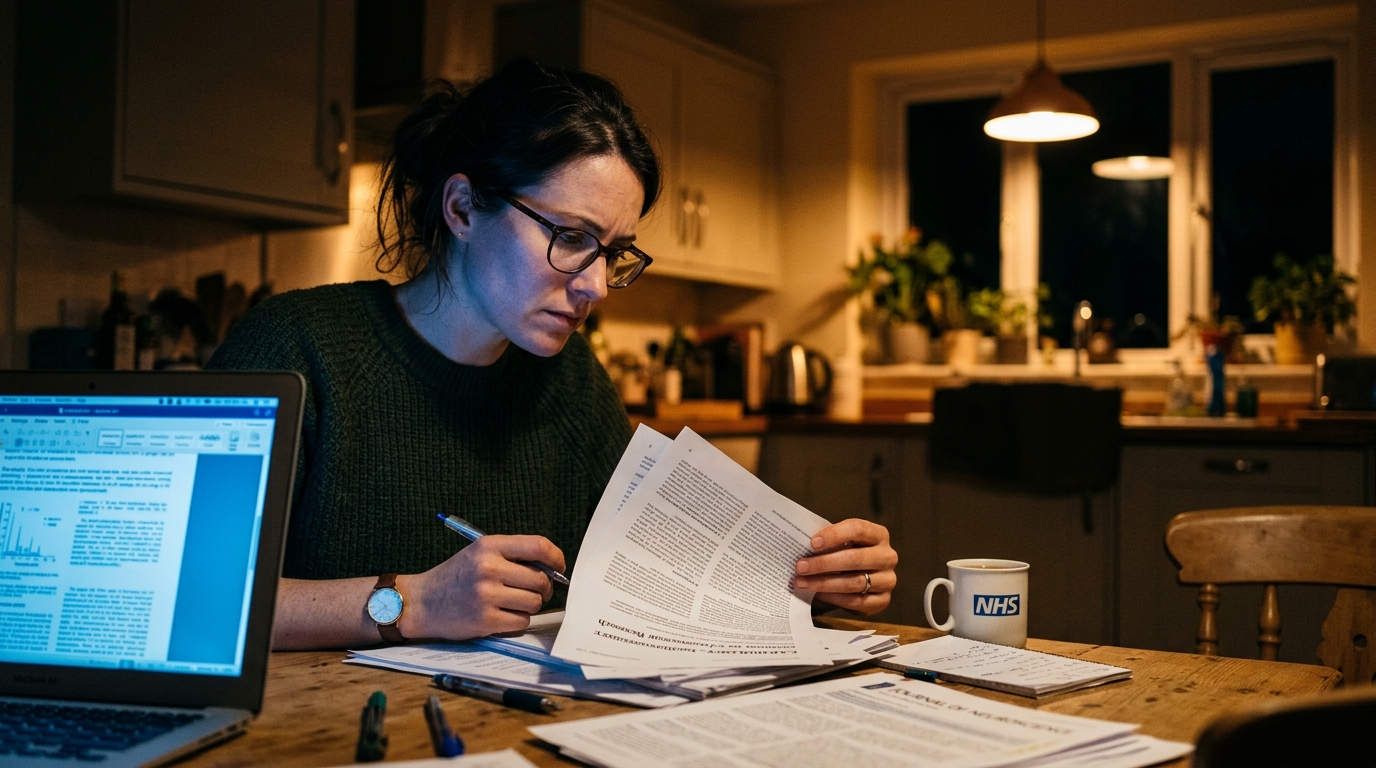
During one of those sleepless nights, I found myself deep in research papers about cellular function and hormone production. What I discovered changed everything I thought I knew about menopause. It wasn’t just about estrogen and progesterone declining—it was about the intricate dance of cellular communication that regulates these hormones in the first place. Our cells are like tiny factories, constantly producing the building blocks our bodies need to function. When those factories start running inefficiently, everything downstream suffers.
The hot flashes, the mood swings, the weight gain around my middle that seemed to appear overnight—they were all signals that my cellular machinery needed support.
I learned that certain nutrients can act like supervisors in these cellular factories, helping optimize the production and regulation of hormones. But not just any nutrients—specific compounds that work synergistically to support the complex processes happening at the cellular level. It was like discovering that my body had been trying to run a sophisticated operation with half the management team missing.
This wasn’t about accepting decline as inevitable. It was about understanding what my cells needed to thrive during this transition.
Transform sleepless nights into restorative rest with targeted cellular nutrition.
The Moment Everything Shifted

I remember the exact moment I decided to take action. I was standing in my bathroom, looking at myself in the mirror after another disrupted night. My skin looked dull, my eyes tired, and I felt disconnected from the woman staring back at me. But instead of the usual resignation, I felt something different—determination.
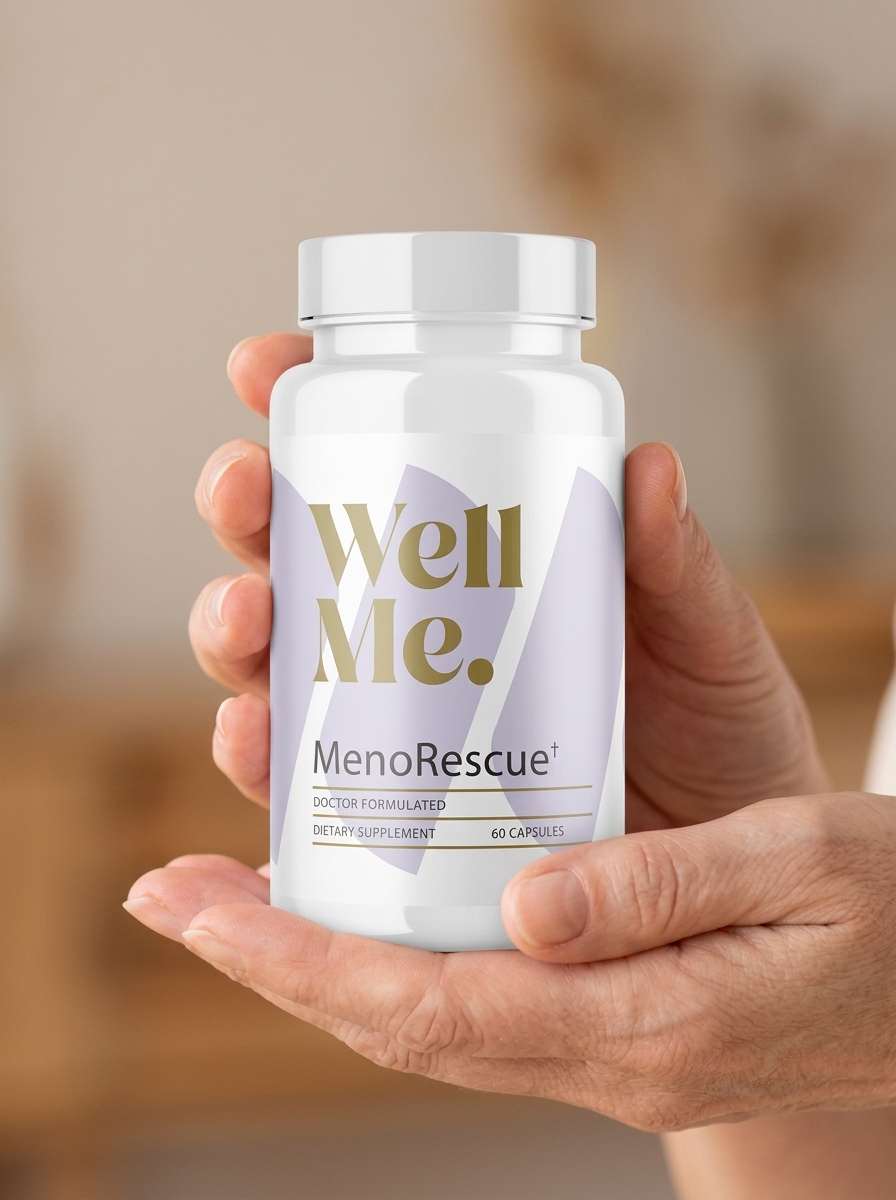
I’d spent months researching, but research without action was just intellectual entertainment. I needed to find a solution that addressed the root cause, not just masked the symptoms. After weeks of investigating different approaches, I discovered MenoRescue—a supplement specifically designed to support cellular function during hormonal transitions.
What drew me to it wasn’t flashy marketing promises, but the thoughtful combination of ingredients that worked together to support the cellular processes I’d been reading about. Sage leaf extract for temperature regulation, chasteberry for hormone balance, and a blend of adaptogens that helped cells respond more effectively to stress. The first few weeks were subtle.
I noticed I was sleeping through the night more often, waking up feeling like I’d actually rested rather than just passed time horizontally.
Cellular Balance Restored
Support your body’s natural hormone intelligence with targeted cellular nutrition.
MenoRescue combines sage leaf extract, chasteberry, and powerful adaptogens to support optimal cellular function during hormonal transitions. Work with your body’s wisdom, not against it, for lasting balance and vitality.
- ✓ Sleep through the night naturally
- ✓ Feel grounded in your own body
- ✓ Experience steady, sustainable energy
Small Changes, Big Transformations

Six weeks in, my husband noticed before I did. “You seem more like yourself lately,” he said over breakfast one morning. He was right, though I hadn’t been able to articulate what was different. The fog that had settled over my thoughts was lifting. Conversations felt easier, decisions came more naturally, and I wasn’t constantly second-guessing my emotional responses.
My skin began to change too. The dry patches that had appeared around my eyes softened, and the overall texture became more supple.
But the most significant change was how I felt in my own body. That sense of disconnection, of being a stranger to myself, began to fade. I felt grounded again, present in my own life rather than watching it from a distance. The temperature regulation was perhaps the most noticeable improvement. Those 3 AM wake-ups became less frequent, and when they did happen, I could usually fall back asleep rather than lying awake for hours.
Feel grounded in your body again with science-backed hormonal support.
Understanding the Deeper Connection
As the months passed, I began to understand that cellular health wasn’t just about addressing menopause symptoms—it was about supporting my body’s natural intelligence. Every cell in my body had the blueprint for optimal function; it just needed the right resources to execute that blueprint effectively. I started paying attention to other aspects of cellular support. Getting morning sunlight to regulate my circadian rhythms. Eating more foods rich in antioxidants to protect my cells from oxidative stress.
The beauty of this approach was its sustainability. I wasn’t fighting against my body’s natural processes; I was supporting them.
My relationship with my body transformed from adversarial to collaborative. We were working together again, rather than me feeling betrayed by changes I couldn’t control.
Reclaim your natural energy and emotional balance during this transition.
The Ripple Effects of Balance

When your cells are functioning optimally, the effects extend far beyond the obvious symptoms. My creativity returned—I found myself writing again, something I hadn’t felt inspired to do in over a year. My relationships improved because I wasn’t constantly managing unpredictable moods or apologizing for emotional reactions that felt disproportionate to the situation. I had energy for the things that mattered to me. Weekend hikes with friends. Long conversations with my daughter.
The fatigue that had been my constant companion gradually lifted, replaced by a steady, sustainable energy that carried me through full days without the afternoon crash I’d grown accustomed to.
Even my sleep became restorative again. Instead of waking up feeling like I’d wrestled with my pillow all night, I began experiencing those deep, refreshing sleeps that left me feeling genuinely rested. My dreams became vivid and memorable again, a sign that I was cycling through sleep stages properly. Weight management, which had become increasingly challenging, started to feel natural again.
Work with your body’s intelligence instead of fighting against it.
Finding Your Own Cellular Key

Looking back, I realize that the cellular key to my hormonal balance wasn’t just about finding the right supplement—though MenoRescue was crucial to my transformation. It was about understanding that my body wasn’t broken; it was just under-resourced. The symptoms I’d been experiencing weren’t signs of inevitable decline, but signals that my cellular support system needed attention.
Every woman’s journey through this transition will be unique, but the underlying principle remains the same: our cells have an innate wisdom about how to maintain balance. They just need the right tools and resources to do their job effectively.
The woman I am now feels both familiar and new. Familiar because I recognize the energy, clarity, and emotional equilibrium that had been my baseline for most of my adult life. New because I have a deeper appreciation for the intricate intelligence of my body and a clearer understanding of how to support it through life’s transitions.
If you’re struggling with the unpredictability of hormonal changes, know that you don’t have to accept feeling like a stranger in your own body. The cellular key to your balance is waiting to be discovered, and with the right support, your body remembers exactly how to use it.
Written by Liora Menden — for those who seek hormonal harmony
Experience the ripple effects when your cells function optimally again.
Related reading
- Fatty Acids and Hormonal Energy: What the Research Reveals (and the One Thing That Finally Made It Feel Real)
- Supplements for Hormonal Burnout: The 5 That Brought Me Back to Steady
- Hormonal Shifts and Mood: How Midlife Changes Affect Memory & Motivation
- Hormone Balance After 35: A Real-Life Guide to Feeling Like Yourself Again