There was a Tuesday in March when I sat in my car after a meeting and realized I couldn’t remember a single word that had been said. Not because I hadn’t been listening, but because my brain had simply stopped recording. The conversations felt like they were happening through thick glass — present but unreachable. I turned the key and drove home in complete silence, not because I wanted quiet, but because even the radio felt like too much information for my mind to process.
That’s when I understood that what I’d been calling “busy” or “stressed” was actually something deeper.
My cognitive reserves weren’t just low — they were gone. This wasn’t about needing a vacation or better sleep habits. This was about my brain running on fumes for so long that it had started rationing basic functions like memory and attention.
The recovery that followed wasn’t about willpower or lifestyle changes alone. It required rebuilding from the cellular level up, giving my exhausted nervous system the specific nutrients it needed to repair and restore.
When Your Brain Starts Running on Empty

Burnout doesn’t announce itself with dramatic symptoms. It creeps in through small failures — forgetting names you’ve known for years, reading the same paragraph three times, or sitting in meetings where your body is present but your mind feels like it’s buffering. I started noticing these moments weeks before I admitted something was wrong.
The science behind this crash is serious enough without overcomplicating it. The National Institute of Mental Health’s stress fact sheet points out that long stretches of stress can affect concentration, sleep, and daily coping, which is exactly why burnout can feel cognitive before it feels emotional.
What I experienced wasn’t laziness or lack of discipline.
It was my brain’s protective response to months of operating in survival mode. The fog, the forgetfulness, the complete absence of mental energy — these were symptoms of a nervous system that had borrowed from tomorrow’s reserves until there was nothing left to borrow from.
Ready to give your brain the nutrients it needs to rebuild?
The Difference Between Tired and Depleted

I used to think burnout was just being really, really tired. But tired responds to rest. What I was experiencing went deeper — it was depletion at the cellular level. My mitochondria, the powerhouses of my cells, were struggling to produce the energy my brain needed to function.
No amount of caffeine or sleep could fix what was happening at this fundamental level.
The turning point came when I stopped trying to power through and started addressing the biological reality of what burnout does to brain tissue. Chronic stress creates inflammation in the brain, disrupts the blood-brain barrier, and interferes with the production of BDNF (brain-derived neurotrophic factor) — essentially the fertilizer that helps neurons grow and connect. Recovery required more than rest. It needed targeted nutritional support to help damaged neural pathways rebuild and to give my exhausted stress-response system the raw materials it needed to reset.
This is where my understanding of burnout completely shifted — from seeing it as a willpower problem to recognizing it as a biochemical challenge that could be addressed with the right approach.
Experience what real cognitive support feels like with proven botanicals.
The Nutrients That Actually Move the Needle

Not all supplements are created equal when it comes to cognitive recovery. After months of research and careful experimentation, I discovered that certain botanicals and compounds have genuine research behind their ability to repair stress-damaged brain tissue and restore mental clarity.
Bacopa Monnieri became my foundation — this ancient herb has been shown in multiple studies to improve memory formation and reduce cortisol levels while actually promoting the growth of dendrites, the branch-like extensions of neurons that allow them to communicate. Rhodiola Rosea provided the adaptogenic support my adrenals desperately needed, helping my body maintain steady energy without the crash that comes from stimulants.
L-Tyrosine proved crucial for rebuilding my depleted neurotransmitter stores, particularly dopamine and norepinephrine — the chemicals responsible for motivation, focus, and that sense of mental drive I’d lost completely.
These weren’t random supplements I hoped might help; they were targeted nutrients with specific mechanisms of action for exactly what my burned-out brain needed to repair itself.
Your mind deserves the targeted nutrition that makes clarity possible again.
Why Most Recovery Attempts Fall Short
I also think this page works better when it stays connected to the broader clarity cluster instead of pretending every stress pattern is identical. If your fog overlaps with indecision, low drive, or scattered work blocks, compare this with the mental-clarity guide, the focus-support comparison, and the poor sleep and inflammation explainer before you decide what kind of support actually fits.

The wellness industry loves to oversimplify burnout recovery. Meditate more, sleep better, take a vacation. While these help, they don’t address the fundamental biochemical disruption that chronic stress creates in the brain. I tried all the surface-level solutions and found myself frustrated when positive thinking and bubble baths couldn’t restore my missing cognitive function. The problem is that most approaches treat burnout as a lifestyle issue rather than a neurological one.
Your brain chemistry has been altered by months or years of operating in fight-or-flight mode. The stress-response pathways have become hyperactive while the systems responsible for calm focus and clear thinking have been chronically suppressed.
Real recovery requires rebuilding these damaged systems from the ground up. It needs nutrients that can cross the blood-brain barrier, reduce neuroinflammation, and provide the building blocks for healthy neurotransmitter production. Without this biological foundation, all the meditation and sleep hygiene in the world will only provide temporary relief.
Stop accepting fog as your new normal and rebuild from within.
The Morning Everything Started Coming Back

Three weeks into my new protocol with CogniCare Pro, I woke up and reached for my phone to check the weather, then actually remembered the forecast an hour later when I was getting dressed.
It seems small, but for someone who had been living in a fog where information just wouldn’t stick, it felt remarkable.
The changes accumulated gradually but consistently. My attention span returned first — I could read an entire article without my mind wandering. Then came the deeper cognitive functions: I started connecting ideas again, seeing patterns, feeling that spark of curiosity and engagement that had been missing for months. The constant mental fatigue that made every decision feel overwhelming began to lift. What impressed me most was how natural the improvement felt.
There were no jitters, no artificial energy spikes followed by crashes. Instead, it was like someone had slowly turned up the brightness on a dimmed screen. My mind felt like itself again — clear, capable, and reliably present.
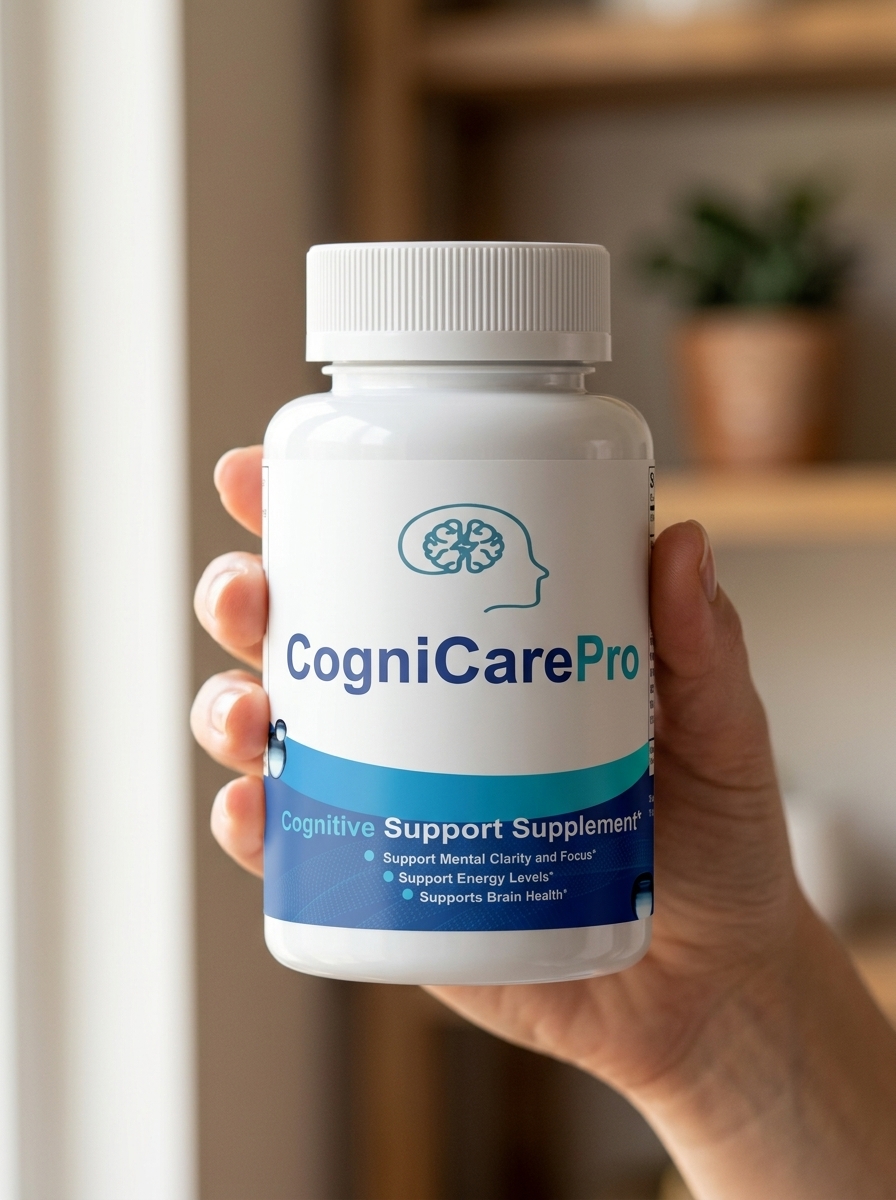
Rebuild Your Mental Clarity
Support your brain’s natural healing with research-backed botanicals that restore cognitive function.
CogniCare Pro combines Bacopa Monnieri, Rhodiola Rosea, and L-Tyrosine to address burnout at the cellular level. These proven nutrients help repair stress-damaged neural pathways, restore neurotransmitter balance, and rebuild the cognitive reserves chronic stress depletes. No jitters, no crashes — just your clear, capable mind returning.
- ✓ Memory and focus feel reliable again
- ✓ Mental fatigue lifts without artificial stimulation
- ✓ Confidence in your cognitive abilities returns
Beyond the Fog: What Mental Clarity Actually Feels Like

Recovery from cognitive burnout isn’t just about getting back to baseline — it’s about remembering what your mind is capable of when it’s properly supported. I had forgotten what it felt like to trust my memory, to feel confident in conversations, to experience that flow state where thoughts connect effortlessly and ideas build on each other naturally.
The first time I sat down to write and the words came easily, without forcing or struggling for clarity, I almost cried.
It had been so long since my mind felt fluid and responsive rather than stuck and sluggish. Simple tasks like planning my week or following complex conversations became effortless again.
Most surprisingly, my emotional resilience returned alongside my cognitive function. The overwhelm that had colored every interaction, making normal stress feel catastrophic, gradually dissolved. I found myself able to handle challenges with the same calm competence I’d possessed before burnout rewrote my brain chemistry.
Trust your brain again with the cellular support it’s been missing.
The Science of Coming Back to Life
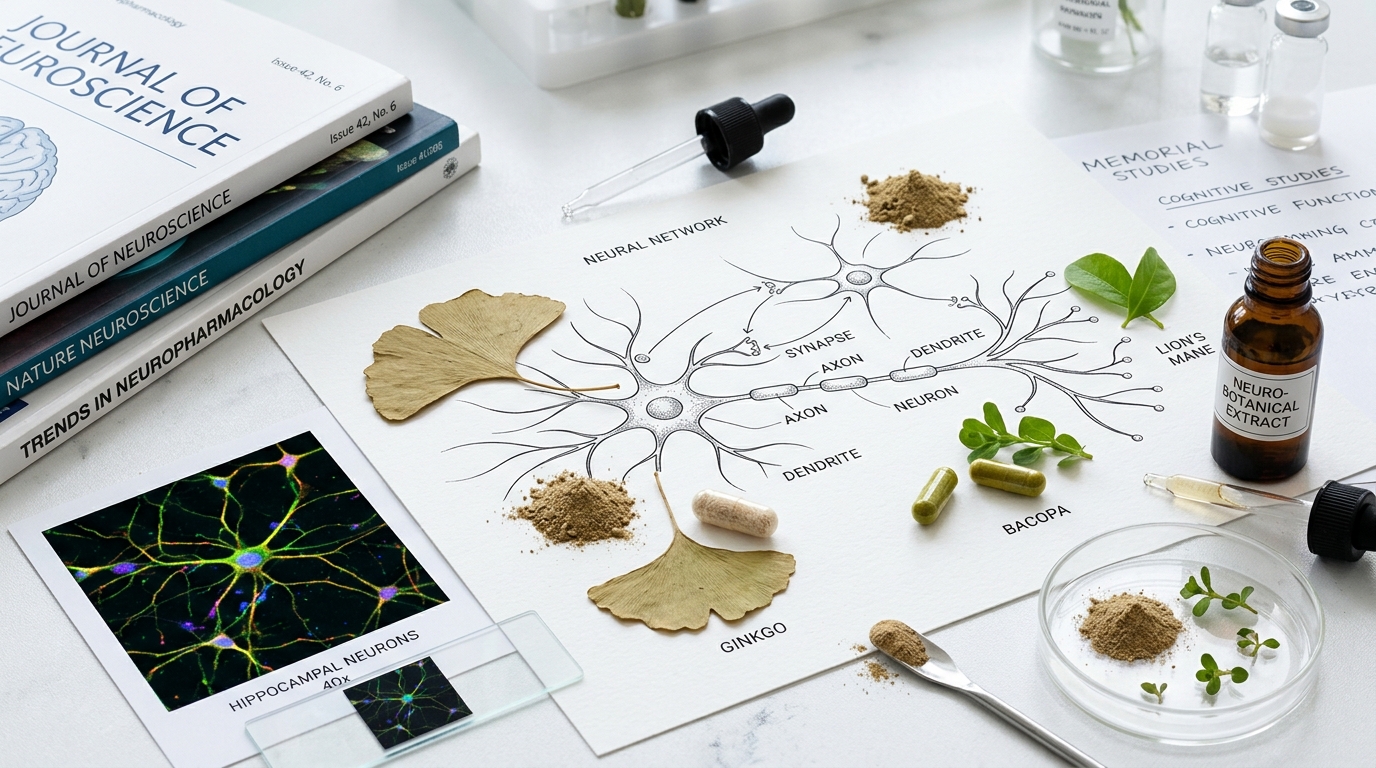
Understanding what was happening in my brain during recovery helped me appreciate how profound the healing process actually was. The botanicals in my daily regimen weren’t just masking symptoms — they were facilitating genuine neuroplasticity, helping my brain form new neural pathways to replace the ones damaged by chronic stress. Bacopa’s ability to enhance protein synthesis in brain cells meant my neurons were literally growing stronger and more connected. Rhodiola’s influence on the hypothalamic-pituitary-adrenal axis was helping reset my stress response system to more appropriate levels.
L-Tyrosine was providing the raw materials for neurotransmitter production, restoring the chemical balance that gives rise to motivation, focus, and mental energy.
This wasn’t about temporary cognitive enhancement or artificial stimulation. It was about giving my brain what it needed to heal itself, to rebuild the delicate networks that chronic stress had disrupted. The difference between masking symptoms and addressing root causes became crystal clear in how sustainable and natural the improvements felt.
Your cognitive recovery starts with giving your brain what it actually needs.
Trusting Your Mind Again
And if the fog starts coming with hopelessness, panic, or trouble functioning at work or home, take that seriously. NIMH’s guide to caring for your mental health is a better next step than trying to muscle through on supplements alone.

Six months later, I can honestly say I trust my brain again. I don’t wake up wondering if today will be a “fog day” or worry that I’ll blank out in important conversations. My memory feels reliable, my attention feels steady, and that sense of mental vitality — the joy of thinking clearly and connecting ideas — has returned completely.
The most profound shift isn’t just in cognitive function but in confidence. When your mind works predictably, when you can count on your ability to focus and remember and process information, everything else becomes easier. Decisions that once felt overwhelming now feel manageable. Challenges that would have triggered immediate stress now feel like puzzles I’m capable of solving.
Burnout tried to convince me that mental exhaustion was my new normal, that I should lower my expectations and accept a foggier version of myself. Recovery taught me that with the right nutritional support, the brain’s capacity for healing is remarkable.
The mind I thought I’d lost was simply waiting for the resources it needed to rebuild itself from the inside out.
Written by Liora Menden — for those who seek clarity
Ready to feel the difference this formula makes?