The barbell felt heavier than it should have. Same weight I’d been lifting for months, but my muscles seemed to be speaking a different language now. At 35, I was facing a reality that crept up quietly: my body wasn’t responding to training the way it used to. Recovery took longer. Progress felt harder to earn. The frustration wasn’t just physical—it was the sinking realization that something fundamental had shifted.
This wasn’t about being out of shape or losing motivation. I was training consistently, eating well, getting decent sleep. Yet there was an undeniable truth staring back at me in the mirror and in my training logs: the effortless strength gains of my twenties were gone.
What I didn’t understand then was that this decline wasn’t inevitable—it was cellular.
The answer lay in the microscopic powerhouses inside every muscle fiber, working overtime to fuel movement but gradually losing their capacity over time. Once I understood what was really happening at the cellular level, everything about how I approached strength and endurance training changed. And Mitolyn became the foundation that made real progress possible again.
The Moment Everything Clicked Into Focus
It was during a routine deadlift session when the reality hit hardest. The weight that used to feel manageable now left me breathless, not from exertion but from a deep, cellular exhaustion that seemed to radiate from my bones. My training partner, ten years younger, was hitting personal records while I struggled to maintain what used to be my warm-up sets. The comparison stung, but it also sparked curiosity.
That evening, I found myself diving deep into research about age-related performance decline. What I discovered wasn’t about willpower or dedication—it was about mitochondria. These tiny cellular engines that convert nutrients into usable energy start declining in both number and efficiency around age 30.
By 40, most people have lost nearly 20% of their mitochondrial capacity.
The science was clear: as mitochondrial function declines, muscles can’t generate the same power output, recovery slows dramatically, and the body’s ability to adapt to training stress diminishes. It wasn’t that I was getting weaker—my cellular power plants were running on reduced capacity. Understanding this shifted everything about how I viewed my training plateau.
Ready to restore the cellular energy that powers real strength gains?
Why Traditional Approaches Fall Short After 30
Most fitness advice treats a 35-year-old body like a 25-year-old body that just needs more motivation. Push harder, train longer, eat cleaner. But this approach ignores the fundamental cellular changes that make recovery and adaptation more challenging. When mitochondrial density drops, muscles literally have less energy available for repair and growth.
I had tried every conventional strategy: adjusting my training split, manipulating rep ranges, experimenting with different recovery protocols. Some helped marginally, but none addressed the root issue.
The cellular machinery that turns food into muscle-building energy was operating at reduced capacity.
The frustration of diminishing returns despite consistent effort is something many people experience but few understand. They assume it’s age catching up, that this is simply how bodies work after 30. But cellular decline isn’t inevitable—it’s addressable. The key is supporting the mitochondria directly, giving them what they need to function optimally even as we age.
Discover what happens when your mitochondria work at full capacity again.
The Science Behind Cellular Energy Production
Mitochondria are remarkable structures, often called the powerhouses of the cell, but their role in strength and endurance goes far deeper than energy production. They’re responsible for muscle protein synthesis, calcium handling, and the cellular repair processes that happen during recovery. When they’re functioning optimally, muscles can work harder, recover faster, and adapt more effectively to training stress.
The decline in mitochondrial function isn’t just about having fewer of these cellular engines—it’s about the ones you have working less efficiently. They produce less ATP (the body’s energy currency) while generating more oxidative stress.
It’s like having a car engine that burns more fuel while producing less power.
But here’s what changed my understanding completely: mitochondria are incredibly responsive to the right nutritional support. Unlike many age-related changes that seem fixed, mitochondrial function can be enhanced, protected, and even restored with targeted intervention. The research on mitochondrial support supplements showed promise that felt almost too good to be true, until I experienced it myself.
Stop fighting against biology and start supporting it intelligently.
When I Finally Found What Actually Worked
After months of research and experimentation, I came across Mitolyn, a supplement specifically designed to support mitochondrial function. The science behind it was compelling—ingredients that could enhance mitochondrial efficiency, support cellular energy production, and protect these vital structures from age-related decline. But I had tried supplements before with minimal results, so my expectations were cautiously optimistic.
The changes didn’t happen overnight, but they were undeniable. Within the first few weeks, I noticed I wasn’t dragging through afternoon training sessions. The fatigue that used to hit me like a wall around 3 PM started lifting.
More importantly, my recovery between training sessions improved dramatically.
What impressed me most wasn’t just the immediate energy boost—it was the sustained improvement in training capacity.
Sets that used to leave me completely drained became challenging but manageable. The cellular foundation that Mitolyn provided allowed my training to build on itself again, creating the upward spiral of adaptation that I thought was lost forever. This wasn’t about masking fatigue or forcing energy; it was about restoring the cellular machinery that makes strength and endurance possible.
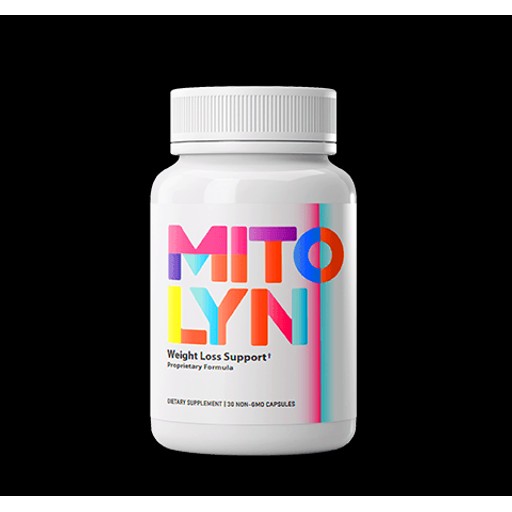
Fuel Your Cellular Engines
Support the microscopic powerhouses that drive every rep, every recovery, every breakthrough.
When mitochondrial function declines, strength gains stall and recovery suffers. Mitolyn targets cellular energy production directly, supporting the mitochondria that fuel muscle adaptation and power your training progression. Experience the difference when your cells work efficiently again.
- ✓ Sustained energy without the afternoon crash
- ✓ Faster recovery between challenging training sessions
- ✓ Cellular foundation for consistent strength gains
The Training Revolution That Followed
With my cellular energy production running more efficiently, everything about my approach to training could evolve. I was able to increase training frequency without the crushing fatigue that had previously limited my progress. Volume that once led to overreaching now promoted adaptation. The feedback loop between training stress and recovery finally worked in my favor again.
My strength numbers began climbing steadily for the first time in years. But more than the weight on the bar, it was the feeling of resilience that returned—the sense that my body was working with me rather than against me.
The endurance improvements were equally dramatic. Conditioning work that used to leave me gasping and exhausted became challenging but sustainable. My heart rate recovery between sets improved, and the deep fatigue that used to linger for hours after intense training began clearing within minutes. It was like having a more efficient engine that could sustain higher performance with less stress on the system.
Experience training with the cellular foundation your body deserves.
The Compound Effect of Cellular Optimization
As months passed with consistent Mitolyn support, the benefits compounded in ways I hadn’t anticipated. Better training led to improved sleep quality, which enhanced recovery, which allowed for higher training intensity. The positive cycle that I thought was exclusive to younger bodies was possible again, built on the foundation of optimized mitochondrial function.
The mental clarity that came with improved cellular energy was unexpected but welcome. The afternoon brain fog that had become routine lifted, replaced by sustained focus that carried through evening training sessions and beyond.
When your cells are producing energy efficiently, every system benefits—not just the muscles you’re trying to build.
Perhaps most significantly, I stopped feeling like I was fighting against time and biology. Instead of viewing age as an inevitable decline to manage, I began seeing it as a phase requiring more sophisticated support. The cellular optimization that Mitolyn provided wasn’t about turning back the clock—it was about maximizing what was possible right now, at this stage of life.
Transform recovery time from days into hours with mitochondrial support.
Building Strength That Lasts Beyond 30
Now, approaching 40, my training looks nothing like the haphazard approach of my twenties, but the results are more satisfying and sustainable. The foundation of mitochondrial support has allowed me to train with intention and intensity while respecting the recovery needs of a more mature body. Strength gains come steadily rather than sporadically, built on cellular health rather than sheer will.
The morning routine that includes Mitolyn has become as essential as warming up before training. It’s not about relying on a supplement to function—it’s about providing the cellular support that allows everything else to work optimally.
What started as frustration with declining performance has become a deeper understanding of what the body needs to thrive at every stage.
The strength and endurance I’m building now feels more valuable than what came easily in my twenties, precisely because it’s built on knowledge, intention, and the right cellular foundation. Age doesn’t have to mean acceptance of decline—it can mean the wisdom to support your body at the level it needs to excel.
Written by Elias Menden — for those who seek sustained strength
Build strength that compounds rather than fights against time.