Three months into a solid training cycle, something shifted. Not in a good way. The weights that had been moving up consistently suddenly felt heavy again. Recovery between sessions stretched longer. That familiar post-workout energy buzz turned into a deep, cellular fatigue that sleep couldn’t touch.
I knew the feeling well—it’s the point where most people blame overtraining or age or genetics. But after fifteen years of working with athletes and weekend warriors alike, I recognized something different. This wasn’t about training volume or programming. This was happening at the mitochondrial level, where cellular energy gets made.
Your mitochondria are the power plants of every muscle cell. When they’re functioning optimally, you recover faster, train harder, and maintain that edge that separates good sessions from great ones. When they’re not, everything feels harder than it should be.
The Energy Crisis Most Athletes Never See Coming
Performance plateaus don’t announce themselves with fanfare. They creep in quietly—an extra day needed between sessions, weights that feel heavier than they should, that lingering fatigue that coffee can’t fix. Most people assume it’s part of getting older or training harder. But the real culprit is often hiding in plain sight: mitochondrial dysfunction.
Your muscle cells contain hundreds of these tiny power plants, each one responsible for converting nutrients into the ATP that fuels every rep, every sprint, every recovery process. When they’re running efficiently, you feel unstoppable. When they’re not, your body starts rationing energy like it’s preparing for a famine.
The problem is that intense training creates oxidative stress—essentially, cellular damage that accumulates faster than your natural repair systems can handle. Your mitochondria become less efficient at producing energy, and suddenly that training program that was working beautifully starts feeling impossible.
Ready to support your cellular energy at the source?
Why Standard Recovery Methods Hit a Wall
I used to think recovery was about sleep, protein, and maybe some stretching. Get eight hours, eat your bodyweight in grams of protein, foam roll religiously, and you’d bounce back ready for the next session. For years, that formula worked.
But there’s a deeper layer that most recovery protocols miss entirely.
While you’re focusing on muscle repair and glycogen replenishment, your mitochondria are struggling with the accumulated damage from training stress. Standard recovery methods can’t reach that cellular level where energy actually gets manufactured. Sleep helps, but it doesn’t repair oxidative damage to your mitochondria. Protein rebuilds muscle tissue, but it doesn’t improve cellular energy production. Stretching feels good, but it doesn’t address the root cause of why your next workout feels harder than it should. You’re treating the symptoms while the real problem compounds with every training session.
Give your mitochondria the nutrients they need to thrive.
The Moment Everything Started Making Sense
The breakthrough came when I started researching mitochondrial biogenesis—the process by which your cells actually create new mitochondria. It’s not something that happens automatically. Your body needs specific signals and nutrients to trigger the production of these cellular power plants.
That’s when I discovered compounds like astaxanthin, a potent antioxidant that doesn’t just neutralize free radicals but actually protects mitochondrial membranes during intense exercise. Or Rhodiola, an adaptogen that helps optimize cellular energy pathways under stress. These weren’t just random supplements—they were targeting the exact mechanisms that determine whether you recover stronger or just recover.
The more I learned about mitochondrial support, the more I realized why my previous approach had hit a ceiling.
I was thinking about recovery as something that happened to muscles, when I should have been thinking about what happens inside every cell of those muscles. That’s when I found Mitolyn—a supplement that brought together the exact botanical compounds research showed could support mitochondrial function at the cellular level.
Experience what happens when recovery works at the cellular level.
What Changes When Your Cells Have What They Need
Within three weeks of adding proper mitochondrial support to my routine, the difference was unmistakable. Not in a dramatic, overnight transformation kind of way, but in the subtle indicators that matter most to anyone serious about training. Recovery between sets felt cleaner. The fatigue after hard sessions had a different quality—tired but not depleted.
My training log started showing progress again. Weights that had stalled began moving up. But more importantly, the quality of each rep improved. There’s a difference between grinding through a set because you have to and moving weight because your body has the cellular energy to do it properly.
The compound effect became clear over the following months. Better recovery meant more consistent training. More consistent training meant steady progress. And steady progress meant I could push into training intensities that would have left me depleted for days just months earlier. It wasn’t about training harder—it was about having the cellular foundation to support the training I was already doing.
Stop fighting your body and start partnering with it.
The Science Behind Cellular Energy Support
What makes mitochondrial support different from standard supplementation is how it works at the source of energy production. Instead of trying to mask fatigue or artificially stimulate performance, compounds like those in Mitolyn work to optimize the fundamental processes that create cellular energy.
Astaxanthin, for instance, crosses the blood-brain barrier and integrates directly into mitochondrial membranes, protecting them from oxidative damage during intense exercise. Rhodiola helps regulate the cellular stress response, ensuring that training stress becomes adaptive rather than destructive. Schisandra supports liver function, which is crucial for clearing the metabolic waste that accumulates during hard training.
These aren’t stimulants or masking agents. They’re providing your cells with the specific nutrients needed to maintain optimal energy production under the stress of regular training. It’s the difference between temporarily boosting performance and actually improving your body’s capacity to perform.
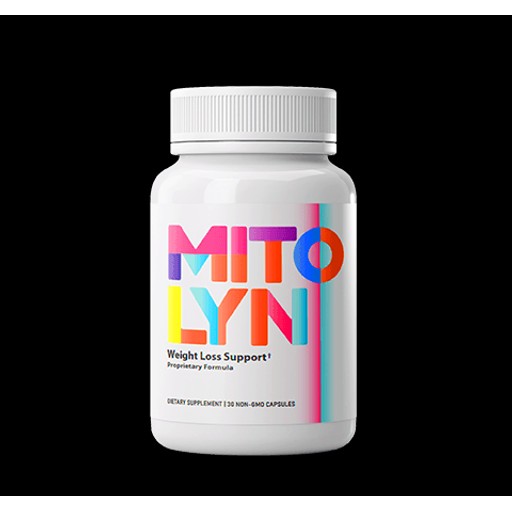
Cellular Energy Support
When training feels harder than it should, the problem lives deeper than muscle.
Mitolyn targets mitochondrial function with research-backed botanicals like astaxanthin, Rhodiola, and Schisandra. These compounds protect cellular energy production during intense training, reduce oxidative stress, and support the recovery that matters most—at the cellular level where energy gets made.
- ✓ Recovery happens faster between sessions
- ✓ Training intensity becomes sustainable
- ✓ Energy stays stable throughout the day
The Compound Effect of Consistent Cellular Support
Six months into using Mitolyn consistently, the changes had moved beyond just training metrics. My energy throughout the day became more stable. The afternoon crash that used to hit after morning workouts disappeared. Sleep quality improved, not just in duration but in how restored I felt upon waking.
Training became something I looked forward to rather than something I had to manage carefully around my energy levels. Sessions that would have required two days of recovery now needed only one. The cumulative effect of better cellular energy support meant I could maintain training intensity week after week without the gradual decline that used to force deload weeks every month.
The most telling change was in how I felt during everyday activities.
Climbing stairs, carrying groceries, playing with kids—all the non-training movement that makes up most of life became effortless again. When your mitochondria are functioning optimally, everything that requires energy becomes easier.
Transform training from battle into sustainable progress.
Building a Foundation That Lasts
Looking back, I realize that my previous approach to performance was built on a shaky foundation. I was focused on the visible aspects—the weights, the reps, the splits—while ignoring the cellular machinery that makes all of it possible. It’s like trying to improve a car’s performance by changing the tires while ignoring the engine.
Proper mitochondrial support creates a foundation that everything else builds upon. Better cellular energy production means more effective workouts, faster recovery, and the kind of consistent progress that compounds over months and years. It’s not about finding the perfect training program or the latest technique—it’s about giving your body what it needs to execute whatever program you choose.
The difference between training with optimal cellular support and training without it is the difference between pushing a car uphill and driving on level ground. The destination might be the same, but one journey is sustainable while the other will eventually break you down.
Discover what your body remembers about being truly strong.
When Your Body Remembers What Strong Feels Like
These days, training feels like partnership rather than battle. My body shows up ready for whatever I ask of it, and recovery happens predictably rather than hopefully. The plateau that drove me to explore mitochondrial support is a distant memory, replaced by the steady progress that comes when your cellular energy systems are functioning as they should.
The lesson isn’t complicated, but it’s profound: performance isn’t just about what you do in the gym or on the track. It’s about what’s happening in every cell of your body, every moment of every day. When you support those cellular processes properly, everything else becomes possible.
Your mitochondria have been working for you since birth, usually without much support or recognition. Give them what they need—the right nutrients, the right compounds, the right foundation—and they’ll remember what it feels like to power a body that’s truly alive.
Written by Elias Menden — for those who seek sustainable performance
Ready to feel the difference this formula makes?