The day started with the quiet click of the heater and a thin stripe of winter light across the counter. I stood there, palms on the cool stone, listening to the kettle thrum—awake, but not really on. Not tired enough to complain, just not lit. That’s when I came back to the smallest big idea: if the cell’s engines aren’t right, the day won’t be either.
So I rebuilt from the inside out. Fewer moving parts. A brisk loop around the block—cold air, lungs open. Breakfast with protein. A simple stack aimed at mitochondria. Two weeks later, the change didn’t feel dramatic; it felt obvious. Mornings that met me halfway. Afternoons that didn’t sag. The brain-fog space between thought and action? Smaller.
When tiny engines decide how a day feels

Your mitochondria make ATP—the spendable energy your body uses for everything from lifting a grocery bag to finishing a paragraph. When those engines hum, effort drops. Focus lands faster. Stress becomes something you can meet, not dodge. When they sputter, everything costs more. That’s the difference between a day you move through and a day you push against.
Think steady lamp, not flickering bulb.
The best supplements for mitochondrial health (real-life short list)
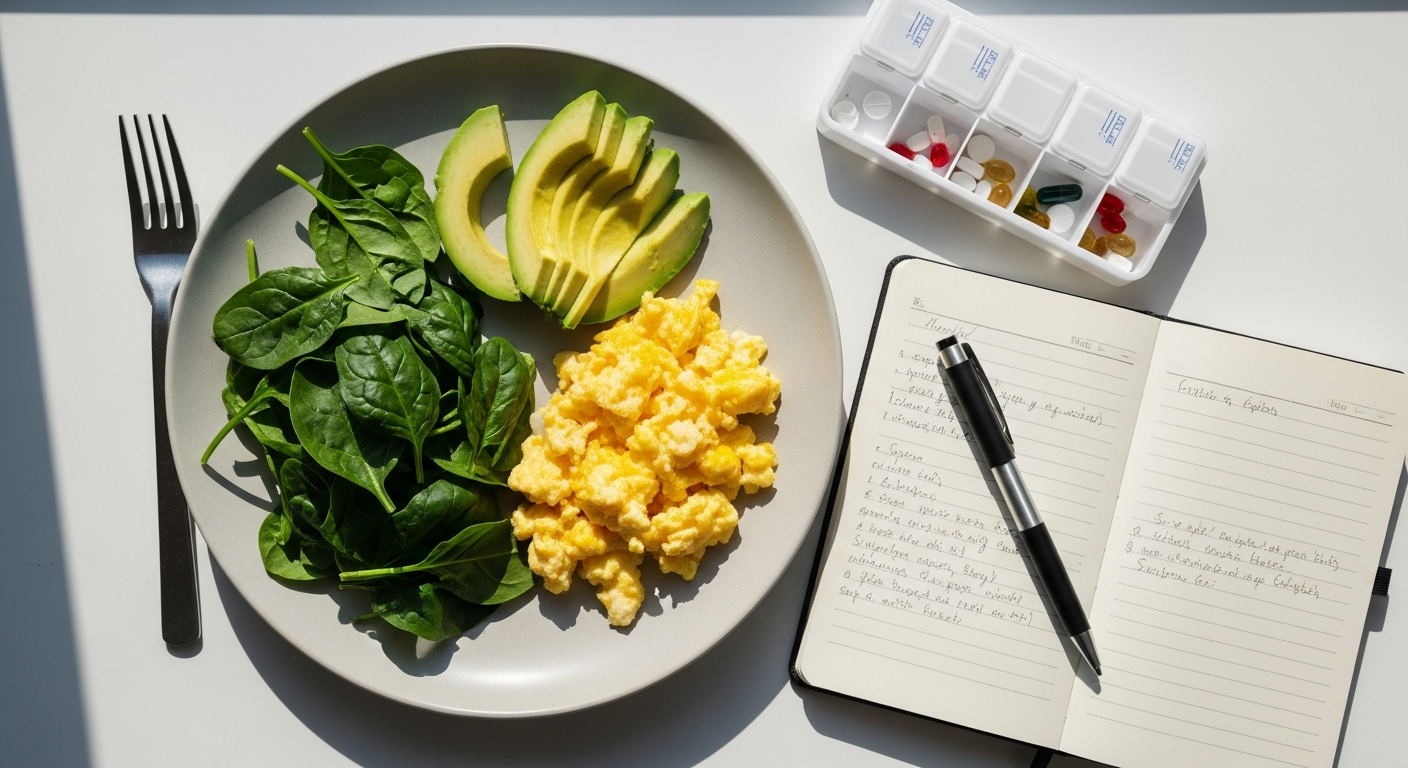
This isn’t everything you could take; it’s what consistently helps—and plays well with normal life.
CoQ10 (ubiquinol if you’re 40+)
Lives in the mitochondrial machinery that turns oxygen and nutrients into ATP. Often felt as smoother endurance and a calmer rhythm across long days.
PQQ
Talked about for protecting mitochondria and supporting the creation of new ones over time. In practice: cleaner mental “edges” without the wired undertow.
Alpha-lipoic acid (ALA)
Works in fat and water, helps recycle other antioxidants, and eases the stress of hard weeks. I lean on it after heavy training or tight deadlines.
Magnesium (glycinate at night, malate earlier)
Quiet backbone of energy use. When it’s low, effort gets sticky and sleep won’t sink.
Acetyl-L-Carnitine (ALCAR)
Shuttles fats into mitochondria for fuel; the acetyl form crosses into the brain. Often felt as crispness rather than buzz.
Micro-summary: fuel cleaner (ALCAR), protect the engine (CoQ10/ALA), make more/keep them sturdy (PQQ), stabilize the spend (magnesium).
A quiet add that earned its place
In a season where my schedule felt like a long hallway, I tried Neuro-Thrive Brain Support. No fireworks promised; I’ve tested enough blends to be cautious. But the fit was right—one capsule in the morning, clean profile, nothing that shouted.

Neuro-Thrive, Steadier Days
One calm, morning capsule—felt as smoother starts and fewer dips, without the wired edge
Take one with breakfast. Neuro-Thrive pairs cleanly with CoQ10 and PQQ to support clear, sustained effort from the first hour to late afternoon. No jitters, no hard landings—just work that moves and decisions that come easier. Make it a small, reliable morning anchor.
-
Quicker “let’s begin” momentum
-
Post-lunch steadiness, fewer fades
-
Room for deep work to land
I didn’t change anything else for two weeks. The first signs were small and honest:
- fewer yawns between two and four,
- easier “let’s begin” on complex tasks,
- a bit more headroom for decisions late in the day.
It didn’t make me more amped. It made me less interrupted.
How I stack it (and how you could, without turning your life into a spreadsheet)
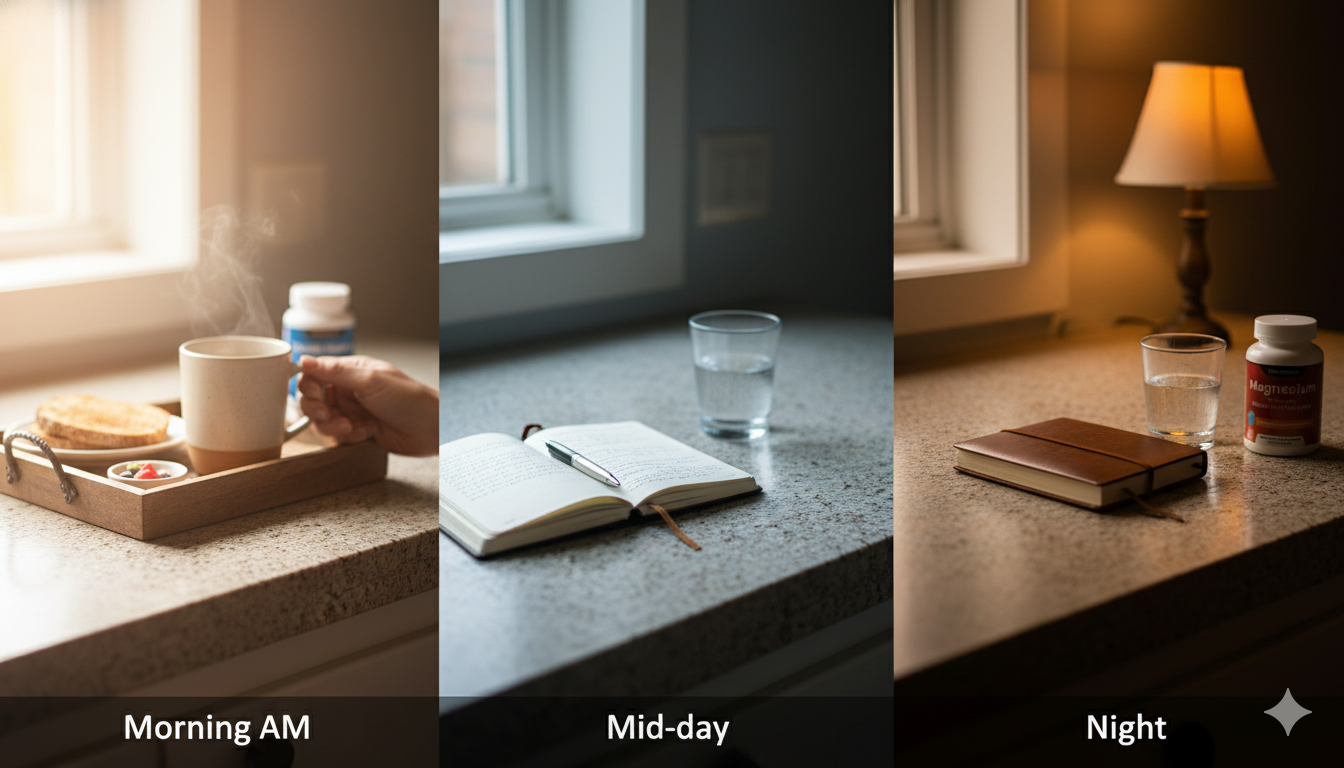
Morning — with or just after breakfast
- CoQ10 (100–200 mg)
- PQQ (10–20 mg)
- Neuro-Thrive Brain Support (1 capsule)
Midday — if the day asks for more focus
- ALCAR (500–1,000 mg) with food
Evening — 1–2 hours before bed
- Magnesium glycinate (200–300 mg)
- ALA (300–600 mg) on training or mentally heavy days
Give each change two to three weeks. Don’t stack six things overnight—let your body show you what’s doing the work.
Simple science, in the language of a kitchen table
- Mitochondria are tiny engines that turn oxygen + nutrients into ATP, your use-now energy.
- CoQ10 and ALA help the engine handle “exhaust” (oxidative stress).
- PQQ supports the repair/creation side so engines stay plentiful and efficient.
- ALCAR moves fats into the engine so you can burn them cleanly.
- Magnesium is the stabilizer—good energy spends smoothly when it’s present.
No magic. Just better machinery, fewer leaks.
What it felt like when the stack settled
- Mornings that start on time. Not a sprint—just go.
- Afternoons that don’t dip. I didn’t need rescue coffee.
- Work that finishes sooner. Fewer tab hops, fewer rewrites.
- Recovery that cooperates. Soreness fell off faster, and sleep had weight.
I kept the rest of life simple: ten minutes of morning light, protein at each meal, two short breaks with no screens—just breath and a glance out the window. Rhythm beats intensity for cellular energy.
Where Neuro-Thrive actually fits
I keep Neuro-Thrive in the morning spot. It pairs cleanly with CoQ10 and PQQ and stays out of the way—no jitters, no hard landings.
What I notice (micro-wins):
- steadier ignition in the first hour,
- fewer post-lunch dips,
- more mental “ceiling” late afternoon.
How I take it: one capsule with breakfast, most workdays and training days.
When it shines: travel weeks, stretch projects, or any season where you want energy that behaves.
If you want to try the exact formula I use, start simple: hold the rest of your routine steady, add Neuro-Thrive in the morning, and watch for small wins. When they show up, you’ll know.
Habits that make the stack sing

- Morning light + brisk walk. Five to ten minutes outside tells your body “we’re on.”
- Protein + minerals. Eggs, salmon, pumpkin seeds, leafy greens, cacao.
- Two real pauses. One mid-morning, one mid-afternoon—no phone, three slow breaths.
- Strength + easy cardio. Lift something a few times a week; add slow miles when you can.
These don’t look heroic. That’s why they work.
If you’re starting today
Keep your life. Adjust the edges. Begin with CoQ10 and Neuro-Thrive in the morning, let that settle, then layer PQQ if you want more clarity. Add ALCAR on heavy-focus days. Anchor the night with magnesium. You’re not chasing spikes—you’re building a current.
The heater kicks on again. The light on the counter has moved an inch. Same kitchen, different feel. Work begins without a fight, training shows up like an option, and the evening lands calm. When the engines inside you run clean, the day turns from noise into signal.
Written by Elias Menden — for those who seek vitality and endurance.
h
e
v
a
r
i
a
b
l
e
n
o
b
o
d
y
t
a
l
k
s
a
b
o
u
t
e
n
o
u
g
h
i
s
t
e
m
p
e
r
a
t
u
r
e
.
A
s
l
i
g
h
t
l
y
c
o
o
l
r
o
o
m
a
t
n
i
g
h
t
,
a
b
r
i
e
f
c
o
l
d
r
i
n
s
e
i
n
t
h
e
m
o
r
n
i
n
g
,
a
n
o
c
c
a
s
i
o
n
a
l
s
a
u
n
a
—
t
h
e
m
i
t
o
c
h
o
n
d
r
i
a
r
e
s
p
o
n
d
t
o
t
h
e
r
m
a
l
s
t
r
e
s
s
t
h
e
w
a
y
m
u
s
c
l
e
s
r
e
s
p
o
n
d
t
o
l
i
f
t
i
n
g
.
N
o
t
a
s
d
a
m
a
g
e
,
b
u
t
a
s
a
s
i
g
n
a
l
t
o
b
u
i
l
d
m
o
r
e
.
I
t
‘
s
o
n
e
o
f
t
h
e
f
e
w
b
i
o
h
a
c
k
s
t
h
a
t
c
o
s
t
s
n
o
t
h
i
n
g
a
n
d
s
t
i
l
l
,
s
o
m
e
h
o
w
,
m
o
s
t
p
e
o
p
l
e
s
k
i
p
.
The under-discussed variable
The variable nobody talks about enough is temperature. A slightly cool room at night, a brief cold rinse in the morning, an occasional sauna — the mitochondria respond to thermal stress the way muscles respond to lifting. Not as damage, but as a signal to build more. It’s one of the few biohacks that costs nothing and still, somehow, most people skip.