My grocery receipts looked like someone who had it figured out. Organic spinach. Wild-caught salmon once a week. Brown rice instead of white. Olive oil for the good stuff, sunflower oil for the rest. I tracked macros. I drank water. I did the thing — the whole, responsible, adult thing — where you stop eating like a college kid and start feeding yourself like someone who plans to be alive in forty years.
And still. Every single morning, my hands opened slow. Like the joints had rusted shut overnight. My knees made sounds on the stairs that no thirty-nine-year-old should have to explain away. By 2 p.m., my thoughts got thick, like trying to read through gauze. And my skin — dry along the jaw, faintly red at the temples — looked irritated in a way no moisturizer could reach.
I wasn’t sick. I wasn’t out of shape. I was inflamed. I just didn’t know it yet.
⸻
The Invisible Tilt No One Warned Me About

Here’s what nobody puts on the label: the balance between the fats in your food matters as much as the fats themselves. Your body uses two main families of fatty acids to regulate inflammation — omega-3s and omega-6s. Omega-3s tend to calm things down. Omega-6s, in the right amount, support healing, immunity, cell structure. Neither is the villain. But the ratio between them is everything.
A generation or two ago, most humans ate these fats in rough balance — maybe two parts omega-6 for every one part omega-3. Today, that ratio has ballooned to somewhere between 15:1 and 25:1, tilted heavily toward omega-6. Not because we’re eating badly, necessarily, but because omega-6 inflammation hides in the places we’d never think to look.
- Sunflower oil. Soybean oil. Safflower oil. Canola blends.
- Salad dressings, roasted almonds, granola bars, hummus.
- Frozen stir-fries, even the “healthy” crackers I was so proud of buying.
I was surrounded.
What That Imbalance Actually Does Inside You

When omega-6 floods the system without enough omega-3 to counterbalance it, your body converts the excess into signaling molecules called eicosanoids — some of which act like low-volume alarms that never turn off. This isn’t the sharp inflammation of a sprained ankle or a fever. It’s quieter. A cellular hum. Your tissues stay in a mild state of alert — not enough to send you to a doctor, but enough to wear you down over months and years.
Energy Your Cells Remember
When the fog lifts, it doesn’t feel dramatic — it just feels like your mornings came back
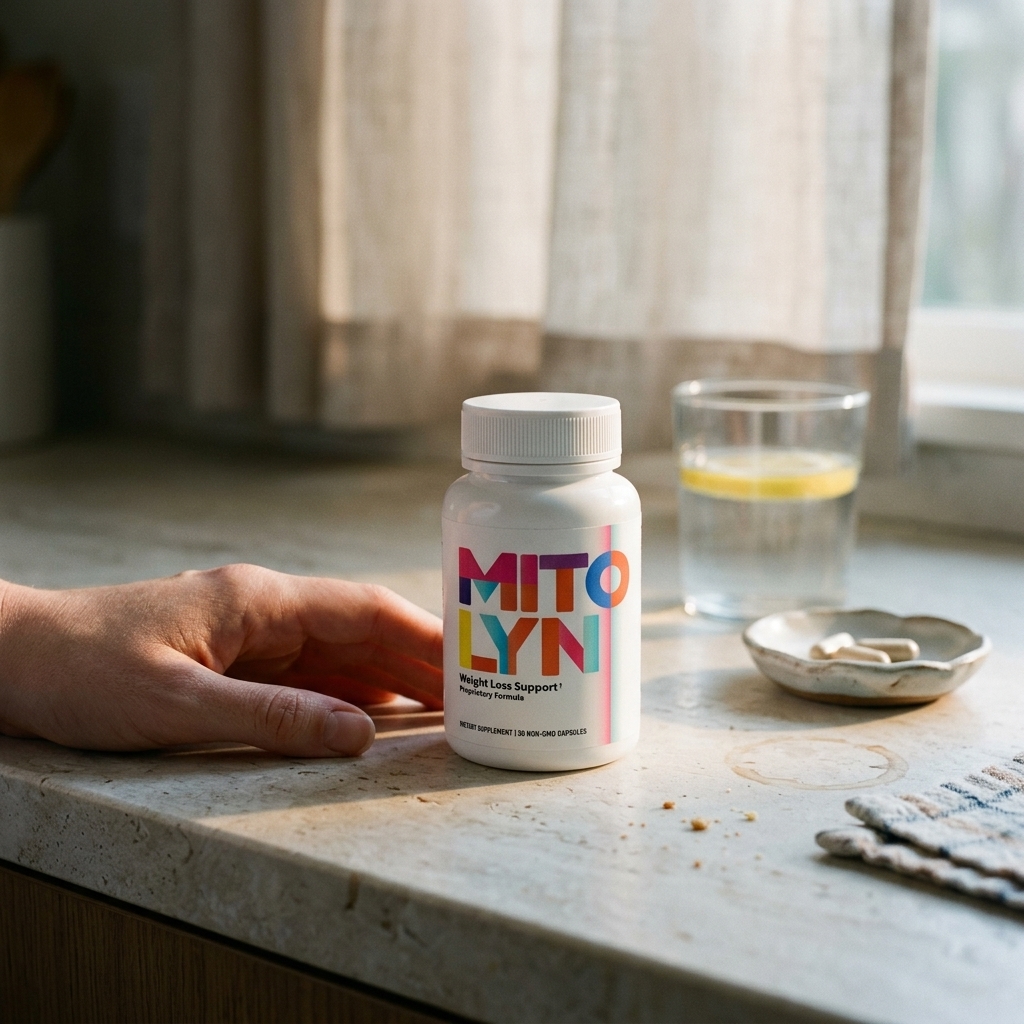
Mitolyn supports the mitochondrial function that keeps your energy steady, your thinking clear, and your body recovering the way it should. Not a jolt. Not a rush. Just the quiet return of what inflammation quietly took. One capsule with breakfast. The rest happens inside.
-
Supports steady, all-day cellular energy without crashes
-
Helps your body’s natural recovery and repair cycles
-
Backs the mental clarity that makes afternoons feel like mornings
Your mitochondria feel it first. Those tiny structures inside each cell — the ones responsible for turning food into actual usable energy — are sensitive to inflammatory signals. When inflammation stays elevated, mitochondria slow their output. They don’t crash. They dim. And what you feel is not collapse, but drag. A heaviness that coffee can’t fix. A recovery time after exercise that keeps stretching longer. A brain that works, technically, but never quite hums.
This is what the omega-3 omega-6 balance controls at the deepest level — not just joint comfort or skin clarity, but the basic energy cycle inside every cell you have.
⸻
The Week I Read Every Label in My Kitchen
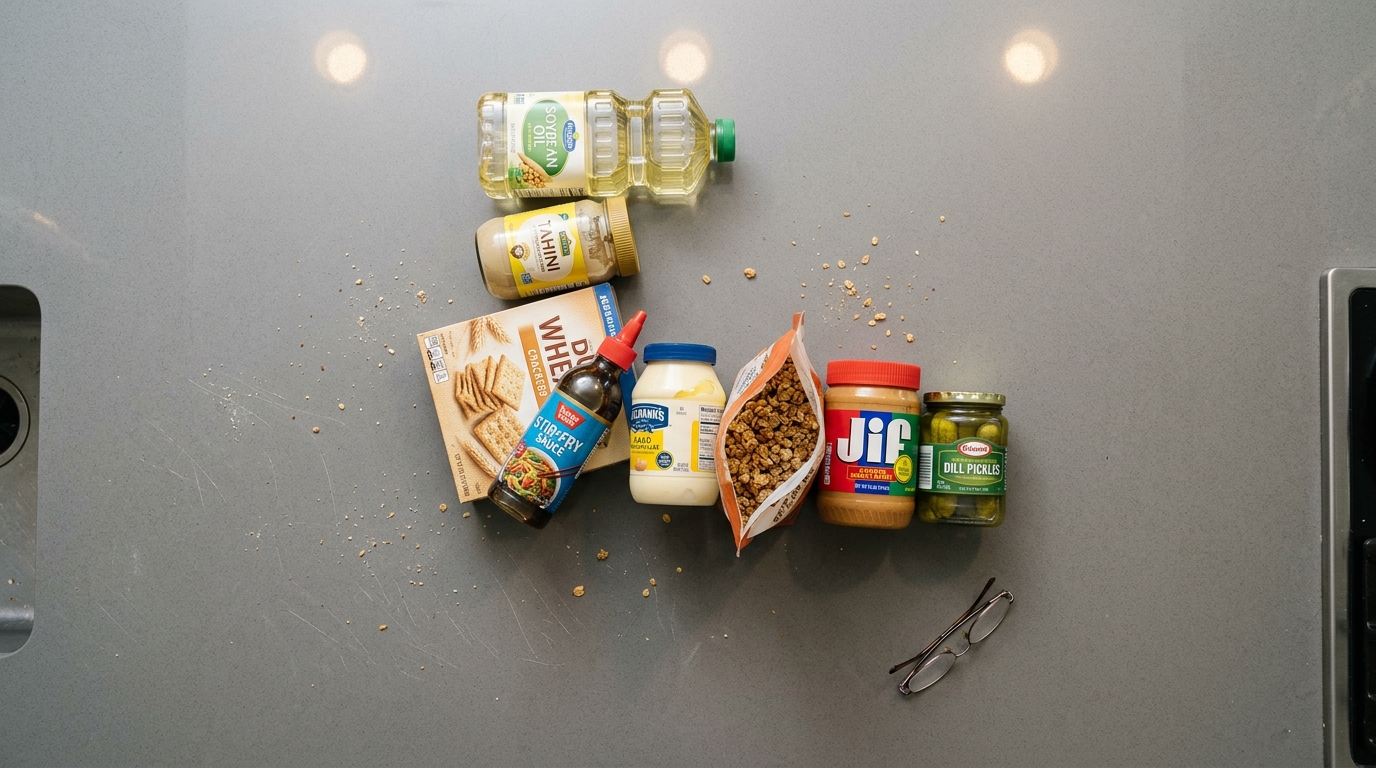
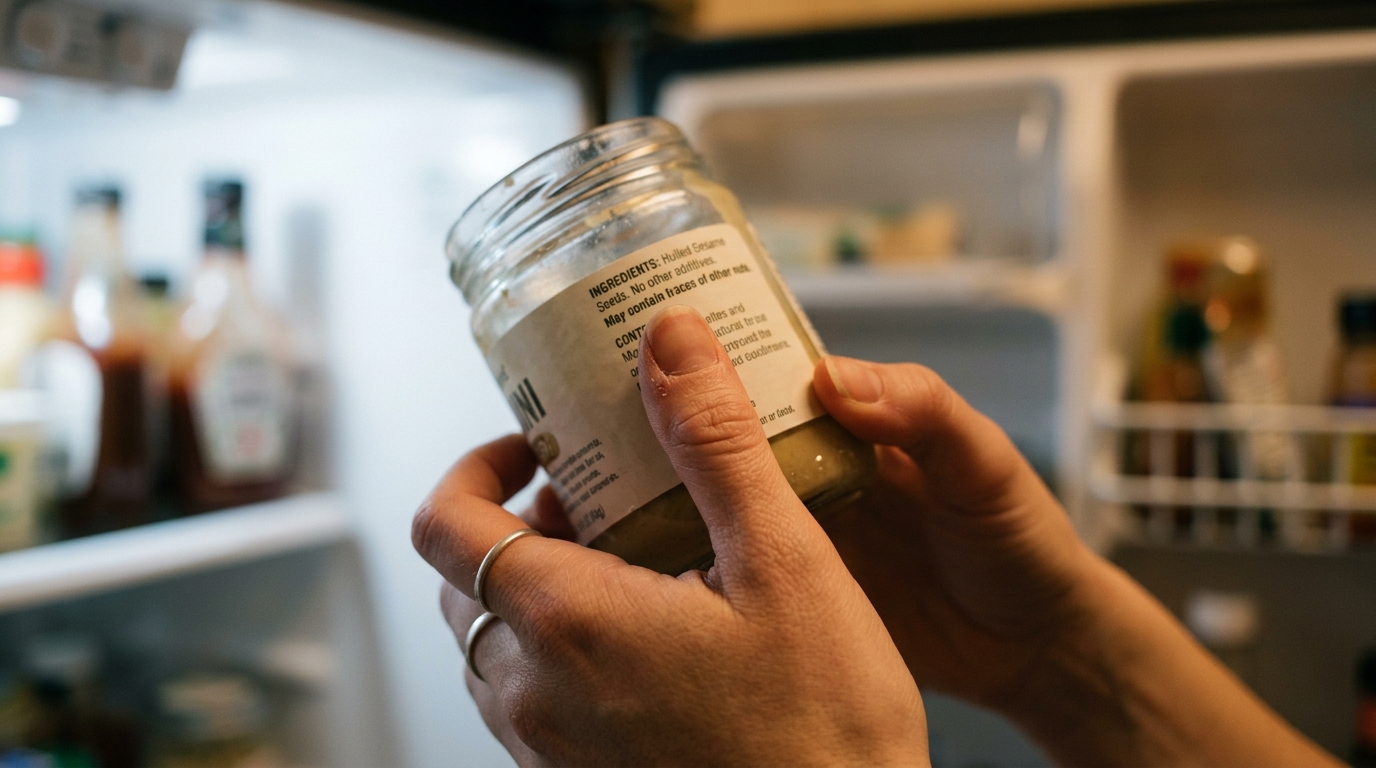
I didn’t plan a purge. I planned dinner. But something about that evening — standing in front of the open fridge, already tired at 5:30 — made me stop and actually read. The stir-fry sauce: soybean oil, second ingredient. The tahini: roasted sesame and sunflower oil blend. The “everything-free” crackers I’d been snacking on: expeller-pressed safflower oil. Even the organic mayonnaise was built on a canola base.
I lined them all up on the counter. Not dramatically. Just to see. And what I saw was an entire kitchen organized around convenience fats that were quietly tipping my body toward a state it couldn’t recover from.
That’s the strange grief of it. I hadn’t been careless. I’d been careful in the wrong direction.
Shifting Without Burning It All Down

I didn’t throw anything away that night. I’m not built for grand gestures with food — they never hold. What I did was start replacing things one at a time, the way you’d change a current by redirecting a stream instead of damming the river. Extra virgin olive oil became my default. I found an avocado oil I liked for higher heat. I made my own dressings — olive oil, lemon, a spoon of Dijon — in a jar I kept in the fridge door. I swapped out the safflower crackers for ones made with olive oil and flaxseed. Small trades, nothing heroic.
But the bigger shift happened when I started thinking about what my cells actually needed — not just fewer inflammatory signals, but more raw support for the energy cycle that inflammation had been quietly strangling. A friend had mentioned something she’d been taking — a supplement built specifically around mitochondrial function. Not a multivitamin. Not a generic antioxidant blend. Something formulated to support the part of cellular metabolism that slows down when the body’s been running hot for too long.
Feed the Part That Fires
You fixed the pantry. Now give your mitochondria what they’ve been waiting for
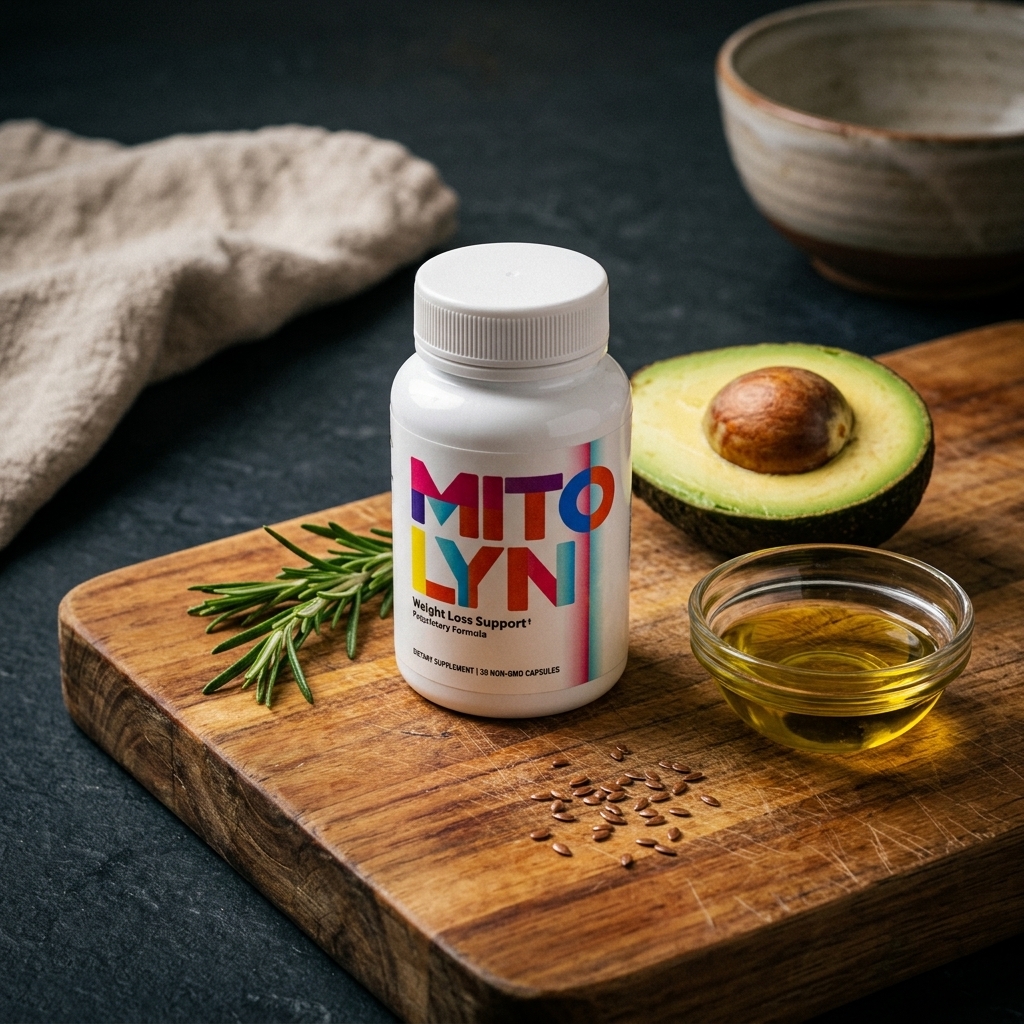
Reducing omega-6 is half the equation. The other half is supporting the cellular energy cycle that inflammation has been quietly throttling for months. Mitolyn was built for exactly this — targeted mitochondrial support that meets your cells where they are and helps them do what they already want to do.
-
Designed specifically for mitochondrial energy production
-
Works alongside your dietary shifts, not instead of them
-
Supports the deep repair your body can’t shortcut
I almost didn’t try it. I’d been burned by supplements before — the ones that promise clarity and deliver nothing but expensive urine. But she described it differently than I expected.
“I didn’t feel a rush. I just stopped dragging. Like my cells remembered what they were supposed to do.”
That sentence lived in my head for a week before I ordered a bottle.
⸻
What I Noticed (and When)

The first few days, nothing. I was fine with that. Anything that works overnight usually stops working by Tuesday.
Around day ten, I realized I hadn’t reached for a second coffee. Not out of discipline — out of forgetting. The afternoon fog didn’t descend at its usual time. I was still thinking clearly at 3 p.m., still moving through tasks without that sluggish negotiation my brain usually does with itself after lunch.
By week three, the mornings changed. My fingers opened without stiffness. Not dramatically — no movie-moment where I leapt out of bed feeling twenty-five — but smoothly. Like my joints had been lightly oiled from the inside. I could grip a jar lid without bracing for the ache. I could type first thing without warming up my hands.
And my skin, that stubborn dryness along my jaw and the redness near my hairline, started to ease. Not vanish. Settle. Like the irritation underneath had been dialed back to a frequency my skin could finally manage. I kept cooking the same meals. I kept walking in the mornings. The only variables were the fat ratio in my kitchen and that one small capsule with breakfast.
The Science Underneath the Feeling

What I was experiencing had a biological explanation I didn’t fully understand until later. When you reduce the omega-6 load and simultaneously support mitochondrial function, you’re working both sides of the same equation. Less inflammatory input means fewer signals telling your cells to stay guarded. Better mitochondrial output means more energy available for repair, recovery, and the thousands of quiet maintenance tasks your body performs every hour.
Your joints rely on cellular energy to rebuild cartilage and maintain the fluid that cushions movement. Your skin depends on it for turnover and barrier repair. Your brain — the single most energy-hungry organ in your body — depends on mitochondrial efficiency for focus, mood regulation, and the ability to hold a thought past 2 p.m. without losing the thread.
Your Cells Already Know
The science says what your body’s been trying to tell you — it just needed the right support
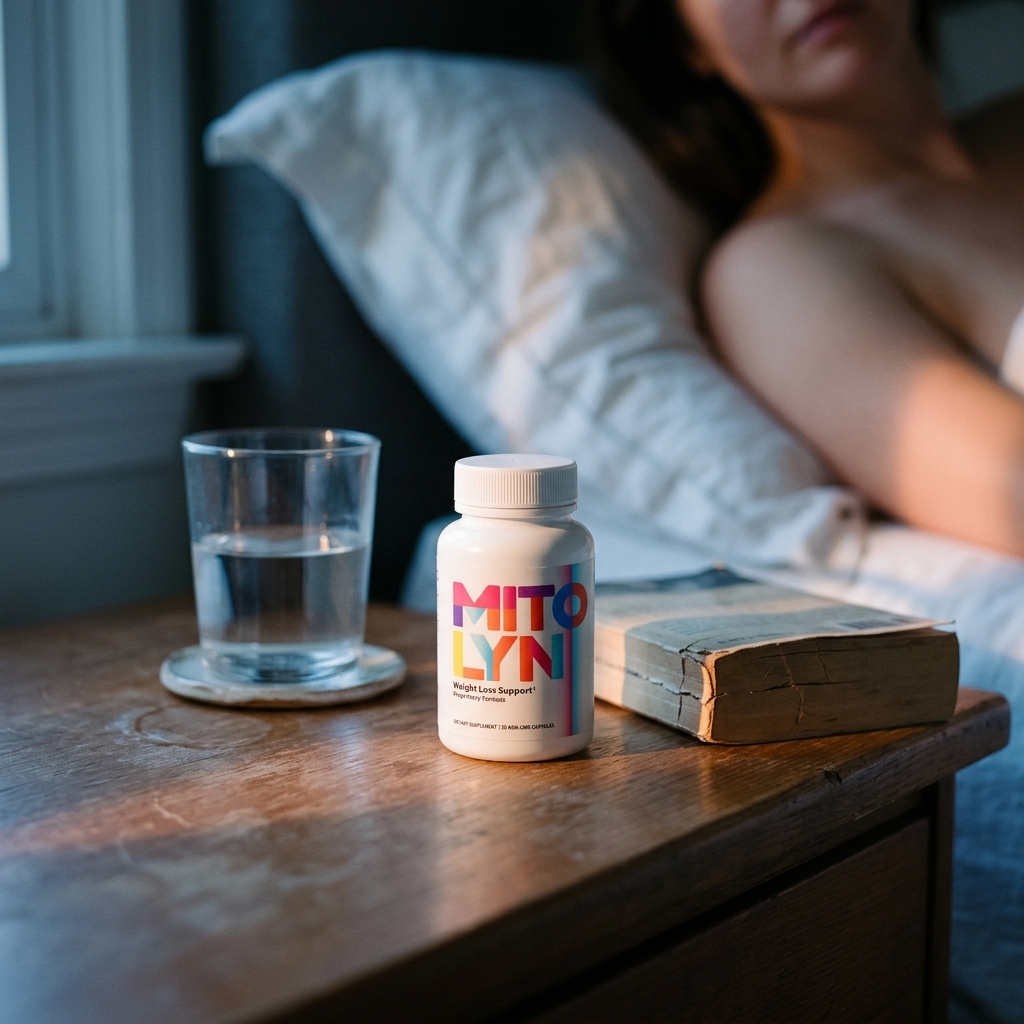
Your mitochondria power everything: joint recovery, skin repair, clear thinking, steady energy from morning through afternoon. When they’re supported, the drag lifts. Not overnight. Not dramatically. Just clearly. Mitolyn gives them what chronic inflammation quietly took — the fuel to function the way they were always meant to.
-
Supports the energy cycle behind joint comfort and mobility
-
Backs skin renewal from the cellular level outward
-
Fuels the mental clarity that lasts past lunch
An anti-inflammatory diet isn’t just about eating the right greens. It’s about restoring the conditions that let your cells function the way they’re designed to. Fat balance is one layer. Cellular energy support is another. Together, they create something that feels less like a health intervention and more like a return — to a version of yourself that remembers how to recover, how to think clearly, how to wake up without feeling like the night didn’t count.
⸻
What I’d Share With Anyone Standing Where I Stood
If you’re doing the “right things” and your body still feels sluggish, stiff, and subtly inflamed — it might not be a discipline problem. It might be an imbalance that no amount of willpower can fix, because it’s happening at a level beneath your choices.
Start where it’s simple. Look at the oils in your pantry, the sauces in your fridge, the ingredient lists on the things you reach for without thinking. You don’t need to eliminate omega-6. You need to stop drowning in it.
And consider what your cells might need beyond just fewer inflammatory triggers. Mitochondria don’t heal themselves by default — especially not after years of running in a compromised environment. Sometimes they need something direct. A specific kind of support that meets them where they are and helps them do what they already want to do: produce energy, repair tissue, keep you clear and steady and present in your own life.
That’s what I found, eventually. Not a miracle. Not even a dramatic story. Just a quiet, accumulating sense that my body had stopped working against itself. That the low hum of inflammation had finally gone quiet. That I could trust mornings again. The stiffness didn’t come back. The fog didn’t come back. And the skin — which had been my most visible clue that something deeper was off — finally looked like it belonged to someone who was well. Not young. Not perfect. Just well.
That might sound small. But if you’ve spent months feeling like your own body is subtly betraying you despite every effort, you know it’s not small at all.
It’s the thing that changes everything else.
Written by Elias Menden — for those who seek clarity in the quiet details.