The first time I had to hold my phone at arm’s length to read a text message, I laughed it off. “Getting old,” I told myself, the way we do when our bodies start whispering reminders that time moves forward whether we’re ready or not. But when that arm’s-length reading became a daily ritual, and when the computer screen at work started looking like it was wrapped in gauze by 3 PM, the laughter stopped.
It wasn’t dramatic. Eye strain rarely announces itself with fanfare. Instead, it creeps in through small moments—squinting at restaurant menus, rubbing your temples after an hour of emails, that persistent feeling that your eyes are working harder than they should. For months, I convinced myself this was just part of the aging process. Everyone over forty deals with this, right?
But somewhere between accepting tired eyes as my new normal and actually doing something about it, I realized I was giving up too easily.
My body had carried me through decades of demanding days—why was I so quick to assume it couldn’t adapt, couldn’t be supported, couldn’t find its way back to clarity?
The Real Cost of Tired Eyes

What bothers me most about eye strain isn’t the inconvenience—it’s how it changes the texture of your day. When your eyes feel heavy and unfocused, everything requires more effort. Reading becomes work instead of pleasure. Conversations across the room feel distant because faces blur at the edges. Even simple tasks like checking your watch or reading road signs demand a kind of concentration that shouldn’t be necessary.
I started noticing how often I was rubbing my eyes, how frequently I caught myself squinting without realizing it. My wife mentioned that I looked tired all the time, even after a full night‘s sleep.
That hit differently than I expected. When the people closest to you start seeing fatigue in your face, it means your body is working overtime just to keep up with basic functions. The afternoon headaches were the final straw. That dull, persistent pressure behind my forehead that no amount of coffee or fresh air could touch.
Ready to give your eyes the cellular support they deserve?
Why Common Solutions Feel Incomplete

The obvious first step was reading glasses. I bought a pair of drugstore readers, then upgraded to prescription lenses when those weren’t enough. They helped with close-up work, but they didn’t address the deeper fatigue. Taking them off after a few hours of use felt like emerging from underwater—my eyes were still tired, still strained, still working harder than they should.
Blue light glasses came next. The marketing promised relief from digital eye strain, protection from the screens that dominate modern life. I wore them religiously for weeks, hoping to notice some improvement in how my eyes felt at the end of long work days.
The slight reduction in glare was nice, but the underlying exhaustion remained.
Eye drops provided temporary moisture but no lasting change. Adjusting my workspace lighting helped marginally. Taking frequent breaks from screens was smart advice that I followed inconsistently because, frankly, modern work doesn’t always allow for ideal viewing conditions. I was treating symptoms while the core issue remained untouched.
Discover what comprehensive cellular nutrition can do for visual wellness.
The Inflammation Connection Nobody Mentions

The breakthrough came when I stopped thinking about my eyes as isolated organs and started considering them as part of a larger system. Eyes are incredibly vascular—they’re fed by a complex network of tiny blood vessels that deliver nutrients and remove waste. When inflammation runs high in your body, those delicate vessels can become less efficient, compromising the very foundation of healthy vision.
This was the piece I’d been missing. All my attempted solutions focused on external factors—lighting, lens corrections, screen breaks. But what if the real issue was internal?
What if my eyes were struggling because the cellular environment supporting them wasn’t optimal?
I started researching nutrients that specifically support the vascular health of eye tissues. Omega-3 fatty acids kept appearing in the literature, praised for their anti-inflammatory properties and their role in maintaining the tear film that keeps eyes comfortable. But as I dug deeper, I discovered that omega-3s, while beneficial, represent just one piece of a larger nutritional puzzle.
Stop settling for tired eyes when real solutions exist.
Finding a More Complete Approach

The research led me to understand that eye health, like most aspects of aging well, requires comprehensive cellular support. It’s not enough to address inflammation alone—you need nutrients that work at the mitochondrial level, supporting the energy production that powers every cellular function, including the complex processes that maintain clear vision.
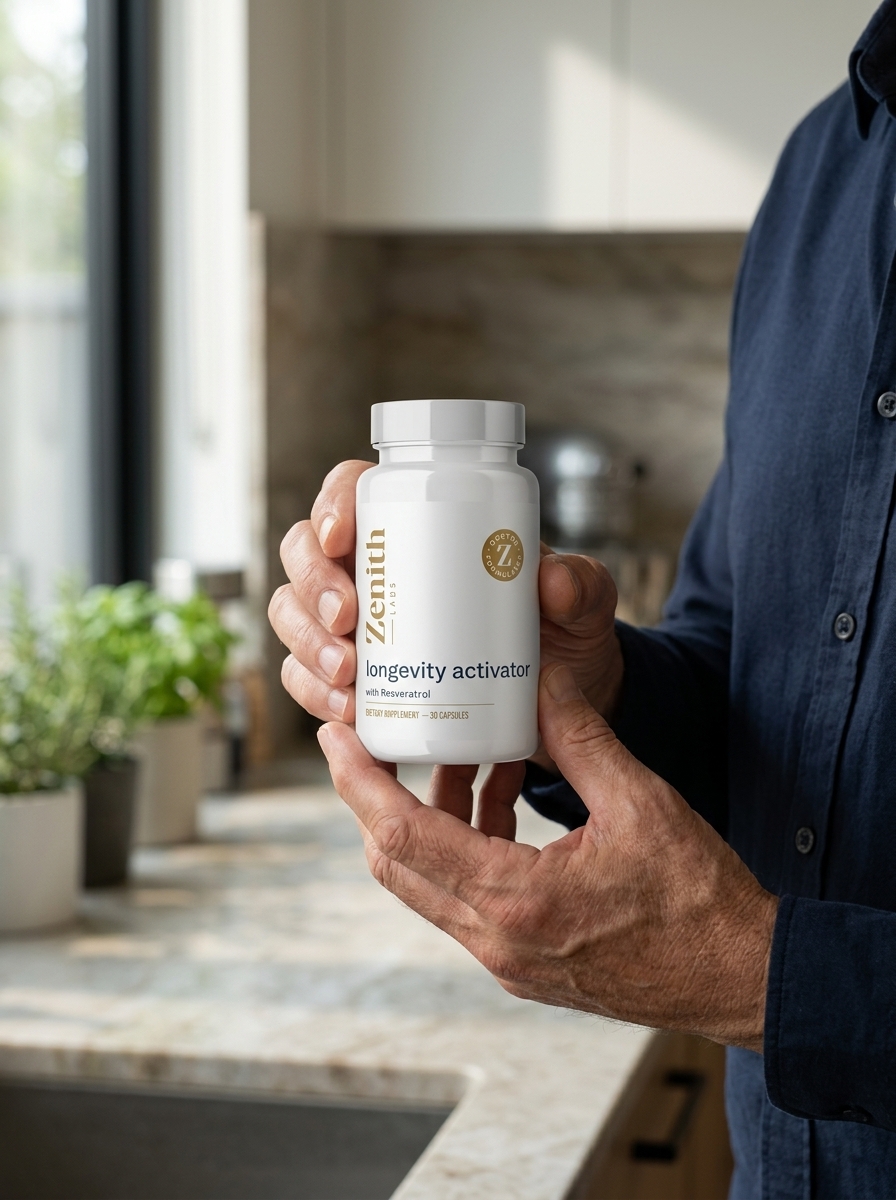
This is where Longevity Activator entered my routine. Unlike single-nutrient supplements that target one pathway, this formula approaches cellular health from multiple angles. It combines anti-inflammatory compounds with nutrients that support mitochondrial function and cellular repair—exactly the kind of comprehensive support that aging eye tissues need.
What appealed to me about this approach was its recognition that vision problems often reflect broader cellular health challenges. When your cells are functioning optimally, your eyes have the support they need to maintain clarity and comfort throughout long days.
Your eyes work hard every day—give them premium support.
The Shift I Didn’t Expect

The changes weren’t immediate, which actually gave me more confidence in what was happening. Real cellular improvements take time—usually several weeks to become noticeable. But somewhere around the six-week mark, I realized I’d spent an entire afternoon reading without once reaching for my glasses or rubbing my temples.
The first thing I noticed was improved comfort during screen time. That gritty, dry feeling that used to set in after an hour of computer work became less frequent, then rare. My eyes felt more resilient, more capable of maintaining focus without the constant low-level strain I’d grown accustomed to.
But the change that surprised me most was visual. Colors appeared more vibrant, edges seemed sharper, and that gauzy quality I’d attributed to aging began to lift.
It wasn’t like getting new prescription glasses—it was subtler but more fundamental, like someone had cleaned a window I didn’t realize was dusty.
Support Your Cellular Vision
When your cells thrive, your eyes find their clarity again naturally.
Eye strain often signals that your cellular support systems need attention. Longevity Activator provides comprehensive nutrition that addresses inflammation while supporting the mitochondrial function your eyes need for optimal comfort and clarity. Real cellular improvements take time, but the results speak for themselves.
- ✓ Energy without afternoon eye fatigue
- ✓ Comfortable screen time that lasts
- ✓ Visual clarity that feels natural again
The Energy Connection

What I hadn’t anticipated was how much my overall energy would improve alongside my vision. Apparently, when your eyes aren’t working overtime to maintain basic function, it frees up resources for everything else. Those afternoon headaches disappeared. The end-of-day fatigue that I’d blamed on work stress lessened considerably.
I started to understand that eye strain isn’t just about eyes—it’s about the energy cost of struggling to see clearly all day long. When that struggle eases, when your visual system operates more efficiently, you feel the difference throughout your entire body. It’s like upgrading from a car that constantly needs repairs to one that runs smoothly; suddenly you have energy for other things.
The improvement in my sleep quality was another unexpected benefit. Apparently, the cellular inflammation that was affecting my eyes was also impacting my body’s ability to fully rest and repair overnight. As that inflammation decreased, my sleep became more restorative, which further supported the healing process.
Experience what happens when your cells have everything they need.
Why This Approach Makes Sense

Looking back, I wish I’d understood sooner that vision changes with age aren’t inevitable decline—they’re often signs that your cellular support systems need attention. The eyes are among the most metabolically active tissues in your body. They require enormous amounts of energy to function properly, and they’re particularly vulnerable to inflammation and oxidative stress.
When you provide comprehensive cellular support—the kind that addresses inflammation, supports mitochondrial function, and promotes cellular repair—you’re giving your eyes what they need to maintain optimal function. It’s not about reversing time; it’s about supporting the biological processes that keep your vision clear and comfortable.
This is why Longevity Activator became central to my daily routine. It’s not specifically an eye supplement, but its comprehensive approach to cellular health creates the optimal environment for visual wellness. Every cell in your body, including the specialized cells in your eyes, benefits when inflammation is controlled and energy production is optimized.
Join others who’ve found lasting relief through cellular wellness.
Where I Am Now

Six months later, reading is a pleasure again rather than a chore. I still use reading glasses occasionally for very small print, but that desperate squinting, that feeling of fighting my own vision, has become a memory. Computer work no longer leaves me feeling like I’ve been staring into bright lights all day.
More importantly, I’ve learned to think about eye health as part of total body wellness. The same cellular processes that keep your heart strong and your mind sharp also maintain clear, comfortable vision. When you support those processes comprehensively, the benefits extend far beyond what you initially hoped to address.
The morning routine that includes Longevity Activator has become as automatic as brushing my teeth, because I’ve experienced firsthand what happens when your cells have the support they need to function optimally. My eyes feel strong again, resilient again, ready for whatever the day demands. And that feeling of visual confidence—the ability to trust your eyes to deliver clear, comfortable vision—is worth more than I realized when I was gradually losing it.
Written by Elias Menden — for those who seek clarity
Ready to feel the difference this formula makes?