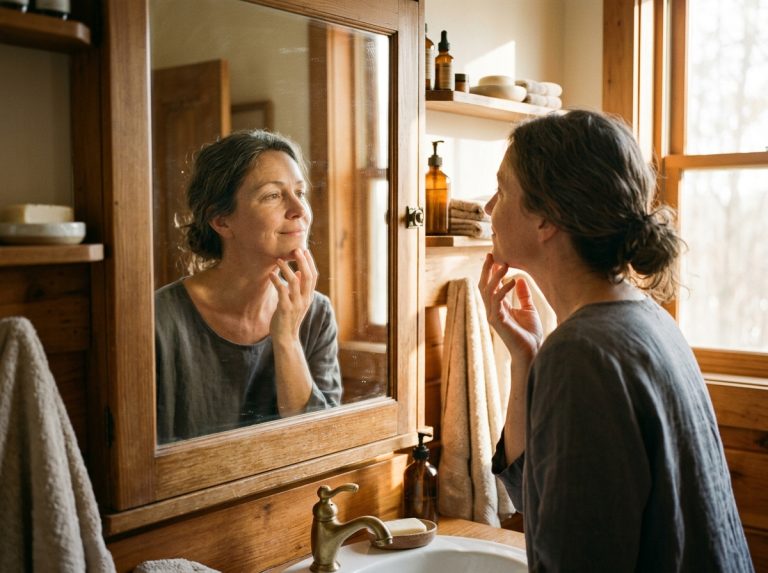
The morning I realized my thirty-year commitment to plant-based living might be missing something crucial, I was standing in my kitchen, watching steam rise from my usual green smoothie. At fifty-two, I’d been vegan for over half my life — passionate about the ethics, proud of my choices, confident in my health. But lately, something felt different. Not wrong, exactly. Just… incomplete.
It started with small things. The way my skin looked a little less luminous in natural light. How my energy, while still good, didn’t have that vibrant edge it once did. The subtle sense that my body was working harder to maintain what used to feel effortless. I’d attributed it to age, to stress, to the inevitable passage of time. But what if there was more to it?
That morning, staring into my reflection in the window above the sink, I knew I needed to look deeper.
Not at my diet’s ethics or even its immediate health benefits, but at something more fundamental: what was happening inside my cells, and whether my plant-based choices were truly supporting the kind of aging I wanted to experience.
The Cellular Reality Most Plant-Based Advocates Don’t Discuss
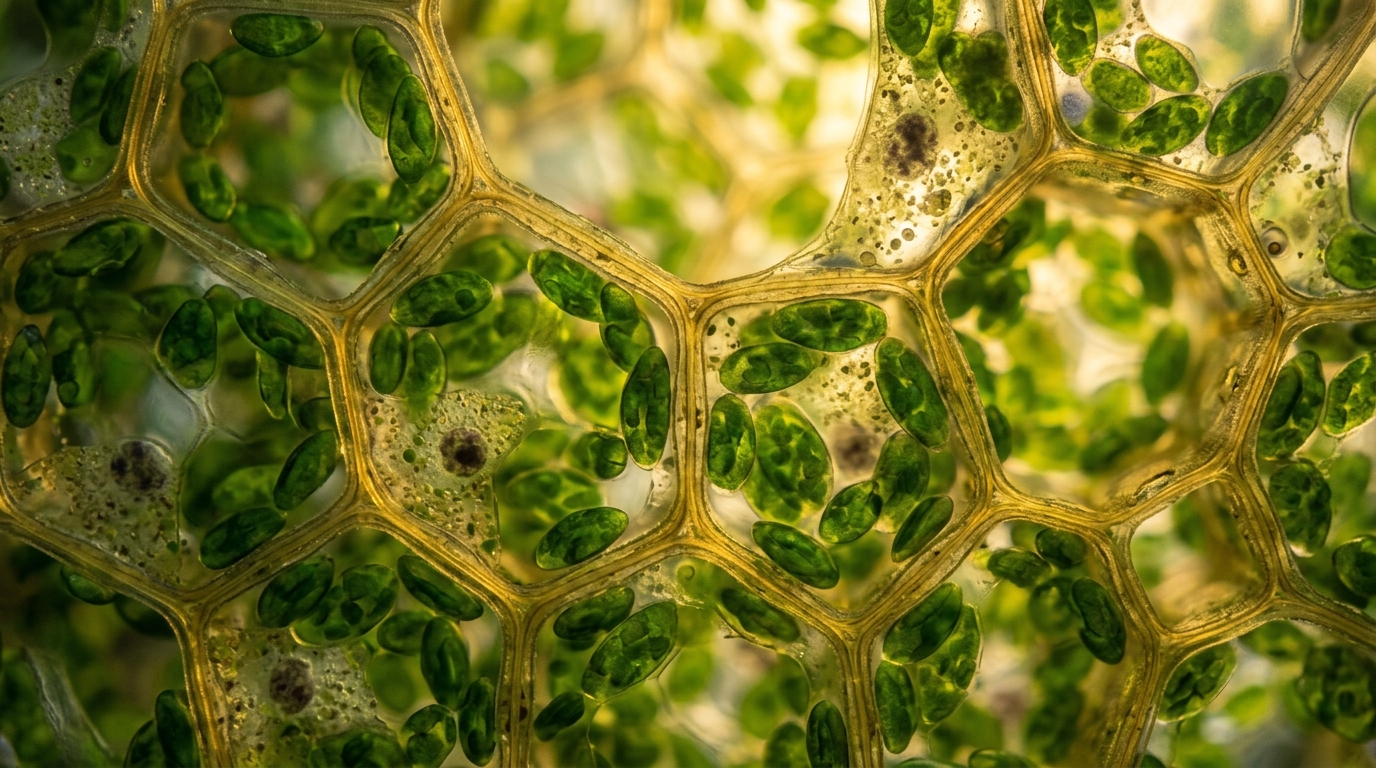
The conversation around vegan longevity tends to focus on the big picture — lower rates of heart disease, reduced cancer risk, improved metabolic markers. All true, all important. But there’s a more intimate story happening at the cellular level that doesn’t get the same attention, perhaps because it’s more complex and less comfortable to address.
Our cells age through a process that’s part genetics, part environment, and part the quality of the building blocks we provide them. When we choose plant-based living, we flood our bodies with antioxidants, fiber, and phytonutrients that support cellular health in profound ways. But we also create gaps — particularly in the realm of membrane-supporting compounds and the cellular energy production systems that determine how gracefully we age.
I learned this not from any plant-based guru or nutrition textbook, but from my own body’s gentle insistence that something was missing. The kind of missing you feel in your bones, in the quality of your sleep, in the way your mind feels slightly less sharp at the end of long days. It wasn’t deficiency in the clinical sense. It was more like… incompleteness.
Ready to discover what your cells have been waiting for?
Where the Membrane Story Gets Complicated
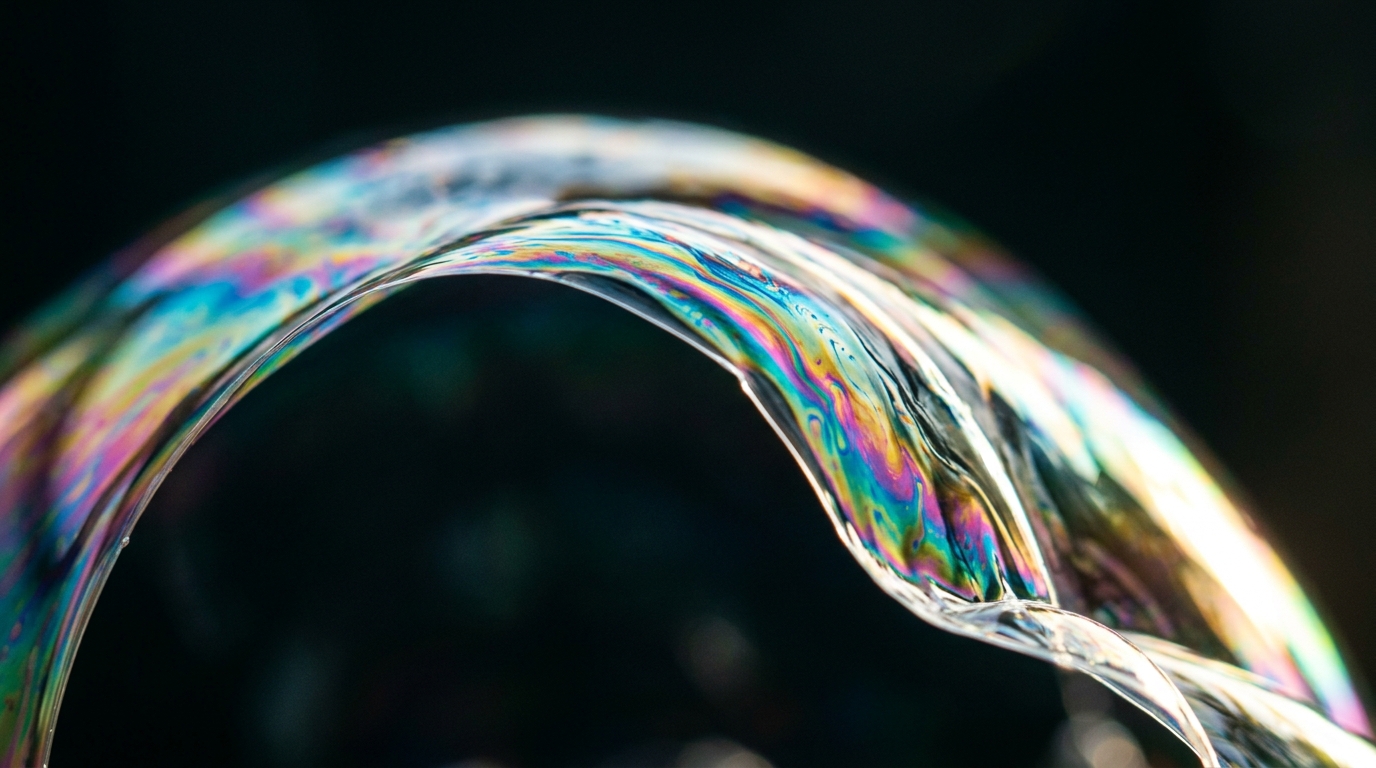
Cell membranes are like the skin of every cell in your body — they determine what gets in, what stays out, and how efficiently everything functions. When membranes are healthy and flexible, cells communicate clearly, nutrients flow smoothly, and waste products exit without struggle. When membranes become rigid or damaged, everything slows down. Aging, at its most basic level, is often about membrane health.
Plant-based diets provide many membrane-supporting compounds, but they don’t provide all of them in the forms our bodies can use most efficiently. This isn’t a failure of plant-based eating — it’s simply a reality that requires awareness and sometimes, thoughtful supplementation.
The breakthrough for me came when I started thinking about cellular longevity not just in terms of what I was avoiding, but in terms of what I was actively providing my cells to thrive over decades.
That shift in perspective changed everything.
Give your plant-based lifestyle the precision it deserves.
The Mitochondrial Connection to Graceful Aging

If cell membranes are like skin, mitochondria are like tiny power plants inside each cell. They’re where energy gets made, where the spark of cellular vitality either flourishes or fades. And here’s what I discovered: the health of your mitochondria largely determines how you age, how you feel, and how resilient you remain as the years pass.
Mitochondria are also uniquely vulnerable. They’re constantly producing energy, which means they’re constantly exposed to oxidative stress — the cellular equivalent of rust. Over time, this stress accumulates, and mitochondrial function declines. You feel it as fatigue, mental fog, slower recovery, and that general sense that your body isn’t quite keeping up with your mind.
Plant-based diets provide some mitochondrial support through antioxidants and anti-inflammatory compounds, but they don’t provide everything these cellular powerhouses need to maintain peak function over decades. This is where the conversation gets more nuanced, and where I realized I needed to expand my approach to plant-based longevity.
Transform how your body ages from the inside out.
The Morning That Changed My Approach to Cellular Health
I remember the exact moment I decided to try Mitolyn. I was researching mitochondrial health supplements, specifically looking for something that would support my plant-based lifestyle rather than replace it, when I came across the research on astaxanthin and cellular membrane protection. The science was compelling, but what really caught my attention was how targeted it was — not trying to be everything to everyone, but focused specifically on the cellular processes that determine how gracefully we age.
Astaxanthin is one of nature’s most potent antioxidants, with a unique ability to position itself across cell membranes and protect them from both inside and outside. It’s what gives salmon and flamingos their pink color, and what helps them maintain incredible endurance and vitality. But more importantly for someone like me, it supports the exact cellular processes that plant-based diets sometimes miss.
The decision felt right in a way that supplementation hadn’t felt right before.
This wasn’t about fixing a deficiency or adding something foreign to my plant-based approach. This was about supporting the cellular foundation that makes everything else — all the beautiful plant nutrients, all the ethical choices, all the longevity benefits — work more effectively.

Cellular Support That Actually Works
When plant-based living meets precision nutrition, aging transforms into thriving.
Mitolyn delivers targeted astaxanthin and mitochondrial support that fills the gaps even the healthiest plant-based diet can’t address alone. Support your cellular foundations while honoring your values. Your future self will thank you for the precision you choose today.
- ✓ Energy that feels deep and sustainable
- ✓ Skin that radiates from within
- ✓ Recovery that surprises you
When Cellular Support Meets Plant-Based Wisdom

Three months into taking Mitolyn, I started noticing changes that were subtle but unmistakable. My energy had a different quality — not the jittery boost of caffeine or sugar, but a deeper, more sustainable vitality that lasted throughout the day. My skin looked clearer, more radiant, with a luminosity that reminded me of how I looked in my thirties.
But the most significant change was in my recovery. Whether from workouts, stressful days, or just the accumulated fatigue of busy weeks, my body seemed to bounce back more quickly, more completely. Sleep felt more restorative. Morning alertness came more naturally. Even my mood felt more stable, less susceptible to the small stressors that used to throw me off balance.
It wasn’t dramatic — this isn’t the kind of transformation that happens overnight or announces itself loudly. It was more like watching a plant that’s been struggling suddenly begin to thrive when you finally give it the right kind of light. Everything I was already doing well continued to work, but now it worked better, more efficiently, with greater sustainability.
Experience what cellular vitality feels like in your daily life.
The Longevity Picture That Actually Makes Sense
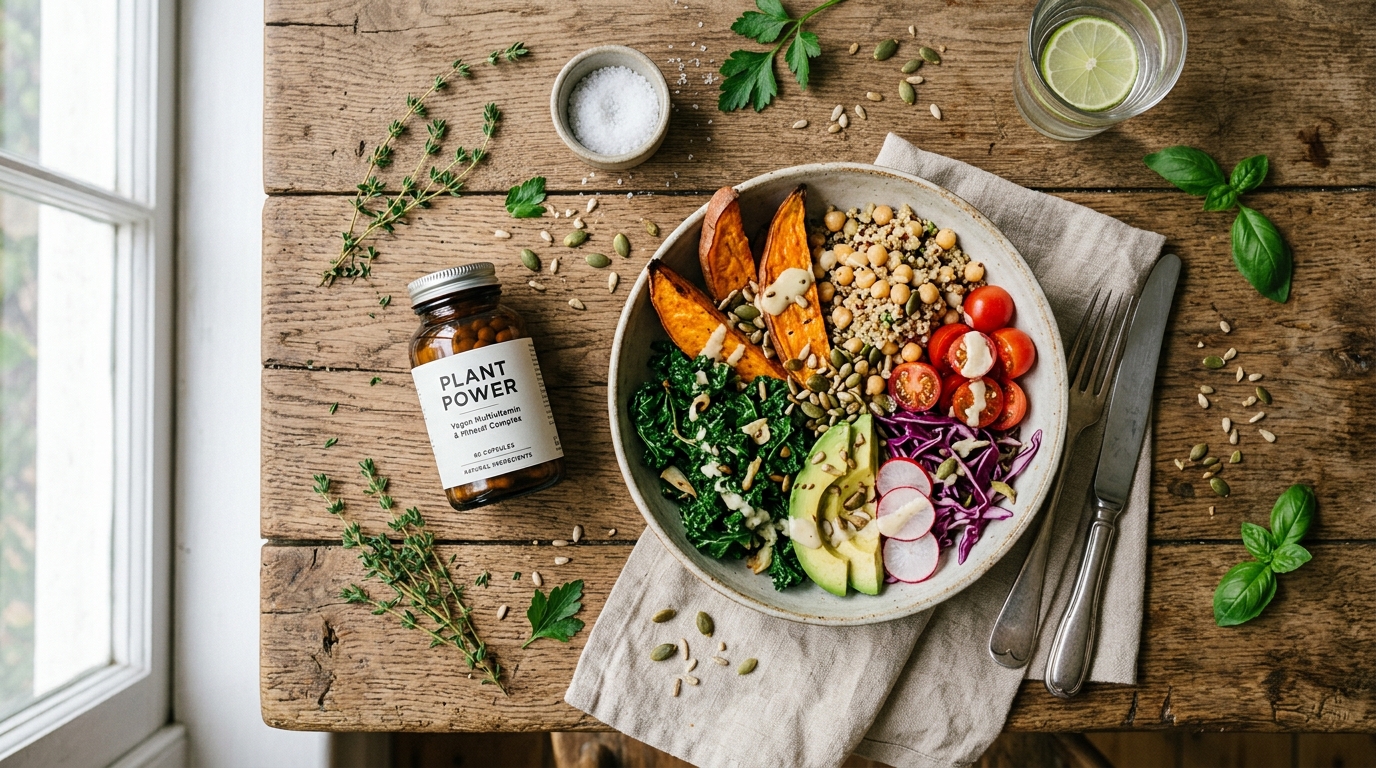
Here’s what I’ve learned about plant-based longevity: it’s not just about avoiding the wrong things or even eating the right things. It’s about understanding that cellular health is multifaceted, and that true longevity happens when we support our bodies at every level — from the foods we choose to the targeted nutrients that fill in the gaps those foods can’t address.
Mitolyn became part of my longevity strategy not because plant-based eating wasn’t working, but because it was working so well that I wanted to optimize it further. The astaxanthin supports the membrane health that allows all my beautiful plant nutrients to work more effectively. The mitochondrial support ensures that my cells can actually use all that good nutrition to produce sustained energy and resilience.
This feels like the mature approach to plant-based longevity — one that honors both the wisdom of choosing plants and the reality that our bodies have evolved to need certain compounds that plants don’t always provide in optimal forms or amounts. It’s not about abandoning plant-based principles; it’s about supporting them with precision and intelligence.
Support your longevity with the precision your body craves.
The Kind of Aging That Feels Like Thriving
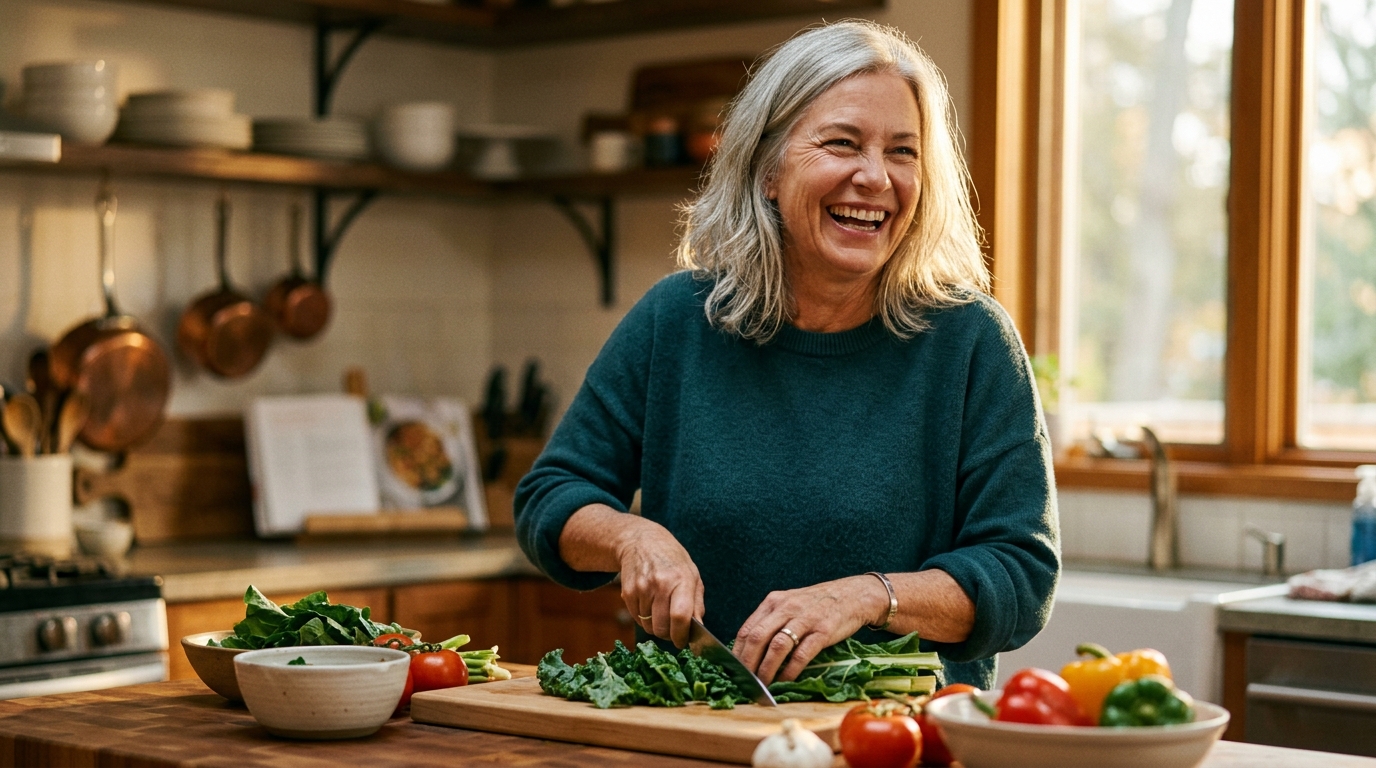
Six months later, I look at aging differently. Not as something to fight or fear, but as a process I can influence through conscious choices about what I put into my body and how I support my cells’ fundamental processes. The plant-based foundation remains unchanged — I still believe in the power of whole foods, the importance of phytonutrients, and the ethical beauty of choosing plants.
But now there’s an additional layer of support that makes everything work better. My plant-based meals nourish me more completely because my cells are better equipped to receive and use those nutrients. My energy is more stable because my mitochondria are functioning optimally. My skin reflects not just good genetics or good luck, but genuine cellular health that radiates from the inside out.
This is what plant-based longevity can look like when we approach it with both passion and precision — honoring our values while supporting our biology in ways that make those values sustainable over decades. It’s not about perfection or purity; it’s about wisdom, integration, and the kind of cellular support that lets us age with grace, energy, and joy.
Every morning now, as I prepare my green smoothie and take my Mitolyn, I feel like I’m participating in my own longevity in a way that’s both deeply ethical and profoundly practical. This is how I want to age — consciously, vibrantly, with my plant-based values intact and my cellular health optimized. This is what it feels like when ethics meets biology, and both flourish together.
Written by Liora Menden — for those who seek vibrant longevity
Your future self is waiting for this level of cellular care.