I used to stand in my kitchen at 7 AM, blending spinach and berries, wondering if this green smoothie was enough. Not just enough calories or enough flavor, but enough everything — enough iron, enough B vitamins, enough of whatever my cells needed to feel truly alive.
The question wasn’t whether plant-based eating was healthy. I knew it was. The question was whether I was doing it right, whether my body was actually absorbing what I was giving it, and why I still felt like something was missing despite eating more vegetables than I ever had in my life.
If you’ve chosen plants and found yourself caught between the joy of ethical eating and the quiet worry that you might be missing something essential, you’re not alone.
There’s a space between deficiency and optimization that many of us live in — where blood tests come back normal but energy feels inconsistent, where we’re eating all the right foods but wondering why we don’t feel as vibrant as we expected.
The Gap Between Intention and Absorption
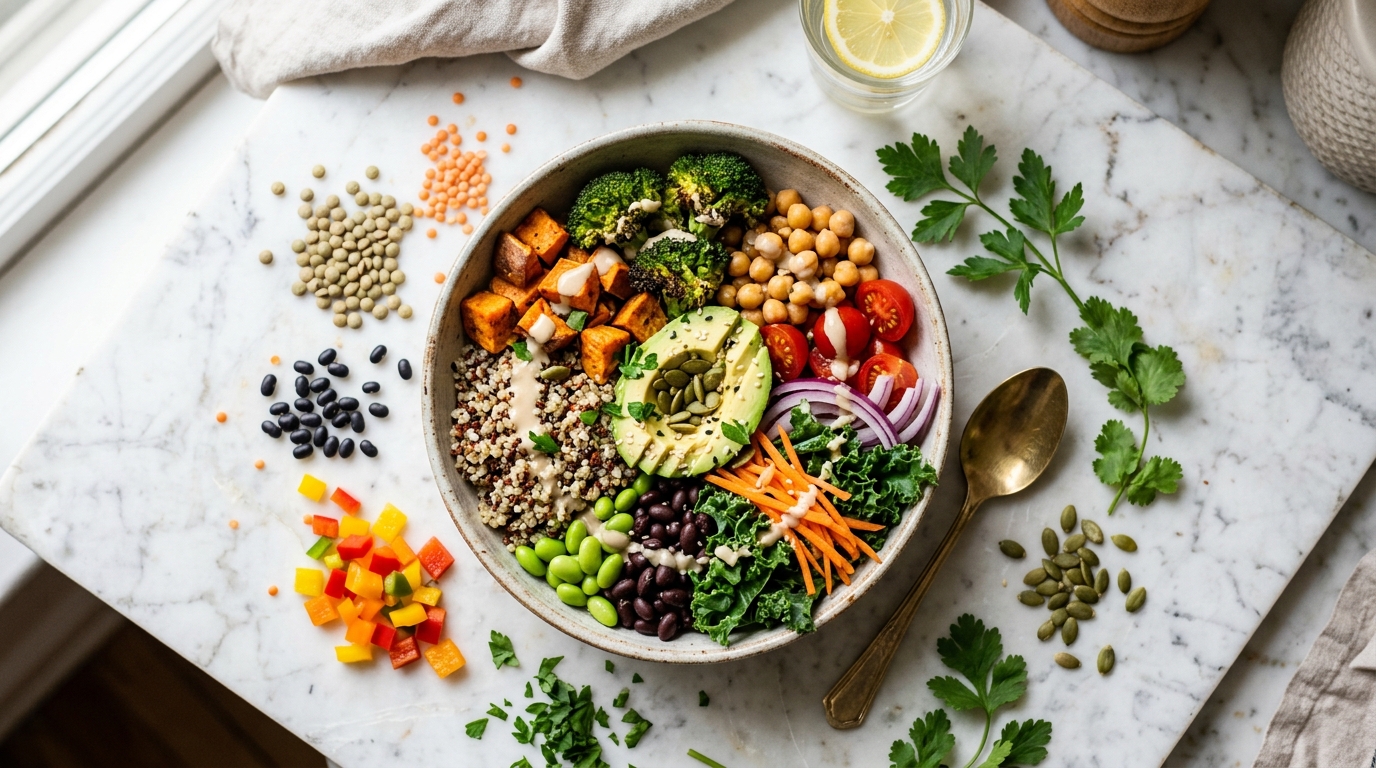
I learned something important about plant-based nutrition that changed how I think about nourishment entirely: it’s not just about what you eat, but how your cells actually use what you eat. You can consume all the iron-rich lentils and vitamin C-packed bell peppers in the world, but if your cellular machinery isn’t functioning optimally, you’re not getting the full benefit of your careful food choices.
This realization came to me during a particularly frustrating period when I was eating better than ever but feeling more tired than I had in months. My meals were beautiful — colorful Buddha bowls, nutrient-dense smoothies, perfectly balanced grain and legume combinations. But my body felt like it was running on half-speed, and I couldn’t understand why.
The issue wasn’t deficiency in the traditional sense. It was efficiency. My mitochondria — the cellular powerhouses that convert nutrients into usable energy — weren’t working at their full capacity. All those carefully chosen nutrients were arriving at my cells, but the conversion process from food to fuel wasn’t happening smoothly. It was like having premium gasoline but an engine that couldn’t fully utilize it.
This is where many plant-based eaters get stuck. We focus so much on getting enough of specific nutrients that we forget about the cellular infrastructure that makes those nutrients meaningful.
Ready to bridge the gap between eating plants and feeling truly energized?
Beyond the Usual Suspects
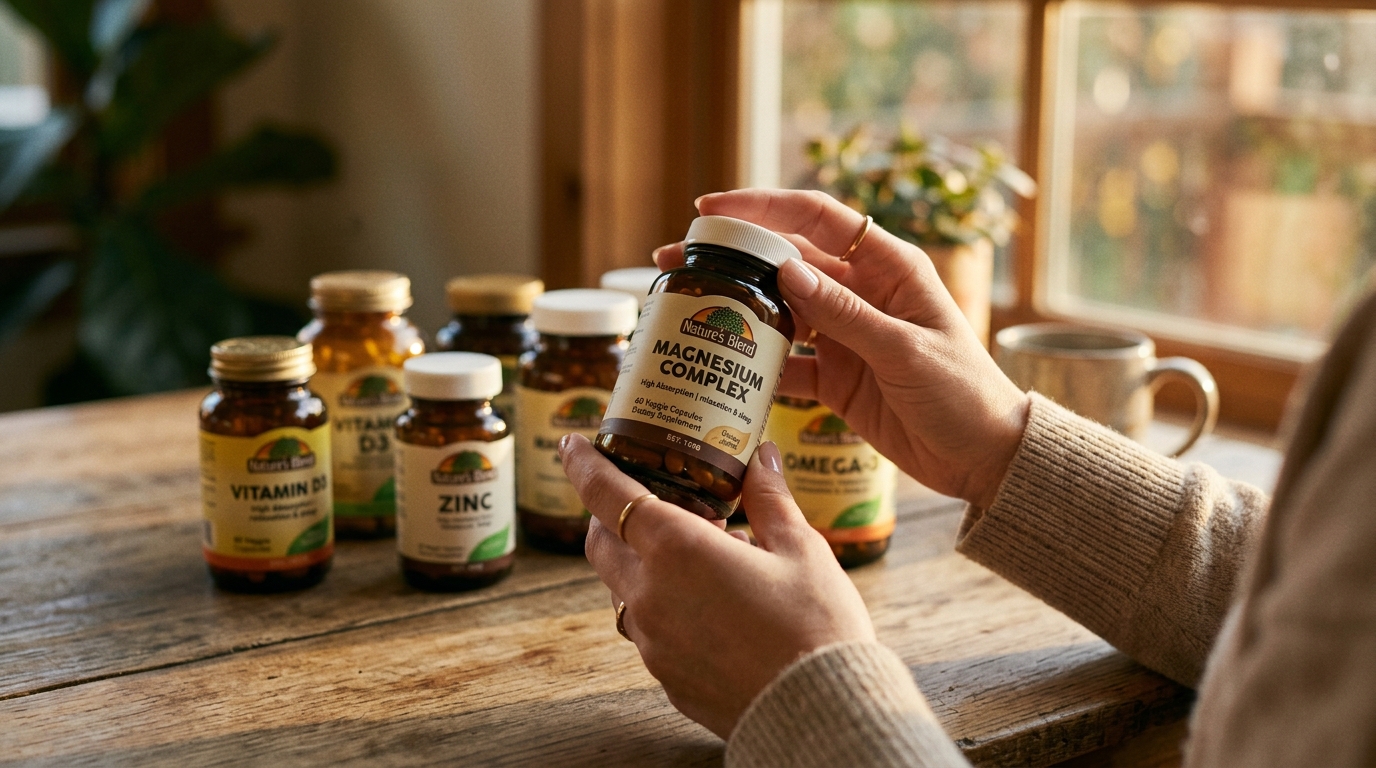
Everyone talks about B12 and iron when discussing plant-based nutrition, and yes, these matter. But there are layers to nutrient optimization that go deeper than supplementing the obvious gaps. The nutrients that make the biggest difference are often the ones that support your body’s ability to absorb and utilize everything else.
I started paying attention to how I felt at different times of day, not just whether I was getting enough protein or omega-3s. The afternoon slump that I’d attributed to needing more complex carbs or better meal timing was actually about cellular energy production.
When I shifted my focus from individual nutrients to cellular health, everything changed. Instead of just asking “am I getting enough iron?” I started asking “are my cells equipped to use the iron I’m giving them?” Instead of only thinking about protein combining, I started considering what my mitochondria needed to function optimally.
This approach led me to discover compounds like amla, which doesn’t just provide vitamin C but actually enhances nutrient absorption at the cellular level. It’s not about adding more nutrients; it’s about making the nutrients you’re already consuming work harder for you.
Discover what happens when your mitochondria work as hard as your nutrition plan.
The Energy Connection Nobody Talks About

There’s a conversation missing from most discussions about plant-based nutrition: the relationship between what you eat and how energized you actually feel. We talk about macronutrients and micronutrients, but we don’t talk enough about the cellular energy that makes you feel truly alive.
I noticed this gap most clearly in the late afternoon. My plant-based meals were satisfying and complete, but by 3 PM, I felt like I was dragging. Not hungry, exactly, but depleted in a way that another snack couldn’t fix. It was an energy issue, but not a caloric one.
Your mitochondria are responsible for turning the nutrients from your carefully chosen meals into ATP — the energy currency your cells actually use.
The realization shifted my entire approach to plant-based eating. Instead of just focusing on getting enough nutrients, I started focusing on supporting the cellular machinery that makes those nutrients useful.
Transform your afternoon energy dips into consistent cellular vitality throughout the day.
When Everything Changed

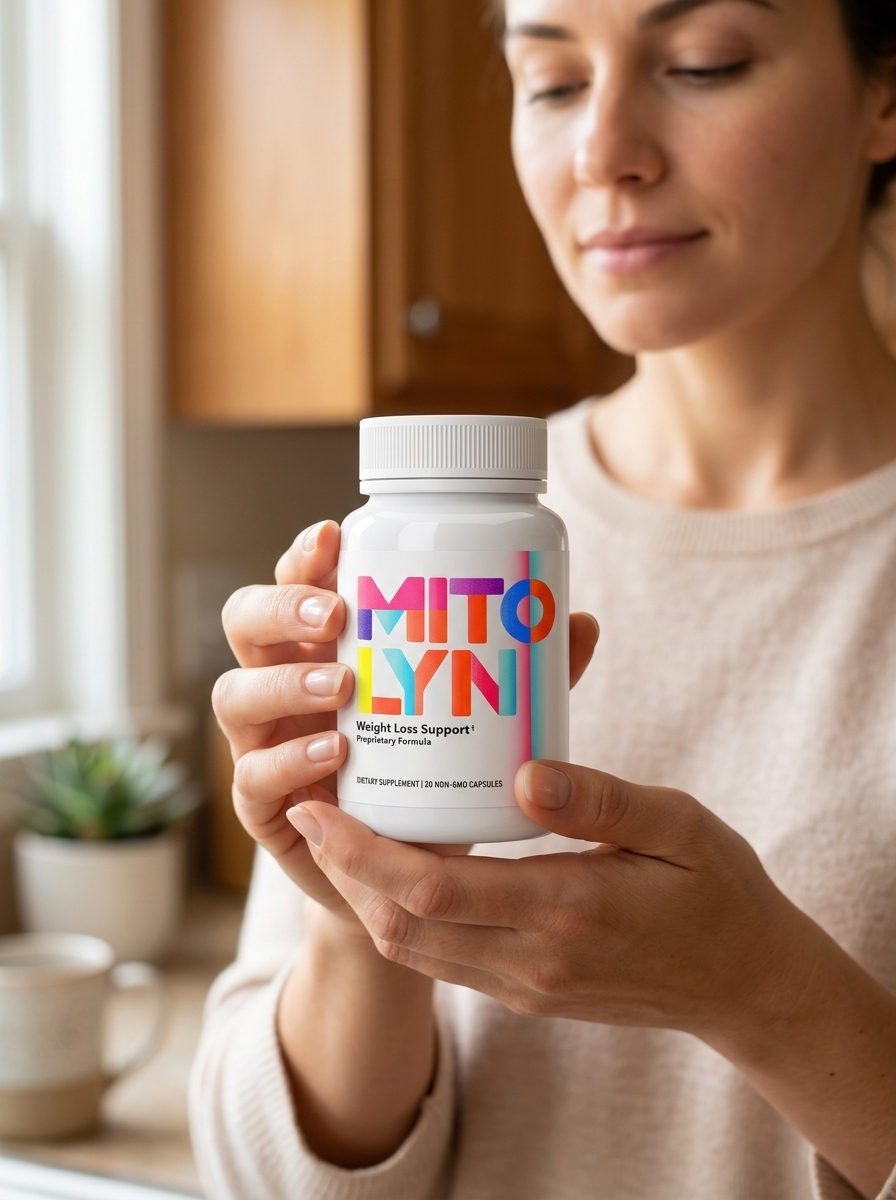
The turning point came when I started using Mitolyn as part of my daily routine. I wasn’t looking for another supplement — I was looking for something that would help my body actually use all the good food I was giving it. Mitolyn focuses specifically on mitochondrial support, which is exactly what I realized I’d been missing.
What I noticed first wasn’t dramatic, but it was consistent. The afternoon energy dips became less pronounced. My morning smoothie seemed to carry me further into the day. It wasn’t like flipping a switch; it was like gradually turning up the brightness on everything I was already doing right.
The amla in Mitolyn was particularly important for my plant-based approach because it enhanced nutrient absorption. Instead of just relying on food combinations to maximize absorption — like eating vitamin C with iron-rich foods — I was supporting absorption at the cellular level. All those carefully planned meals were finally getting the cellular infrastructure they deserved.
After a few weeks, I realized I’d stopped worrying about whether I was getting enough of everything. Not because I was being careless, but because my body felt like it was actually using what I was giving it.
Support the cellular foundation that makes every plant-based choice more powerful.
The Absorption Advantage
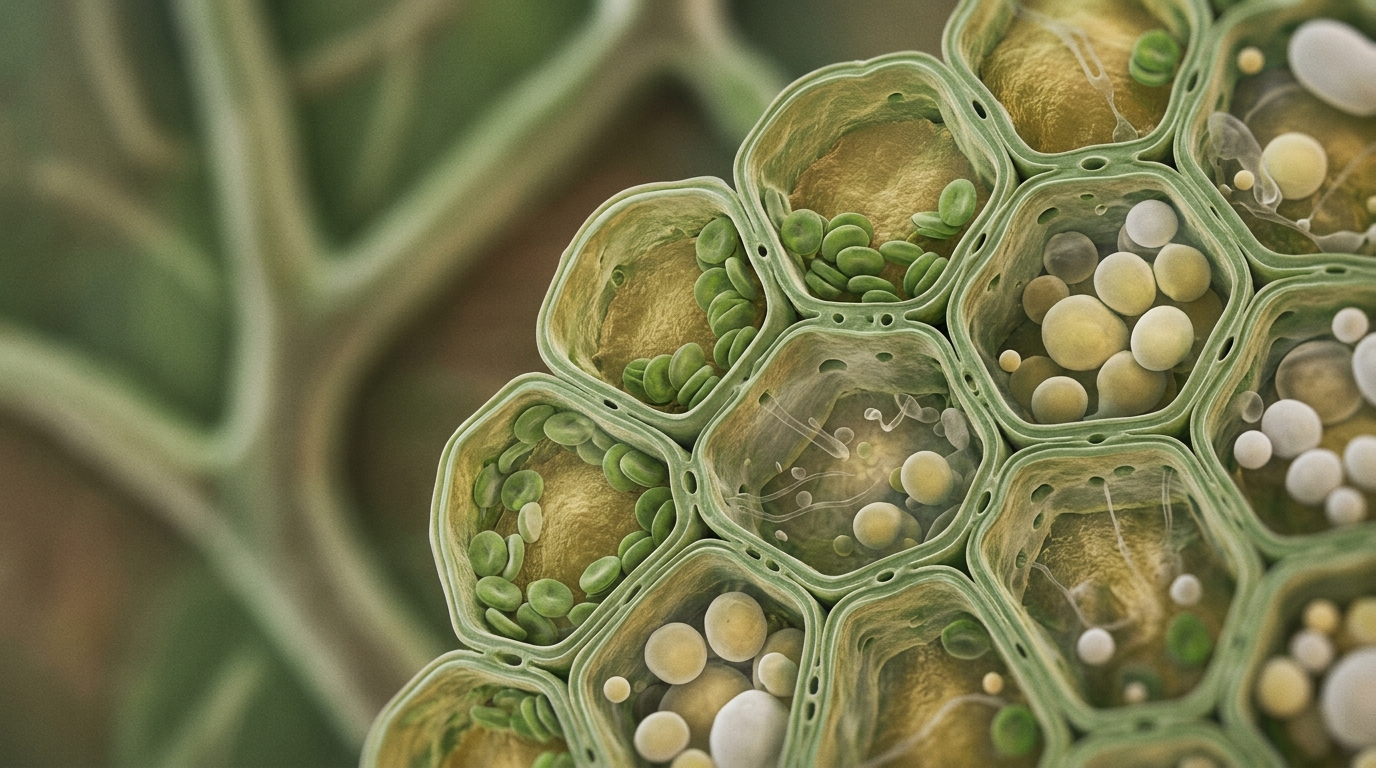
One of the most significant shifts was understanding that plant-based eating isn’t just about choosing the right foods — it’s about creating the right internal environment for those foods to be fully utilized. This is where many of us get stuck. We focus on intake without considering uptake.
Plant foods often have compounds that can interfere with nutrient absorption — phytates in grains and legumes, oxalates in leafy greens, tannins in tea and coffee. These aren’t bad compounds; they’re just part of the plant package. But they mean that getting nutrients from plants requires more sophisticated cellular machinery than getting nutrients from animal products.
Supporting mitochondrial health helped bridge this gap. When my cells were functioning optimally, they were better equipped to extract and utilize nutrients from plant sources, even in the presence of these natural absorption inhibitors.
The difference was most noticeable in my energy levels throughout the day — instead of the energy rollercoaster that had become my normal, I had more consistent vitality.
Unlock Plant-Based Vitality
Transform how your cells use every nutrient from your carefully chosen meals.
Mitolyn supports your mitochondria — the cellular powerhouses that convert plant nutrients into lasting energy. With amla for enhanced absorption, it bridges the gap between eating well and feeling truly vibrant. Finally, cellular support that matches your plant-based commitment.
- ✓ Sustained energy without afternoon crashes
- ✓ Enhanced nutrient absorption from plant foods
- ✓ Mental clarity that matches your values
Beyond Supplementation

Supporting cellular health changed how I thought about everything else I was doing for my plant-based nutrition. Food combining became more intuitive rather than rigid. I still paired vitamin C with iron-rich foods, but I wasn’t anxious about it because I knew my cells were equipped to make the most of whatever combinations I created.
Meal timing became less critical. When your mitochondria are functioning well, your body is better at maintaining stable energy levels regardless of when you eat. The constant mental load of nutritional perfectionism lifted.
Even my relationship with plant-based protein changed. Instead of meticulously combining amino acids at every meal, I trusted that my cells were efficient enough to utilize the amino acids I was getting throughout the day.
This doesn’t mean I became careless about nutrition. If anything, I became more intuitive about it. When your cells are functioning optimally, your body’s natural hunger and craving signals become more reliable.
Move beyond nutritional anxiety into the confidence of cellular optimization.
The Vitality Nobody Expected

Six months into supporting my mitochondrial health alongside my plant-based eating, I realized something had shifted that I hadn’t been looking for: mental clarity. The slight haziness that I’d attributed to needing more omega-3s or B vitamins was actually about cellular energy in my brain. When my mitochondria were working efficiently, my thoughts became sharper and more focused.
My skin changed too. Not dramatically, but in the way that happens when your cells are genuinely well-nourished rather than just adequately fed. There was a subtle glow that comes from cellular health rather than from topical products.
Exercise became more enjoyable. Plant-based eating had always given me good endurance, but now I had better recovery. Sleep improved in ways I hadn’t expected. Not the quantity — I was already sleeping seven to eight hours — but the quality.
Experience the mental clarity and energy that comes from thriving cells.
A Different Kind of Confidence

The most unexpected change was psychological. The quiet anxiety about whether my plant-based choices were truly sufficient dissolved into a deep confidence in my body’s ability to thrive. I stopped second-guessing every meal, stopped constantly researching new supplements, stopped wondering if I was missing something essential.
This confidence came from feeling genuinely vibrant rather than just avoiding deficiency. There’s a difference between being nutritionally adequate and being cellularly optimized, and once you experience the latter, you can’t go back to settling for the former.
I still pay attention to nutrition, but from a place of abundance rather than scarcity. Instead of worrying about what I might be lacking, I focus on what makes me feel most alive.
When people ask me about plant-based nutrition now, I don’t start with lists of nutrients to watch or supplements to take. I start with the understanding that your body is designed to thrive on plants, but only when your cellular machinery is working optimally. Everything else becomes much simpler when your foundation is cellular health.
Written by Liora Menden — for those who seek vibrant nourishment
Ready to feel the difference this formula makes?