At forty-two, Sarah noticed something that made her stomach drop. Not the lines around her eyes — those had been creeping in for years. It was the way her skin looked tired even when she wasn’t. Dull, like someone had turned down the brightness on a photograph. She’d been using the same skincare routine for months, the expensive one her dermatologist recommended, but her reflection seemed to be aging faster than the rest of her.
What Sarah didn’t know was that her skin wasn’t just losing moisture or elasticity. Deep inside her cells, her mitochondria — the tiny powerhouses that fuel every function in her body — were slowing down. And when cellular energy drops, skin aging accelerates in ways no cream can fix.
This is the truth most people miss about aging skin: it’s not really about what you put on your face. It’s about what’s happening at the cellular level, where energy is made and damage is repaired.
When that system starts failing, everything else follows.
When Your Cells Stop Making Enough Energy

Think about the last time you felt truly energized. Not caffeinated or temporarily alert, but genuinely vibrant from the inside out. If you have to think hard about it, your mitochondria might be trying to tell you something. These microscopic structures inside your cells are responsible for producing the energy currency your body runs on — ATP. When they’re working efficiently, your skin repairs itself overnight, produces collagen naturally, and maintains that healthy glow that no highlighter can replicate.
But mitochondria are sensitive. They slow down with age, stress, poor nutrition, and environmental damage. By your forties, you might have lost thirty percent of your mitochondrial function. By your sixties, it could be fifty percent or more.
Your skin cells, which turn over rapidly and need constant energy for repair and regeneration, are among the first to show the effects. Sarah’s dull complexion wasn’t just skin-deep. It was energy-deep. Her cells were running on empty, trying to maintain normal function with insufficient fuel. The result showed up in her mirror every morning — skin that looked as tired as she felt.
Ready to support your cellular powerhouses the way they deserve?
Why Surface Solutions Only Go So Deep

The skincare industry has convinced us that aging happens from the outside in. Sun damage, pollution, harsh cleansers — these external factors certainly play a role. But the most significant aging process happens inside your cells, where decreased energy production leads to slower repair, reduced collagen synthesis, and compromised cellular renewal. This is why you can use the most advanced retinol, the richest moisturizer, the most potent vitamin C serum, and still watch your skin lose vitality over time.
You’re treating the symptoms while the root cause — cellular energy decline — continues unchecked. It’s like trying to fix a flickering light by changing the lampshade instead of checking the electrical connection.
When Sarah’s dermatologist suggested adding another serum to her routine, she felt something shift. Not excitement about a new product, but a quiet recognition that she was chasing the wrong target. Her skin didn’t need more ingredients on top. It needed more energy underneath.
Tired of surface solutions that only scratch the surface?
The Signal Your Body Has Been Sending

Skin aging rarely happens in isolation. If you’re noticing changes in your complexion, you’re probably experiencing other signs of cellular energy decline too. Maybe you don’t recover from workouts like you used to. Maybe you need more sleep but feel less rested. Maybe your afternoon energy crash has become as predictable as your morning coffee. These aren’t separate issues requiring separate solutions.
They’re all connected to the same underlying process: mitochondrial dysfunction. Your skin, your muscles, your brain, your organs — they all depend on cellular energy to function optimally.
When that energy production drops, everything suffers together.
Sarah started paying attention to patterns. The weeks when she felt most tired were the weeks her skin looked worst. The mornings when she woke up feeling restored were the mornings her complexion had a natural radiance. Her body had been telling her the same story in multiple languages, and she was finally listening.
Your body has been sending signals — are you ready to listen?
What Actually Supports Cellular Energy

Real change happens when you address the source, not just the surface. Supporting your mitochondria means giving them the nutrients they need to produce energy efficiently. This isn’t about taking more vitamins or trying another supplement trend. It’s about understanding which specific compounds your cellular powerhouses require to function at their best. Mitochondria need cofactors to convert nutrients into usable energy. They need antioxidants to protect against damage during that process. They need building blocks to maintain and repair their own structures.
Most importantly, they need these nutrients in forms your body can actually absorb and use at the cellular level.
This is where targeted mitochondrial support makes a difference. Not just any supplement, but one specifically designed to deliver the precise nutrients your cellular energy systems require. Sarah discovered this approach after months of feeling like she was applying band-aids to a deeper problem.
Give your cells what they need to thrive at every level
The Supplement That Changed Everything

Sarah found Mitolyn during a late-night research session, the kind where you’ve fallen down an internet rabbit hole about cellular aging and mitochondrial function. Unlike the generic energy supplements she’d tried before, Mitolyn was formulated specifically to support mitochondrial health with clinically studied ingredients that actually reach your cells. The difference wasn’t immediate — real cellular support takes time to build.
But within a few weeks, Sarah noticed she wasn’t reaching for her afternoon coffee quite as desperately. Her workouts felt more sustainable. She started sleeping more deeply, waking up feeling like her body had actually used those hours to repair and restore.
Then came the morning she looked in the mirror and didn’t immediately notice what was wrong with her skin. Instead, she noticed what was right.
A subtle brightness that seemed to come from within. The kind of healthy glow that no amount of skincare could create because it wasn’t coming from the surface — it was coming from cells that finally had enough energy to do their job properly.
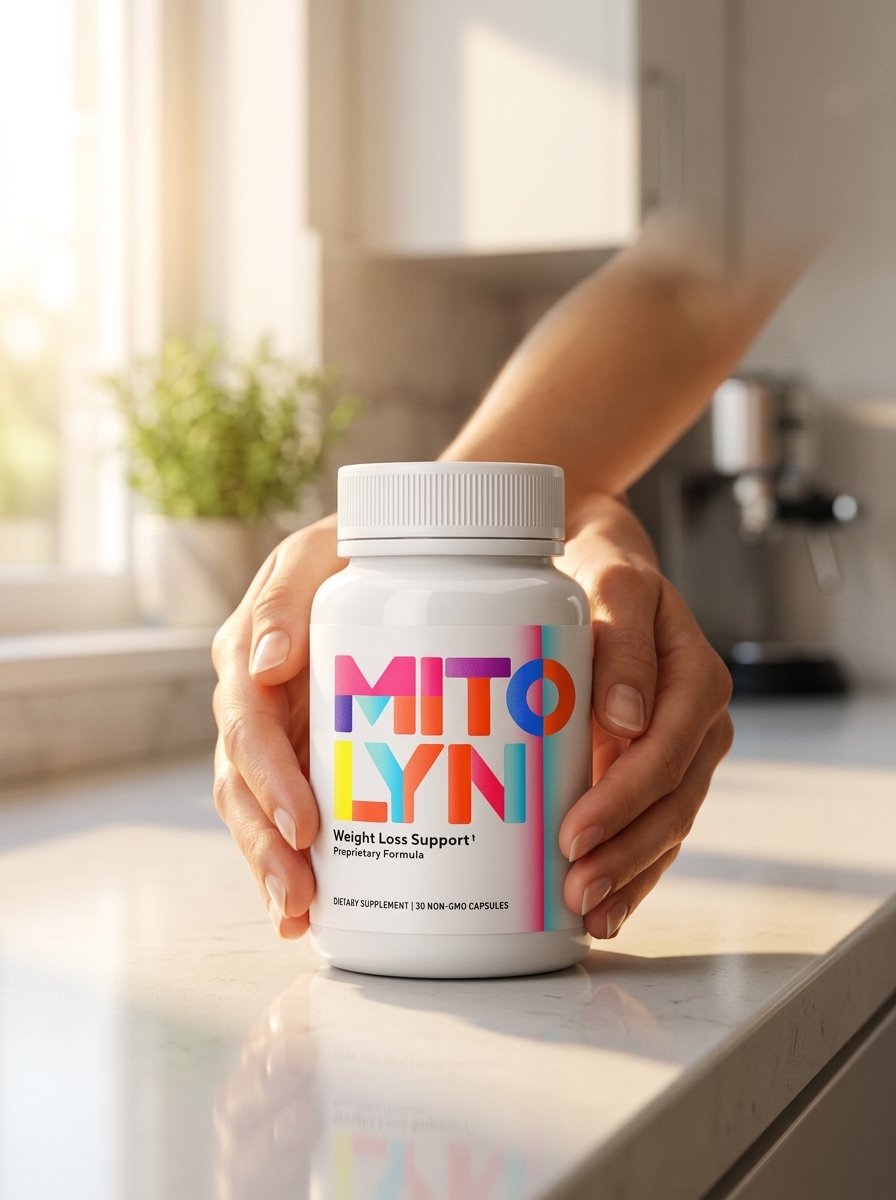
Cellular Energy That Shows
When your mitochondria thrive, your skin glows from within.
Mitolyn delivers clinically studied nutrients directly to your cellular powerhouses. Support mitochondrial function for natural energy production, enhanced skin repair, and the vitality that radiates outward. Real cellular support takes time to build — but the results speak for themselves.
- ✓ Energy that sustains without crashing
- ✓ Skin that repairs itself overnight
- ✓ Vitality you can feel and see
When Your Cells Have What They Need

Supporting your mitochondria doesn’t just change how your skin looks — it changes how everything feels. When your cells can produce energy efficiently, your skin repairs itself more effectively overnight. Collagen production increases naturally. The cellular turnover that keeps your complexion fresh and bright starts happening at the pace it’s supposed to. But the benefits go beyond skin-deep.
Your muscles recover faster from exercise. Your brain feels clearer and more focused. Your energy levels become more stable throughout the day because your body is producing fuel efficiently rather than struggling with damaged or insufficient cellular machinery.
Sarah noticed these changes gradually, then all at once. The afternoon energy crashes became rare. Her workouts became something she looked forward to rather than pushed through. Her skin began reflecting the vitality she was starting to feel inside — not because she’d found the perfect serum, but because she’d finally addressed what was happening beneath the surface.
Experience what happens when your mitochondria have everything they need
The Difference Between Quick Fixes and Real Solutions

There’s a fundamental difference between covering up the signs of cellular aging and actually slowing the process. Quick fixes work on the surface and deliver temporary results. Real solutions work at the cellular level and create sustainable change that shows up in your mirror, your energy levels, your recovery, and your overall sense of vitality. This doesn’t mean abandoning skincare entirely. A good moisturizer, gentle cleansing, and sun protection still matter.
But when your cells have the energy they need to function optimally, those surface treatments become more effective because they’re supporting skin that’s already healthy from the inside out.
Sarah still uses her dermatologist-recommended routine, but now it feels like maintenance rather than damage control. Her skin has something to work with — cellular energy that powers repair, regeneration, and that natural radiance that no product can fake.
Ready for energy and vitality that comes from within?
What Healthy Aging Actually Looks Like

Six months later, Sarah’s friends started asking what she’d done differently. Not because she looked artificially younger, but because she looked genuinely healthier. Her skin had a vitality that came from cells functioning at their best. Her energy was more consistent. She moved through her days with a sense of strength and resilience that had been gradually fading without her realizing it.
This is what healthy aging looks like: not trying to stop time, but supporting your body’s natural processes so they can work as efficiently as possible for as long as possible. It’s about giving your cells what they need to thrive, then letting that cellular health express itself in your skin, your energy, your strength, and your overall sense of well-being.
The mirror still doesn’t lie. But now it reflects something different — not just the passing of time, but the power of cellular energy working as it should.
When your mitochondria have what they need, everything else follows. Your skin, your vitality, your resilience, your confidence. It all starts with energy, made inside your cells, one mitochondrion at a time.
Written by Elias Menden — for those who seek cellular vitality
Ready to feel the difference this formula makes?