There is a kind of tiredness that no longer responds to the usual logic. You go to bed at a decent hour. You stay there long enough to call it a full night. You do the little responsible things people recommend. And yet morning still arrives like a demand you have not prepared for. The body wakes up, but it does not feel restored. It feels borrowed.
That was the shift that made me rethink recovery. I used to assume sleep and recovery were interchangeable. If I was in bed long enough, I told myself I should feel better. But a full night can still leave you empty when the nervous system does not settle, when stress keeps humming underneath, or when the body is so wired that sleep can become time passed rather than repair completed.
Once I saw it that way, I stopped measuring rest only by hours. I started paying attention to the texture of the morning. Did I wake up feeling present, or did I wake up feeling half-used already? Did my body feel rebuilt, or did it feel like it had simply paused? Those questions told me more, faster, than the clock did.
Why More Time in Bed Does Not Always Mean More Repair

Sleep duration matters, but it is not the whole story. A person can technically sleep long enough and still wake up feeling under-recovered if the night was restless, stress-heavy, or shallow in the places that matter most. The body needs more than unconsciousness. It needs permission to truly downshift.
That is why unrefreshing sleep can feel so confusing. You can do the obvious part, and the payoff still may not arrive. Morning still feels dim. The brain takes too long to come online. The body moves as if it has been carrying something through the night instead of setting it down.
For me, that realization was strangely relieving. If the problem was not laziness, then I could stop treating it like a personal flaw. Recovery had started to feel like a quality issue, not just a quantity issue.
The Nervous System Can Stay Busy Long After You Lie Down

One of the hardest parts of modern tiredness is that the body can look still while the nervous system stays crowded. Thoughts keep running, muscles rarely quite release, and the night can become a low-grade effort rather than a surrender. You wake up feeling as if some quiet part of you worked an overtime shift while you were supposed to be resting.
That matters because the first hour of the morning can be shaped by whatever the night failed to resolve. The nervous system does not magically become calm because the sun came up. If stress was still active while you slept, it often walks with you into breakfast, focus, mood, and how much patience you have for the rest of the day.
I keep broader comparison guides to focus support and mitochondria support, because some readers discover their exhaustion overlaps with those issues too. This piece is narrower and more personal. It is about the strange sorrow of waking up from enough sleep and still not feeling returned to yourself.
The Morning Clues That Recovery Is Falling Short

The clues are usually subtle at first. You wake up with heavy eyes even after plenty of time in bed. It takes too long to feel mentally present. Your body feels drained rather than merely sleepy. Small things sound louder, feel harder, and require more grace than you seem to have available.
If you notice hormonal fatigue patterns or longer-running recovery issues, pieces like this look at hormonal fatigue and our broader brain-energy content at brain health support can help widen the picture. But many people may not need a more dramatic explanation first. They may simply need to admit that their sleep is no longer delivering what it used to.
That honesty matters. Once you stop pretending the morning is fine, you can start building a routine that actually supports the kind of restoration the body is missing.
Where Renew Fits When Nights Feel Full but Not Restorative

Renew made sense to me when I stopped asking for sleep as a number and started asking for sleep as repair. If mornings still feel hollow after a full night, support seemed better aimed at deeper restoration, not just sedation or another temporary patch.
I like that framing because it respects the real emotional weight of this problem. Unrefreshing sleep does not just make you tired. It can change how willing you feel to enter your own life. When nights stop restoring you, the day can start from a deficit before anything hard has even happened.
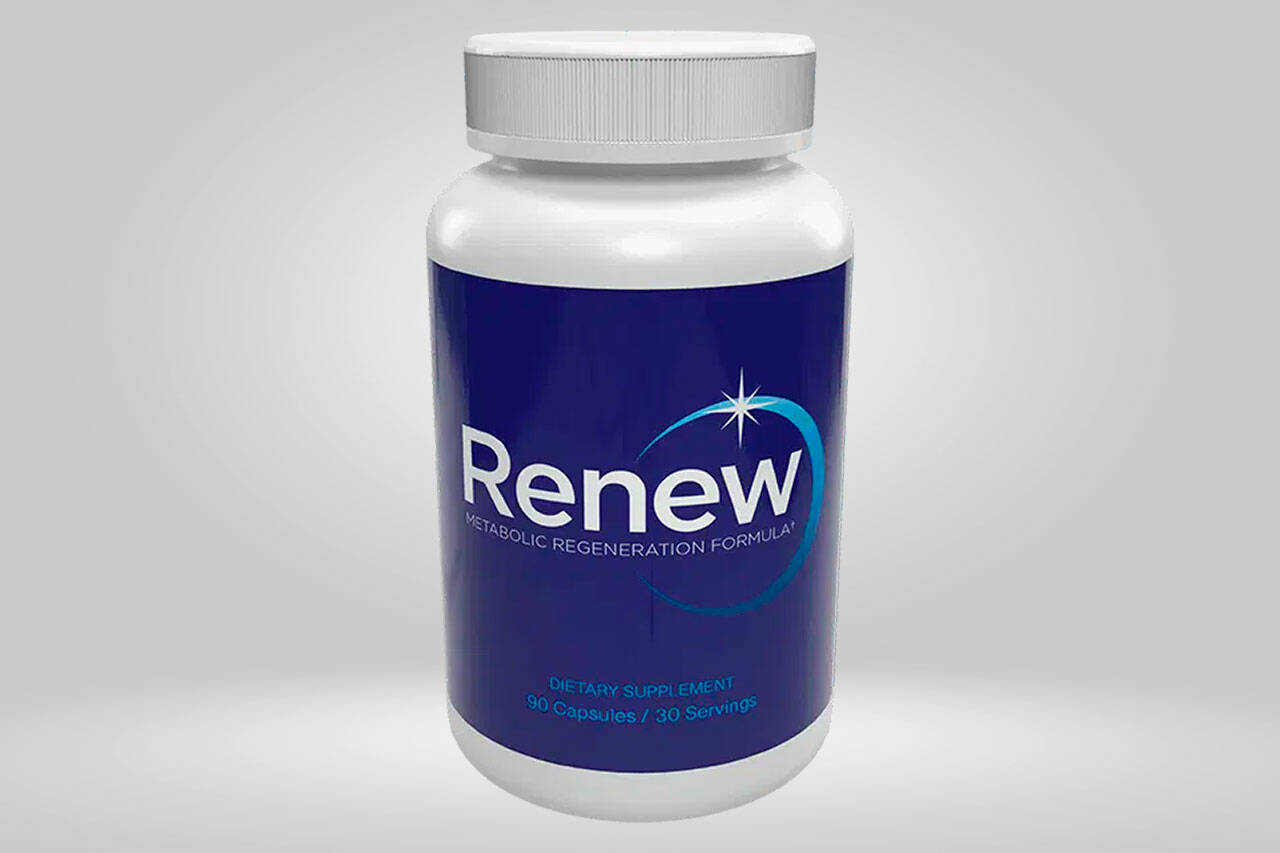
That is where Renew feels useful. Not as a substitute for bedtime habits, and not as permission to ignore stress, but as a support piece for the reader who knows the body needs more than extra time under the covers.
What the evidence actually supports — and what it doesn’t
The core of this story is real: sleep is not only about hours, and the National Heart, Lung, and Blood Institute’s overview of sleep and health covers how sleep affects thinking, mood, and physical health, and how short or poor sleep makes all three harder. Waking unrefreshed after a full night is a recognised pattern, not an invention, and it is one of the reasons sleep quality is studied separately from sleep duration. What the research does not give you is a verdict on a specific blend: I could not point to a published clinical trial of the Renew formula as a whole, and ingredient-level research does not prove a blend. The mornings in this story are an honest report of what I noticed, not a study result. Our cluster guide to mitochondrial health supplements sets out what to look for before buying any formula in this category, our Mitolyn review applies this same evidence check to another formula, and our sleep and mood review covers the same hollow morning from the emotional side.
Two guardrails from the authorities are worth keeping. The NCCIH’s review of sleep disorders and complementary approaches is honest about the limits — for most complementary sleep approaches, the evidence is limited or mixed, and no single habit or product has been shown to fix sleep for everyone. The NCCIH’s guide to using dietary supplements wisely recommends discussing supplements with health professionals and remembering that “natural” does not automatically mean safe. The FDA’s dietary supplement guidance explains that supplements are regulated differently from drugs and are not approved for effectiveness before sale. Judge every claim in this article — including mine — against that standard.
What a More Restorative Morning Gives Back
The first improvement I wanted was not dramatic energy. It was less emptiness. Less of that hollow, low-battery feeling that makes the first half of the day feel emotionally expensive. When recovery improves, the change often shows up as steadiness before it shows up as power.
You can become easier to live with. Easier to work with. Easier on yourself. The mind can start faster. The body can stop feeling like it is negotiating every ordinary task. A better morning does not need to look cinematic to matter. Quiet restoration is enough.
That is why recovery support can matter so much. It can change the tone of the day from the inside out.
Who should be cautious — and when to get checked instead
Unrefreshing sleep that will not lift deserves a clinician’s view before a supplement — especially if it comes with loud snoring, pauses in breathing during sleep, or severe daytime sleepiness. Those can point to sleep apnoea, and apnoea needs proper evaluation and treatment, not a bottle. The same goes for low mood that stays low, or tiredness that arrives with other symptoms you cannot explain. If you take prescription medication, ask a pharmacist or clinician about interactions first. If you are pregnant, breastfeeding, or living with a diagnosed condition, get a professional view before starting anything new. Never drive drowsy, and never use a sleep product as a way to push through exhaustion that is really asking for medical attention. And check the full label and the return terms before you buy — a trial you can return is a trial you can afford to judge honestly.
How to run a fair trial
If you try it, give it a fair test: change one thing at a time, pick one outcome you can actually measure (how restored you feel on waking, on a 1–10 scale; how long it takes to feel mentally present; your mood at breakfast), run it for at least four weeks, and write the numbers down. What I describe above is what I noticed over time — your trial should be judged on your own notes, not on my story.
These are the shifts I noticed — one person’s experience, not a promise. What eased for me may not ease for you, and the sections above say plainly what the evidence does and doesn’t support.
The Goal Is Not More Sleep. It Is Deeper Return.
I still respect simple sleep hygiene, but I no longer mistake it for the whole answer. If rest has stopped feeling like recovery, pay attention to that without guilt. The body may be asking for a calmer evening, a less crowded nervous system, and support that meets the real pattern rather than the simplistic one.
There is relief in building a routine around that truth. Morning begins to feel less like an obligation and more like a return. And when that happens, the day no longer has to begin with emptiness.
It also helped me stop treating tired mornings like a test of toughness. On the days when rest had not truly restored me, what I needed most was not more self-pressure. I needed gentler pacing, cleaner inputs, and a routine that admitted the body was still catching up. That small shift in attitude reduced the second layer of exhaustion that comes from fighting your own state before breakfast is even over.
Over time I noticed that restorative mornings also made the evening easier to respect. When you finally remember what it feels like to wake up less hollow, you become more protective of the habits that support that feeling. Recovery starts sounding less like indulgence and more like infrastructure. That is a useful mindset because it turns better sleep into something you build for, not something you merely hope returns on its own.
Written by Liora Menden — for those who seek deeper restoration and calmer mornings