Three weeks into January, I found myself crying over spilled coffee. Not metaphorical coffee—actual coffee, pooling across my kitchen counter at 6:47 AM. The tears weren’t really about the mess. They were about everything else: the emails that felt urgent at midnight, the way my reflection looked tired even after eight hours in bed, the constant hum of irritation that seemed to follow me from room to room.
That morning, staring at my coffee-stained countertop, I made a decision that would change how I understood my own emotional landscape.
I was going to track my mood every single day for thirty days, paying close attention to the patterns I’d been ignoring. What I discovered wasn’t just about emotions—it was about how deeply connected my sleep quality was to everything I felt during my waking hours.
I’d heard whispers about Resurge from a friend who swore it had transformed her sleep and, surprisingly, her daily emotional stability. A natural formula designed to support deep sleep while helping balance the hormones that influence both rest and mood regulation. I was curious enough to weave it into my experiment, though I had no idea how profoundly it would shift what I learned about myself.
The Emotional Chaos I Was Living In
Before I started tracking anything, my days felt like emotional weather I couldn’t predict. Some mornings I woke up with a knot of anxiety already forming in my chest. Other days, I felt irritated by sounds that normally didn’t bother me—the neighbor’s dog, my partner’s coffee grinder, even the gentle hum of the refrigerator seemed too loud. I attributed these fluctuations to stress, hormones, or just life being life.
What I didn’t realize was how much my restless nights were feeding into this cycle.
I’d lie in bed, mind spinning through tomorrow’s tasks, finally drifting off around midnight only to wake up feeling like I’d been wrestling with my pillow all night. The afternoons were particularly challenging. By 3 PM, I’d hit a wall of fatigue that made every decision feel monumental. Should I respond to that text now or later? Did I remember to buy milk? These small choices felt overwhelming, and my patience with myself and others grew thinner by the hour.
Looking back, I can see I was caught in a loop: poor sleep led to emotional volatility, which created mental tension that made quality sleep even more elusive. Breaking this cycle required understanding it first, which is exactly what my thirty-day experiment revealed.
Ready to discover what quality sleep could do for your emotional balance?
Setting Up My Mood Tracking System

I kept my tracking system intentionally simple. Each evening before bed, I’d rate my overall mood on a scale of 1-10, but more importantly, I’d write three words that captured how the day felt emotionally. Words like “scattered,” “peaceful,” “irritable,” or “centered” became my emotional vocabulary. I also noted my sleep quality from the previous night, using the same 1-10 scale, and tracked what time I fell asleep versus what time I actually got in bed.
This distinction turned out to be crucial—there’s a vast difference between lying in bed scrolling your phone and actually transitioning into rest.
Around day five, I started incorporating Resurge into my evening routine, taking it about an hour before I wanted to be asleep. The timing felt important—not too early that I’d feel drowsy during evening activities, but early enough to let the natural ingredients begin their work on my system. I was curious whether improving my sleep foundation might naturally influence my emotional resilience the following day. The connection between rest and mood regulation isn’t just folk wisdom; it’s backed by research on how our nervous systems restore and rebalance during deep sleep phases.
Transform your nights and watch how your days begin to change naturally.
Week One: The Patterns Start Emerging

The first week of tracking revealed patterns I hadn’t noticed while living them. Days when I rated my sleep as 4 or below consistently led to mood ratings in the 3-5 range. But it wasn’t just about feeling tired—it was about feeling emotionally fragile, like my usual coping mechanisms had been dimmed. I noticed I was more reactive to small frustrations on low-sleep days. A delayed train, a miscommunication with a colleague, or even a long line at the grocery store felt disproportionately annoying.
My emotional buffer zone seemed to shrink when my body hadn’t fully restored itself the night before.
By day seven, something interesting started happening with Resurge. I wasn’t falling asleep dramatically faster, but the quality of my rest felt different. Instead of surfacing into semi-consciousness several times during the night, I began experiencing longer stretches of uninterrupted sleep. My morning fog lifted more quickly, and I found myself naturally waking up closer to my intended time. The mood improvements weren’t immediate or dramatic, but there were subtle shifts. I caught myself pausing before reacting to minor annoyances, as if I had just enough extra emotional bandwidth to choose my response rather than simply react from depletion.
Give your emotional system the restoration foundation it’s been craving.
The Science Behind Sleep and Emotional Regulation

As I researched what I was experiencing, I learned that our emotional processing systems do most of their maintenance work during deep sleep. The brain literally clears out metabolic waste and consolidates emotional memories, helping us wake up with a refreshed perspective on yesterday’s challenges. When we don’t get enough restorative sleep, our amygdala—the brain’s alarm system—becomes hyperactive while our prefrontal cortex, responsible for rational decision-making and emotional regulation, becomes less effective.
This combination creates the perfect storm for emotional volatility and poor stress management.
Resurge’s formulation seemed designed to support this natural restoration process. Rather than forcing drowsiness, it appeared to help my nervous system transition more smoothly into deeper sleep phases where emotional rebalancing occurs. The ingredients work synergistically to calm mental chatter while supporting the hormonal processes that govern both rest and mood stability. Understanding this connection helped me appreciate why improving my sleep was having such a noticeable impact on my emotional resilience. I wasn’t just getting more rest—I was giving my brain the conditions it needed to process and integrate my daily experiences more effectively.
Support your body’s natural rhythm for deeper sleep and calmer days.
Week Two and Three: The Transformation Deepens

By the second week, my sleep scores had consistently improved from the 4-6 range to 7-8, and my mood ratings followed suit. But the real change wasn’t in the numbers—it was in how I moved through my days. Tasks that previously felt overwhelming became manageable. Conversations that might have left me drained felt more naturally engaging.
I noticed I was laughing more, finding humor in situations that would have stressed me out just weeks before.
My partner commented that I seemed more present during our evening conversations, less distracted by the mental loop of tomorrow’s responsibilities. Even my reflection in the mirror looked different—less tension around my eyes, a softer expression overall. The Resurge had become a cornerstone of my evening ritual, not because it knocked me out, but because it seemed to help my whole system downshift more gracefully.
I found myself naturally wanting to dim the lights earlier, choosing herbal tea over wine, and feeling genuinely tired at appropriate bedtime hours rather than wired and exhausted simultaneously.
Week three brought what I can only describe as emotional stability I hadn’t experienced in months. My mood ratings consistently stayed in the 7-9 range, and more importantly, the daily emotional fluctuations that used to exhaust me had smoothed into gentle waves rather than jarring peaks and valleys.
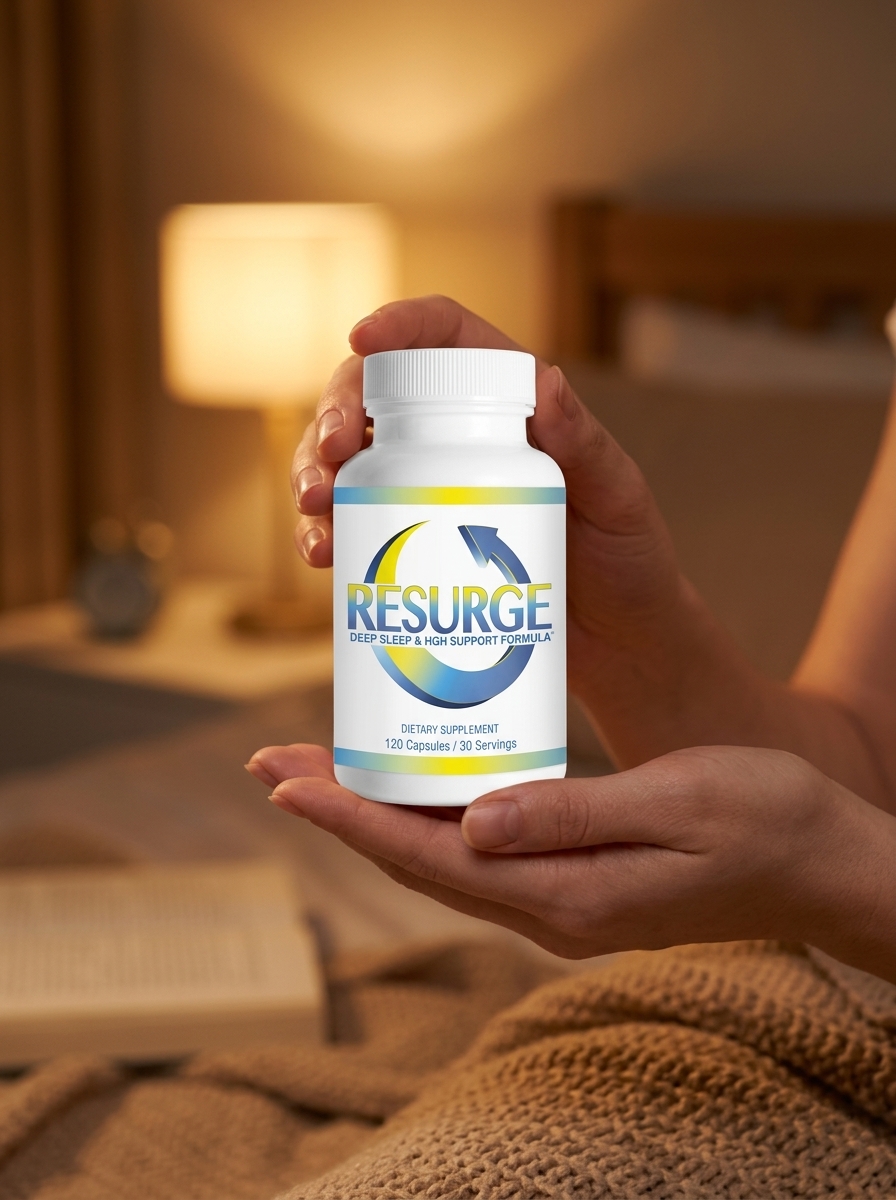
Finally Sleep Deeply Again
Support your natural sleep cycles while balancing the hormones that affect your daily mood.
Resurge helps your body transition into the restorative sleep phases where emotional rebalancing happens naturally. This gentle formula supports hormone stability and mood regulation without forcing drowsiness, creating the foundation for emotional resilience that compounds night after night.
- ✓ Deep, uninterrupted sleep cycles
- ✓ Natural hormone balance support
- ✓ Calmer, more stable daily emotions
The Unexpected Benefits I Discovered

While I started this experiment focused on mood, I began noticing changes in other areas of my life. My appetite felt more regulated—I wasn’t reaching for afternoon sugar fixes to combat energy crashes. My skin looked clearer, with a subtle glow that friends began commenting on. Even my digestion improved, as if my whole system was operating from a more balanced foundation.
My creativity surprised me most.
Ideas for projects I’d been stuck on suddenly flowed more easily. I found myself writing in my journal with more clarity and depth, as if the mental fog that had been obscuring my thoughts was finally lifting. Better sleep wasn’t just improving my mood—it was enhancing my cognitive function and creative expression. Exercise became more enjoyable rather than another item on my to-do list. With more consistent energy levels throughout the day, I actually looked forward to my evening walks instead of dragging myself through them.
The ripple effects extended into my relationships. I had more patience for difficult conversations and more enthusiasm for social connections. Friends mentioned I seemed more like myself again, though I hadn’t realized how much I’d been operating from a depleted version of who I really am.
Break the cycle of restless nights and overwhelming days once and for all.
What the Data Revealed
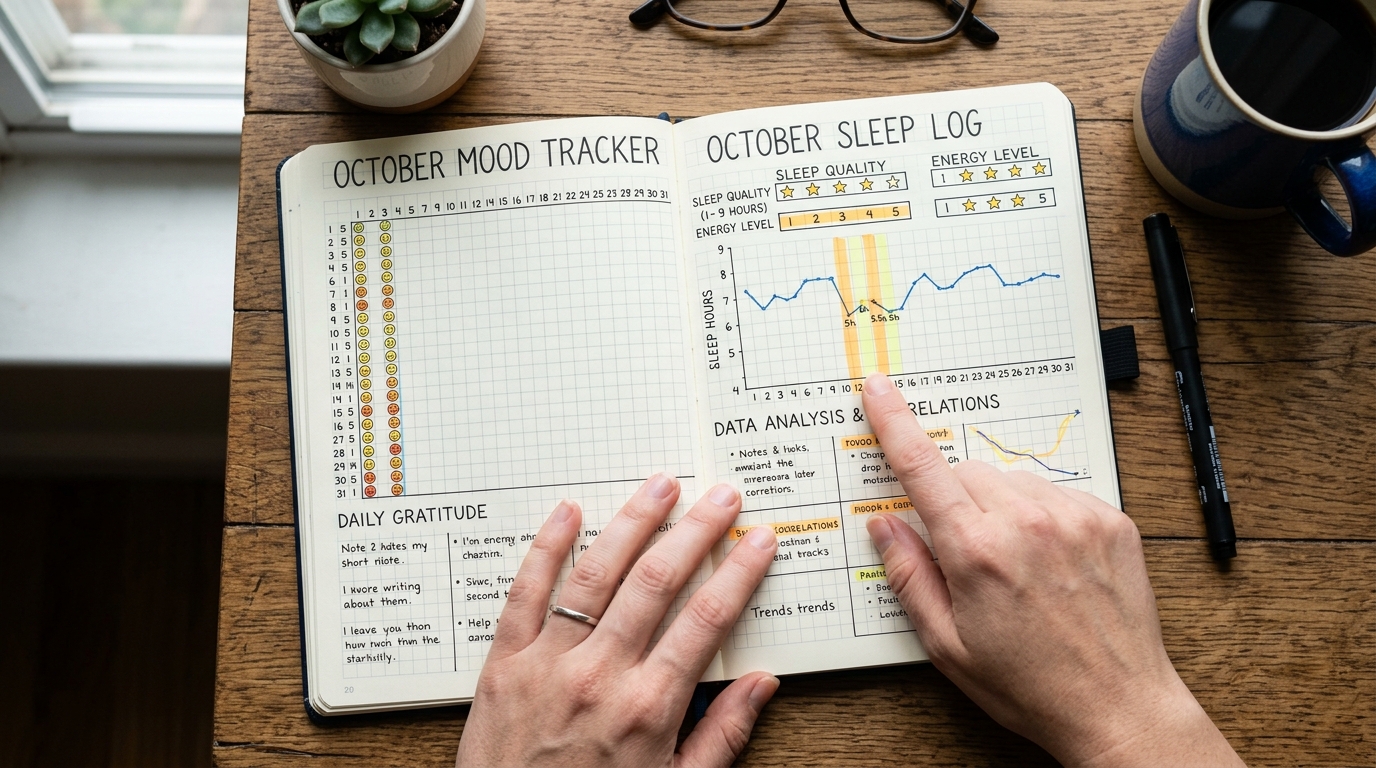
Looking back through thirty days of mood and sleep data, the correlation was undeniable. Days with sleep scores of 7 or above consistently corresponded with mood ratings of 7 or above. More fascinating was how this improvement seemed to compound—better sleep led to better moods, which led to less stress, which made it easier to fall asleep the following night.
The most dramatic improvement came in my emotional reactivity scores, something I started tracking around day ten when I realized how much calmer I felt in challenging situations. Early in the month, minor disruptions would spike my stress response and affect my mood for hours.
By week four, the same types of situations felt manageable, even temporary.
My energy levels showed a similar pattern of improvement. Instead of the afternoon crashes that had been plaguing me, my energy remained more consistent throughout the day. I wasn’t riding a roller coaster of caffeine highs and crashes—my system seemed to be generating more sustainable energy from proper rest and hormonal balance. The quality of my thoughts also shifted measurably. I started rating my mental clarity each day, and the progression from scattered, foggy thinking to sharp, focused attention was remarkable. It became clear that mood regulation and cognitive function are intimately connected, both depending on the restoration that happens during deep sleep.
Experience how proper rest creates space for emotional resilience to flourish.
My New Understanding of Emotional Wellness

This thirty-day experiment completely reframed how I think about emotional health. Instead of treating mood swings as something to endure or manage through willpower alone, I now understand them as often being symptoms of insufficient restoration and imbalanced sleep patterns. Resurge became more than a sleep aid in my routine—it became a foundation for emotional resilience. Not because it changed my personality or masked difficult emotions, but because it helped create the physical conditions where my natural emotional regulation systems could function optimally.
When my body was properly rested, my mind had the resources to handle life’s challenges with grace and flexibility.
I’ve continued using Resurge beyond the thirty-day experiment because the benefits compound over time. Each night of quality sleep makes the next day’s emotional landscape more manageable, creating an upward spiral of wellbeing rather than the exhausting cycles I’d grown accustomed to.
What started as curiosity about my mood patterns became a profound lesson in how interconnected all aspects of health really are.
Sleep quality affects hormone balance, which influences mood regulation, which impacts stress response, which determines how well we sleep the following night. Supporting one aspect of this cycle naturally enhances all the others.
Written by Liora Menden — for those who seek emotional balance
Ready to feel the difference this formula makes?