The breaking point came on a Tuesday morning when I burst into tears because my coffee maker took an extra thirty seconds to brew.
Not frustrated tears—the deep, soul-shaking kind that leave you questioning your entire emotional landscape. As I sat on my kitchen floor, mascara probably streaking down my cheeks, I realized something had to shift. The woman who used to handle client meetings with grace and navigate family drama with patience had become someone who crumbled over coffee machines.
That moment forced me to look at the one thing I’d been ignoring for months: my sleep. Or rather, my complete lack of quality rest.
Between late-night scrolling, work stress keeping my mind racing, and what felt like my body forgetting how to actually relax, I was averaging maybe four hours of broken sleep per night. I thought I was just getting older, maybe more sensitive to stress. I didn’t connect the dots between my pillow and my peace of mind.
What I discovered over the next month changed everything I thought I knew about emotional resilience.
It wasn’t about mindfulness apps or breathing exercises—though those help. It was about giving my nervous system the deep, cellular repair it was desperately craving every single night.
The Hidden Cost of Running on Empty

Sleep deprivation doesn’t announce itself with dramatic fanfare. It creeps in quietly, making you believe that irritability is just your new personality and that emotional overwhelm is simply part of being human. For weeks, I attributed my hair-trigger responses to everything from hormonal changes to too much caffeine. The idea that my brain was literally starving for restorative sleep never crossed my mind.
Research shows that even one night of poor sleep can increase emotional reactivity by up to 60%. Your amygdala—the brain’s alarm system—starts firing at situations that wouldn’t normally faze you. Meanwhile, the prefrontal cortex, which usually keeps your responses measured and thoughtful, goes offline.
It’s like trying to drive a car with a hypersensitive gas pedal and broken brakes.
I started noticing patterns in my own life that confirmed this science. After particularly restless nights, simple conversations felt like negotiations. Emails from colleagues seemed more demanding than they actually were. Even my partner’s innocent question about dinner plans could send me spiraling into a mental list of everything wrong with my day. I wasn’t losing my mind—I was losing my sleep, and my emotional regulation was paying the price.
Ready to stop running on empty and rediscover your emotional strength?
When Rest Becomes a Luxury We Can’t Afford

Modern life seems designed to keep us wired and tired simultaneously. The pressure to stay connected, productive, and available creates a perfect storm for sleep disruption. Even when we finally collapse into bed, our minds continue racing through tomorrow’s to-do lists, replaying conversations, or simply refusing to downshift from the day’s intensity.
I found myself caught in what felt like an impossible cycle. Poor sleep made me more emotionally reactive, which increased my stress levels, which made it even harder to fall asleep. The harder I tried to force rest, the more elusive it became.
Melatonin left me groggy. Meditation apps felt like another task on my endless list. Sleep hygiene rules felt rigid and unforgiving when life refused to cooperate with perfect bedtime routines.
What I needed wasn’t just better sleep habits—I needed my body to remember how to actually repair itself during rest. The kind of deep, restorative sleep that leaves you feeling genuinely refreshed, not just less tired. The kind that rebuilds your emotional resilience from the cellular level up.
Your nervous system is ready to exhale. Give it the deep repair it craves.
The Ripple Effect of Emotional Exhaustion

Sleep deprivation doesn’t just affect your mood in isolation—it creates ripples that touch every relationship and interaction in your life. I started noticing how my emotional instability was bleeding into my connections with others. Conversations with friends felt strained because I was operating from a place of depletion rather than genuine presence.
My partner began walking on eggshells, unsure which version of me they’d encounter each day. The compassionate, understanding person they knew was still there somewhere, but she was buried under layers of fatigue and overwhelm.
Even my relationship with myself became fraught—I’d snap at my own reflection in the mirror, frustrated with this person I barely recognized.
The professional costs were equally real. Creative projects that once energized me felt insurmountable. Decision-making became agonizing because everything felt equally urgent and impossible. I was functioning, but barely, running on emotional fumes that left everyone around me—including myself—feeling unsatisfied and disconnected.
Transform overwhelming days into manageable challenges through restorative sleep.
Discovering What Deep Rest Actually Means

After that coffee-maker breakdown, I committed to treating my sleep as seriously as any other health priority. But instead of adding more rules and restrictions to my life, I decided to focus on what my body needed to naturally wind down and repair. That’s when I discovered RENEW, a sleep support formula designed specifically for the kind of deep, cellular restoration I was craving.
What drew me to RENEW wasn’t just another promise of better sleep—it was the focus on comprehensive restoration. This wasn’t about knocking me unconscious for eight hours. It was about supporting the natural processes that happen during quality sleep: hormone regulation, cellular repair, and nervous system reset.
The ingredients work together to help your body remember its own wisdom about rest and recovery.
The first week felt like a gentle invitation back to my own body. Instead of lying in bed with my mind spinning, I found myself naturally softening into sleep. Not the heavy, drugged feeling I’d experienced with other sleep aids, but a genuine sense of my nervous system finally exhaling after months of holding its breath.
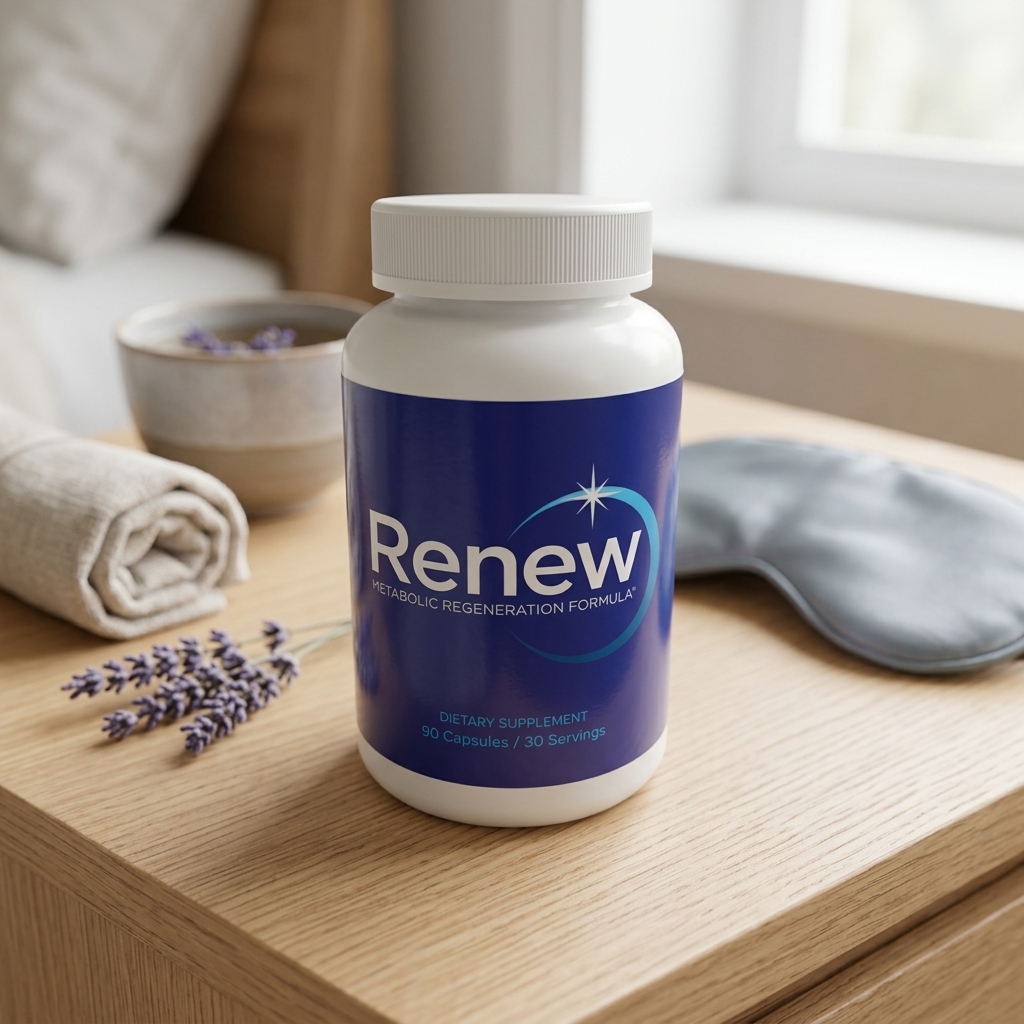
Restore Your Emotional Balance
Deep cellular repair that transforms exhaustion into genuine resilience.
RENEW supports the natural restoration your body needs during sleep. When your cells repair properly overnight, you wake up with emotional stability, mental clarity, and the capacity to handle life’s challenges with grace. Not just better sleep—comprehensive renewal from within.
- ✓ Wake up feeling genuinely restored
- ✓ Emotional responses feel balanced and spacious
- ✓ Natural energy without afternoon crashes
The Transformation I Didn’t Expect

By week two of using RENEW consistently, something shifted in ways I hadn’t anticipated. Yes, I was sleeping more deeply—waking up actually felt like emerging from rest rather than simply stopping the attempt to sleep. But the real changes showed up in my emotional responses throughout the day.
That hair-trigger sensitivity began softening. Challenging situations that would have sent me spiraling now felt manageable.
I had space between stimulus and response—a precious buffer that allowed me to choose my reactions rather than being hijacked by them.
It wasn’t that life became easier; it was that I had more capacity to meet life’s challenges with presence rather than panic.
My partner noticed the change before I fully realized it myself. “You seem like you again,” they said one evening as we cooked dinner together. No walking on eggshells, no bracing for emotional landmines. Just two people sharing space without the undercurrent of exhaustion making everything feel fragile and complicated.
Stop walking on eggshells in your own life. Deep rest rebuilds resilience.
Rebuilding Emotional Resilience from Rest

What surprised me most about improving my sleep wasn’t just feeling less tired—it was rediscovering my own emotional strength. When you’re well-rested, challenges don’t disappear, but your capacity to handle them expands dramatically. Conversations that once felt threatening became opportunities for connection. Work projects that seemed overwhelming became engaging puzzles to solve.
I started waking up with energy not just for the day’s tasks, but for the people in my life. My creativity returned. My patience deepened. Even my sense of humor—something I’d almost forgotten I possessed during those depleted months—came back online.
It was like watching my true self emerge from under layers of exhaustion.
The hormonal balance that comes with quality sleep also brought unexpected gifts. My skin cleared up. My digestion improved. Even my relationship with food became more intuitive as my body’s natural hunger and satiety signals normalized. Sleep, I realized, wasn’t just about rest—it was about allowing every system in my body to recalibrate and function optimally.
Your true self is waiting underneath all that exhaustion and overwhelm.
Finding Your Way Back to Emotional Balance

Looking back on that Tuesday morning breakdown, I feel deep compassion for the woman who thought her emotional instability was a character flaw rather than a symptom of profound sleep deprivation. The journey back to emotional balance didn’t require massive life overhauls or complex therapeutic interventions—it started with honoring my body’s most fundamental need for restorative rest.
If you’re reading this while feeling like an emotional stranger to yourself, consider the possibility that your pillow holds more power than you realize. Your irritability, your overwhelm, your sense that you’re failing at being human—these might not be permanent features of your personality. They might be messages from a nervous system that desperately needs the deep repair that only quality sleep can provide.
The woman who cried over a slow coffee maker still lives in me, but now she’s a reminder of what happens when we ignore our most basic needs for too long. She’s also proof that transformation doesn’t always require dramatic intervention—sometimes it begins with simply allowing your body to do what it was designed to do: rest, repair, and return you to yourself, one deep sleep at a time.
Written by Liora Menden — for those who seek emotional balance
Give your relationships the gift of your well-rested, emotionally balanced presence.