There is a specific kind of morning that feels like a small betrayal. You did everything right — you were in bed before ten, the room was cool, your phone was across the hall. You slept. Eight hours, maybe more. And then the alarm sounded and you lay there thinking: why am I still this tired? Not groggy in the way that fades after coffee. Tired in a way that sits behind your eyes and settles into your shoulders before the day has even started.
The real question — the one worth asking — is whether your body is actually getting support for deeper overnight recovery, or whether it is simply going unconscious and waiting for morning.
If that feeling is familiar, you are not broken. You are not lazy. You are missing something that has nothing to do with the number of hours you were horizontal. Those are not the same thing. Not even close.
This is for the person who has tried every sleep tip and still wakes up with that strange, low-grade heaviness. The one who has stopped telling people they are tired because they cannot explain why. The one quietly wondering if this is just what getting older feels like. It is not. Let’s start there.
Sleep Is Not the Same Thing as Recovery

We have spent years treating sleep like a light switch. Off means rest. On means ready. But the body does not operate on a binary. During the night, dozens of quiet, layered processes are supposed to unfold — cellular repair, hormone regulation, immune recalibration, memory consolidation, tissue restoration. Sleep is not rest in the passive sense. It is the body’s most ambitious work shift.
The problem is that not all sleep supports that work equally. You can move through the motions of a full night and still shortchange the deeper stages where the real repair happens. Light, fragmented sleep — the kind where you half-wake at 2am, the kind where your mind keeps a faint running commentary even in the dark — does not give your cells what they need to rebuild. You wake up as if someone interrupted the process just before it finished. Which is, in a very real sense, exactly what happened.
Duration is easy to measure. Quality is something you feel — or notice you are not feeling. When the morning greets you with clarity and a kind of quiet readiness, that is restoration. When it greets you with weight, that is your body asking for something more than hours in a bed.
Curious what deeper overnight recovery actually feels like?
The Nervous System That Never Got the Memo

Here is something worth sitting with: your nervous system does not automatically switch into recovery mode just because the lights are off. For many people, the body lies down but the internal alarm system stays lightly, quietly activated. Stress hormones that rose through the day do not always fall the way they should when night comes. The nervous system, trained by months or years of pressure and stimulation, sometimes forgets how to fully let go.
This is not anxiety in the clinical sense. It is something more subtle — a low hum of alertness that the body carries even into sleep. You might not notice it as tension. You might just notice that you dream hard, that you feel oddly aware during the night, that you wake at the same time every morning for no clear reason. These are signs of a nervous system that has not fully settled. That has not received the signal that says: the work is done, you are safe, let the repair begin.
Calming that system — genuinely calming it, not just silencing it with exhaustion — is often the missing piece. When the nervous system learns to soften into sleep, the body can move into the deeper stages where restoration actually lives. This is where the difference between a night that recovers you and one that simply passes begins to form.
Your body has not stopped wanting to repair itself.
Why Common Sleep Advice Only Gets You Halfway

The advice is everywhere and most of it is reasonable. Dim the lights. Avoid screens. Keep the room cold. Cut the caffeine after noon. These things genuinely help — they are real signals that tell the brain the day is ending. But they address the surface conditions of sleep, not what is happening in the body once sleep begins.
Think of it like preparing a garden bed. You can clear the weeds and loosen the soil, and that matters. But if the seed itself is not supported — if the conditions beneath the surface are not right — growth still will not come the way you hoped. Sleep hygiene is the preparation. What happens in the cells overnight is the cultivation. Most sleep advice focuses only on the first part.
You wake up with the receipts of time spent but none of the goods that should have come with it.
Cellular recovery — the actual repair and renewal that makes sleep feel like something — requires the right internal environment. It requires that the body have what it needs to do its quiet, intricate work. When those conditions are not met, the hours you spent asleep pass without the transformation you were counting on. That gap — between sleeping and being restored — is exactly where so many people are living right now.
What if the problem was never the hours — but the conditions?
What Your Body Is Actually Trying to Do While You Sleep

Somewhere between the first hour of sleep and the deep middle of the night, the body begins a kind of internal housekeeping that sounds almost miraculous when you learn about it. Damaged proteins are cleared. Cells that have been under stress undergo quiet structural repair. Growth hormone pulses through the bloodstream, directing the rebuilding of tissues. The lymphatic system of the brain — a network discovered only in the past decade — flushes metabolic waste that accumulated during the day.
These are not metaphors. They are measurable, biological events that your body is designed to execute every single night. When they happen fully, you wake up lighter. Mentally sharper. With a kind of embodied freshness that coffee cannot replicate, because coffee does not rebuild anything — it only borrows from tomorrow’s reserves.
When these processes are interrupted or incomplete, the feeling is distinctive. The eyes feel like they need another hour. The mind takes longer to warm up. Decisions feel heavier. Even the body’s response to the first stretch of the morning feels effortful. This is not a personality trait. It is unfinished cellular business from the night before.
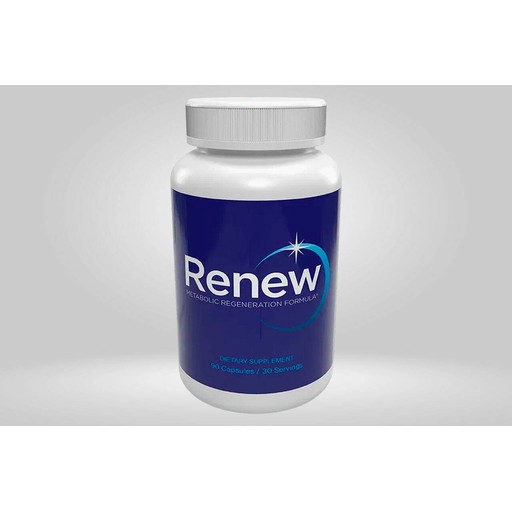
Sleep That Actually Repairs
You gave the night eight hours. RENEW helps your body use them.
RENEW is a gentle nightly formula built for the gap between sleeping and recovering. It calms your nervous system into genuine receptivity, supports the cellular repair that unfolds in deep sleep, and helps you wake feeling like the night actually did something — not just passed.
- ✓ Wake without the weight behind your eyes
- ✓ Feel the clarity that real overnight repair creates
- ✓ Give your body the internal environment it has been waiting for
The Night You Finally Wake Up Changed
There is a formula that has quietly worked for people who had given up on the idea of feeling restored. Not a dramatic overhaul. Not a clinical intervention. A gentle, intentional one — a nightly formula that works with the body’s own overnight rhythms, supporting the processes sleep is supposed to enable rather than simply hoping they happen on their own.
RENEW was made for exactly this gap. It is designed for the person who sleeps but does not recover — who gives the body time but not the environment. Taken as part of a nightly ritual, it helps calm the nervous system into genuine receptivity, supports the cellular repair processes that unfold in deep sleep, and encourages the kind of overnight renewal that makes morning feel like an arrival rather than a continuation of yesterday’s fatigue.
It works more like a quiet invitation — something that helps the body remember what it already knows how to do when the conditions are right.
It is not a sedative. It will not knock you out or leave you foggy. For people who have spent months waking up tired despite their best efforts, that shift can feel extraordinary. Not because something dramatic happened. Because finally, quietly, the night did what it was always supposed to do.
The gap between sleeping and recovering is closeable.
When the Morning Starts to Feel Different
The first sign is usually small. You open your eyes before the alarm. Not because something startled you, but because your body arrived at morning with something left in reserve. There is a half-second before thought kicks in where you notice — the heaviness is not there. The weight behind the eyes that you had accepted as normal is quieter, or gone entirely.
Then it continues through the day. Focus arrives faster. The mid-morning fog that used to require a second coffee lifts on its own. Tasks that felt effortful when you were running on poor recovery begin to feel manageable. There is an emotional quality to this too — a kind of steadiness that comes when the body has actually regenerated overnight. Less reactivity. More bandwidth. A feeling that can only be described as having been genuinely refueled.
This is what support for deeper overnight recovery looks like in practice. Not a dramatic transformation by day three. A quiet, accumulating shift that happens when the body is finally given what it needs to complete its nightly work. Small signs that compound. Mornings that no longer feel like losses.
You remember what a real morning felt like. It is still possible.
Rest Is Something You Deserve to Actually Feel
Somewhere along the way, many of us made a quiet peace with feeling half-recovered. We told ourselves it was age, or stress, or just the season of life we were in. We stopped expecting mornings to feel good and started just expecting them to be survivable. That adaptation is understandable. But it is not inevitable. And it is not what your body is asking for.
Your body has not stopped wanting to repair itself. It has not given up on deep sleep or cellular renewal or the kind of rest that leaves you feeling like yourself again. It is asking, every single night, for the right conditions to do the work it was built to do. When those conditions exist — when the nervous system is calm, when cellular repair is supported, when the night is used for what it is actually meant for — the evidence shows up in the morning. In the way you wake. In how the day unfolds. In the quiet, steady sense that you are not running on empty anymore.
That kind of rest is not a luxury. It is what restoration actually looks like. And if it has been a while since you felt it, the fact that you remember it — that you are still looking for it — means your body has not stopped trying. Give it the support it is waiting for. Let the night finally finish what it started.
Written by Liora Menden — for those who seek the rest that actually restores
Rest that you can actually feel waiting for you.