It happened during a routine Tuesday morning meeting. I was mid-sentence, explaining a project timeline I’d crafted dozens of times before, when suddenly the words just… vanished. Not the kind of pause where you’re searching for the right phrase, but a complete blank. The room waited. I smiled, made a joke about needing more coffee, and somehow finished the thought. But something had shifted.
That evening, I found myself staring at my reflection in the bathroom mirror, wondering when my brain had started playing tricks on me. The sharp, reliable mind I’d counted on for decades was showing cracks. It wasn’t dramatic—no one else seemed to notice—but I felt it. The slight delay in recalling names. The extra effort required to follow complex conversations. The way familiar tasks suddenly demanded more concentration.
What I discovered in the months that followed changed not just how I think about aging, but how I approach protecting the mind I still need to rely on every single day.
The Brain’s Silent Transformation

Your brain doesn’t announce when it’s changing. There’s no notification system, no warning light on your mental dashboard. Instead, the shifts happen gradually, almost imperceptibly, like watching a sunset—you know it’s happening, but you can’t pinpoint the exact moment day becomes night.
Starting around age 30, your brain begins losing approximately 0.2% of its volume each year. By 60, this accelerates to about 0.5% annually. Think about that for a moment: your most precious organ is literally shrinking, and it’s been happening longer than you realize. The hippocampus, your brain’s memory center, is particularly vulnerable. Neural connections that once fired effortlessly begin to weaken. The myelin sheaths protecting your nerve fibers start to thin.
But here’s what surprised me most: these changes aren’t inevitable decline. They’re your brain adapting to decades of use, like a well-worn path through a forest. Some deterioration is natural, but much of what we accept as “normal aging” is actually preventable.
The key is understanding that your brain remains remarkably plastic throughout your entire life—capable of forming new connections, growing new neurons, and literally rewiring itself when given the right support.
Ready to protect the mind that’s carried you this far?
The Modern Brain Under Siege

Today’s world isn’t kind to aging minds. We’re the first generation to navigate constant digital stimulation while dealing with unprecedented levels of chronic stress. Our brains are processing more information in a single day than our ancestors encountered in months, all while fighting inflammation from processed foods, sleep disruption from blue light, and the cognitive load of managing increasingly complex lives.
Chronic inflammation is perhaps the most insidious threat. It’s like having a low-grade fire burning in your brain tissue, slowly damaging the very neurons you need for clear thinking.
This inflammation comes from everywhere: the sugar in your afternoon snack, the stress of your commute, the poor sleep quality that’s become your new normal. Your brain’s immune cells, called microglia, become overactive, attacking healthy tissue in their confusion.
Free radicals compound the damage. These unstable molecules bounce around your brain like molecular pinballs, leaving destruction in their wake. Your natural antioxidant defenses, once robust, begin to weaken with age, leaving your neural tissue vulnerable to oxidative stress. Meanwhile, your brain’s energy production centers—the mitochondria—start producing less ATP, the cellular fuel that powers every thought, memory, and decision.
Your brain deserves the same attention you give your career.
When I Stopped Accepting Mental Fog as Normal

The turning point came six months after that first blank moment in the meeting. I was reading a book I’d loved years earlier, and I realized I was re-reading the same paragraph for the fourth time, still not absorbing the meaning. That night, I made a decision that would change everything: I stopped accepting mental fog as the price of getting older.
I began researching what actually worked—not the generic advice about doing crossword puzzles, but the science behind cognitive protection. I learned about neuroplasticity, the brain’s remarkable ability to reorganize itself. I discovered how certain nutrients could cross the blood-brain barrier and directly support neural function. Most importantly, I found that the right combination of targeted support could not just slow cognitive decline, but actually reverse some of the damage I thought was permanent.
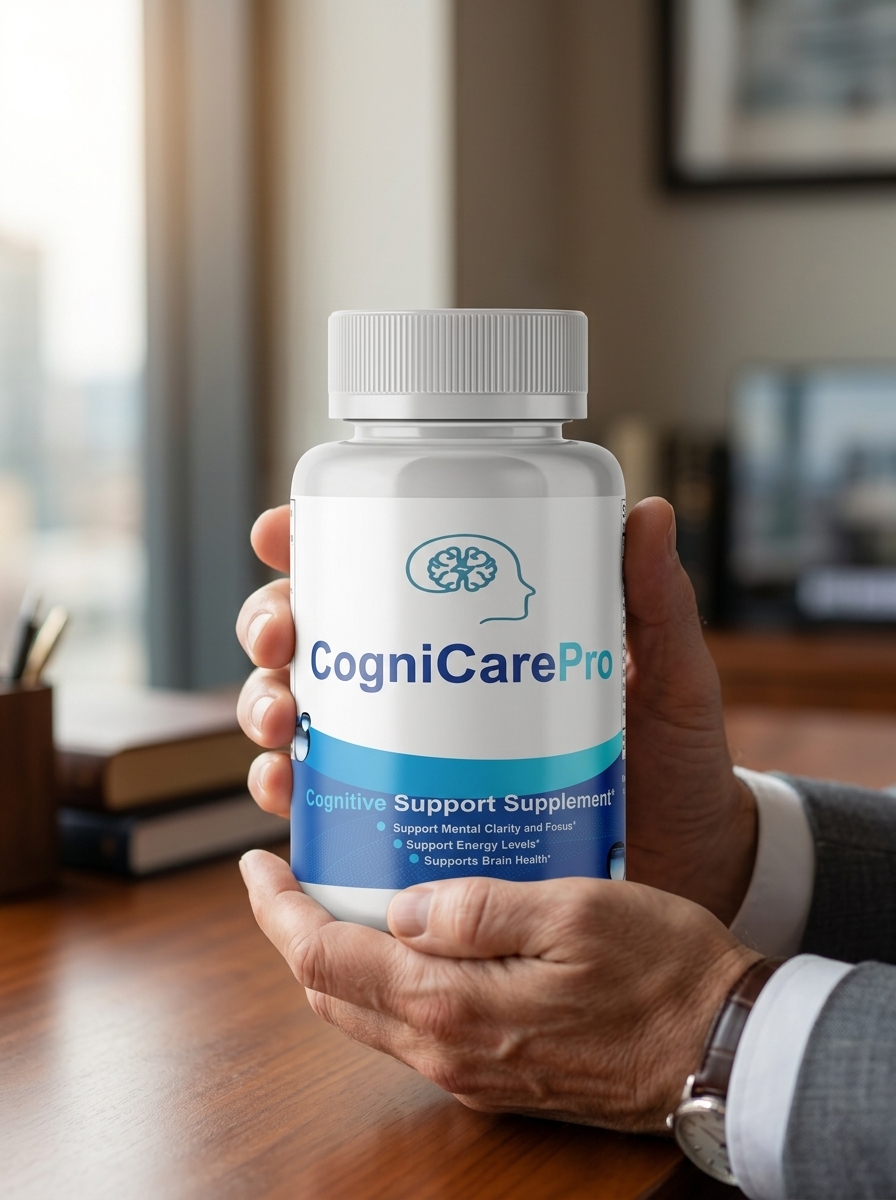
That’s when I discovered CogniCare Pro. Unlike the scattered supplements I’d tried before, this wasn’t just another brain booster making vague promises. It was formulated specifically for the aging brain, with ingredients that had actual research behind them. The transparency impressed me—I could see exactly what I was putting in my body and why each component mattered for cognitive health.
Stop accepting mental fog as the price of experience.
The Science of Neural Protection

Real cognitive protection starts at the cellular level. Your brain burns through about 20% of your total daily energy, making it incredibly vulnerable to oxidative damage. The most effective approach combines multiple pathways: reducing inflammation, supporting energy production, protecting neural membranes, and enhancing neurotransmitter function.
Phosphatidylserine, one of the key components in quality brain supplements, actually integrates into your neural membranes, helping maintain their flexibility and function. Think of it as oiling the hinges on doors throughout your mind. Bacopa Monnieri works differently—it enhances the formation of new neural pathways while protecting existing ones from damage. Then there’s Lion’s Mane mushroom extract, which stimulates the production of nerve growth factor, literally encouraging your brain to grow new connections.
What makes CogniCare Pro unique is how these ingredients work synergistically. Rather than hoping individual supplements might help, you’re providing your brain with a comprehensive support system. Each component enhances the others, creating a protective environment where your neural tissue can not just survive, but thrive. The research behind this approach is compelling—studies show that targeted nutritional support can improve memory, focus, and processing speed in adults over 50.
Reclaim Your Mental Edge
When brain fog isn’t negotiable, targeted nutrition makes the difference.
CogniCare Pro delivers research-backed ingredients directly to your neural tissue. Phosphatidylserine, Bacopa Monnieri, and Lion’s Mane work synergistically to protect existing neurons while encouraging new growth. Your mind deserves more than wishful thinking—it deserves scientific precision.
- ✓ Mental clarity that colleagues notice
- ✓ Memory recall that feels effortless again
- ✓ Focus that lasts through demanding days
The Lifestyle Foundation That Changes Everything

Supplements alone aren’t magic. They’re most powerful when built on a foundation of brain-healthy habits. Sleep became my first priority—not just getting eight hours, but quality sleep that allows your brain’s cleaning system to clear out metabolic waste. During deep sleep, your glymphatic system flushes out the toxic proteins that accumulate during waking hours.
Exercise emerged as equally crucial, but not in the way I expected. It’s not about becoming a fitness fanatic—it’s about moving enough to increase blood flow to your brain. Even a 20-minute walk triggers the release of BDNF (brain-derived neurotrophic factor), which acts like fertilizer for your neurons. I started thinking of exercise as direct medicine for my mind.
Stress management became non-negotiable. Chronic stress literally shrinks your hippocampus while enlarging your amygdala—you lose memory capacity while becoming more reactive. I learned that meditation isn’t just relaxation; it’s strength training for your prefrontal cortex, the brain region responsible for focus and decision-making.
Even five minutes daily makes a measurable difference.
Join thousands who chose clarity over confusion.
What Changed When I Got Serious About Brain Health

Three months into my new approach—combining CogniCare Pro with targeted lifestyle changes—I noticed something remarkable during another Tuesday morning meeting. Not only did the words come easily, but I found myself connecting ideas in ways that felt sharper, more creative. My colleagues started commenting on my improved focus and clarity.
The changes weren’t dramatic overnight, but they were consistent. Names stopped hiding from me. Reading became effortless again. Complex problems that once left me mentally fatigued now felt manageable, even energizing. It was like someone had cleaned the windows of my mind—everything was clearer, brighter, more vibrant.
Most significantly, my confidence returned. When you trust your mind again, it changes how you approach everything.
I started taking on more challenging projects at work. I engaged more deeply in conversations. I stopped making excuses for momentary lapses and started expecting my brain to perform well. That expectation, backed by proper support, created an upward spiral of cognitive improvement.
Your future self will thank you for this decision.
The Long Game of Mental Vitality

Now, two years later, I think about brain health the way I think about physical fitness—as an ongoing practice, not a destination. Some mornings I wake up feeling mentally sharper than I did in my thirties. Other days remind me that aging is still happening, but I have tools now. I have a system that works.
The key insight that changed everything: cognitive decline isn’t inevitable, it’s largely preventable. Your brain wants to stay healthy and functional. It’s designed to adapt and grow throughout your entire life. But it needs the right support—the right nutrients, the right stimulation, the right rest. When you provide those things consistently, your mind can remain your most reliable ally for decades to come.
What I wish I’d understood earlier is that brain health isn’t about preventing some distant future problem. It’s about feeling mentally alive and capable right now, today, in this moment when your experience and wisdom are most valuable. Your aging mind isn’t diminishing—it’s evolving. And with the right support, that evolution can be extraordinary.
Written by Elias Menden — for those who seek mental clarity
Transform how you think about thinking itself.